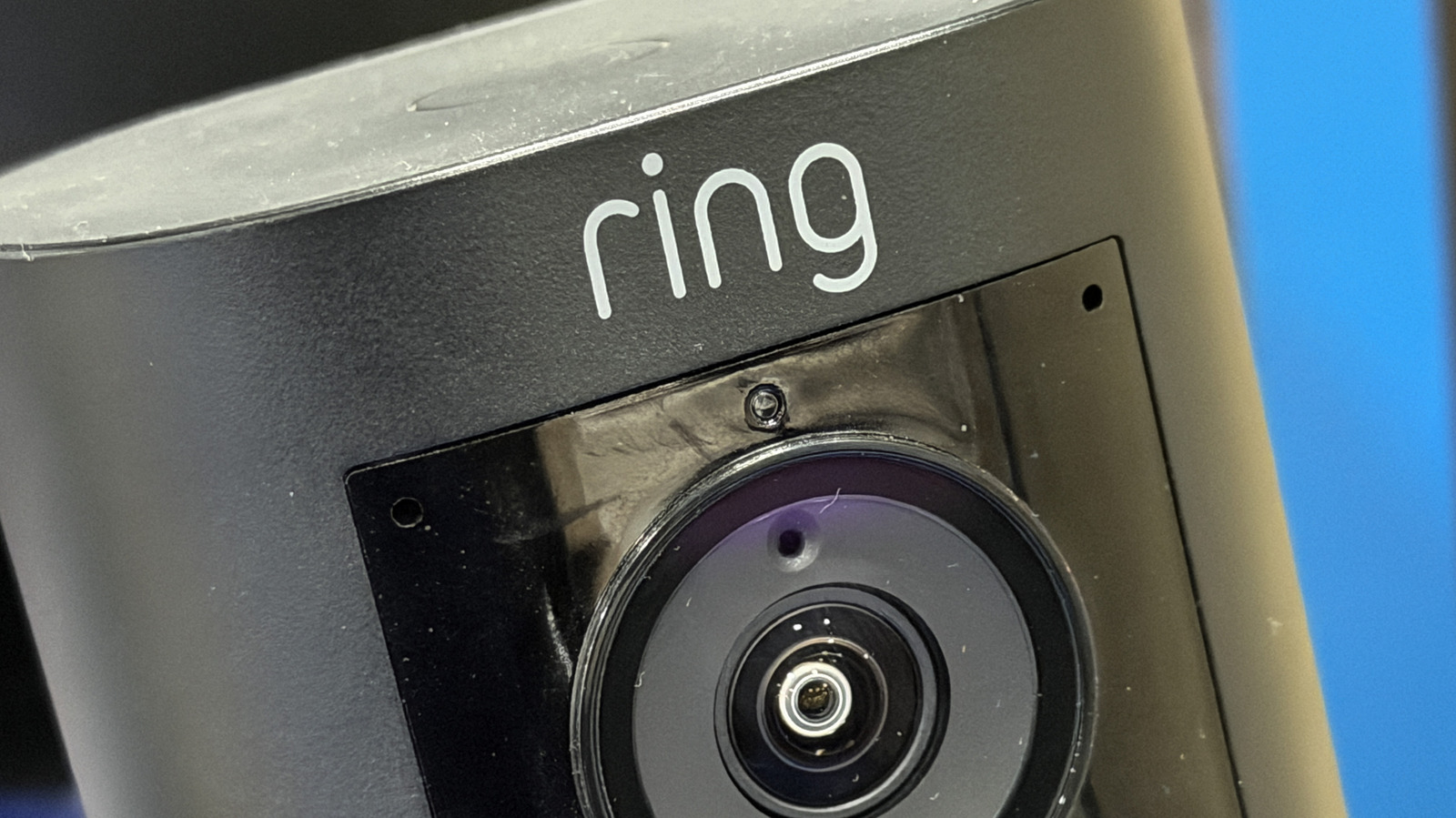
In an era where seemingly every hardware purchase comes bundled with a recurring subscription fee, the smart home market is no exception. Consumers have grown accustomed to the sinking feeling of discovering that fully utilizing a recently purchased gadget requires yet another monthly charge. Fitness trackers, smart bird feeders, and home security systems frequently lock their most robust capabilities behind paywalls. For owners of Amazon-owned Ring cameras and doorbells, subscription tiers—starting at $4.99 per month—offer cloud storage, advanced motion detection, and video history.
However, a lesser-discussed reality exists for budget-conscious consumers or those suffering from subscription fatigue: Ring cameras remain surprisingly functional and deeply useful even without paying a dime. Far from becoming expensive paperweights, subscription-free Ring devices still deliver foundational utility, acting as live-feed security monitors, two-way intercoms, and real-time communication tools.
Yet, as the hardware maintains its appeal for everyday tasks like monitoring pets, greeting delivery drivers, or keeping an eye on children from another room, the broader ecosystem faces unprecedented scrutiny. Over the past year, the Amazon-backed brand has navigated a turbulent public relations landscape. From lawsuits involving facial recognition technology and backlash over AI-assisted advertising to controversial law enforcement partnerships and subsequent policy rollbacks, Ring sits at the center of the modern debate over home security versus mass surveillance.
This article explores the core functionality of Ring cameras in a zero-subscription setup, evaluates their practical everyday applications, and investigates the mounting privacy challenges defining the brand’s trajectory.
Detailed Chronology: Ring’s Evolution, Surveillance Controversies, and Policy Shifts
To understand the current state of Ring hardware and its public perception, it is necessary to examine the timeline of events that have shaped the product line’s reputation over recent years.
The Rise of Smart Surveillance and Subscription Dependency
Since Amazon’s acquisition of Ring in 2018, the company aggressively scaled the smart doorbell concept from a niche gadget into a ubiquitous household fixture. As millions of units were installed across porches worldwide, Ring established a tiered subscription model—Ring Protect—which became essential for users wanting to save, review, and share recorded footage. Without it, users were limited to real-time interactions. While this monetization model became standard industry practice, it drew a clear line between casual users and those utilizing the ecosystem for rigorous, forensic home security.
2024–2025: The AI Push and Public Backlash
The tension between consumer convenience and privacy reached a boiling point with the introduction of AI-driven features. Last year marked the debut of "Familiar Faces," an AI-powered capability designed to recognize regular visitors, friends, and family members at the door. While framed as a convenience upgrade, the feature ignited privacy alarms regarding automated biometric tracking.
The controversy escalated following a high-profile Super Bowl commercial that showcased an AI-assisted "Search Party" feature. The advertisement pitched the tool as a community-driven way to locate lost pets using camera networks. While the sentiment of finding missing animals resonated positively with some, privacy advocates and civil liberties groups immediately raised red flags regarding the normalization of mass peer-to-peer surveillance infrastructure.
The Flock Safety Partnership and Rapid Retreat
Adding fuel to the fire, Ring entered into a strategic partnership with Flock Safety, a prominent automated license plate reading and surveillance provider. The arrangement initially permitted law enforcement agencies to request and streamline access to Ring camera footage through Flock’s network, bypassing traditional bureaucratic hurdles.
The public reaction was swift and critical. Following intense backlash—amplified by the anxieties stirred up by the pet-tracking Super Bowl commercial—Ring abruptly terminated its partnership with Flock Safety just days after the broadcast. The rapid reversal highlighted the tightrope walk tech giants must perform between offering high-tech security solutions and respecting consumer boundaries.
Legal Challenges and the "TAKE" Encryption Update
The regulatory and legal pressures didn’t stop at public relations blunders. Ring faced a major class-action lawsuit alleging that the company and its parent, Amazon, unlawfully collected facial recognition data from unsuspecting passersby who merely walked past Ring devices without giving informed consent.
In an effort to rebuild consumer trust and stanch the bleeding of public opinion, Ring rolled out a significant software overhaul centered on privacy. The update introduced TAKE (Throw Away the Key Encryption) standards. According to the company, the architecture utilizes unique, rotating encryption keys that ensure absolute user control over video data. Ring compares the system to physical house keys: only the property owner holds the key required to decrypt and view the stored footage.
Supporting Context & Metrics: Free-Tier Capabilities vs. Paid Subscriptions
For consumers trying to decide whether to maintain a subscription or let their Ring Protect plan lapse, a clear-eyed breakdown of features is essential.
What You Keep Without a Subscription (The Free Tier)
Live View: Owners can instantly pull up a real-time video and audio stream from any camera or doorbell via the mobile app, regardless of location.
Two-Way Talk: The built-in speaker and microphone remain fully operational, allowing users to converse with visitors, delivery drivers, or family members in real time.
Real-Time Motion Notifications: The system alerts users the moment motion is detected, prompting immediate live-feed access.
Basic App Integration: Integration with smart home dashboards (such as Amazon Alexa-enabled devices like Echo Show) permits instant viewing of live feeds via voice commands.
What You Lose Without a Subscription (Paid Tiers)
Cloud Video History: Footage captured during motion events is not saved. Without a subscription, if you miss a notification, the event is gone forever.
Video Sharing and Downloading: You cannot export clips to share with law enforcement, insurance companies, or social media platforms.
Advanced Motion Detection & Person Alerts: Custom motion zones and AI classifications that distinguish between people, animals, and vehicles require a paid plan on certain legacy models.
Practical Everyday Use Cases for the Free Tier
Despite the limitations on video history, millions of households successfully utilize Ring hardware entirely subscription-free.
Parents and Caregivers: Indoor Ring cameras serve as reliable baby monitors or check-in tools for older children returning home from school. Parents can quickly open the live feed to ensure children are safe without worrying about recurring monthly fees.
Pet Owners: Working professionals frequently install indoor Ring cameras to monitor pets during the day. The Two-Way Talk feature allows owners to check in, soothe anxious animals, or verbally redirect pets away from forbidden areas.
Package and Visitor Management: When expecting a delivery or a home maintenance technician, the live feed and intercom system allow homeowners to coordinate arrivals, provide delivery instructions, or communicate arrival times from anywhere in the world—eliminating the need to rush to the door.
Official Statements and Industry Perspectives
The dual nature of smart home security—balancing utility against surveillance anxieties—has prompted extensive commentary from industry analysts, privacy watchdogs, and corporate representatives.
Industry observers note that while hardware manufacturers rely on subscription models to maintain cloud infrastructure and fund ongoing software development, consumer pushback is forcing a re-evaluation of feature gating. "Companies are learning that holding basic safety features entirely hostage behind a paywall damages brand loyalty," notes a prominent smart home technology analyst. "At the same time, giving away too much for free strains the business model of continuous cloud storage."
Regarding the privacy and encryption updates, Ring representatives have consistently defended their security measures while acknowledging past missteps. In statements accompanying the rollout of the TAKE encryption standards, Ring emphasized that user autonomy is paramount:
"Our customers trust us with the security of their homes, and that trust must be earned every day. With advanced, rotating encryption keys, we are putting absolute control back into the hands of the homeowner. Only the owner holds the keys to their digital property."
Civil liberties organizations, however, remain cautious. While encryption updates protect data from external hackers and unauthorized corporate snooping, advocacy groups argue that the fundamental architecture of always-on, internet-connected cameras in public-facing residential areas continues to pose systemic challenges to community privacy.
Future Outlook: Where Smart Home Security is Headed
As the smart home landscape matures, the trajectory of brands like Ring will likely be defined by three critical pillars: transparent data governance, local storage alternatives, and AI refinement.
The Shift Toward Local Storage: Consumer fatigue over monthly fees and heightened awareness of cloud data vulnerabilities are driving demand for local storage solutions. Future iterations of smart cameras may lean harder into microSD card slots or local Network Attached Storage (NAS) integration, allowing users to retain video history without maintaining an ongoing subscription or trusting third-party cloud servers.
Balanced AI Integration: While AI features like facial recognition and automated search parties generated significant friction, artificial intelligence will remain a core battleground for security hardware. Manufacturers that learn to implement AI locally on the device (edge computing) rather than processing sensitive biometric data in the cloud will likely appease both tech enthusiasts and privacy advocates.
Regulatory Compliance: As governments worldwide tighten regulations on biometric data collection, automated surveillance, and law enforcement data-sharing partnerships, smart home companies will be forced to operate with heightened legal compliance. The rapid cancellation of the Flock Safety deal serves as a permanent reminder that public trust can evaporate overnight if surveillance footprints expand too aggressively.
Conclusion
Your Ring camera is far from useless without a monthly subscription. For everyday tasks—such as checking on pets, speaking with couriers, monitoring children, or greeting guests—the free tier provides robust, real-time utility that easily justifies the initial hardware investment.
However, owning and operating these devices now requires a more informed consumer mindset. As the industry grapples with privacy lawsuits, encryption upgrades, and the ethics of automated surveillance, users must weigh the immediate convenience of smart home technology against the broader implications of data ownership and digital privacy in the modern neighborhood.