Executive Overview
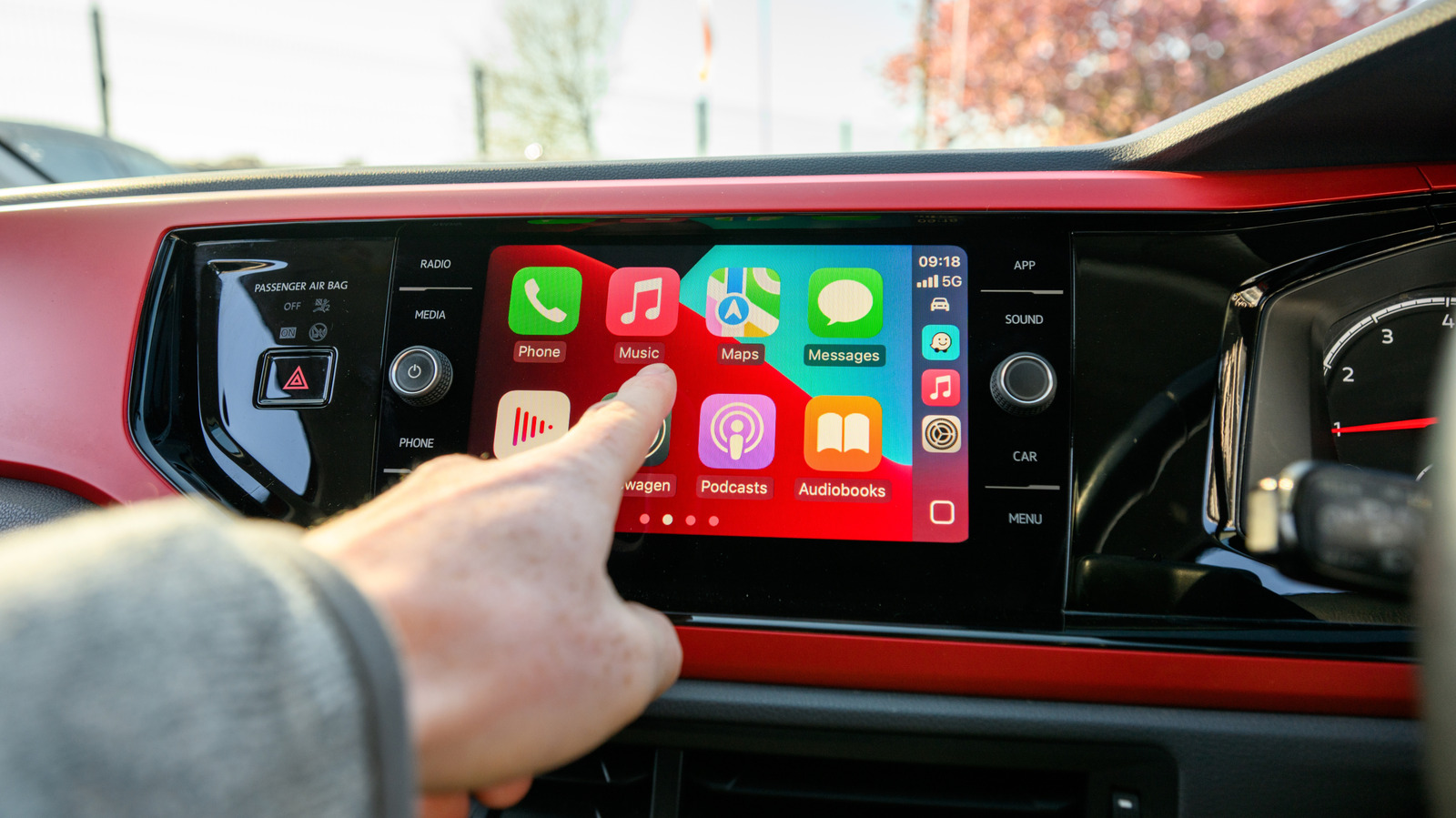
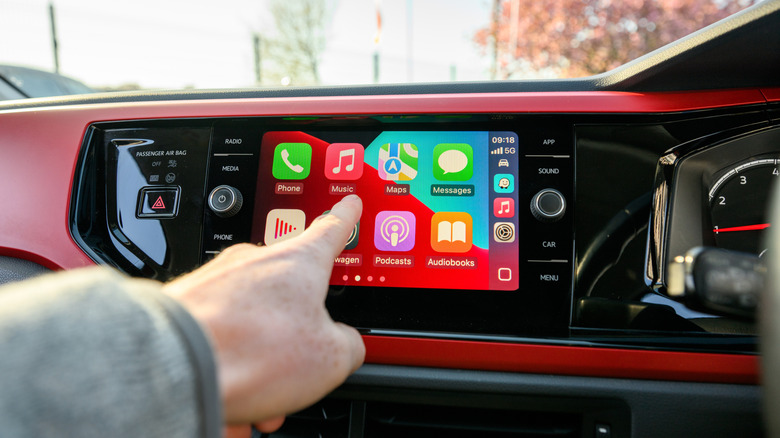
Apple’s rollout of iOS 27 has introduced a significant suite of enhancements across the entire Apple ecosystem, but some of the most anticipated updates are arriving on the dashboard. CarPlay, Apple’s ubiquitous in-car interface, receives a sweeping set of improvements designed to elevate the driver and passenger experience. From long-overdue media controls and navigation integrations to the integration of advanced machine learning via Siri AI, the updates aim to bridge the gap between consumer electronics and modern automotive software.
However, these innovations come with strict hardware boundaries. While the underlying operating system supports devices as far back as the iPhone 11, the most profound and transformative features—particularly those powered by Apple’s next-generation artificial intelligence—are walled off. They require the processing power found exclusively in Apple’s newest flagship hardware.
Furthermore, regional regulations, specifically within the European Union, mean that not all users will experience the complete feature set. This report offers a comprehensive examination of what is new in CarPlay under iOS 27, an analysis of the hardware constraints dictating feature availability, and an outlook on what these developments signal for the future of in-car infotainment.
Detailed Chronology: The Evolution of CarPlay Upgrades in iOS 27
The trajectory of CarPlay development has historically been steady, focusing on incremental stability fixes and app integration rather than sweeping interface redesigns. With the deployment of iOS 27, Apple has accelerated its software ambitions, introducing features that redefine how media, navigation, and voice interaction operate within a moving vehicle.
1. The Integration of Video Playback and Safety Parameters
One of the most surprising additions to the CarPlay suite is native support for video applications. Historically, Apple restricted CarPlay’s entertainment capabilities strictly to audio formats—spanning native services like Apple Music, Podcasts, and third-party options like Spotify. iOS 27 changes this by allowing visual content to be displayed on a vehicle’s dashboard screen.
Recognizing the severe safety hazards associated with driver distraction, Apple has engineered rigorous context-aware safeguards:
- Motion Detection: The system continuously monitors vehicle telemetry. When the car is in motion, video applications are entirely inaccessible for playback.
- Automatic Fail-safes: If a passenger is consuming video content while parked and the vehicle subsequently begins to move, playback automatically transitions to an audio-only feed without user intervention.
- Automotive Implementation: The availability of video apps like YouTube or Netflix is contingent on two factors: the iPhone running iOS 27 and the automobile manufacturer implementing the necessary display support within their proprietary infotainment software stack.
2. Enhanced Audio Controls and "Now Playing" Redesign
For years, users expressed frustration over the limitations of CarPlay’s media playback interface, particularly the absence of direct progress scrubbing. iOS 27 directly addresses this user feedback:
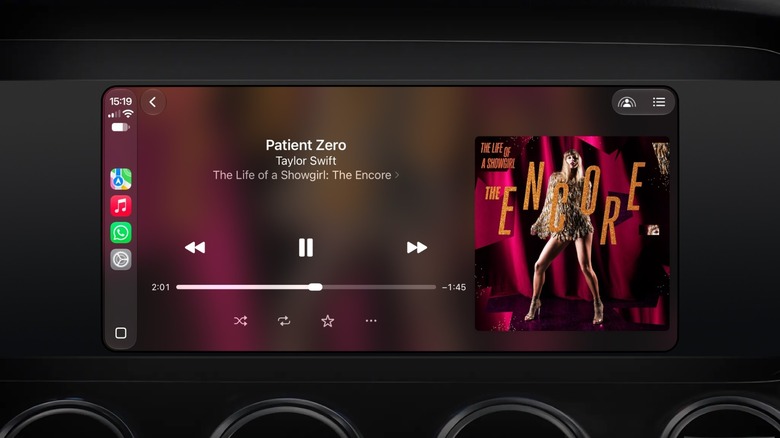
- The Progress Bar: The Now Playing screen has been upgraded to feature a functional, interactive progress bar. Users can finally fast-forward or rewind tracks, audiobooks, and podcasts directly from the dashboard without interacting with their smartphone.
- Persistent Mini-Player: A new persistent mini-player stays visible across different menus, offering quick access to controls alongside clear display of album artwork.
- Reliability Metrics: Apple has touted substantial under-the-hood performance updates, promising more resilient wireless connectivity and vastly improved GPS location reporting, which reduces instances of map lag or signal dropouts in dense urban environments.
3. Route Data Sharing and Electric Vehicle (EV) Optimizations
Navigation apps are no longer isolated entities within the CarPlay ecosystem. iOS 27 allows navigation services—such as Apple Maps and Google Maps—to continuously share granular route data directly with the host vehicle.
- EV Charging Coordination: For electric vehicle owners, this feature is transformative. The vehicle’s internal computer and the iPhone’s navigation software can now cross-reference arrival times, battery depletion rates, and station locations.
- Proactive Suggestions: Based on this shared data, the system can dynamically recommend optimal charging stops along a planned route, adjusting itineraries in real time as traffic or driving conditions shift.
Supporting Context & Metrics: Hardware Compatibility and Fragmentation
The introduction of advanced feature sets inevitably exacerbates software fragmentation. While the core iOS 27 update extends support to legacy devices like the iPhone 11, utilizing the complete feature set—especially AI-driven capabilities—requires a strict hardware baseline.
The Siri AI Divide
The integration of Siri AI into CarPlay represents a massive leap forward for natural language processing within vehicles. The upgraded assistant can utilize contextual awareness derived from a user’s personal data ecosystem—scanning emails, text messages, and calendars to field complex queries. For instance, a driver can ask Siri to provide directions to a restaurant recommended weeks prior in a separate text thread, or request specific routing preferences, such as avoiding toll roads, using colloquial phrasing.
However, these capabilities demand immense on-device neural processing power:
- Compatible Devices: Siri AI within CarPlay requires an iPhone equipped with specialized Neural Engine hardware capable of executing large language models locally or through private cloud compute. This restricts the feature to the iPhone 15 Pro, iPhone 16 series, and subsequent generations.
- Legacy Limitations: Owners of devices such as the iPhone 14 or older will receive incremental improvements—including the new Now Playing mini-player, progress bars, updated wallpapers, and routing data-sharing capabilities—but will be entirely locked out of the Siri AI experience.
The Regional Regulatory Landscape
Hardware limitations are not the only barrier to adoption. Regulatory environments play a decisive role in feature deployment. Due to stringent digital market and consumer protection regulations enacted within the European Union, Siri AI features are entirely disabled for EU residents, regardless of hardware ownership. European users will benefit from the visual, audio, and navigational improvements introduced in iOS 27, but the AI-powered contextual assistant will remain dormant unless regulatory frameworks evolve.
| Device Tier | iOS 27 Support | Basic CarPlay Upgrades (Mini-Player, Video, UI) | Siri AI Compatibility | EU Availability (Siri AI) |
|---|---|---|---|---|
| iPhone 11 to iPhone 14 Series | Yes | Yes | No | No |
| iPhone 15 Pro / iPhone 16+ | Yes | Yes | Yes (Outside EU) | No (Blocked by Regulation) |
Official Statements and Industry Insights
Tech analysts and automotive industry observers have noted that iOS 27 represents a critical transitional phase for Apple’s automotive strategy. While rumors of an independent Apple-branded vehicle ("Project Titan") have permanently ceased, the company’s software ambitions remain aggressive.
Industry insiders point out that upgrading CarPlay is Apple’s primary method of maintaining dominance in the vehicle cabin, especially as rival ecosystems like Google’s Android Automotive push for deep, native integration into vehicle hardware. By introducing video playback capabilities and AI-driven navigation tools, Apple is attempting to replicate the smartphone experience within the dashboard while walking a tightrope between consumer demand and vehicular safety.
Safety advocates have expressed cautious optimism regarding the implementation of video playback restrictions. Representatives from transportation safety coalitions emphasized that locking out video content while the vehicle is in motion is an absolute non-negotiable requirement, commending Apple’s automated fail-safe measures that revert streams to audio-only formats the moment a vehicle shifts out of "Park."
Future Outlook: What Lies Ahead for In-Car Computing
The release of iOS 27 establishes a new baseline for what drivers can expect from their infotainment systems, but it also highlights the growing divide between old and new consumer technology.
- Accelerated Hardware Upgrades: As AI-driven features become standard across consumer operating systems, the pressure on consumers to upgrade their mobile devices will extend directly to their driving habits. Features that rely on heavy local processing will inevitably alienate owners of older hardware, turning the smartphone into an essential bottleneck for automotive performance.
- Automotive Adoption Hurdles: The success of features like in-car video playback and advanced route-sharing will ultimately depend on automakers. Software updates must be pushed to vehicle head units to support these new iOS protocols. Given the historically slow update cycles of traditional automotive manufacturers, widespread adoption of these features may take several model years to materialize fully.
- Regulatory Clashes: The exclusion of Siri AI in the European Union underscores a broader trend of regulatory friction between Big Tech and global governance bodies. As artificial intelligence becomes deeply integrated into personal assistants, compliance with local privacy and competition laws will continue to dictate feature availability on a regional basis.
Ultimately, iOS 27 makes CarPlay more versatile, media-friendly, and intelligent than ever before—provided the user owns the right device, drives a compatible vehicle, and resides in the right regulatory jurisdiction.