Executive Overview
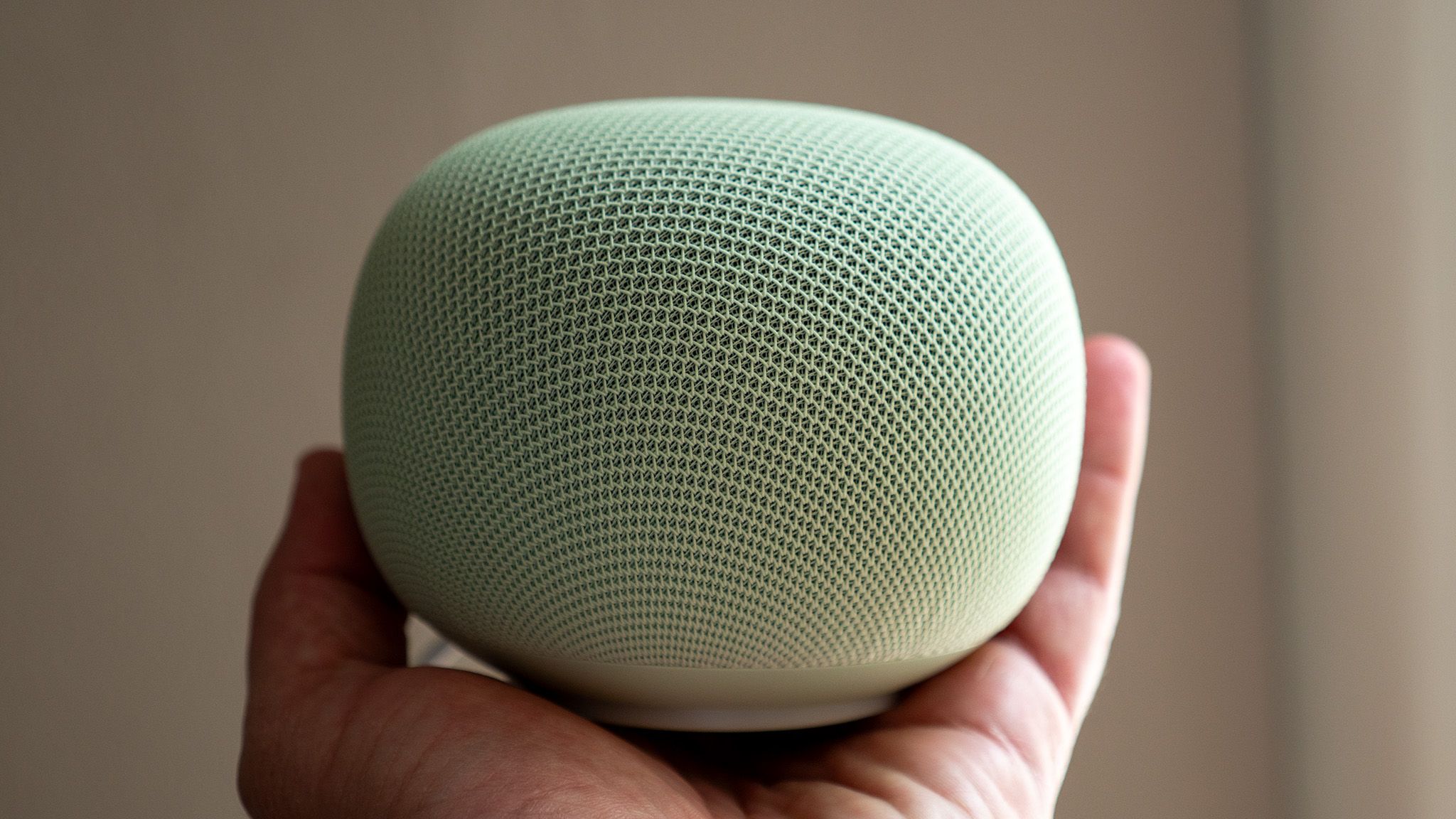
In an era where smart home devices are intended to be unobtrusive, "always-on" companions, a growing crisis of confidence has emerged among users of the new Google Home Speaker. Reports originating from community forums and social media platforms have highlighted a bizarre and concerning technical anomaly: the devices are consuming unprecedented amounts of data, with some households reporting usage in the magnitude of terabytes per month.
For the average consumer, a smart speaker—typically utilized for brief voice queries, weather updates, or music playback—should represent a negligible footprint on a monthly internet data cap. Instead, owners are reporting consumption figures that would typically be associated with high-definition video streaming or massive software deployments. As Google moves toward an AI-first ecosystem powered by Gemini, this data-gobbling bug underscores the volatility of integrating complex, cloud-heavy AI into hardware that is expected to operate silently in the background. While Google has confirmed that a fix is currently being deployed, the incident raises critical questions regarding quality control, software update loops, and the privacy implications of persistent, high-bandwidth background processes.
A Detailed Chronology of the Outage
The discovery of this "data hemorrhage" began when users on the r/googlehome subreddit started comparing notes on their monthly ISP usage reports. These reports showed massive, unexplained spikes in bandwidth consumption that correlated precisely with the presence of the new Google Home Speakers on their networks.
The narrative began with individual accounts of localized spikes. One user, managing a small ecosystem of one older Google Mini and three newer Google Home Speakers, reported an alarming 140GB of data consumption in a single 24-hour period. Given that these devices were reportedly only active for approximately 20 minutes per day, the usage defied logical explanation.
As the thread gained traction, the situation scaled significantly. The same user later reported that their three speakers had collectively consumed 6TB of data in under a month—a figure that, for many residential internet plans, would trigger overage fees or throttling. Another user noted that their individual speaker had downloaded 20GB in a single day.
Technical analysis from the community quickly pointed toward a potential "boot loop" or "update loop" failure. One user identified that their speaker appeared to be trapped in a perpetual cycle of attempting to download a firmware update, failing the installation, and immediately re-initiating the download process. This failure-to-install loop effectively turned the devices into high-speed data vacuums, sucking down gigabytes of data as they repeatedly attempted to self-correct.
Supporting Context: The Technical Toll
To understand the severity of this issue, one must consider the infrastructure of a modern smart home. Most users operate under data caps imposed by their internet service providers (ISPs), often ranging from 1TB to 1.5TB per month. When a single household device consumes 6TB, it doesn’t just cause a minor inconvenience; it can lead to massive financial penalties or total service suspension for the user.
Interestingly, the issue appears to be siloed. Users owning the Nest Audio have reported no such anomalies, suggesting the bug is specific to the hardware architecture or the specific firmware build currently pushed to the new Google Home Speaker line.
This is not the first time the new hardware has faced scrutiny. Earlier this summer, users reported debilitating latency issues. After an initial "snappy" launch period, the speakers began to struggle with basic requests, with simple commands like "Hello" requiring up to 30 seconds of processing time before providing a response. This previous failure was linked to a botched attempt by Google to optimize Gemini integration, which resulted in a massive latency penalty. The current data-drain issue appears to be a different, albeit related, symptom of the complexities involved in maintaining a fleet of cloud-connected, AI-driven devices.
Official Statements and Corporate Response
Google has acknowledged the reports and confirmed that the high data consumption is indeed an active issue affecting the Home Speaker product line. In a brief statement provided to the tech press, the company noted that a fix is already in the process of rolling out to impacted devices.
However, the company has remained relatively tight-lipped regarding the specific root cause of the firmware loop. Tech analysts suggest that the "fail-loop" identified by users is likely the result of a signature mismatch in the update package. When a device is instructed to update, it checks the integrity of the downloaded file. If the check fails, the device is programmed to discard the file and try again. If the server-side file is corrupted or incompatible with the specific hardware revision, the device will repeat this cycle indefinitely, never successfully verifying the installation.
While a "fix is rolling out" is the standard industry response, it leaves affected users in a precarious position. If the speaker is already in a state of high bandwidth consumption, how does it receive the update without further draining the user’s data? It is expected that Google will need to push a silent patch that overrides the current loop, potentially by forcing a hard reset or redirecting the device to a different update server.
The "Gemini" Factor: AI in the Living Room
The Google Home Speaker serves as the vanguard for the company’s "Gemini for Home" initiative. Unlike traditional smart speakers that relied on simpler natural language processing, Gemini is designed to be a multimodal, generative AI capable of complex reasoning and long-context understanding.
This shift comes at a cost. The hardware must be significantly more communicative with the cloud to process these advanced queries. When the integration is smooth, it offers a revolutionary user experience; when it falters, it creates a "black box" of technical debt. The current data crisis highlights the tension between the push for rapid AI deployment and the stability of the underlying IoT (Internet of Things) infrastructure.
For Google, the stakes are high. The home is the final frontier for AI, and trust is the primary currency. When a device—intended to be a helpful assistant—becomes a source of frustration, financial strain, and mystery, the "smart home" value proposition begins to erode.
Future Outlook: What Comes Next?
As we look ahead, this incident serves as a critical case study for the entire smart home industry. It highlights several key areas that require improvement:
- Transparency in Diagnostics: Users need a way to see exactly what their devices are doing. If a speaker is downloading 140GB, the Google Home app should notify the user that an update is stuck, rather than allowing it to burn through the user’s data cap unnoticed.
- Fail-Safe Mechanisms: Hardware must have built-in safeguards to pause update cycles after a set number of failed attempts. A device should never be allowed to "brute force" a firmware update to the detriment of the user’s network stability.
- Stability Over Velocity: The push for "snappier" AI features cannot come at the expense of core functionality. The latency issues of this past summer, followed by the data-drain issues of this autumn, suggest that the software release cycle for these speakers is currently too aggressive.
For now, users experiencing high data usage are advised to monitor their router logs. If they suspect their speaker is the culprit, they may need to temporarily disconnect the device or assign it to a "guest" network with a bandwidth limit until the OTA (over-the-air) patch reaches their specific unit.
As Google continues to refine the Gemini experience, the company must prioritize the "hygiene" of its smart devices. A smart speaker is only as good as the infrastructure that supports it. If Google can successfully resolve this issue and implement more robust update logic, it will likely move past this incident. However, if these types of errors continue to occur, the company risks alienating the very user base it needs to win over in the race for AI dominance.
The promise of the new Google Home Speaker was a seamless, intelligent home assistant. For now, however, the reality for many is a cautionary tale about the perils of an always-connected, cloud-dependent future. The industry will be watching closely to see how effectively Google manages the rollout of this fix and whether it can restore the balance of trust with its consumers.