Executive Overview
In the high-stakes arena of premium smartphone manufacturing, the "Ultra" moniker has become synonymous with the absolute pinnacle of technological capability. For companies like Xiaomi, these devices serve as halo products—showcases of engineering prowess designed to push the boundaries of what a handheld device can achieve. However, recent industry chatter and credible reports from supply chain insiders suggest that the highly anticipated Xiaomi 18 Ultra, a device that promised to redefine mobile photography, has been unceremoniously scrubbed from the company’s current product roadmap.
The decision, which appears to be a calculated strategic pivot rather than a failure of R&D, underscores a growing trend in the smartphone sector: the prioritization of market viability and price-point stability over "spec-sheet supremacy." As Xiaomi looks to balance the massive costs of R&D with the volatile purchasing power of the global consumer, the cancellation of the 18 Ultra serves as a fascinating case study in modern corporate decision-making.
Detailed Chronology: From Concept to Cutting Room Floor
The narrative surrounding the Xiaomi 18 Ultra began shortly after the launch of the 17 series. As the 17 Ultra solidified its reputation as a powerhouse, enthusiasts naturally turned their attention toward the 18 series. While the 18 Pro and 18 Pro Max launched to significant commercial success and critical acclaim, a conspicuous silence persisted regarding an "Ultra" variant.
Recent revelations from prominent industry tipster Abhishek Yadav, corroborated by information from Digital Chat Station (DCS), have finally shed light on the void. According to these reports, the 18 Ultra was not merely a rumor—it was a fully developed concept that reached advanced stages of prototyping before being shelved.
The primary catalyst for this cancellation appears to be the aggressive pricing structure required to maintain profitability. Industry estimates placed the retail cost of the device at approximately 9,999 RMB (roughly $1,499 USD). At such a premium, the device would have occupied a precarious position in the market, likely facing stiff competition from established luxury segments and potentially cannibalizing sales from the already popular 18 Pro Max. Faced with the prospect of a high-cost device with uncertain mass-market appeal, Xiaomi executives reportedly made the difficult decision to cancel the project, opting instead to focus on the continued dominance of the 18 Pro lineup.
The Hardware That Might Have Been: A Spec-Sheet Titan
Had the Xiaomi 18 Ultra reached store shelves, it would have been arguably the most ambitious camera-centric smartphone ever conceived. The leaks, centered around the design philosophy of "total resolution," painted a picture of a device that leaned heavily into 200MP sensor technology.
The Triple-200MP Architecture
The hallmark of the proposed 18 Ultra was its camera array. Unlike contemporary flagships that utilize a mix of sensors, the 18 Ultra reportedly intended to deploy a triple 200MP configuration:
- Primary Sensor: A massive 1/1.12-inch LOFIC sensor. This would have provided unparalleled dynamic range and light-gathering capabilities, leveraging Lossless Flexible Code (LOFIC) technology to handle extreme highlights that often plague smaller mobile sensors.
- Ultra-Wide Lens: A 200MP 1/1.56-inch ultra-wide sensor. This would have been a industry-first, effectively eliminating the common quality drop-off seen when switching from a primary lens to an ultra-wide, ensuring that even wide-angle landscape shots maintained the same level of detail as standard captures.
- Periscope Telephoto: A 200MP optical zoom periscope lens. This was designed to revolutionize mobile telephotography, allowing for significant digital cropping without a loss in clarity, effectively creating a "zoom lens" that functioned with the resolution of a primary sensor.
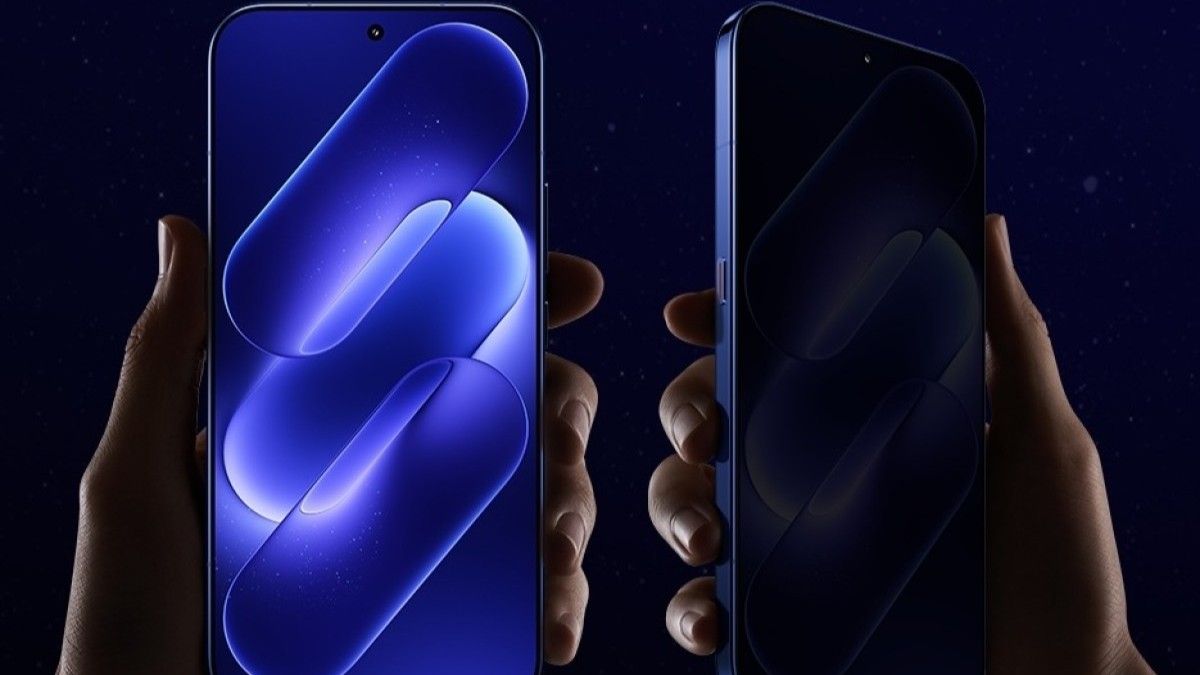
Beyond the optics, the device was rumored to feature an ultra-sleek, flat display design with bezels measuring a mere 1mm. This aesthetic choice would have signaled a departure from the curved-edge trend, offering a more robust and professional appearance that appealed to power users.
Supporting Context & Metrics: The 18 Pro Success Story
To understand why the 18 Ultra was considered redundant, one must look at the immense success of the current 18 Pro and 18 Pro Max models. These devices have effectively absorbed the "enthusiast" market share.
The 18 Pro and Pro Max Performance
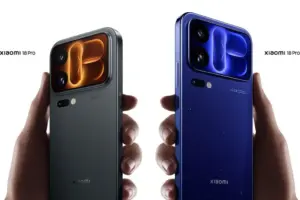
The Xiaomi 18 Pro and Pro Max have been lauded for their integration of rear-facing secondary displays—a feature that Xiaomi has doubled down on despite market skepticism. This dual-screen utility, combined with high-performance imaging, has created a loyal user base that finds little reason to upgrade to an "Ultra" tier device.
The current hardware configuration in these models is already formidable:
- The 18 Pro Max: Houses a 200MP main lens and a 200MP periscope telephoto sensor.
- The 18 Pro: Mirrors the Pro Max’s primary imaging capabilities but swaps the periscope for a high-fidelity 50MP ultra-wide sensor.
By successfully deploying these high-resolution sensors across the Pro series, Xiaomi has managed to satisfy the needs of professional photographers and tech enthusiasts alike, rendering the potential $1,500 Ultra redundant in the eyes of many. The market metrics suggest that consumers prefer the current "Pro" value proposition, which offers 90% of the "Ultra" experience at a significantly more accessible price point.
Official Statements and Internal Logic
While Xiaomi has not issued a formal press release explaining the cancellation of a product that was never officially announced, the industry consensus—and the insights provided by analysts like Abhishek Yadav—point to a shift in internal corporate strategy.
The logic is sound: When a company invests millions in R&D, they must ensure a high Return on Investment (ROI). The 18 Ultra, with its complex 200MP triple-sensor array, would have required significant supply chain strain and high manufacturing overhead. If the projected sales volume did not justify the manufacturing cost, the cancellation is a sign of financial discipline.
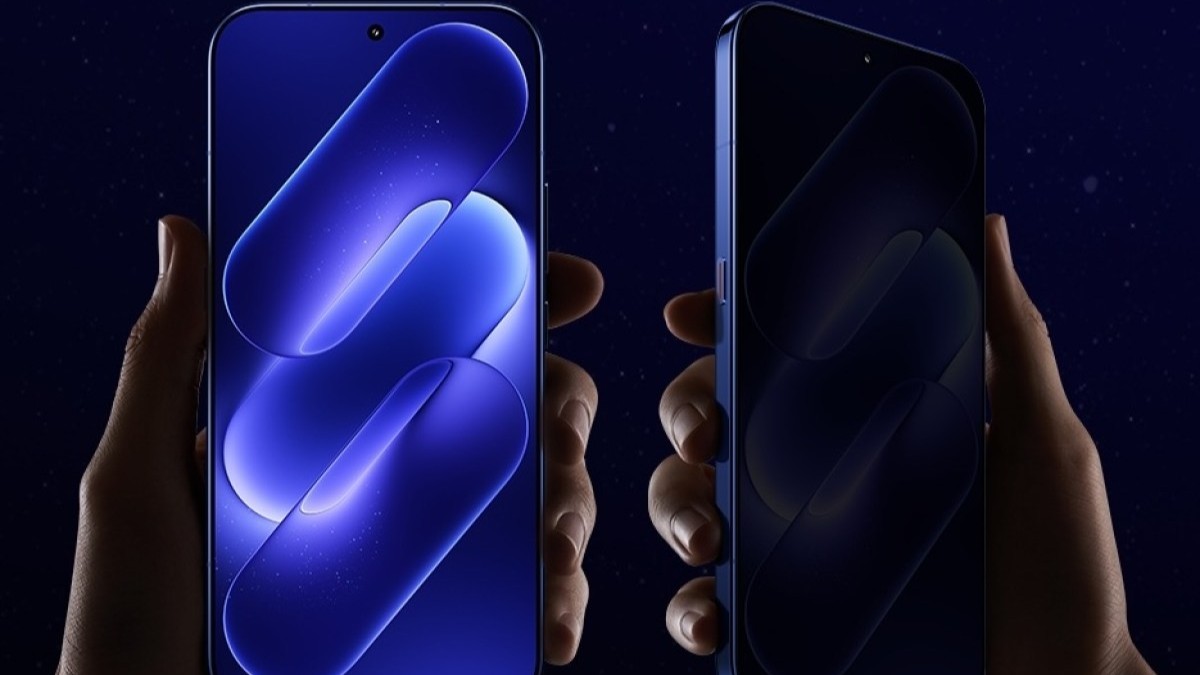
Furthermore, Xiaomi’s focus has recently shifted toward software optimization and the refinement of their ecosystem. The company is currently prioritizing the integration of AI-driven image processing over simply throwing more hardware at the problem. By streamlining the 18-series lineup, they are able to concentrate their software engineering talent on maximizing the potential of the existing 200MP sensors in the Pro and Pro Max, rather than spreading resources thin for a niche flagship.
Future Outlook: Looking Toward the 19 Series
The story of the Xiaomi 18 Ultra is not one of defeat, but of recalibration. Industry insiders suggest that the technologies developed for the 18 Ultra—particularly the LOFIC sensor integration and the high-resolution ultra-wide sensor—are not being discarded. Instead, they are being refined for the upcoming 19 series.
If the trajectory of the 17 and 18 series is any indication, the Xiaomi 19 Ultra will likely benefit from the "lessons learned" during the development of its predecessor. By waiting for sensor production costs to stabilize and for manufacturing processes to become more efficient, Xiaomi is positioning itself to deliver an "Ultra" device that is not only technologically superior but also market-viable.
As we look toward the next generation, the focus will likely remain on refining the periscope zoom—a feature that has consistently outshined the competition—and further integrating the rear-display technology that has become a staple of the brand’s identity.
Conclusion
The cancellation of the Xiaomi 18 Ultra serves as a poignant reminder of the volatility of the smartphone industry. While enthusiasts will undoubtedly mourn the loss of a device that promised to push the limits of mobile imaging, the decision reflects a mature approach to product development. By prioritizing the success of the 18 Pro and Pro Max and waiting for the right moment to introduce "Ultra" level hardware, Xiaomi is ensuring that when the next flagship arrives, it will be a product of refinement rather than a risky experiment. The future of the Xiaomi lineup remains bright, and if the rumors of a 19-series revival are true, the best of Xiaomi’s innovation may still be on the horizon.