Executive Overview
The burgeoning smart ring market, once a niche corner of the wearable technology sector, has transformed into a high-stakes battlefield. At the center of this conflict are two industry titans: Oura, the established incumbent that pioneered the form factor, and Ultrahuman, the aggressive, fast-growing challenger from India.
The latest development in this ongoing saga involves a fresh lawsuit filed by Oura against Ultrahuman, alleging that the latter’s flagship device, the Ring Pro, infringes upon critical intellectual property regarding both design and internal component architecture. With Oura seeking significant monetary damages and an injunction that could threaten Ultrahuman’s tenuous foothold in the U.S. market, the outcome of this legal clash promises to reshape the competitive landscape for health-tracking wearables. This report examines the technical, legal, and strategic dimensions of the dispute, contextualizing the broader implications for the "bio-intelligence" wearable industry.
Detailed Chronology of the Legal Conflict
The animosity between Oura and Ultrahuman did not materialize in a vacuum. It is the culmination of years of iterative product development and strategic posturing.
The 2025 Catalyst
The rivalry reached a boiling point in 2025 when Ultrahuman launched an offensive of its own, filing a lawsuit against Oura. At the time, Ultrahuman alleged that Oura’s then-newly released Ring 4 was a direct imitation of its own proprietary smart ring technology. Ultrahuman’s claims were specific, targeting features like advanced sleep tracking, circadian rhythm analysis, and women’s health monitoring. Ultrahuman asserted that it had "pioneered" these features, framing the lawsuit as a defense of its innovation and a stand for open health data.
The ITC Ruling and the Pivot
Following the 2025 International Trade Commission (ITC) ruling, which favored Oura and placed significant pressure on Ultrahuman’s supply chain and distribution capabilities, the latter was forced to navigate a difficult import environment. This period saw Ultrahuman effectively squeezed out of the United States, a critical market for any wearable manufacturer.
The October 2026 Escalation
The most recent legal volley occurred on October 22, 2026. Just two days prior, on October 20, Oura was granted U.S. Patent 12,769,363, which covers specific internal components, including curved battery technology, specialized circuit board layouts, magnetic configurations, and sensor arrays. Oura wasted no time, filing its suit against Ultrahuman immediately after the patent was issued. Oura’s legal team contends that Ultrahuman’s Ring Pro, intended to be the company’s "ticket back" into the U.S. market, continues to infringe on these core architectural patents despite previous rulings against the company.
Supporting Context: Architecture and Innovation
To understand why these companies are litigating over components as granular as "curved batteries," one must look at the extreme technical challenges of miniaturizing health-tracking technology.
The Physics of the Smart Ring
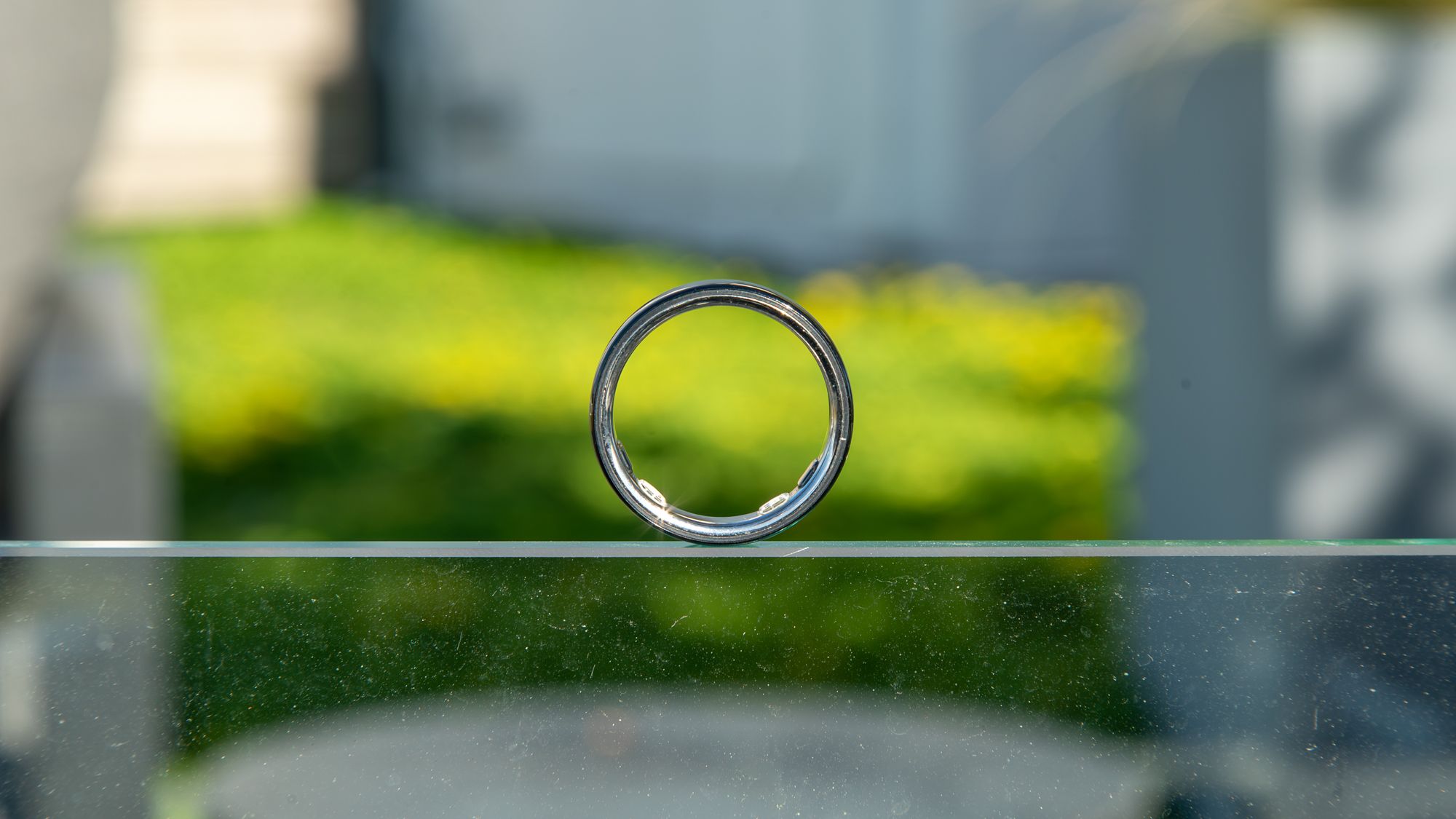
A smart ring must pack an array of sensors—PPG (photoplethysmography) sensors for heart rate, SPO2 sensors for blood oxygen, temperature sensors, and accelerometers—into a chassis that is both aesthetically pleasing and durable enough to withstand daily wear.
Oura’s patent (12,769,363) addresses the "internal stacking" of these components. In a ring, space is at a premium. A curved battery is not merely a convenience; it is a structural necessity to maximize capacity while maintaining the ring’s circular integrity. Oura claims that Ultrahuman’s implementation of its internal hardware is not an independent innovation but a derivative design that relies on the specific, patented engineering solutions Oura developed.
Philosophical Differences in Business Models
Beyond the hardware, the two companies are fundamentally divided on how to monetize health data.
- Oura: Operates on a subscription-heavy model. Users pay for the hardware, but the "intelligence" of the device—the deep, actionable insights and historical data trends—is locked behind a recurring monthly fee.
- Ultrahuman: Positions itself as a champion of "open health data." By offering its features without a paywall via its "PowerPlugs" system, Ultrahuman aims to capture the segment of the market that is weary of "subscription fatigue."
This difference is not merely a marketing tactic; it is central to their legal identities. Ultrahuman has explicitly stated that its goal is to be a "defender of Indian innovation on the global stage," suggesting that its struggle against Oura is, in its view, a David vs. Goliath narrative.
Official Statements and Corporate Stance
The public discourse between the two companies has been remarkably candid for a legal dispute.
Oura’s Position
An Oura spokesperson provided a clear, uncompromising statement to TechCrunch: "Ultrahuman has a history of copying Oura’s innovations, as demonstrated by the 2025 ITC ruling against the company. Ultrahuman introduced a redesigned ring but failed to address continued infringement of Oura’s patents."
Oura’s strategy is clear: discredit the competitor by framing their recent product cycle as a series of copycat efforts, thereby undermining the credibility of the Ring Pro in the eyes of investors and consumers alike.

Ultrahuman’s Counter-Defense
Mohit Kumar, co-founder and CEO of Ultrahuman, remains defiant. In his response to the recent lawsuit, Kumar highlighted the timing of Oura’s patent acquisition: "Oura has now chosen to assert different patents, including one that was issued just two days before this lawsuit was filed."
Kumar’s statement suggests a "patent troll" narrative—arguing that Oura is using the legal system to stifle competition rather than protecting genuine, long-standing intellectual property. Crucially, Kumar confirmed that despite the filing, there are currently no court-ordered injunctions preventing the sale of the Ring Pro in the U.S., allowing Ultrahuman to continue its operations for the time being.
Future Outlook: What’s at Stake?
The trajectory of this lawsuit will have lasting consequences for the wearable tech industry.
The Impact on Consumers
For the consumer, this litigation introduces uncertainty. If Oura successfully secures an injunction against the sale of the Ring Pro, users who have already purchased the device may face issues regarding software support, cloud synchronization, or hardware warranty fulfillment. Furthermore, a total victory for Oura would effectively re-establish a near-monopoly in the smart ring space, potentially stifling the price competition that has recently begun to benefit users.
The Evolution of "Bio-Intelligence"
Despite the legal turmoil, Ultrahuman has continued to push the boundaries of what these devices can do. Their recent integration with HealthEx allows users to upload clinical-grade medical records directly into their app, allowing for a comparative analysis between "lifestyle" data and "clinical" data. Additionally, the recent rollout of the "Heart Scan" feature—which promises a heart health snapshot in just sixty seconds—indicates that Ultrahuman is shifting the focus from simple activity tracking to proactive clinical health monitoring.
The Long-Term Legal Landscape
As we look toward 2027 and beyond, the legal battle is unlikely to conclude quickly. Patent litigation in the technology sector often drags on for years, burning through millions of dollars in legal fees. For Oura, the objective is to protect its market share and its recurring revenue model. For Ultrahuman, the goal is to survive long enough to establish a "loyal user base" that is immune to the legal maneuvering of its larger, more established rival.
Ultimately, the "Silicon Ring War" is a microcosm of the broader struggle in the wearable space: the battle between proprietary, closed-loop ecosystems and the push for open, interoperable health data. Regardless of who wins in court, the pace of innovation has been accelerated by this rivalry, pushing both companies to roll out new features, sensors, and software integrations at an unprecedented speed. For now, the Ring Pro remains on the shelves, and the courtroom doors remain open.