The evolution of financial technology has fundamentally altered how humanity interacts with capital. While traditional leather bifold and trifold wallets still occupy back pockets around the globe, they are increasingly sharing space—or being replaced entirely—by sophisticated software programs designed to hold everything from fiat currency and loyalty points to digital driver’s licenses, transit passes, and cryptographic assets.
Digital wallets have transitioned from novel conveniences to foundational pillars of modern commerce. However, treating all digital wallets as identical tools is a critical misunderstanding of a complex financial ecosystem. Much like physical storage systems, digital wallets vary wildly in their utility, security architectures, geographic prevalence, and underlying technologies.
Understanding the nuances of these financial applications requires breaking them down into four primary categories: closed wallets, semi-closed wallets, open wallets, and crypto wallets. Each serves a distinct economic function, offers unique risk profiles, and caters to specific user behaviors. Whether a consumer is pre-loading funds onto a merchant-specific app for a morning latte, deploying an open wallet secured by biometric verification for a contactless grocery checkout, or managing decentralized private keys for cryptocurrency investments, the digital wallet has become the quintessential interface of 21st-century finance.
Detailed Chronology: The Evolution of the Digital Wallet
To understand how modern digital wallets operate, it is essential to trace their technological lineage. The transition from physical paper currency to abstract, software-based value did not happen overnight; it is the result of decades of incremental advancements in telecommunications, cryptography, mobile computing, and hardware security.
Phase 1: The Genesis of E-Commerce and Closed Loops (Late 1990s – Early 2000s)
The earliest iterations of digital payment mechanisms were born out of the dot-com boom. Companies recognized that requiring consumers to input their 16-digit credit card numbers manually for every online transaction was a friction point that limited conversion rates.
1998: The founding of Confinity (which later became PayPal) marked a massive shift, allowing users to store financial credentials securely behind a digital username and password.
Concurrently, forward-thinking merchants realized they could retain customer loyalty by creating proprietary digital accounts. This birthed the closed wallet ecosystem. Early closed-loop systems allowed users to store funds exclusively within a single merchant’s environment, establishing the foundation for digital prepaid balances and rewards programs.
Phase 2: The Mobile Boom and Semi-Closed Expansion (2010s)
As smartphones permeated global markets, the utility of digital wallets expanded beyond desktop browsers. However, adoption varied drastically by region based on existing banking infrastructure.
In developing economies—particularly across Southeast Asia, South Asia, and parts of Africa—traditional banking penetration was low, but mobile phone adoption was soaring. This sparked the rapid ascent of semi-closed wallets like Paytm in India, GCash in the Philippines, and GrabPay across Southeast Asia. These platforms bridged the gap, allowing users to interact with a vast network of pre-approved third-party merchants, utility providers, and peer-to-peer (P2P) networks without needing a traditional bank account.
Meanwhile, cryptocurrency made its debut with the publication of the Bitcoin whitepaper in 2008. The subsequent decade saw the development of specialized software and hardware crypto wallets designed to manage cryptographic keys, separating digital fiat management from decentralized blockchain assets.
Phase 3: Hardware Integration, Biometrics, and Open Ecosystems (Present Day)
Today, digital wallets have evolved into deeply integrated operating system components.
Major tech conglomerates—most notably Apple with Apple Wallet, Google with Google Wallet, and Samsung with Samsung Wallet—introduced open wallets that leverage near-field communication (NFC) chips, secure enclaves, and advanced biometric authentication (Face ID, fingerprint recognition).
These modern open wallets have graduated from simple credit card repositories to comprehensive digital identity hubs, capable of housing boarding passes, event tickets, hotel room keys, and state-issued driver’s licenses or passports, effectively realizing the promise of a truly paperless, cardless personal carriage.
Breaking Down Each Type of Wallet
To effectively utilize digital wallets, consumers must understand the distinct operational boundaries and use cases associated with each category.
1. Closed Wallets: The Ecosystem Keepers
Closed wallets are the most restrictive yet ubiquitous form of digital payment storage. Controlled entirely by a single corporate entity or merchant, these wallets require users to deposit funds directly into a proprietary account that can only be redeemed within that specific brand’s ecosystem.
How They Work: A user links a traditional bank account or credit card to load funds into the merchant’s application. Once the funds are digitized within that closed loop, they cannot be transferred back to a bank account easily, nor can they be used to purchase goods from a competing retailer.
Real-World Examples: Regular consumers interact with closed wallets almost daily. The Starbucks mobile app is a textbook example, where millions of users maintain cash balances to earn rewards and expedite ordering. Other prominent examples include Uber Cash, Amazon Pay, Walmart Pay, and Target Wallet.
Pros and Cons: While closed wallets often unlock exclusive rewards, faster checkout times, and streamlined budgeting for specific brands, they tie up capital in restricted environments where it cannot earn interest or be deployed flexibly.
2. Semi-Closed Wallets: The Regional Powerhouses
Sitting firmly between closed-loop merchant systems and open-loop banking networks, semi-closed wallets are economic powerhouses, particularly in regions with developing financial infrastructures.
How They Work: These wallets allow users to store funds and make purchases across a curated, pre-approved network of merchants, online retailers, utility providers, and transport services. Unlike open wallets, they do not universally accept transactions at any point-of-sale terminal globally, but their network is expansive enough to function as a primary daily spending tool.
Global Prevalence: In Western markets, semi-closed apps are less common, but they dominate daily life elsewhere. India’s Paytm enables millions to pay street vendors and utility bills alike. In the Philippines, GCash serves as a vital financial lifeline for remittances, online shopping, and bill payments. Throughout Southeast Asia, GrabPay integrates seamlessly into ride-hailing and food delivery services.
Pros and Cons: Semi-closed wallets promote financial inclusion for unbanked populations and streamline diverse digital services into a single app. However, their utility is strictly bound by geographic and partnership limitations.
3. Open Wallets: The Digital Equivalents of Physical Pocketbooks
Open wallets represent the pinnacle of mainstream digital wallet technology. These are comprehensive software platforms that replicate—and expand upon—the contents of a physical leather wallet.
How They Work: Open wallets integrate directly with banking institutions, credit card networks, and municipal databases. Using device hardware like NFC chips, they enable contactless "tap-to-pay" transactions at millions of terminals worldwide. Furthermore, they utilize advanced encryption to securely store digital representations of physical items.
Key Ecosystems: Smartphone owners are intimately familiar with Apple Wallet, Google Wallet, and Samsung Wallet. Independent financial platforms like PayPal and Venmo also offer robust open wallet functionalities, facilitating online checkouts and peer-to-peer money transfers.
Identity and Security Integration: Beyond money, open wallets are becoming official government identity repositories. Jurisdictions globally are expanding digital ID integration, allowing citizens to store driver’s licenses and passports securely on their devices. Security is enforced via strict biometric checkpoints—such as facial recognition and biometric fingerprint scans—rendering stolen devices practically useless to unauthorized users attempting fraudulent transactions.
4. Crypto Wallets: Managing Decentralized Assets
Operating on an entirely different architectural paradigm, cryptocurrency wallets do not store physical or fiat currency; instead, they manage the cryptographic keys required to interact with decentralized blockchain networks like Bitcoin, Ethereum, and Solana.
Within the crypto landscape, security and accessibility are balanced through two primary formats:
Hot Wallets: These are software-based wallets connected to the internet, typically accessed via mobile apps, desktop extensions, or web browsers.
Advantages: They offer lightning-fast transaction speeds, making them ideal for active trading, swapping tokens, and interacting with decentralized finance (DeFi) applications.
Disadvantages: Because they maintain a persistent connection to the internet, they are inherently vulnerable to remote cyberattacks, phishing schemes, and malware.
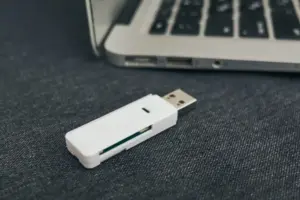
Cold Wallets: Often referred to as hardware wallets, these are physical devices (resembling USB drives or smart cards) that store a user’s private keys entirely offline, completely isolated from internet vulnerabilities.
Advantages: Unmatched security against online theft. Funds cannot be accessed unless the physical device is plugged into a trusted computer and authorized by the user.
Disadvantages: They sacrifice immediate convenience. Executing a trade requires physically connecting the device and manually approving the transaction.
Supporting Context & Metrics: Adoption Trends and Economic Impact
The migration from physical cash and plastic cards to digital wallets is not merely a lifestyle trend; it is a massive macroeconomic shift reshaping global retail, banking, and technology sectors.
Global Adoption Metrics
Market Penetration: According to recent financial technology market analyses, digital wallets account for over 50% of global e-commerce payment transaction volume, making them the dominant online payment method worldwide.
Point-of-Sale (POS) Dominance: At physical retail locations, mobile wallet usage (via Apple Pay, Google Pay, and localized equivalents) continues to outpace traditional physical card swipes and chip insertions, particularly among millennial and Gen Z demographics.
Financial Inclusion: In developing markets, semi-closed and open mobile wallets have driven unprecedented financial inclusion. Millions of individuals who previously lacked access to brick-and-mortar banking institutions now participate fully in the digital economy, securing loans, receiving wages, and paying bills entirely via mobile applications.
The Security Trade-Off
While digital wallets offer robust convenience, they introduce unique threat vectors. Cybersecurity experts emphasize that while biometric locks (Face ID, fingerprints) make phone theft far less lucrative for criminals than physical wallet theft, a compromised device or a successful phishing attack can grant bad actors access to multiple linked financial accounts simultaneously.
Furthermore, the Golden Rule of digital wallets remains a frequent source of user error: always ensure your device battery is sufficiently charged before venturing out without backup cash or physical cards. Relying entirely on a smartphone for transit, identification, and retail purchases leaves vulnerable travelers stranded in the event of a dead battery or network outage.
Official Statements and Industry Insights
Financial regulators, cybersecurity experts, and technology executives have increasingly weighed in on the trajectory of digital wallet adoption.
"The digital wallet is no longer just a digital wrapper for a credit card; it is becoming the foundational identity layer for the internet and physical commerce alike. As we integrate state IDs, transit passes, and health records into these secure enclaves, the smartphone truly replaces the leather pocketbook."
— Lead Fintech Analyst, Global Technology Research Firm
Banking regulators have also highlighted the importance of robust cybersecurity standards as open wallets absorb increasingly sensitive personal and financial data.
"As consumers transition their entire financial and personal identities into software environments, the responsibility of the platform provider to safeguard that data through hardware-level encryption and biometric authentication is paramount. Convenience must never outpace security."
— Spokesperson, International Digital Security Coalition
Cryptocurrency developers echo similar sentiments regarding asset custody, emphasizing that user education remains the ultimate defense against digital loss in the Web3 space.
"The fundamental ethos of crypto is self-sovereignty, but with sovereignty comes responsibility. Whether choosing the instant accessibility of a hot wallet or the fortress-like security of a cold storage device, users must understand the mechanics of key management to truly protect their digital wealth."
— Chief Technology Officer, Decentralized Finance Protocol
Future Outlook: What Lies Ahead for Digital Wallets?
As artificial intelligence, advanced biometrics, and decentralized ledger technologies continue to mature, the next generation of digital wallets will likely transcend current limitations.
AI-Driven Personal Finance Integration: Future digital wallets will not merely store funds; they will actively manage them. Artificial intelligence assistants embedded within open wallets will analyze spending habits, automatically allocate savings, optimize credit card rewards in real-time, and flag anomalous fraudulent activity before transactions are authorized.
Universal Digital Identity (DID): Governments and tech giants are moving toward standardized digital identity frameworks. In the near future, open wallets will serve as universally accepted credentials for cross-border travel, age verification, medical record access, and voting systems, entirely eliminating the need for physical paper documents.
The Convergence of Fiat and Crypto: As central bank digital currencies (CBDCs) emerge alongside mainstream cryptocurrency adoption, boundaries between traditional open wallets and crypto wallets will increasingly blur. Consumers may soon manage traditional fiat currencies, tokenized real-world assets (RWAs), and decentralized cryptocurrencies within a single, unified interface.
Ultimately, while the form factor of our wallets has shifted from stitched leather and stamped metal to lines of secure code stored in silicon chips, the core purpose remains unchanged: to facilitate human exchange safely, efficiently, and reliably. As the ecosystem continues to expand, mastering the differences between closed, semi-closed, open, and crypto wallets will remain an essential skill for navigating the modern financial landscape.