Executive Overview: A New Era of Intelligent Hardware
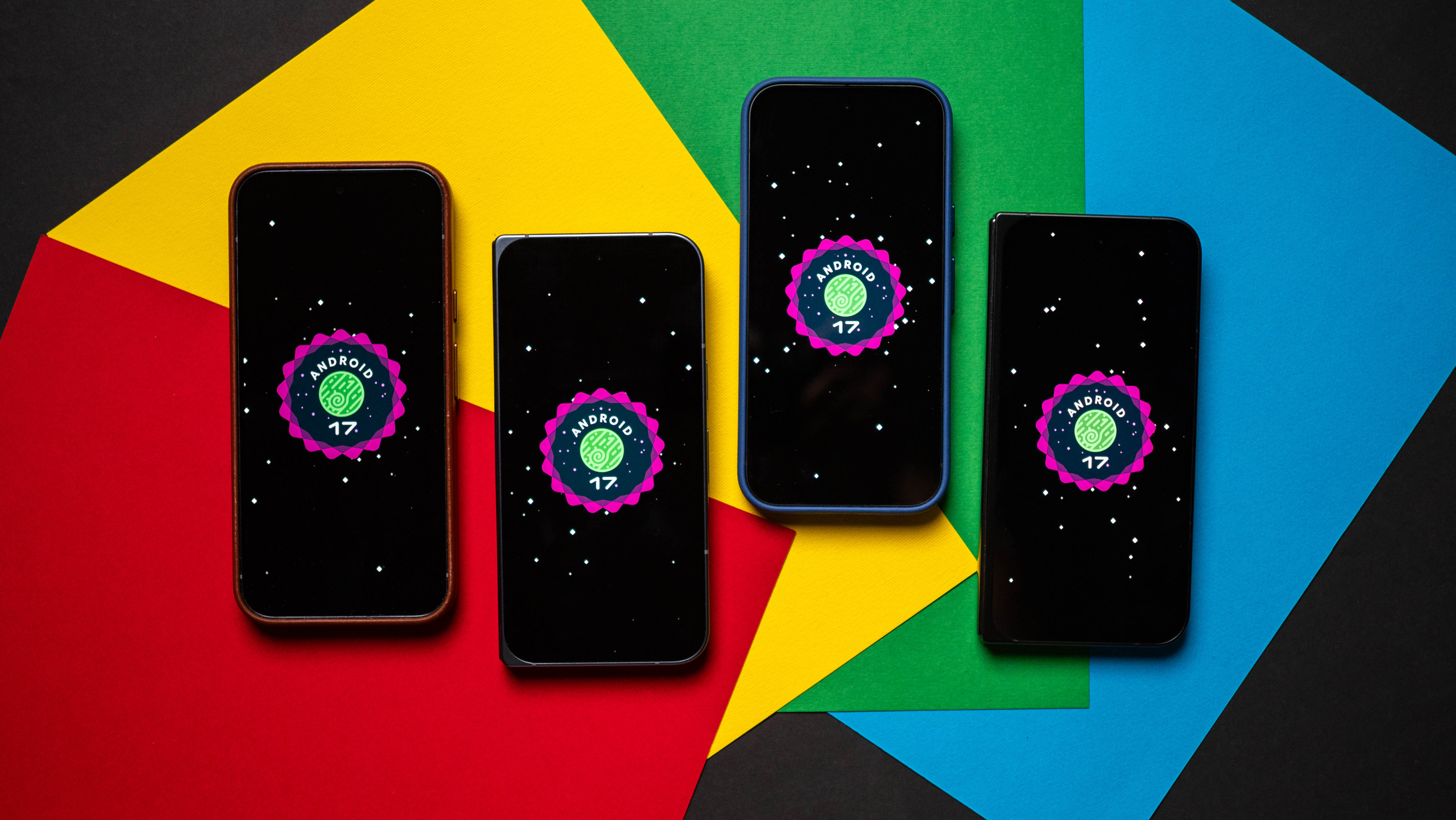
Google has officially commenced the rollout of its November Pixel Drop, a significant software deployment that serves as more than just a routine update. By bridging the feature gap between the current flagship Pixel 11 series and the preceding Pixel 10 devices, Google is signaling a long-term commitment to its "Intelligence-First" hardware philosophy.
This update introduces high-level Gemini integrations, advanced home screen customization through generative AI, and a unified search experience that spans across the entire OS. For users, the message is clear: Google is no longer simply shipping hardware; it is deploying a living, evolving software layer designed to anticipate user needs before they are articulated. As these features propagate through the global user base, the distinction between "old" and "new" flagships continues to blur, solidifying the Pixel ecosystem as a premium, long-term investment.
Detailed Chronology: Unpacking the November Update
The November Pixel Drop began its staged rollout on November 10, following a predictable but highly anticipated cadence. Historically, these drops have served as the primary vehicle for Google to deliver "feature parity" across its product lines, and this month’s iteration is arguably the most comprehensive to date.
The Gemini Integration and the "Rambler" Feature
The centerpiece of this update is the deeper integration of Gemini Intelligence into the Pixel 10 series. Previously restricted to the Pixel 11, the "Rambler" feature is now making its way to older hardware. Rambler acts as a sophisticated task-management layer that allows Gemini to parse multi-step workflows.
For instance, the device can now perform contextual analysis of active applications. If a user is navigating via Google Maps and receives a text inquiry regarding their estimated time of arrival (ETA), the Pixel’s AI intercepts the context, suggests a reply based on the real-time location data, and can trigger the action without the user ever leaving the navigation screen. This represents a significant shift from reactive AI to proactive assistance.
Create My Widget: The Generative Home Screen
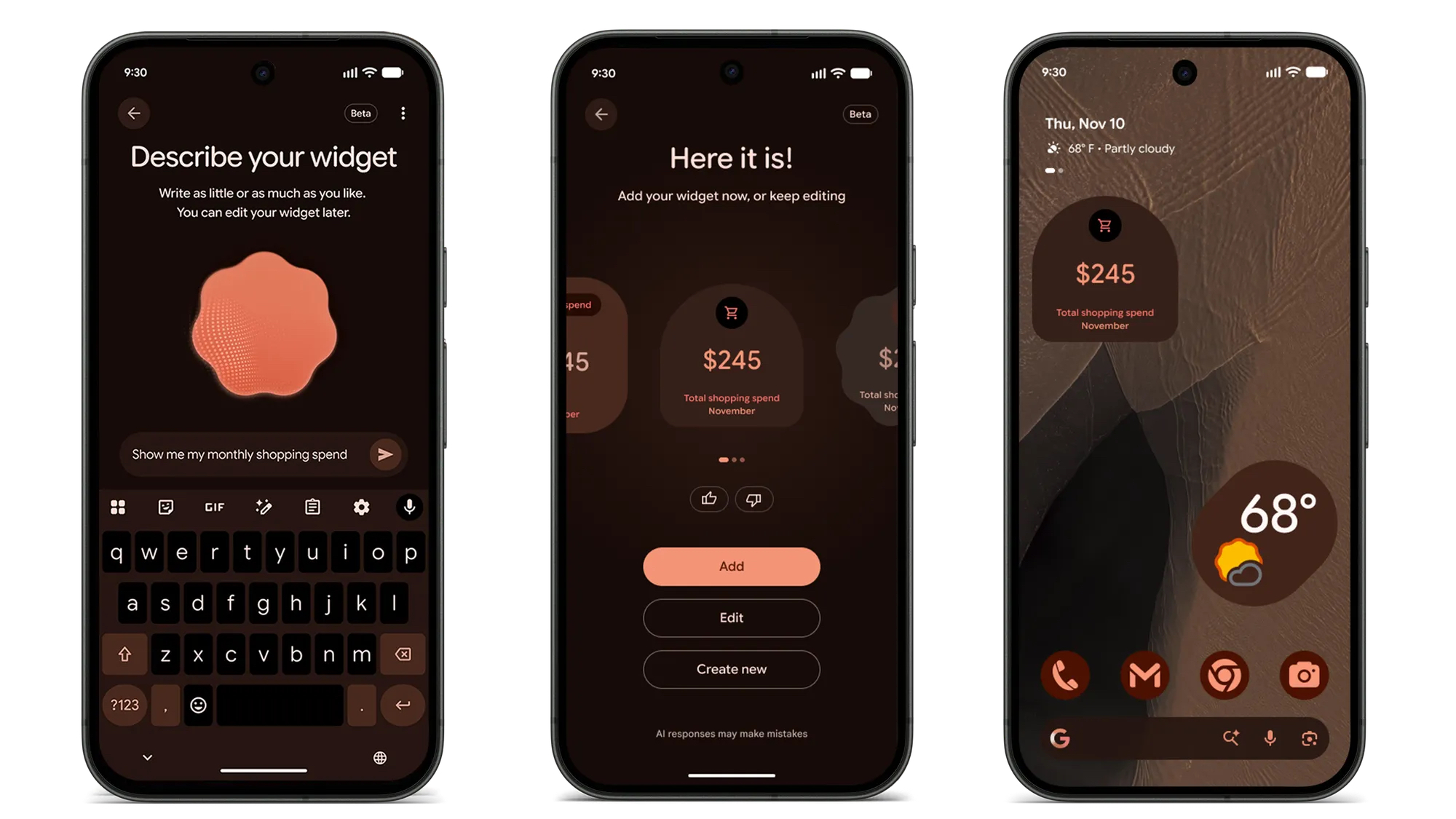
Perhaps the most consumer-facing change is "Create My Widget." Utilizing natural language processing, users can now bypass the constraints of static, developer-defined widgets. By inputting a simple prompt—such as "Create a widget that shows my upcoming calendar events and suggests a nearby coffee shop based on my current route"—the Pixel’s backend generates a bespoke interface element. This feature is currently available on both the Pixel 10 and 11 series, though curiously, the budget-friendly Pixel 10a has been omitted from this particular rollout.
Aesthetic Refinement: Nano Banana AI
Google has also introduced ten new custom icon styles. Unlike traditional icon packs, these utilize the proprietary "Nano Banana" AI model. This model analyzes the user’s wallpaper and color palette to generate app icons that are not only uniform in shape but also chromatically harmonious with the rest of the UI. It is a subtle but potent play for users who value a cohesive, designer-grade aesthetic.
Supporting Context & Metrics: Where the Pixel Stands
To understand the significance of this update, one must look at the competitive landscape. With the smartphone market reaching a plateau in terms of raw hardware specifications, manufacturers are pivoting toward "AI-as-a-Service."
The Search Evolution
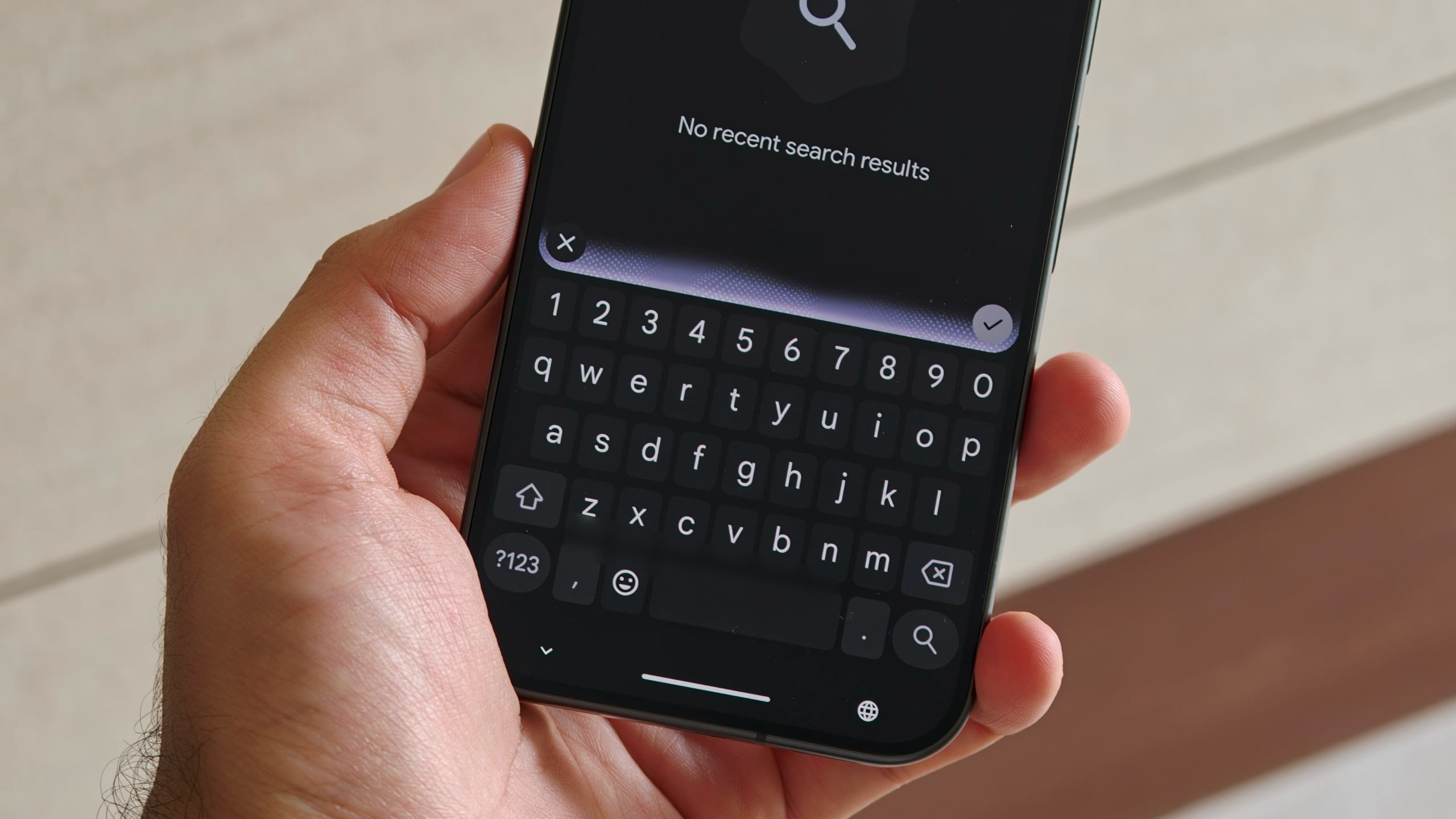
Google is expanding its universal search experience to the Pixel 6 series and newer. This allows users to perform a single query that crawls through local files, messages, photos, emails, and even specific device settings. This move directly addresses the "fragmentation of data" problem, where information is trapped in siloed apps. By standardizing this search capability, Google is effectively turning the Pixel phone into a centralized indexer of the user’s digital life.
The Pixel Tag and the Ecosystem Play
Simultaneously, the availability of the Pixel Tag—priced at $29.99 for one or $99.99 for a four-pack—underscores Google’s ambition to control the "Find" market. By leveraging the ultra-wideband (UWB) precision tracking and the upgraded Find Hub network, Google is positioning its tracker as a more secure, privacy-focused alternative to incumbents like AirTag or Tile.
The following table summarizes the distribution of key features across the recent device generations:
| Feature | Pixel 6 – 9 | Pixel 10 | Pixel 11 |
|---|---|---|---|
| Gemini Integration | Limited | Yes (New) | Yes |
| Rambler Tasking | No | Yes (New) | Yes |
| Create My Widget | No | Yes (New) | Yes |
| Call Screen (Gemini) | No | No | Yes |
| Universal Search | Yes (New) | Yes | Yes |
Official Statements and Technical Nuances
In its official documentation, Google emphasized that the November Drop is focused on "human-centric productivity." A spokesperson noted, "The goal of the Pixel Drop is to ensure that your device feels like it was released today, even if it has been in your pocket for eighteen months."
However, the update is not without its limitations. The "Call Screen with Gemini" feature remains exclusive to the Pixel 11. This AI-powered assistant, capable of engaging in fluid, natural-sounding conversations with unknown callers while providing a real-time transcript to the user, is likely gated by the newer Tensor processing architecture found in the latest flagships. Similarly, the "HiLight" notification feature—which allows the phone to emit a visual light pulse upon receiving messages—is restricted to the Pixel 11 Pro, likely due to hardware-specific LED array requirements.
Third-party integration remains a notable friction point. While HiLight is a polished addition, it currently only supports Google Messages. The absence of support for industry titans like WhatsApp, Telegram, or Signal is a glaring omission that limits the utility of the feature for a large segment of the international user base.
Future Outlook: What Lies Beyond the November Drop
As we look toward the next year of Pixel development, several trends are emerging from these software drops.
- AI Model Distillation: Google is clearly becoming more efficient at "distilling" its large-scale AI models (like Gemini) to run on older silicon. This suggests that the "shelf life" of a Pixel phone is increasing, as core software features are no longer tied strictly to the newest chipsets.
- Predictive UI: The "Create My Widget" and "Rambler" features are just the beginning of a UI that anticipates user needs. We expect future updates to include more autonomous "Agent" capabilities, where the phone completes transactions or complex scheduling without requiring manual input.
- Hardware-Software Convergence: With the rollout of the Pixel Tag and the refinement of the Find Hub network, Google is creating a closed-loop ecosystem. The next phase will likely see deeper integration between these peripherals and the core OS, potentially allowing the phone to act as a hub for smart home, vehicle, and health-tracking data in a more unified fashion than ever before.
Conclusion: The User Impact
The November Pixel Drop serves as a reminder that in the modern smartphone era, the hardware is merely the chassis for the software experience. While Pixel 11 owners receive the latest in call-screening technology, Pixel 10 owners have received a massive, value-adding update that arguably extends the relevance of their device by another year.
As the rollout continues over the coming weeks, users should ensure their devices are updated to the latest security patch levels to trigger the server-side activations. While the lack of third-party messaging support and the omission of the 10a from certain AI features are points of critique, the overall trajectory of the Pixel line remains firmly aimed at cementing its status as the most intelligent, adaptable smartphone experience on the market.