Executive Overview
In a significant update to its ecosystem security and personal item management, Google has officially begun rolling out a long-awaited feature for its Android Find Hub network: "Notify when left behind." This functionality, which has been a staple of Apple’s Find My ecosystem for several years, marks a major maturation point for Google’s tracking capabilities. By providing real-time alerts when a user moves a certain distance away from a tagged item, Google is effectively bridging the parity gap between Android and its competitors. For millions of Android users who rely on Bluetooth trackers to secure their wallets, keys, and luggage, this update transforms the Find Hub from a reactive "search-and-rescue" tool into a proactive, preventative security measure.
Detailed Chronology: The Evolution of Find Hub
The trajectory of Google’s location tracking services has been one of rapid iteration. Last year, Google overhauled its legacy "Find My Device" infrastructure to launch the modern Find Hub—a unified interface designed to consolidate the management of smartphones, tablets, wearables, and third-party Bluetooth trackers into a single, cohesive dashboard.
The launch of the Find Hub was not merely a cosmetic redesign; it was a fundamental shift in how Google handles device discovery, leveraging a massive, crowd-sourced network of Android devices to pinpoint locations even when the item is offline. However, early adopters of the platform quickly noted a glaring omission: while the system could help you locate an item you had already lost, it could not warn you that you were in the process of losing it.
As the market for third-party trackers expanded—with the introduction of devices like the Motorola Moto Tag and the latest offerings from Chipolo—the demand for proximity alerts grew louder. Industry analysts and community forums alike pointed to the "left behind" notification as the most critical missing link. On November 5, 2026, reports began surfacing that Google had finally initiated a server-side rollout of this feature, marking the end of a multi-year development cycle aimed at bringing parity to the Android tracking experience.
Understanding the "Notify When Left Behind" Mechanism
At its core, the "Notify when left behind" feature utilizes the advanced Bluetooth Low Energy (BLE) proximity sensing integrated into modern Android hardware. When enabled, the Find Hub app establishes a virtual "tether" between the user’s smartphone and the tagged item.
How It Works
The system operates on a geo-fencing and proximity logic. When the connection strength between the user’s phone and the tracker drops below a specific threshold—indicating that the user has moved away from the item—the Find Hub triggers a notification on the phone. This serves as an immediate, actionable alert, allowing the user to turn back before the item is truly lost or stolen.
Implementation and User Configuration
To activate this feature, users must navigate to the Find Hub application. The process is streamlined to prioritize ease of use:
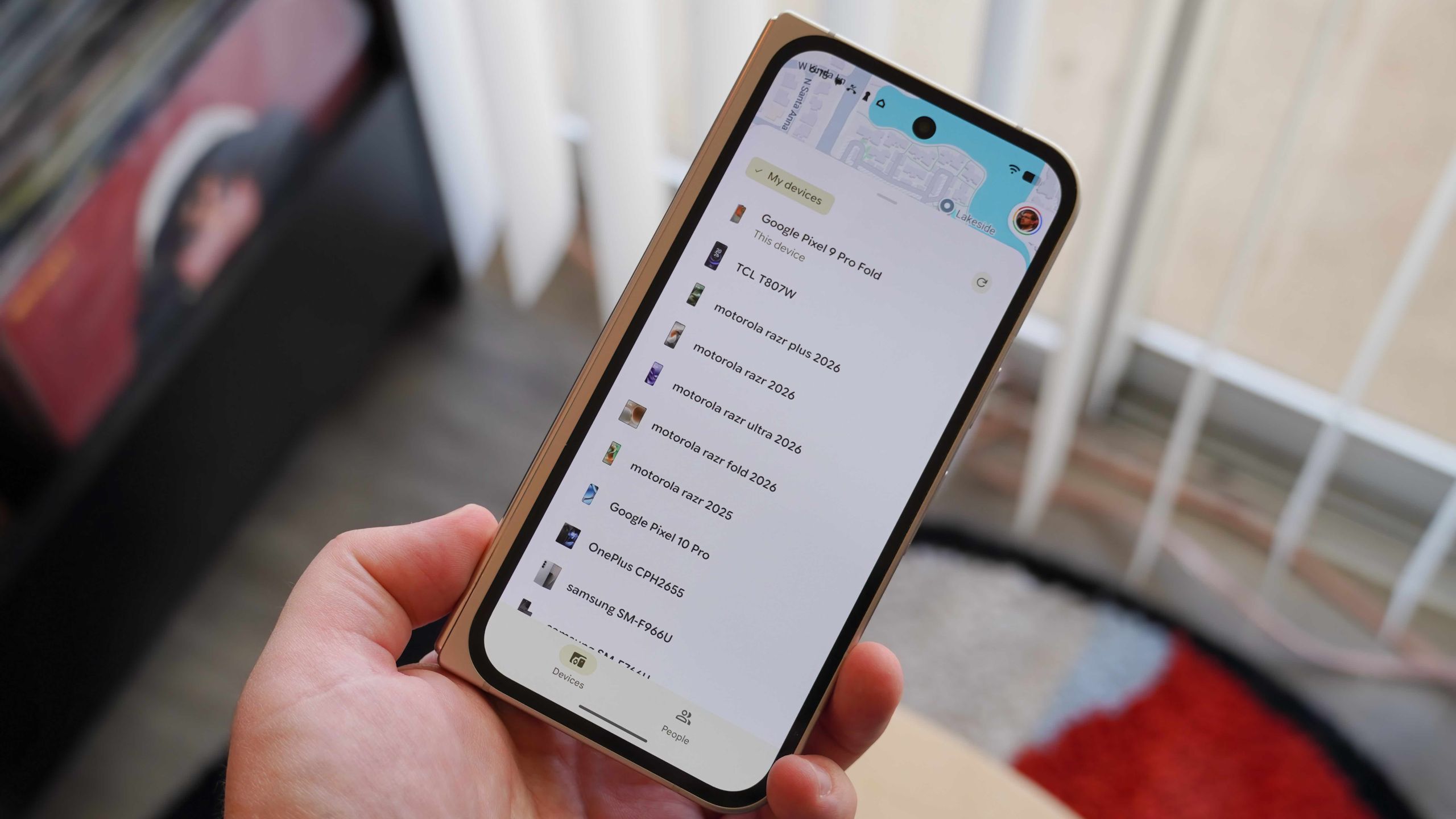
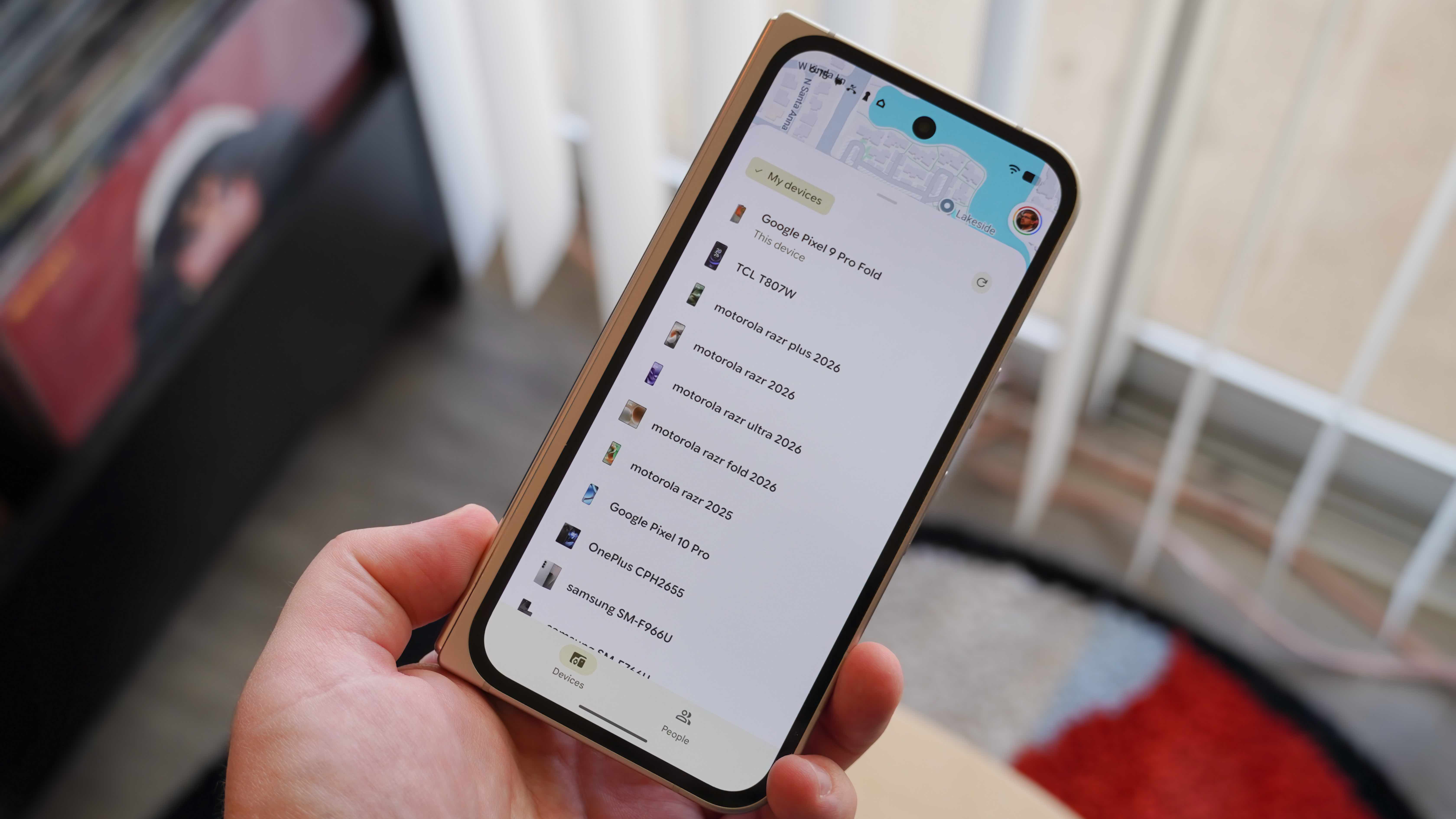
- Accessing the Tracker: Open the Find Hub app and identify the specific Bluetooth tracker from your device list.
- Settings Access: Select the device to open its dedicated settings menu.
- Activation: Toggle the "Notify when left behind" option to the "On" position.
Once enabled, the system requires no further manual input. It works silently in the background, consuming minimal battery due to the efficiency of modern Bluetooth standards, ensuring that users do not have to sacrifice device longevity for peace of mind.
Supporting Context: Why This Update Matters
The necessity for such a feature is underscored by the shifting nature of personal security in a mobile-first world. Data consistently shows that "misplacement anxiety" is a significant pain point for consumers. Whether it is a passport at an airport or a laptop bag in a coffee shop, the cost of losing everyday items is not just financial; it is a significant productivity and emotional burden.
The Competitive Landscape
For years, Apple has set the industry standard with its Find My network, which includes proactive alerts for AirTags and other Find My-certified devices. By implementing this feature, Google is effectively neutralizing one of the primary reasons users cited for remaining within the Apple ecosystem. This shift is critical as Android seeks to provide a seamless, integrated experience that competes directly with the high-end utility of the iPhone.
Hardware Synergy
The update is particularly timely given the recent influx of trackers compatible with the Android ecosystem. With the Moto Tag and Chipolo trackers hitting the market, the hardware ecosystem is now robust enough to support advanced software features. Google’s decision to enable this feature across these trackers suggests that the company is aiming for a hardware-agnostic approach, provided the device adheres to the Find Hub’s security and connectivity protocols.
Official Perspectives and Industry Impact
While Google has maintained a measured approach to the rollout, the tech community has hailed this as a vital quality-of-life improvement. Industry observers note that the success of the Find Hub depends not just on the network’s ability to find items, but on its ability to provide comprehensive, preventative security.
"The introduction of proactive alerts is a clear signal that Google is listening to user feedback," says one lead analyst in the mobile security sector. "It isn’t just about catching up to Apple; it’s about providing a safety net that is consistent with the expectations of modern, mobile-heavy consumers."
Furthermore, privacy advocates have been monitoring the rollout to ensure that these tracking features remain secure. Google has emphasized that the Find Hub network is built with end-to-end encryption, ensuring that location data is only accessible to the user and their authorized family members or contacts, maintaining the high standard of security that has defined the platform’s recent iterations.
Future Outlook: Beyond Bluetooth Trackers
As of the current rollout, the "Notify when left behind" feature is primarily restricted to dedicated Bluetooth trackers. However, the architecture of the Find Hub suggests that this is merely the first phase of a broader implementation strategy.
Expanding the Ecosystem
Technological experts anticipate that Google will eventually expand this feature to other device categories, most notably high-end wireless earbuds and tablets. Imagine a scenario where a user leaves their premium noise-canceling headphones on a train; an immediate notification on their phone could prevent such incidents entirely.
The Path Forward
Looking ahead, we can expect Google to continue refining the sensitivity of these alerts to minimize "false positives"—a common issue in early iterations of proximity-based alerts. Future software updates will likely allow for "Home" or "Work" zones, where the system intelligently disables alerts for specific items when the user is in a known, safe environment.
The integration of these features is a testament to Google’s commitment to making the Android ecosystem more reliable and user-centric. By focusing on the intersection of hardware, connectivity, and intelligent software, the Find Hub is rapidly evolving into an indispensable utility. For the average user, the result is simple: a reduced risk of losing the things that matter most, backed by a network that is as smart as the devices it protects.
In conclusion, the "Notify when left behind" feature is more than just a software patch; it is a critical step in the evolution of Android’s security framework. By providing users with the tools to be proactive rather than reactive, Google is solidifying the Find Hub’s place as a cornerstone of the modern mobile experience. As the rollout completes globally, it is clear that the future of device management is becoming significantly more vigilant, ensuring that in a fast-paced world, your most important belongings are never truly left behind.