Executive Overview: A Market at a Crossroads
The wearable technology sector—specifically the burgeoning smart ring market—has officially devolved into a high-stakes legal battlefield. Oura, the industry incumbent and pioneer of the health-tracking ring category, has initiated fresh legal action against its rival, Ultrahuman. This latest lawsuit marks a significant escalation in a multi-year conflict that shows no signs of cooling. At the heart of the dispute is the Ultrahuman Ring Pro, a device that Oura alleges infringes upon several of its core patents regarding internal hardware design and component architecture.
For consumers and industry analysts alike, this legal maneuvering is more than just a corporate dispute; it represents a fundamental struggle for dominance in the "bio-intelligent" wearable space. With Oura seeking both injunctive relief to halt the distribution of the Ring Pro in the United States and monetary damages for alleged infringement, the future of competitive choice in the smart ring market hangs in the balance.
A Detailed Chronology: From Innovation to Litigation
The friction between Oura and Ultrahuman is not a new development, but rather the latest chapter in a narrative that began years ago. To understand the gravity of the current situation, one must look at the timeline of the "Smart Ring Wars."
The Precedent of 2025
The relationship between these two tech giants hit a breaking point in 2025, when the U.S. International Trade Commission (ITC) issued a ruling that placed significant pressure on Ultrahuman’s operations. Oura successfully argued that its intellectual property had been compromised, leading to an import ban that effectively pushed Ultrahuman out of the U.S. market. This forced a period of intense restructuring for the latter.
The Ring Pro Comeback
Ultrahuman’s attempt to re-enter the U.S. market with the Ring Pro was intended to be its definitive comeback. The device, touted for its 15-day battery life and sophisticated "Jade AI" bio-intelligence, quickly gained traction among fitness enthusiasts and health-conscious users. However, Oura’s legal team was watching closely.
The October 2026 Offensive
On October 20, 2026, Oura was granted a new, critical patent (No. 12,769,363), covering specific internal component configurations, including curved battery placements, circuit board layouts, and sensor integration. Just 48 hours later, Oura filed its latest lawsuit. This timing is widely viewed by legal experts as a calculated strike, designed to catch the competition off guard just as they were gaining momentum in the American market.
Supporting Context: The Technology Under Fire
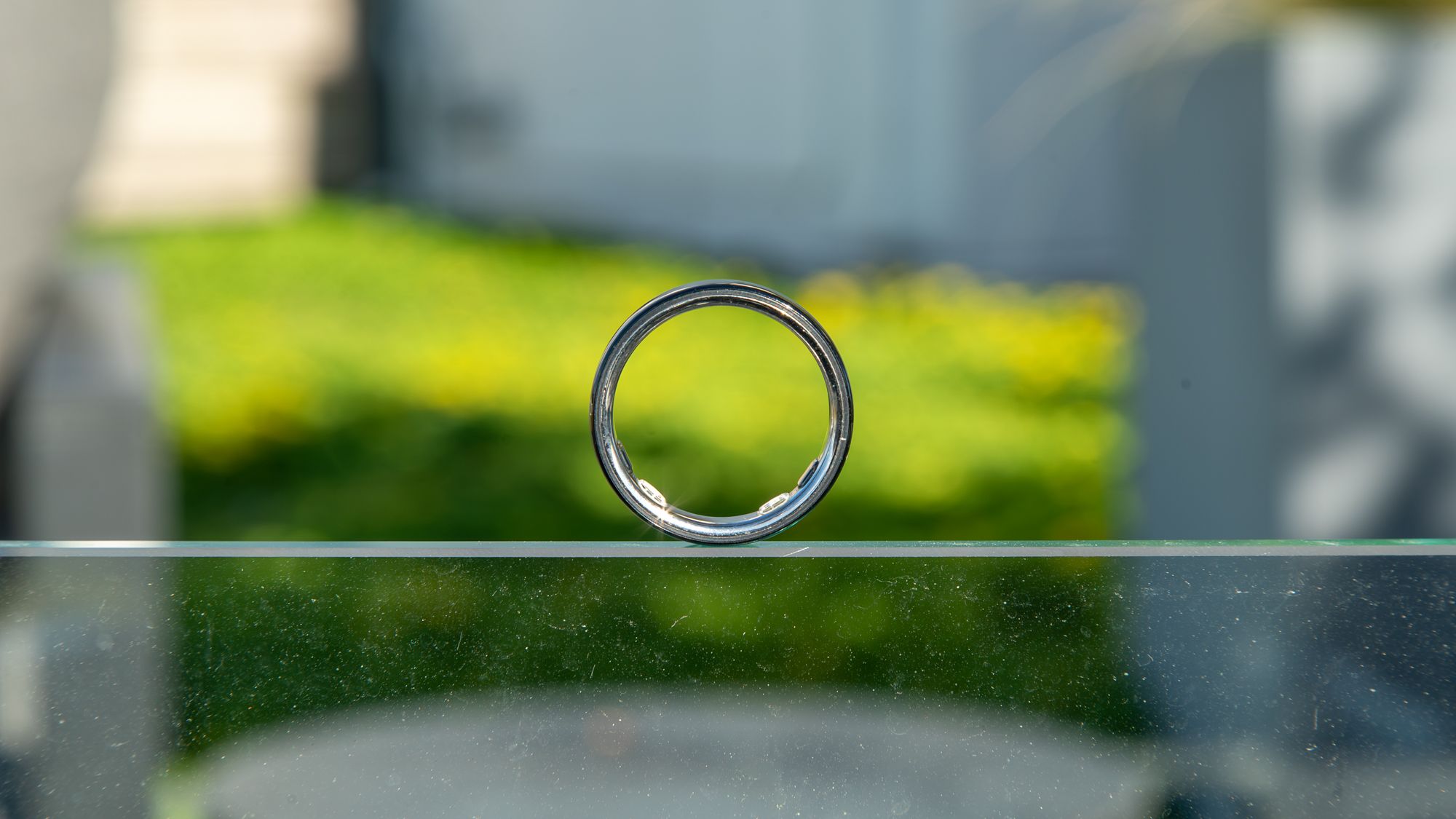
The core of Oura’s complaint focuses on the intricate "guts" of the smart ring. Designing a wearable that is comfortable, durable, and packed with health-monitoring sensors is an engineering feat of the highest order.
The Engineering Dispute
Oura claims that Ultrahuman’s Ring Pro utilizes proprietary designs for:
- Curved Battery Architecture: A space-saving design crucial for maintaining a sleek form factor.
- Circuit Board Integration: The way the PCB is mapped within the ring’s narrow circumference to maximize sensor data collection.
- Magnetic/Sensor Arrays: The specific placement of sensors to ensure accurate heart rate and sleep tracking data.
Oura maintains that Ultrahuman has a systematic pattern of "copying innovations" rather than developing them from the ground up. In contrast, Ultrahuman’s leadership frames these advancements as the natural evolution of global health technology, arguing that Oura is attempting to stifle innovation through litigious gatekeeping.
Philosophical Divides: Subscriptions vs. Open Data
Beyond the hardware patents, the two companies occupy different corners of the business model spectrum. Oura has built its brand on a "hardware + subscription" ecosystem, where users pay a recurring fee to access deep health insights. Ultrahuman has positioned itself as the antithesis of this model, offering its features primarily through "PowerPlugs" without the heavy reliance on a subscription paywall.
Ultrahuman’s CEO, Mohit Kumar, has previously stated that the company views itself as a defender of "open health data" and a representative of Indian innovation on the global stage. This suggests that the rivalry is not merely about patent law—it is a clash of corporate ideologies.
Official Statements and Corporate Posturing
The rhetoric from both sides has been sharp, reflecting the high stakes of the litigation.
Oura’s Stance
An official spokesperson for Oura delivered a scathing assessment of Ultrahuman’s design process, stating: "Ultrahuman has a history of copying Oura’s innovations, as demonstrated by the 2025 ITC ruling against the company. Ultrahuman introduced a redesigned ring but failed to address continued infringement of Oura’s patents."
Ultrahuman’s Rebuttal
Mohit Kumar, CEO of Ultrahuman, expressed frustration over the timing and the aggressive nature of the filing. In an interview with TechCrunch, Kumar noted, "Oura has now chosen to assert different patents, including one that was issued just two days before this lawsuit was filed." He emphasized that despite the legal threats, the Ring Pro remains available for purchase, as no court has yet issued an injunction to stop sales.

Future Outlook: What This Means for the Industry
As the legal proceedings progress, the outcome of this case could reshape the wearable landscape in several profound ways.
The Impact on Consumer Choice
If Oura succeeds in securing an injunction, U.S. consumers may see the Ring Pro pulled from shelves once again. This would leave Oura with an even tighter grip on the domestic market, potentially slowing the pace of innovation that occurs when multiple companies are forced to out-compete one another.
A New Era of Patent Scrutiny
For other entrants in the smart ring space—such as Samsung with the Galaxy Ring—this litigation serves as a warning. Intellectual property in the miniaturized health-tech sector is becoming increasingly consolidated. New companies entering the fray will likely face higher barriers to entry, as incumbents like Oura move to protect their R&D investments through aggressive patent enforcement.
The "Health-First" Integration
Regardless of the legal outcome, the pace of technological development continues to accelerate. Ultrahuman’s recent moves—such as the partnership with HealthEx to integrate official medical records and the introduction of the "Heart Scan" feature—demonstrate that the industry is moving toward a more holistic, clinical approach to personal health monitoring.
Conclusion: The Long Road Ahead
The "Silicon Ring War" is far from over. As Oura and Ultrahuman trade blows in the courtroom, the broader tech community watches on, waiting to see if these patents will be upheld or if they will be challenged as overly broad attempts to monopolize a nascent category.
For the user, the immediate future remains stable, with products still available and functionality continuing to evolve. However, the shadow of litigation looms large. Whether this case leads to a landmark settlement or a protracted legal war of attrition, one thing is clear: the smart ring market has grown up, and the days of easy expansion are behind it. The winners will be determined not just by the quality of their sensors or the efficiency of their algorithms, but by their ability to navigate the complex web of intellectual property that governs the future of wearable health.