Executive Overview
In a sweeping safety action coordinated with federal regulators, audio technology giant Bose has announced a major recall affecting hundreds of thousands of lithium-ion battery packs utilized in its popular portable public address (PA) systems. Jointly announced alongside the United States Consumer Product Safety Commission (CPSC) and regulatory counterparts in Canada, the recall impacts approximately 635,000 battery packs in the United States and an additional 35,400 units in Canada, bringing the total number of recalled units to over 670,000.
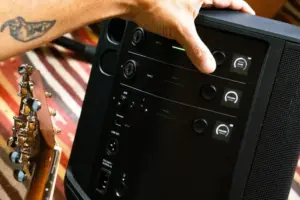
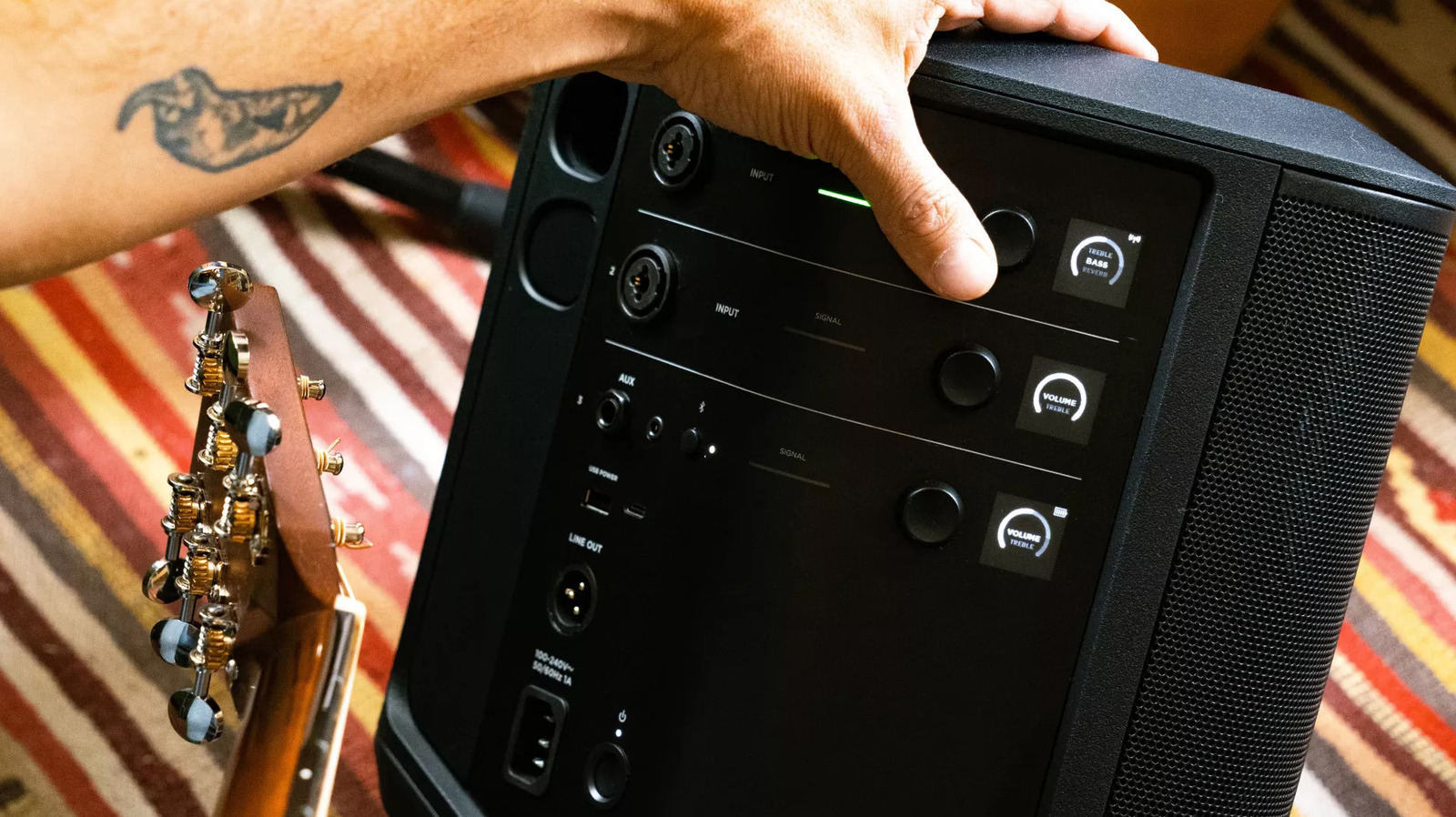
The voluntary recall specifically targets removable lithium-ion battery packs included with or sold separately for the Bose S1 Pro and Bose S1 Pro+ portable Bluetooth speaker systems. According to federal warnings and incident reports submitted to safety authorities, these components possess a latent manufacturing defect that can cause the internal cells to severely overheat, melt, emit smoke, or catch fire. While the primary speaker chassis and internal electronics remain entirely unaffected by the defect, the removable power modules pose an immediate risk of thermal runaway, property damage, and severe burn injuries.
Bose and consumer protection agencies are urging all owners of the S1 Pro and S1 Pro+ systems to immediately inspect their devices, cease using the battery-powered operation mode, and verify whether their specific unit falls within the vulnerable production batches. Although the company has confirmed that no personal injuries have been reported to date, the discovery of multiple property damage incidents stemming from smoking and melting enclosures has triggered a comprehensive replacement initiative. Affected consumers are eligible to receive a completely free replacement battery pack directly from Bose, provided they follow strict verification and safe disposal protocols.
Detailed Chronology and Scope of the Incident
The safety scare surrounding the Bose S1 Pro line spans nearly a decade of commercial distribution, highlighting the complex vulnerabilities inherent in global consumer electronics supply chains. The timeline of the affected hardware extends far beyond a recent manufacturing blip, tracing back to the commercial launch of the original S1 Pro system in late 2017.
The Commercial Lifespan of the Vulnerable Units
The lithium-ion battery packs subject to this recall were distributed across North America over an extended period, spanning from December 2017 through July 2026. During this nearly nine-year window, the units were made available to consumers through a vast network of authorized channels, including direct purchases from Bose’s official website and retail storefronts, as well as major national electronics and general merchandise retailers such as Best Buy, Amazon, and Walmart.
The S1 Pro and its successor, the S1 Pro+, are marketed heavily toward musicians, street performers, event organizers, and audio enthusiasts who require reliable, high-output sound reinforcement in mobile environments. These systems were typically retailed as an all-inclusive package containing the speaker, power cord, and the removable lithium-ion battery pack for approximately $700. Additionally, the battery packs were sold independently as standalone accessories—frequently purchased as backup power sources for extended gigs—with retail prices fluctuating between $100 and $160.
Incident Reports and Regulatory Intervention
Bose initiated the safety recall following internal investigations triggered by consumer complaints regarding thermal anomalies. To date, the company has documented seven distinct incidents in which the lithium-ion battery packs exhibited catastrophic thermal failures. These reports detailed instances of batteries melting, emitting hazardous smoke, and actively igniting.
Out of the seven documented failure events, six resulted in verified property damage, ranging from scorched surfaces to compromised nearby equipment. Crucially, as of the official announcement by the CPSC, no formal reports of human injury, smoke inhalation, or medical treatment have been logged. However, safety regulators stress that the potential for severe burn injuries and structural fires remains critically high if defective units are left powered on or improperly charged.
Supporting Context & Metrics: Understanding Lithium-Ion Thermal Runaway
To fully comprehend the gravity of the Bose S1 Pro recall, it is essential to examine the underlying electrochemistry of modern portable electronics and the specific hazards associated with lithium-ion energy storage systems.
The Anatomy of Thermal Runaway
Lithium-ion batteries are the gold standard for portable consumer electronics due to their high energy density, low self-discharge rates, and ability to deliver substantial current on demand. However, these same attributes mean that energy is tightly packed within a confined space, separated internally by a microscopic porous plastic film known as a separator.
When a manufacturing defect, internal short circuit, mechanical damage, or electrical fault occurs, this separator can fail. If the anode and cathode come into direct contact, an uncontrolled cascade of chemical reactions ensues—a phenomenon known as thermal runaway. During thermal runaway, the internal temperature of the cell escalates exponentially in milliseconds, breaking down chemical binders and releasing flammable gases. If these gases breach the outer casing, they can ignite upon contacting oxygen, resulting in intense localized fires that are notoriously difficult to extinguish using conventional methods.
Scale of the North American Footprint
The statistical breakdown of the recall underscores the ubiquity of the S1 Pro product line in professional and amateur audio spaces:
- United States Market: Approximately 635,000 units impacted.
-
**Canadian
Market:** Approximately 35,400 units impacted.
- Total Combined Footprint: Over 670,000 units subject to verification and potential replacement.
- Price Point Context: Core speaker systems retailed at roughly $700; standalone replacement batteries retailed between $100 and $160.
This massive volume makes the Bose S1 Pro battery recall one of the more significant acoustic-equipment safety actions in recent years, drawing comparisons to historical lithium-ion recalls seen in the laptop and hovering-board sectors.
Official Statements and Regulatory Directives
The joint announcement by the US Consumer Product Safety Commission and Bose outlines clear, mandatory directives for consumers, emphasizing immediate caution over convenience.
Guidance from the CPSC and Bose
Regulatory authorities have issued strict instructions for anyone possessing the Bose S1 Pro or S1 Pro+ systems:
- Cease Mobile Operation Immediately: Users must power down the speaker, unplug the device, and physically remove the lithium-ion battery pack from the unit.
- Utilize AC Power Alternates: While waiting for a certified replacement battery, owners are permitted to operate the speaker safely by plugging it directly into standard alternating current (AC) wall power using the provided power cable. The acoustic performance and line-powered functionality of the speaker remain fully operational without the battery installed.
- Do Not Trash Defective Batteries: Disposing of lithium-ion batteries in standard municipal household waste streams poses extreme fire risks to sanitation workers and waste-processing facilities. Consumers must handle the extraction and disposal of recalled units with utmost care.
Identifying Recalled Units: The Serial Number Protocol
Crucially, not all Bose S1 Pro batteries are subject to recall. Bose has implemented a strict verification mechanism to ensure that only vulnerable batches are replaced, minimizing unnecessary supply chain strain.
Owners must perform the following steps to check their hardware:
- Power off the speaker and disconnect all cables.
- Remove the battery pack compartment cover located on the rear of the speaker chassis and slide out the removable lithium-ion battery pack.
- Locate the 17-digit serial number printed on the label of the battery pack.
- Cross-reference the prefix of the serial number against the officially designated recalled manufacturing batches.
The recalled battery packs feature serial numbers starting with one of the following seven specific string prefixes:
- 083723
- 078352
- 084105
- 078591
- 078592
- 084106
- 086409
If a battery’s serial number matches any of these designated prefixes, the user is instructed to immediately visit the dedicated Bose Repair and Replacement portal (support.bose.com/repair-or-replacement or bose.com/support/s1-battery-recall) to register their unit and initiate a claim for a free, redesigned replacement battery pack.
Safe Disposal Procedures
For consumers who confirm their battery is part of the recall batch, proper disposal of the hazardous unit is paramount. Regulatory bodies advise against throwing lithium-ion batteries into household trash cans or recycling bins. Instead, consumers should contact their municipal household hazardous waste collection center, local electronic waste (e-waste) recycling facilities, or authorized municipal drop-off sites to ensure the spent chemical modules are handled according to environmental and fire-safety standards.
Future Outlook: Industry Implications and Consumer Trust
As consumer electronics continue to integrate high-capacity power solutions into traditionally passive equipment like professional audio monitors, the Bose S1 Pro recall serves as a cautionary tale for the broader hardware manufacturing industry.
The Ripple Effect on Pro-Audio Design
The integration of lithium-ion battery packs into portable PA systems revolutionized live performance setups, allowing street musicians and mobile DJs to perform in remote locations without tethered power cords. However, this convenience introduces distinct engineering challenges. Moving forward, industry analysts expect manufacturers to implement stricter quality control gates, enhanced thermal monitoring circuits, and more robust modular safety cut-offs within portable power accessories.
Rebuilding Brand Confidence
Bose has built a decades-long reputation on premium audio fidelity, structural durability, and reliable engineering. By proactively cooperating with federal regulatory agencies, maintaining transparent communication channels, and offering a frictionless, no-cost replacement pathway for all impacted customers, the company aims to mitigate long-term reputational damage.
Nevertheless, the incident highlights the ongoing challenges that consumer technology brands face in managing complex, multi-year supply chains where component-level variances can manifest as critical safety hazards long after products have left retail shelves. For now, thousands of mobile musicians and audio professionals across North America will be checking the serial numbers beneath their speaker casings, ensuring that their next gig remains memorable for the music, rather than a visit from the fire department.