Executive Overview
The smartphone landscape has long been defined by a race toward homogeneity, but the arrival of the Apple iPhone Duo shatters that trend with unapologetic flair. Apple’s first foray into the foldable market is a polarizing piece of hardware—a device that simultaneously ignores years of established Android conventions while redefining what it means to own a mobile workstation.
Priced at $2,000, the iPhone Duo is an expensive proposition that invites skepticism. It is not the most refined piece of hardware on paper, nor does it boast the industry’s most advanced camera array. Yet, after two weeks of rigorous, real-world testing, it becomes impossible to ignore: the iPhone Duo is a triumph of user experience over raw specifications. By leveraging the unmatched power of the Apple developer ecosystem, a revolutionary nano-textured display, and a software philosophy that prioritizes consistency, Apple has delivered a first-generation product that feels remarkably mature. It is not just a folding iPhone; it is the definitive proof that in the world of high-end mobile tech, the experience is the product.
Detailed Chronology: Two Weeks of Daily Driving
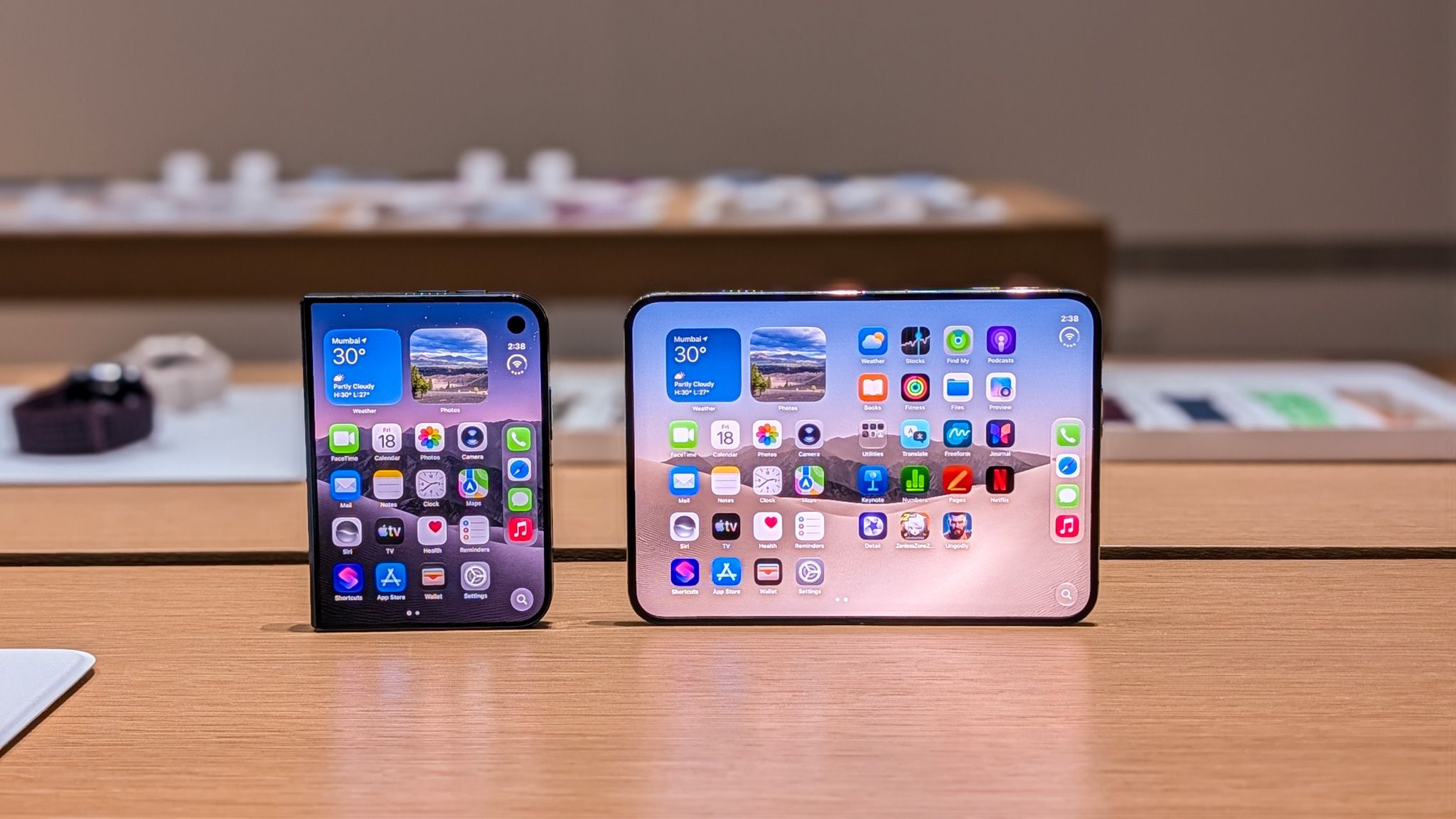
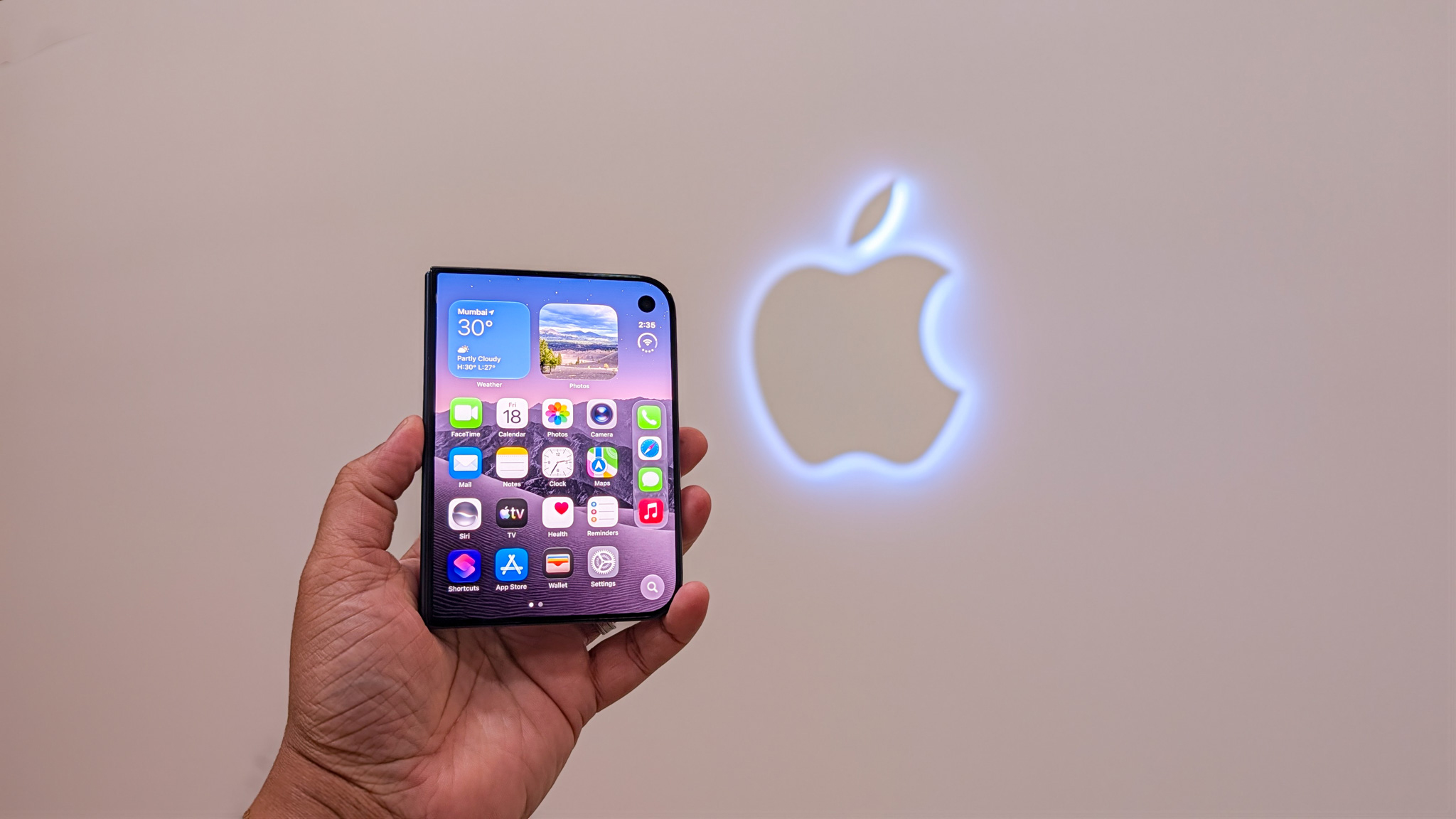
The initial reception of the iPhone Duo was one of profound division. Within the first 15 seconds of handling the device, one is struck by its unconventional, D-shaped silhouette. Unlike the Galaxy Z Fold series, which feels like a traditional phone that has been stretched, the Duo’s form factor feels purposefully distinct—optimized for one-handed use and ergonomic comfort.
The learning curve was steep. The first few days involved an adjustment period, moving away from the multitasking muscle memory developed on Android devices. However, the device’s true nature revealed itself in the second week. Whether navigating complex coding sprints, managing remote desktop access to a Mac, or simply handling emails during travel, the Duo proved its worth.
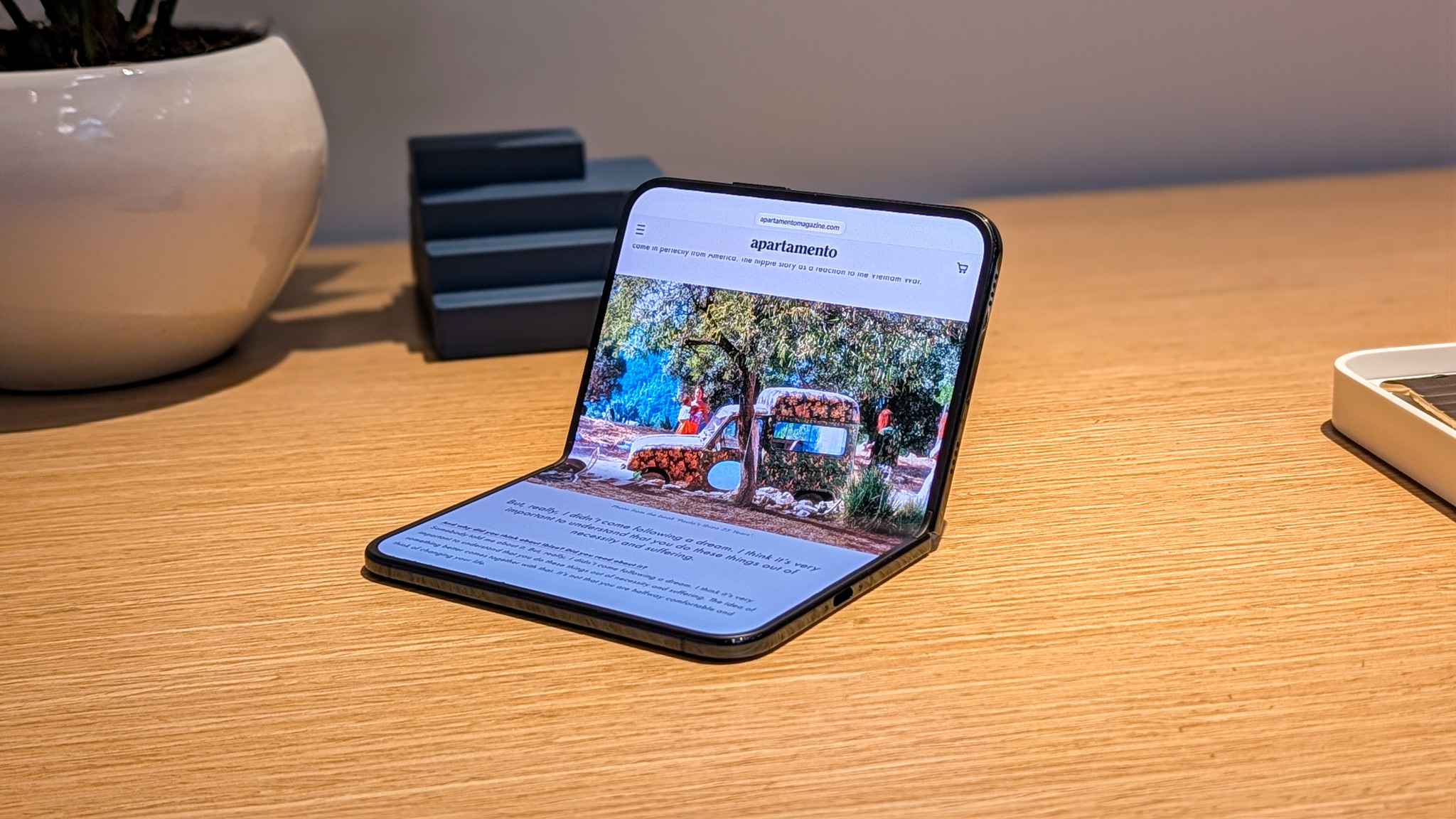
The "Duo Effect"—a term coined during testing—refers to the device’s ability to act as two independent iPhones side-by-side. While Android foldables focus on window management and floating apps, the iPhone Duo focuses on a familiar, dual-pane environment that mirrors the iOS experience users already trust. This is not about chasing the flexibility of a desktop PC; it is about extending the power of the iPhone into a canvas that finally accommodates professional workflows.
Supporting Context: Hardware, Display, and Performance
The Nano-Texture Triumph
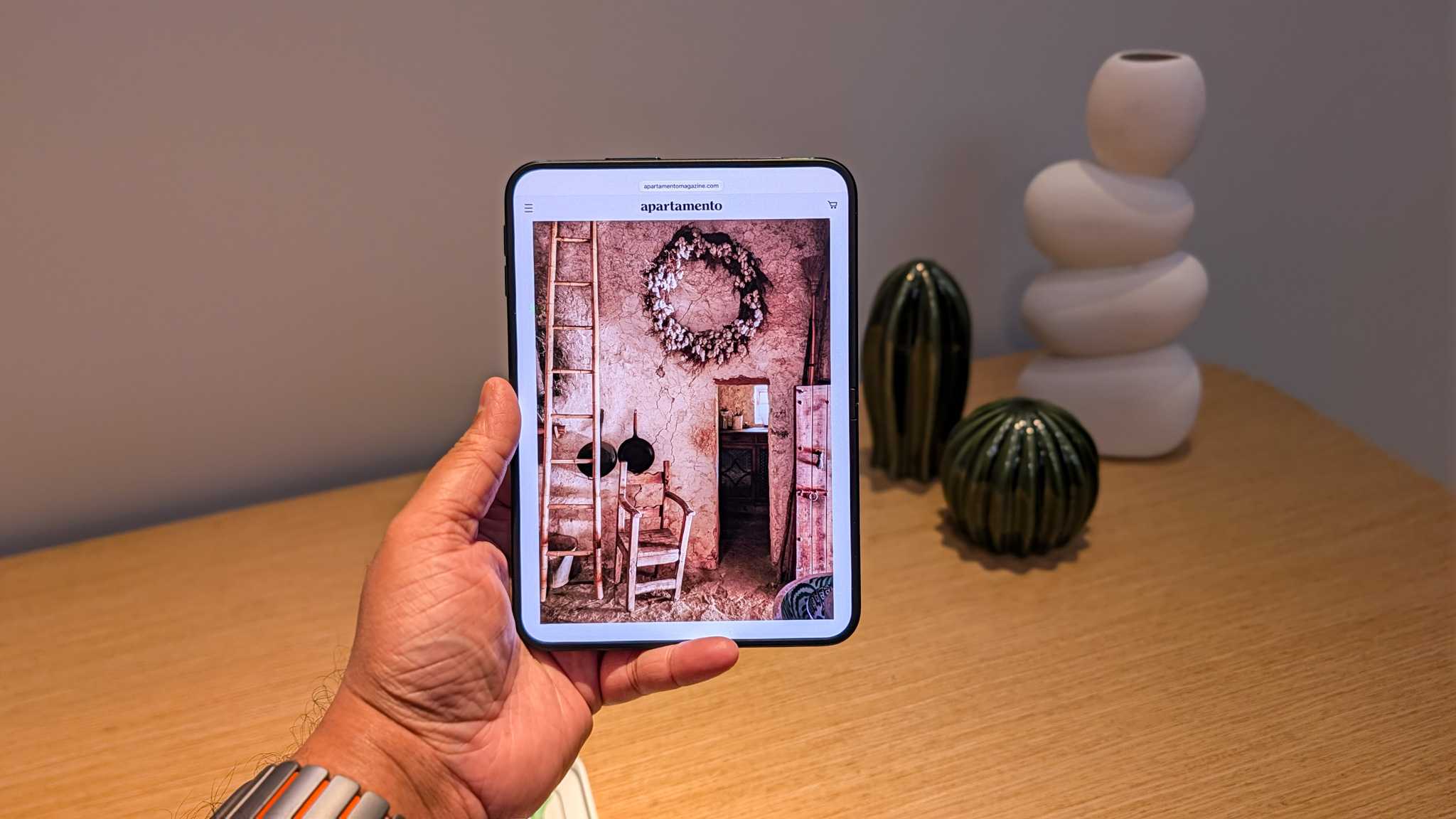
If there is one feature that should serve as a wake-up call to every manufacturer in the foldable space, it is Apple’s implementation of a nano-texture layer on the inner 7.6-inch LTPO Super Retina XDR OLED panel. This is not just a marketing buzzword; it is a tactile and visual revelation.
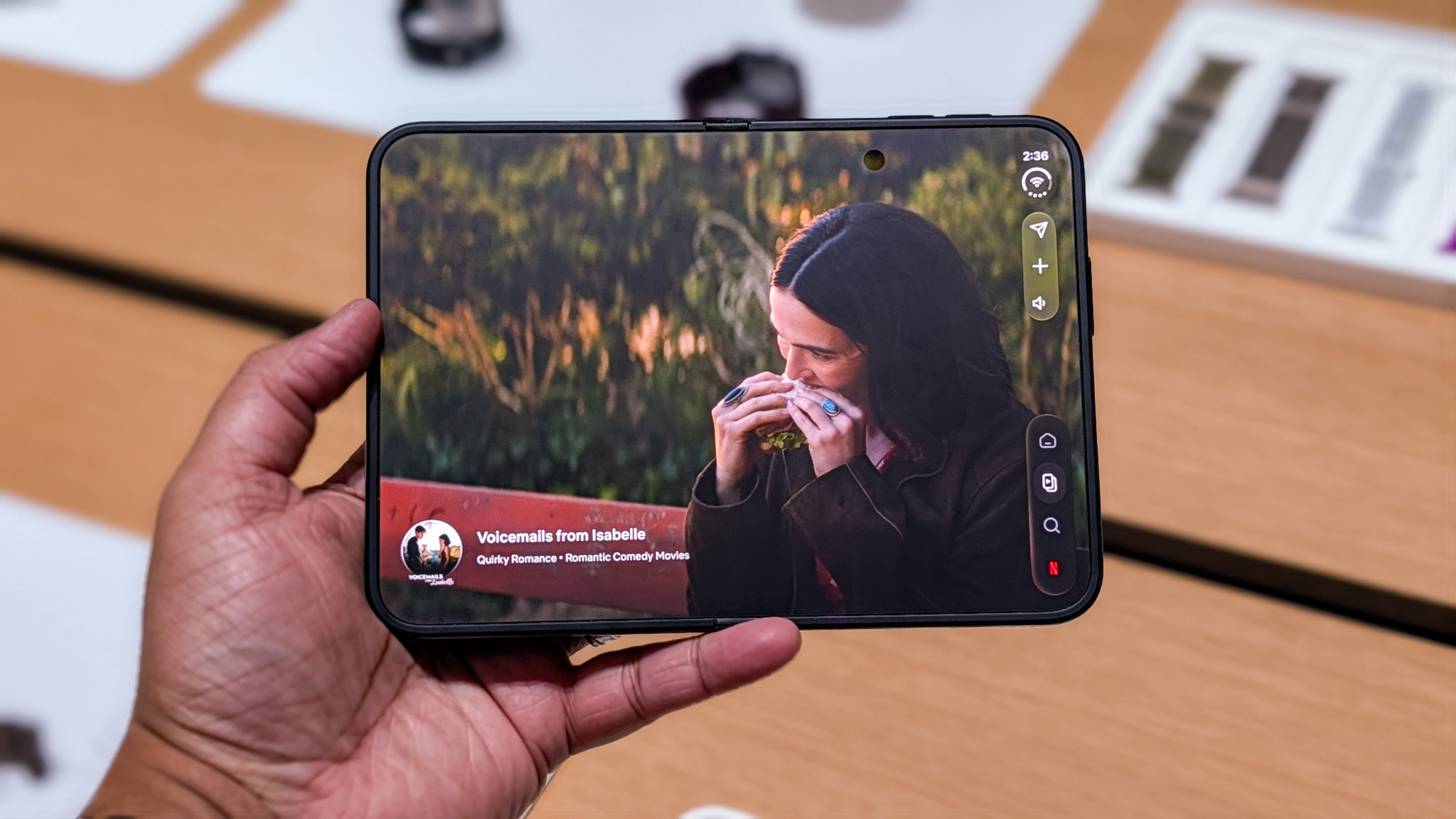
The layer provides a subtle, welcome friction under the fingertips—reminiscent of the experience of reading on a Kindle or using E-Ink displays. More importantly, it effectively hides the crease. While other manufacturers obsess over mechanical hinge engineering to create a "shallow" crease, Apple has solved the problem through optics and surface treatment. The result is a screen that is genuinely delightful to scroll, type, and read on, regardless of ambient lighting conditions.
Power, Efficiency, and Connectivity
Under the hood, the A20 Pro chip provides immense headroom, ensuring that driving two displays simultaneously never results in a stutter. However, the true "hidden" hardware stars are the C2 cellular modem and the N1 wireless networking chip. In a world where signal dropouts are a common frustration for power users, the Duo offers a level of connectivity stability that is remarkably superior to its predecessors.
This efficiency extends to battery life. Despite utilizing conventional lithium-ion cells rather than the trendy silicon-carbon batteries found in newer Android flagships, the Duo consistently delivers 13–14 hours of mixed-usage endurance. By opting for a slightly thicker chassis, Apple has prioritized longevity over thinness—a trade-off that the professional user will undoubtedly applaud. Charging speeds, while peaking at 60W, are well-managed to prevent thermal throttling, achieving a respectable 68% charge in 30 minutes.
The Camera Compromise
For the photography enthusiast, the iPhone Duo may be the only point of contention. The camera system is "good," but it is not "Pro." It features a 48MP main and ultrawide sensor, omitting a dedicated telephoto lens. While the 2x in-sensor crop is a serviceable stop-gap, it cannot compete with the variable-aperture systems of the iPhone 18 Pro.

Apple has clearly decided that the folding experience is the primary draw, and the camera is a secondary utility. The inclusion of the 12MP Center Stage camera above the cover display is a highlight, however, allowing for professional-grade, hands-free video conferencing in tent mode. It is a capable shooter for the modern professional, but it is not the reason to spend $2,000.
Official Perspective and Developer Synergy
The true strength of the iPhone Duo lies in the invisible architecture of the App Store. Apple’s developer ecosystem is the company’s greatest competitive advantage. In the two weeks since launch, over 1,000 apps have already been optimized for the device’s unique aspect ratio.

Developers are not just porting existing apps; they are creating new workflows. From professional creative tools like Astropad to productivity suites, the apps on the Duo feel like they were designed for a larger canvas. The "Handoff" feature—which allows a seamless transition of cellular data and active tasks between the iPhone 18 Pro and the iPhone Duo—is a masterstroke. It allows the user to treat the Duo not as a replacement for their phone, but as a supplementary, specialized tool in their digital arsenal.
Future Outlook: The Beginning of Something Bigger
The iPhone Duo is, by definition, a first-generation product. It has quirks, such as the slightly misaligned earpiece placement and the lack of advanced window management features that Android power users might crave. However, to judge it solely by these limitations is to miss the forest for the trees.
Apple has established a foundation of reliability, ecosystem integration, and display excellence. The next iterations of the Duo will likely refine the camera system and perhaps adopt thinner battery technologies, but the core philosophy is already validated.
For the average consumer, the $2,000 price point is high, and waiting for the second generation is a logical choice. But for the early adopter and the professional who lives within the Apple ecosystem, the Duo is already the gold standard. It is a device that brings excitement back to a stagnant smartphone market. It is a bold, flawed, and utterly compelling vision of the future—one that confirms that Apple has finally arrived at the folding party, not by following the crowd, but by redefining the experience entirely.