Executive Overview
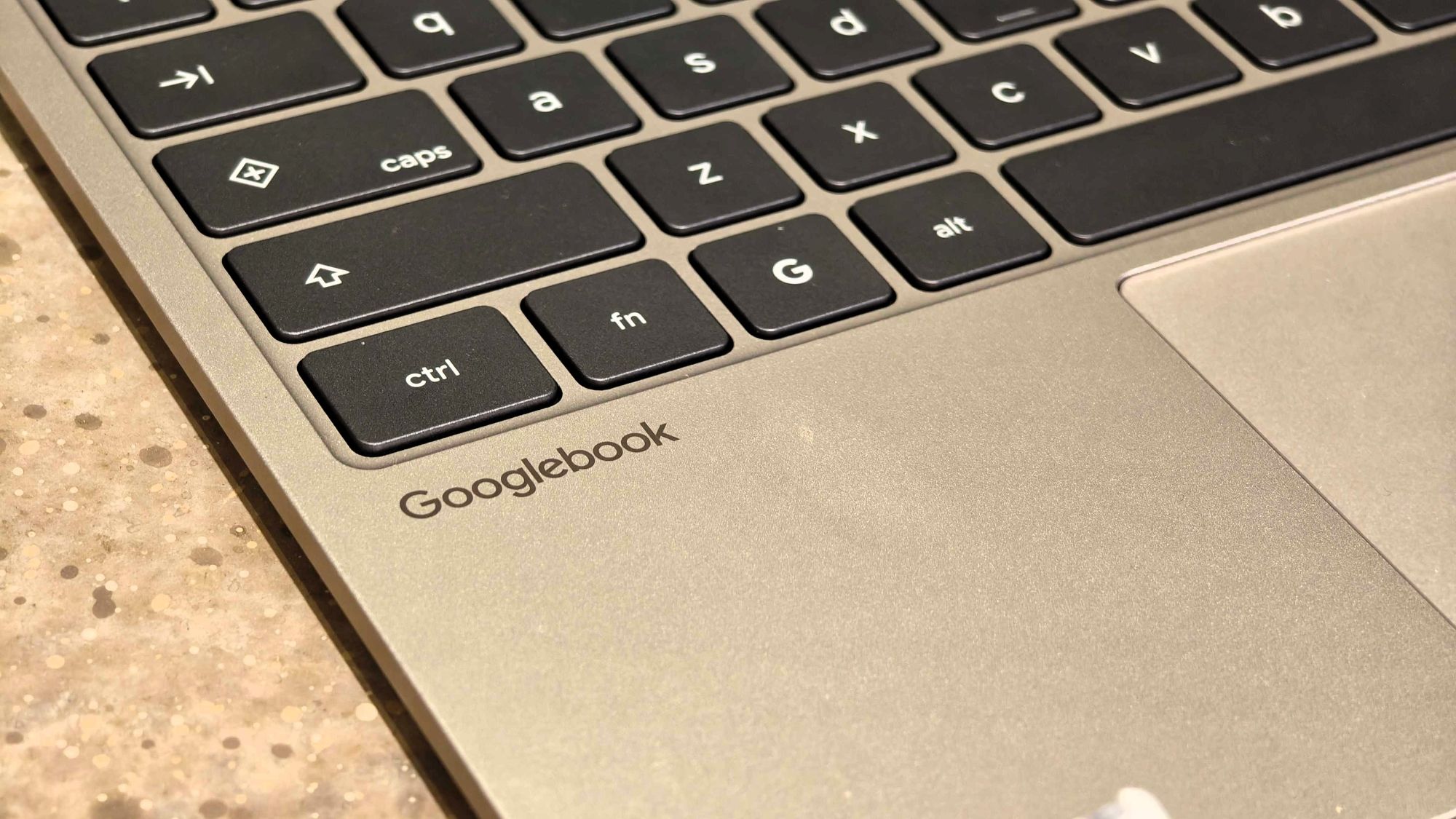
In a decisive move to stabilize its nascent laptop platform, Google has officially released its November firmware and software update for the Googlebook lineup. Designed to address critical performance bottlenecks, hardware instabilities, and security vulnerabilities, the update represents a significant "course correction" for a device category that—while innovative—has faced growing pains since its debut.
The update, identified by build number CL3B.260622.286.R2, focuses primarily on the optimization of on-device AI resources. By refining how the system’s Neural Processing Unit (NPU) and AICore handle memory, Google has effectively liberated between 3GB and 6GB of system RAM. For a machine marketed as a productivity powerhouse, this is not merely a marginal gain; it is a fundamental shift in how the operating system handles multi-threaded workloads. Beyond memory management, the update serves as a comprehensive patch for long-standing issues involving peripheral connectivity, Linux integration, and kernel-level stability. As Google pushes this update to major hardware partners—including Dell, HP, Lenovo, ASUS, and Acer—the tech giant is clearly attempting to solidify the Googlebook’s reputation as a mature, enterprise-ready computing solution.
Detailed Chronology: Solving the "Day One" Deficits
The journey of the Googlebook from launch to this November milestone has been characterized by high ambitions hampered by software volatility. Since the device’s inception, early adopters reported a frustrating disconnect between the premium hardware—often powered by the Snapdragon X Elite—and a software environment that frequently struggled to manage its own background processes.
Phase 1: The Memory Management Bottleneck
The most persistent complaint from the user community centered on the "stutter" inherent in the Googlebook’s AI-centric architecture. Because the device relies heavily on local AI processing, the AICore service was previously over-allocating memory, essentially "choking" the Chrome browser and other foreground applications. The November update introduces a refined NPU driver that creates a more intelligent resource-allocation hierarchy. By re-optimizing the communication between the NPU and the system kernel, Google has minimized the frequency of "tab-reloading" in Chrome—a phenomenon that previously plagued users who kept more than a dozen tabs open simultaneously.
Phase 2: Restoring Hardware Cohesion
For users of convertible (2-in-1) Googlebooks, the transition between tablet and laptop modes was notoriously unstable. Reports of dead touchscreens or unresponsive keyboards upon folding the hinge were common. The November release patches the interrupt handling for these hardware states, ensuring that the transition from a clamshell to a tablet form factor is seamless and instantaneous. Furthermore, the update resolves a critical bug involving Zoom, where the use of advanced features like 3D avatars, background blurring, and custom filters would often lead to a total system crash—a major hurdle for professional users relying on the platform for video conferencing.
Phase 3: Peripheral and DRM Compatibility
Multimedia consumption and professional workflows were also impacted by early firmware limitations. The November update addresses:
- DRM Playback: Previously, streaming services like Netflix would return a black screen due to HDCP (High-bandwidth Digital Content Protection) negotiation failures. This has been resolved.
- Audio Interface Stability: Professionals using external USB microphones and multi-channel audio interfaces were previously met with erratic sample rates or total connection drops. The new drivers provide robust support for these high-fidelity peripherals.
- Bluetooth Optimization: Syncing delays—particularly frustrating for users of wireless mice and external audio—have been significantly reduced through a refresh of the Bluetooth stack, leading to a more tactile, "wired-like" experience.
Supporting Context & Metrics: The Linux and Security Landscape
While the average user will benefit from the UI responsiveness, the "under-the-hood" improvements for power users and developers are equally noteworthy.
The Linux Terminal Evolution
Googlebook has positioned itself as a viable machine for developers, and the Linux Terminal beta has received a substantial injection of stability. Key improvements include:
- Persistent Sessions: Users reported that shell sessions would terminate or become unresponsive after the system entered a deep-sleep state. The updated kernel handling ensures that SSH connections and local bash sessions remain active and stateful upon waking.
- Storage Preservation: One of the most destructive bugs in previous versions was the tendency for Linux VM updates to wipe custom SSH configurations. The new deployment architecture treats user-defined configurations as protected volumes, ensuring that a system update doesn’t necessitate a complete re-configuration of the developer environment.
- Memory Leak Patches: Closing terminal tabs previously failed to release memory, leading to "zombie" processes that slowly degraded system performance over the course of a work week. This has been fully remediated.
The Security Posture
The update includes the November 1, 2026, Android security patch, which mitigates approximately 60 distinct vulnerabilities. Additionally, the migration to the Linux 6.18 kernel provides a more hardened foundation against kernel-level exploits. Perhaps most noticeably for the average user, the update to the Ti50 security chip firmware addresses the "fan-noise" issue. By optimizing the thermal management logic tied to the security chip, Google has eliminated the erratic, high-RPM fan bursts that occurred even when the system was under minimal load.
Official Statements and Community Reception
In a rare moment of transparency, Google’s engineering team—via lead developer representatives on platforms like Reddit—acknowledged that the platform’s "aggressive resource management" was the primary culprit for the initial performance issues.
"We designed the Googlebook to be an AI-first machine," one representative noted. "In doing so, we initially prioritized the AI engine’s needs over the traditional background process management that users expect from a laptop. This update brings those two priorities back into balance."
The community reception has been cautiously optimistic. While long-term users are praising the improved fluidity of the interface, a new, minor set of issues has emerged. Early reports indicate that the Chrome spell-check feature occasionally fails to initialize after the device wakes from sleep, and notification syncing between the Googlebook and connected Android phones has shown intermittent latency. These are minor, yet persistent, reminders that the platform is still in its relative infancy.
Future Outlook: A Turning Point
The November update is not merely a collection of bug fixes; it is a declaration of intent. By addressing the core architectural issues that hindered the Googlebook at launch, Google is signaling that it is committed to the long-term viability of this hardware segment.
As we look toward the next quarter, the focus will likely shift from stability to feature parity. Now that the "foundational" issues are largely resolved, the expectation is that Google will begin to unlock the full potential of the Snapdragon X Elite chipset, specifically through enhanced local Large Language Model (LLM) capabilities that do not compromise browser performance.
For current owners, the update (Build: CL3B.260622.286.R2) is highly recommended. It represents the difference between a device that feels like a prototype and one that functions as a daily driver. For prospective buyers, the news is equally encouraging: Google is proving that it has the agility to respond to enterprise feedback and that the Googlebook is a platform that will evolve through software—not just through annual hardware refreshes.
The path forward for Googlebook is clear: keep the AI, lose the bloat, and maintain the speed. If the November update is any indication, the platform is finally hitting its stride.