Executive Overview
The wearable technology landscape is shifting rapidly, moving away from cumbersome headsets toward lightweight, aesthetically driven smart eyewear. In a series of tightly coordinated yet unexpectedly transparent product reveals, high-fashion eyewear brand Gentle Monster and retail giant Warby Parker have inadvertently forced Google’s hand regarding the commercial rollout of its highly anticipated Android XR smart glasses platform.
Gentle Monster officially announced that its upcoming "Intelligent Eyewear" collection will be available for pre-order starting November 12, with a full commercial launch slated for December. This announcement mirrors an accidental leak made by Warby Parker just hours prior, effectively bypassing Google’s internal PR playbook. Both brands, alongside hardware titan Samsung, form the core triad of Google’s modern eyewear strategy—a calculated effort to capture market share from Meta’s dominant Ray-Ban smart glasses while subtly reviving the conceptual groundwork originally laid by the ill-fated Google Glass over a decade ago.
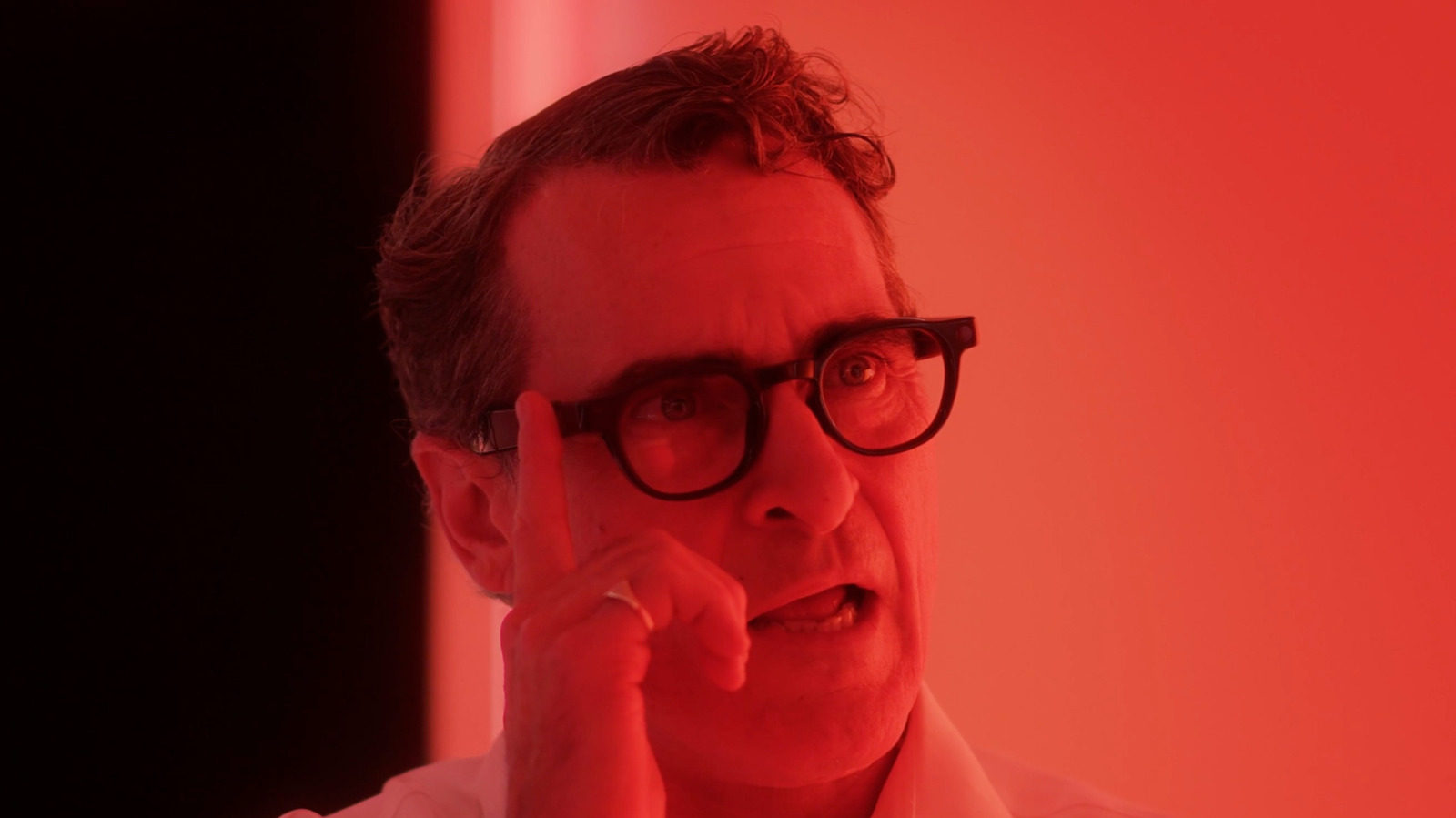
Rather than relying on traditional tech-industry product showcases, Gentle Monster has chosen to position its debut at the intersection of haute couture and avant-garde cinema. The brand unveiled its upcoming line alongside a striking teaser for an experimental short film directed by Jonathan Glazer (Under the Skin, The Zone of Interest) and starring Academy Award-winner Joaquin Phoenix, whose cinematic history with artificial intelligence (Her) adds a layer of ironic meta-commentary to the product launch.
As Google prepares to unleash its unified Android XR operating system across devices ranging from high-end mixed-reality headsets to sleek, display-free audio glasses, the tech industry stands at a critical juncture. The coming weeks will reveal whether consumer appetite for fashionable, AI-integrated eyewear can successfully dethrone Meta’s current monopoly and erase the lingering stigma of early wearable computing failures.
Detailed Chronology: How the Smart Glasses Blueprint Leaked
The sequence of events leading up to the public confirmation of Google’s Android XR eyewear ecosystem highlights the difficulties of maintaining secrecy when coordinating hardware releases across a multi-brand partnership.
The Warby Parker Premature Reveal
The first domino fell when Warby Parker updated portions of its digital infrastructure, inadvertently exposing launch timelines, pre-order windows, and product category placeholders for Google-powered smart eyewear. Industry analysts and tech journalists quickly scraped the data, revealing a targeted pre-order date of November 12. Although Warby Parker swiftly scrubbed the references from its public-facing web pages, the digital footprint was already permanent, setting off a scramble among tech and fashion newsrooms.
Gentle Monster’s Formal Announcement
Capitalizing on the momentum and media buzz generated by the Warby Parker leak, Gentle Monster stepped forward to officially validate the timeline. On November 6, the Korean luxury eyewear brand took to social media platforms to confirm that its first-ever "Intelligent Eyewear" collection would open for pre-orders on November 12, followed by a formal retail launch in December.
Crucially, Google—the primary architect behind the underlying software ecosystem—has maintained official silence. Mountain View has yet to issue a formal press release or confirmation regarding either partner’s timeline. This unusual dynamic underscores a shifting power balance in consumer tech, where legacy fashion houses and design-first retail partners hold considerable sway over product narrative execution, treating Silicon Valley tech stacks as invisible scaffolding rather than headline features.
The Jonathan Glazer and Joaquin Phoenix Collaboration
Simultaneously, Gentle Monster divorced its hardware announcement from conventional gadget specs, opting instead for a high-art marketing campaign. The company released a teaser for a collaborative short film directed by Jonathan Glazer. The project stars Joaquin Phoenix, an actor whose cinematic pedigree with AI-driven narratives makes him an ideal ambassador for ambient computing.
According to Gentle Monster, the complete, unedited cinematic piece will drop in mid-November, coinciding precisely with the opening of the pre-order window. By framing the glasses through the lens of high art rather than productivity metrics, Gentle Monster is deliberately engineering an emotional, aspirational connection with consumers—a strategy designed to insulate the product from the utilitarian fatigue that plagued early wearable tech.
Supporting Context & Metrics: The Architectural Anatomy of Android XR
To understand the significance of the Gentle Monster and Warby Parker releases, one must examine the broader technical and strategic framework of Google’s Android XR platform.
The Evolution from Google Glass to Ambient AI
When Google introduced Google Glass in 2012, it was heralded as a sci-fi breakthrough. However, the device suffered from a fatal combination of social backlash, privacy concerns, awkward aesthetics, and an overly intrusive head-mounted display that projected data directly into the user’s line of sight. Consumers quickly dubbed early adopters "Glassholes," and the enterprise-focused pivot that followed failed to capture the consumer imagination.
Meta learned hard lessons from Google’s historical missteps. By partnering with EssilorLuxottica and Ray-Ban, Meta realized that consumers will not wear a computer on their face unless it first functions as a desirable, stylish pair of glasses. Meta’s Ray-Ban smart glasses—featuring discreet cameras, open-ear audio, and Meta AI integration—proved that form factor trumps raw technological capability in the wearable space.
Google’s Android XR platform represents a direct response to this paradigm. Rather than forcing a singular hardware design, Google has engineered an adaptable, modular operating system capable of scaling across vastly different form factors:
- Immersive Mixed Reality: Powering high-end, spatial computing devices such as the Samsung Galaxy XR headset, competing directly with Apple’s Vision Pro at a more accessible price point.
- Lightweight Augmented Reality: Supporting advanced visual overlay glasses like the Xreal Aura.
- Display-Free, Audio-First Eyewear: Powering the upcoming frames from Gentle Monster and Warby Parker.
The Display-Free Strategy
The upcoming glasses from Gentle Monster and Warby Parker will lack visual heads-up displays (HUDs). Instead, they will rely entirely on high-quality directional audio, beamforming microphone arrays, and seamless multimodal integration with Google Gemini.
This architectural choice offers several distinct advantages:
- Battery Efficiency: Without power-hungry micro-OLED or waveguide displays, battery life extends significantly, allowing for true all-day wearability.
- Social Comfort: Eliminating outward-facing cameras and visible display screens neutralizes the surveillance anxiety and privacy backlash that crippled the original Google Glass.
- Weight and Ergonomics: Frames can maintain the exact dimensions, weight distribution, and aesthetic variety of traditional designer eyewear.
Users will interact with Gemini entirely through natural voice commands and touch-capacitive temple stems, asking questions about their environment, translating foreign languages in real-time, managing schedules, or listening to media streams while maintaining absolute situational awareness of the physical world.
Official Statements and Industry Perspectives
While Google remains officially tight-lipped, statements from corporate partners and industry experts paint a clear picture of an aggressive, high-stakes battle for the future of face-worn computing.
Gentle Monster’s Visionary Positioning
In its official announcement brief, Gentle Monster described its debut collection as "a cinematic journey between reality and dream." The brand’s leadership has consistently emphasized that technology should seamlessly merge with human expression rather than dominate it. By leaning into artistic collaboration, Gentle Monster is signaling to the luxury market that smart eyewear is not merely a gadget category for early adopters, but a natural evolution of personal style and accessories.
The Google-Samsung-Partner Nexus
Google’s hardware strategy relies heavily on leveraging the manufacturing and retail prowess of established global players. While Samsung anchors the high-end spatial computing hardware tier with Galaxy XR, lifestyle brands like Gentle Monster and Warby Parker solve the distribution and cultural legitimacy hurdles.
Industry analysts note that Google’s decision to open Android XR to third-party eyewear makers creates a formidable counterweight to Meta’s walled garden. While Meta controls both the hardware design (via Ray-Ban) and the AI software stack, Google’s open-ecosystem approach allows diverse aesthetic brands to plug directly into the world’s most robust mobile operating system and AI assistant.
Investor and Market Reactions
Wall Street and tech sector analysts have reacted positively to the leaks, viewing the premature reveals not as PR disasters, but as masterclasses in organic marketing. Shares of retail partners have experienced localized positive momentum as institutional investors recognize the massive total addressable market (TAM) for AI-enabled fashion accessories.
However, skeptics remain cautious. Integrating powerful contextual AI into ultra-lightweight frames presents immense thermal management, battery density, and audio-leakage challenges. Whether Gentle Monster and Warby Parker can deliver seamless hardware reliability alongside high fashion remains the ultimate test.
Future Outlook: The Battle Lines for the Face
As the calendar ticks down to the November 12 pre-order window and the December retail launches, the wearable technology market is splitting cleanly into two distinct philosophies.
1. The Meta-Ray-Ban Hegemony
Meta currently holds the high ground in smart eyewear, boasting proven manufacturing pipelines, massive marketing budgets, and widespread consumer adoption of its camera-enabled Ray-Ban frames. Meta’s iterative updates continue to push computer vision and multimodal AI capabilities directly to the consumer’s face.
2. The Google Android XR Coalition
Google, operating through its proxy brands—Samsung, Warby Parker, and Gentle Monster—is mounting a multi-pronged counter-offensive. By dividing the labor—letting fashion houses handle aesthetics, retail brands manage mass-market distribution, and Google power the ambient AI backend—this coalition attacks Meta from multiple demographic angles simultaneously.
What Comes Next?
The success or failure of Gentle Monster’s Intelligent Eyewear and Warby Parker’s competing hardware will set the precedent for consumer electronics for the remainder of the decade. If consumers eagerly embrace display-free, Gemini-powered frames that prioritize fashion over floating screens, the tech industry will witness a permanent migration of computing away from handheld rectangles and onto the human face.
As pre-orders open on November 12, the shroud of secrecy is officially lifting. The era of ambient, AI-driven smart eyewear has arrived—and fashion, technology, and cinema are officially colliding on the bridge of our noses.