Executive Overview
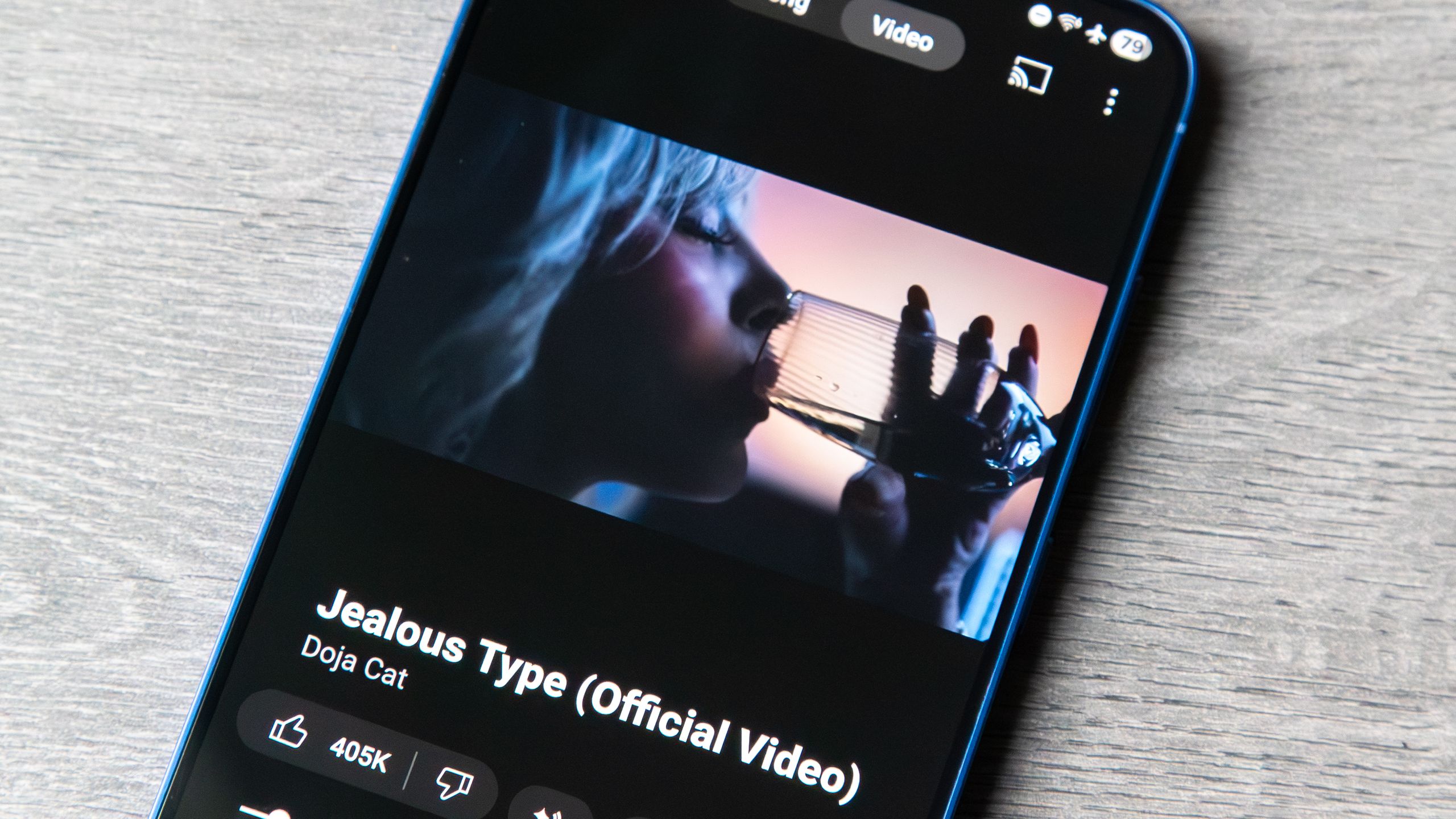
In an era where the boundaries between human artistry and machine-generated content are increasingly blurred, YouTube Music has taken a decisive step toward industry-wide accountability. The platform is currently rolling out a new system of transparency labels designed to inform listeners when generative artificial intelligence (AI) has played a significant role in the production of a song.
These labels—which appear directly within the music player interface—represent a paradigm shift for streaming services. Rather than leaving listeners to guess the origin of a track or forcing them to parse through dense metadata descriptions, YouTube is opting for immediate, user-facing clarity. The initiative is not a ban on synthetic media, but rather a commitment to informed consumption. By distinguishing between "Fully Gen AI" and "Partly Gen AI" works, the platform aims to empower its massive user base to make conscious decisions about the music they choose to stream and curate.
Detailed Chronology: The Road to Disclosure
The integration of these labels marks the culmination of a broader strategy YouTube has been developing since the explosion of generative AI models in 2023.
Early 2023: The AI Tsunami
As sophisticated AI music models began to flood social media—frequently mimicking the voices and styles of world-famous artists without consent—the music industry faced a crisis of attribution and copyright. YouTube, as the world’s largest host of music content, found itself at the center of this storm.
Late 2023: Policy Foundation
Recognizing the potential for "slop"—low-effort, AI-generated content that clutters streaming platforms—YouTube announced a series of partnerships with industry leaders, including Universal Music Group. The goal was to establish a framework that would balance the creative potential of AI with the need for ethical disclosure.
Mid-2024 to Present: The Deployment Phase
The current rollout of labels is the direct execution of these framework agreements. YouTube is now requiring, or in some cases detecting, the presence of AI in audio files. This tiered system allows for a nuanced classification:
- Fully Gen AI: Tracks where the composition, instrumentation, and vocals are primarily the product of algorithmic generation.
- Partly Gen AI: Tracks where AI was used as a tool to enhance or augment human-led production.
- No Gen AI: Content confirmed to be entirely human-made.
The deployment began with select releases and is expanding across the entire YouTube Music catalog, with plans to migrate the system to the main YouTube video platform in the coming months.
Supporting Context & Metrics: Why Transparency Matters
The proliferation of AI-assisted music is not merely a technological trend; it is a structural change to the music industry. As generative models become more accessible, the volume of content being uploaded to platforms like YouTube is increasing at an exponential rate.
The Problem of Scale
Traditionally, streaming platforms relied on manual reporting by artists and distributors to categorize content. However, the sheer volume of daily uploads makes manual oversight nearly impossible. YouTube has acknowledged this, revealing that it is employing its own proprietary detection algorithms to verify the claims made by distributors.
If a label is omitted but the system detects heavy AI usage, the platform reserves the right to append a label automatically. This is a critical development because it prevents "disclosure washing," where creators might attempt to hide AI involvement to avoid the potential stigma associated with synthetic music.
Understanding the Nuance
Industry experts argue that the industry must be careful not to paint all AI with the same brush. For many modern producers, AI is a legitimate compositional tool—much like the synthesizer or the drum machine was in previous decades. By distinguishing between "Partly" and "Fully" AI-generated music, YouTube is attempting to preserve the integrity of the creative process while still being transparent about where the "human" input ends and the "machine" output begins.
Official Statements and Industry Impact
While Google and YouTube have maintained a cautious, iterative approach, the ripple effects of this decision are being felt across the entire tech and entertainment landscape.
YouTube’s Strategic Stance
YouTube’s official communication emphasizes "context over prohibition." Their support documentation highlights that the goal is to ensure that when a listener enjoys a track, they understand the nature of the labor that went into it. By providing a clickable menu that explains the specific "AI participation" within a song, the platform is inviting users to learn more about the evolving nature of music production.
Industry Feedback
The music industry has largely welcomed the move. Trade organizations representing songwriters and performers have long campaigned for clear labeling to protect the value of human performance. However, there remains a lingering concern among some independent creators who fear that a "Gen AI" label might act as a scarlet letter, potentially impacting streams and algorithmic recommendations for tracks that utilize AI in minor, experimental ways.
Future Outlook: A New Standard for Digital Media
The implementation of these labels in YouTube Music is likely only the beginning. As we look toward 2025 and beyond, we can expect this framework to expand into several key areas:
1. Standardization Across Platforms
If YouTube proves that transparency does not necessarily harm engagement, other major players like Spotify, Apple Music, and Amazon Music will likely face significant pressure from both regulators and rights holders to implement similar systems. The "YouTube standard" could quickly become the industry baseline.
2. The Rise of "AI-Certified" Content
We may soon see the emergence of a "Human-Made" certification. As synthetic content becomes ubiquitous, the rarity and, perhaps, the premium value of 100% human-composed and performed music could rise. These labels serve as the necessary infrastructure for that market shift.
3. The Need for Auditability
The most significant challenge for the future is trust. For this disclosure system to be effective, it must be accurate. If the platform’s detection tools are prone to false positives or if bad actors find ways to bypass the metadata requirements, the labels will lose their meaning. Consequently, YouTube will likely need to invest in third-party auditing or "watermarking" technologies that can cryptographically prove the origin of audio files.
4. Broader Application
The user desire for transparency is not limited to music. As the article notes, there is a growing appetite for AI labeling across all forms of digital consumption—from news reporting and investigative journalism to social media influencer content. YouTube is effectively beta-testing a culture of transparency that the rest of the internet will soon demand.
Conclusion: The Ethics of Consumption
The introduction of AI labels on YouTube Music is a sophisticated response to a complex problem. By prioritizing transparency, the platform is acknowledging that the user experience is changing. Listeners are no longer just passive recipients of content; they are increasingly curious about the "how" behind the "what."
As we move deeper into this decade, the distinction between human artistry and machine generation will become increasingly difficult to discern by ear alone. In that reality, transparency is the only currency that preserves the integrity of the listening experience. Whether these labels succeed will depend on the accuracy of YouTube’s detection systems and the continued willingness of the platform to evolve its policies as the technology matures. For now, it is a significant, necessary, and highly anticipated step toward a more honest digital ecosystem.