Executive Overview
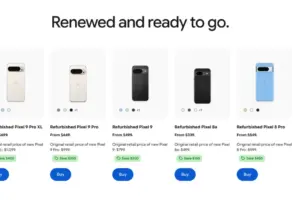
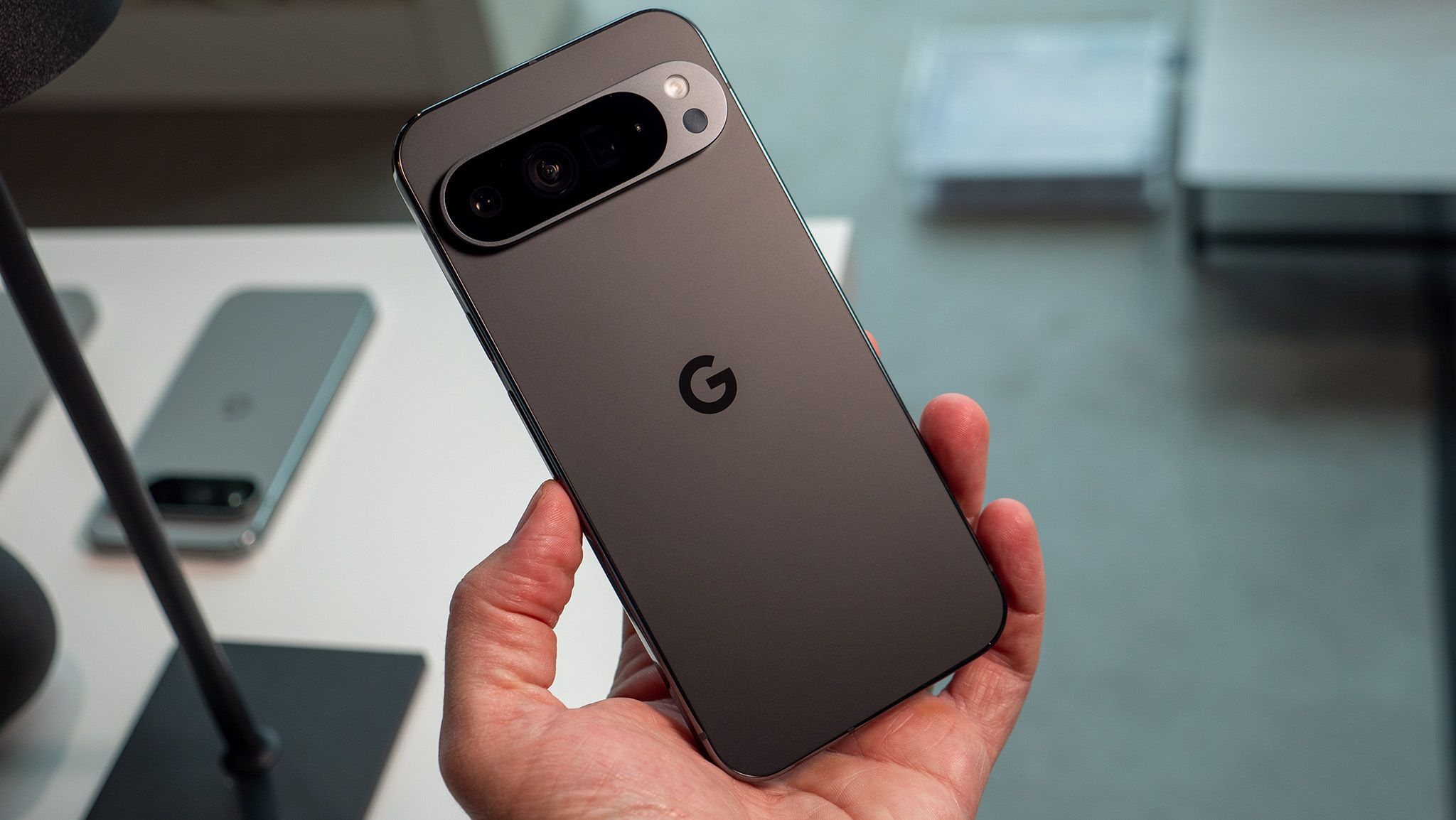
In a strategic maneuver to broaden its market footprint and address the growing consumer demand for sustainable, cost-effective premium technology, Google has officially integrated the Pixel 9 series into its "Certified Refurbished" program in the United States. This development marks a significant shift in how the tech giant manages its hardware lifecycle. By offering the base Pixel 9, Pixel 9 Pro, and the expansive Pixel 9 Pro XL at aggressive price points—starting as low as $499—Google is effectively lowering the barrier to entry for its flagship artificial intelligence ecosystem.
This program is not merely a clearance sale for returned inventory; it is a meticulously managed initiative designed to maintain brand prestige while simultaneously capturing a demographic of budget-conscious power users. By providing genuine parts, rigorous multi-point inspections, and a comprehensive one-year limited warranty, Google is positioning its refurbished hardware as a viable, low-risk alternative to brand-new units. As the smartphone industry grapples with elongated upgrade cycles and price saturation, Google’s aggressive expansion into the secondary market provides a blueprint for how top-tier manufacturers can sustain revenue growth while bolstering their circular economy credentials.
Detailed Chronology: From Launch to Re-Entry
The trajectory of the Pixel 9 series has been one of high performance and rapid adoption. When the lineup first debuted, it was positioned as the pinnacle of Google’s hardware-software integration, leveraging the Tensor G4 processor and deep-learning capabilities to differentiate itself in a crowded Android market.
Following the initial launch window, the standard market flux occurred—early adopters migrated to newer devices, and standard return windows closed. Recognizing a reservoir of high-quality, lightly used hardware, Google’s internal logistics team initiated the refurbishment pipeline.
The Refurbishment Lifecycle
The journey of a "Certified Refurbished" device is significantly more rigorous than a standard trade-in or third-party resale. According to internal documentation from the Google Store:
- Initial Triage: Devices are screened for major functional defects and cosmetic integrity.
- Hardware Restoration: Any component that does not meet stringent operational benchmarks—specifically battery health, display luminosity, and camera module performance—is replaced using exclusively genuine Google components.
- Software Re-Imaging: Each device is wiped clean and re-flashed with the latest factory software, ensuring the user receives a "day-one" experience.
- Final Quality Assurance: A multi-point diagnostic check is performed to verify that every sensor, radio, and button adheres to original factory specifications.
This process ensures that the "refurbished" label carries the same weight as a new purchase, a distinction that is vital for maintaining consumer trust in the high-end smartphone segment.
Supporting Context & Metrics: The Economics of the Secondary Market
The financial implications of this move are substantial. The standard Pixel 9, which debuted at a price point of $799, is now available in the refurbished catalog for $499. This $300 delta represents a 37.5% price reduction, a figure that is highly attractive in the current inflationary economic climate.
Market Comparison Table
| Device Model | Original MSRP | Refurbished Price | Potential Savings |
|---|---|---|---|
| Pixel 9 | $799 | $499 | $300 |
| Pixel 9 Pro | $999 | $649 | $350 |
| Pixel 9 Pro XL | $1,099 | $699 | $400 |
Data compiled from recent Google Store listings.
Beyond the hardware savings, Google is layering in value-added incentives to sway hesitant buyers. The inclusion of a six-month complimentary subscription to the "Google AI Premium" plan—which includes 2TB of cloud storage—is a strategic move. By tethering the hardware purchase to its subscription ecosystem, Google is not just selling a phone; it is onboarding users into a long-term service relationship. The 2TB cloud storage allotment is particularly significant, as it solves the "digital clutter" problem that often drives users toward newer devices with higher base storage capacities.
Official Statements and Quality Assurance
Google has been vocal about the importance of its refurbishment standards. In an era where "Right to Repair" legislation is gaining traction globally, Google’s commitment to using genuine parts is a critical differentiator.
"Every Certified Refurbished Pixel device is inspected with the same rigor as our brand-new products," a representative noted in a statement regarding the program’s expansion. By maintaining parity in the warranty—a full one-year limited warranty—Google is effectively signaling that they stand behind the reliability of these units. This mitigates the primary fear associated with refurbished electronics: the "lemon" factor.
Furthermore, by ensuring that the housing, display, and battery are brought to near-mint condition, Google is successfully avoiding the stigma often associated with second-hand goods. The result is a device that is environmentally responsible—extending the product lifecycle and reducing e-waste—without compromising the premium aesthetic that Pixel users have come to expect.
The Strategic Importance of the Pixel 9
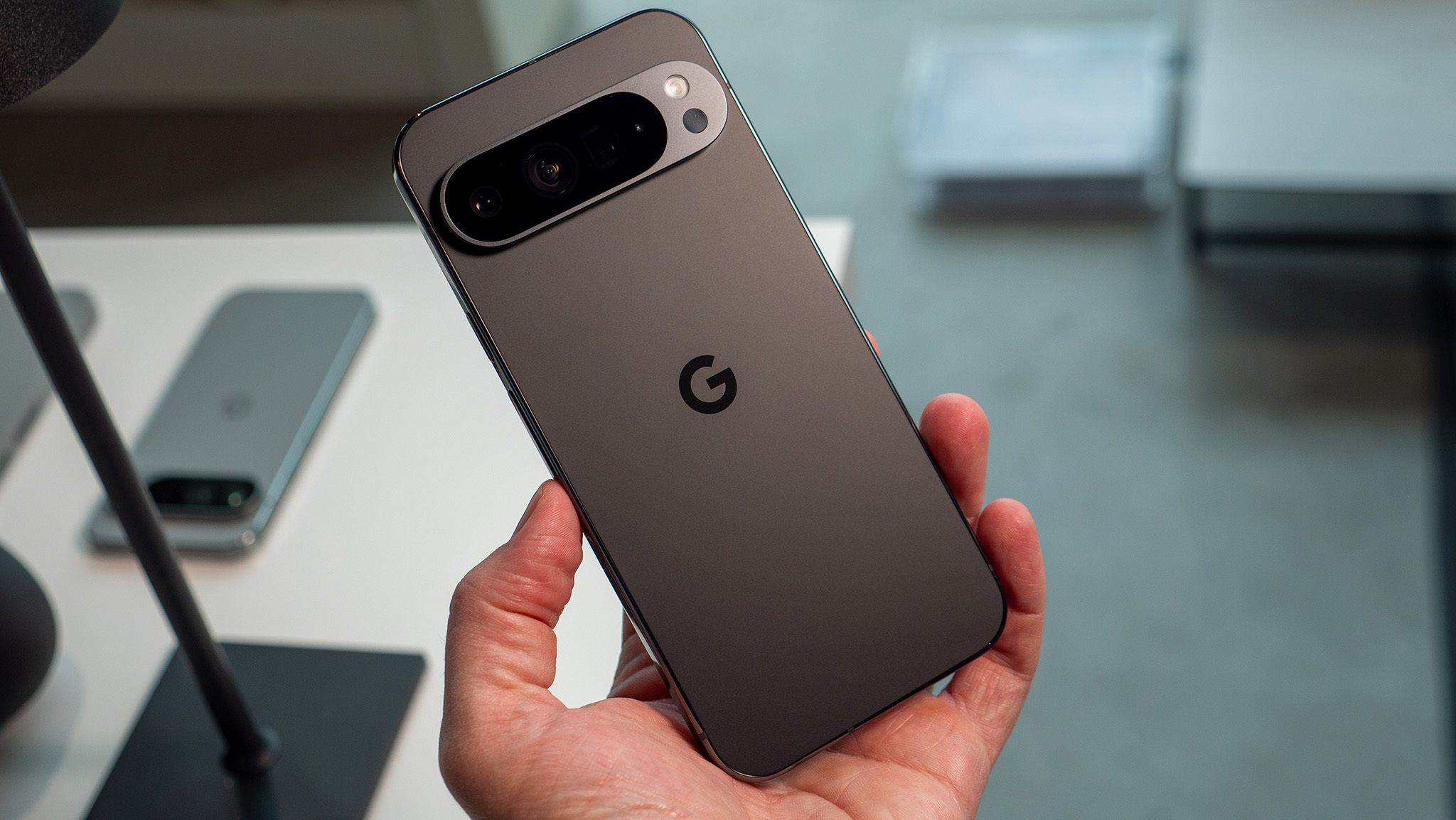
The Pixel 9 series represents a pivotal moment for Google. With the heavy integration of Gemini AI, the series is designed to be a "living" product that improves over time through software updates. By putting these devices into more hands at a lower price point, Google is accelerating the adoption of its AI features.
Why This Matters:
- Market Share Expansion: By capturing price-sensitive customers, Google can compete more effectively with mid-range devices from competitors like Samsung and Xiaomi.
- Data Ecosystem Growth: Every user of a refurbished Pixel 9 is a data point for the Google ecosystem, contributing to the training and refinement of its AI models.
- Sustainability Metrics: As Google pushes toward its 2030 net-zero goals, the circularity of the Pixel program is a vital metric in its ESG (Environmental, Social, and Governance) reporting.
Future Outlook: A Sustained Strategy
Looking ahead, the inclusion of the Pixel 9 in the Certified Refurbished program is likely just the beginning. As the Pixel 10 and subsequent generations arrive, the refurbishment pipeline will become a permanent fixture of Google’s hardware strategy.
We anticipate that this model will evolve to include more robust financing options and perhaps even integration with Google’s trade-in programs, creating a seamless "circular loop" where users trade in their older Pixel for credit toward a refurbished unit of a newer generation.
Furthermore, as supply chains stabilize and the refurbishment process becomes more automated, we may see Google expand this offering to international markets, where the demand for premium-refurbished tech is currently outpacing the availability of reputable, manufacturer-backed sources.
Conclusion
The availability of the Pixel 9 series through Google’s Certified Refurbished program is a "win-win-win" scenario. It provides consumers with high-end technology at a significant discount, offers Google a way to maintain its revenue growth and ecosystem dominance, and serves as a significant step forward in corporate sustainability. For the consumer who has been waiting for the "right time" to upgrade, the threshold has never been lower, nor the quality assurance higher. As Google continues to refine its hardware business, the Certified Refurbished program will undoubtedly remain a cornerstone of its long-term strategy, proving that in the world of high-tech, a second life can be just as valuable as the first.