Executive Overview
In a move that has caught industry analysts and mobile enthusiasts off guard, Motorola appears poised to resurrect one of its most storied mid-range sub-brands: the "Moto One" series. After a hiatus spanning nearly half a decade, the moniker that once defined Motorola’s commitment to Google’s clean, streamlined Android One software initiative is reportedly making a comeback.
Fresh documentation from the Wireless Power Consortium (WPC) database suggests that a new device—bearing the "Moto One" designation—is currently in the late stages of certification. While the industry is currently fixated on the upcoming "Motorola Signature 27," the revelation of a new Moto One suggests a two-pronged strategy: an aggressive push for the flagship market and a strategic revitalization of the mid-to-high-end segment. This article explores the technical implications, the potential market positioning, and the significance of this revival for Motorola’s broader hardware ecosystem.
Detailed Chronology: The Rise and Fall (and Rise?) of Moto One
To understand the significance of this potential return, we must revisit the historical context of the Moto One series. Introduced in 2018, the Moto One lineup was born from a marriage of necessity and innovation. At the time, Google was pushing its "Android One" program—a clean, bloatware-free version of Android that promised rapid security updates and a user experience free from heavy manufacturer "skins."
Motorola embraced this vision, launching devices like the Moto One, One Power, and One Vision. These devices were celebrated for their aesthetic simplicity and commitment to software longevity. However, as market trends shifted toward heavy customization and specialized gaming features, the Android One program lost its momentum. Motorola gradually pivoted toward its proprietary "My UX" interface, and the Moto One series was effectively mothballed by 2020.
The sudden appearance of a new Moto One in the WPC database—the same regulatory body that tests wireless charging standards—signals a major shift. The documentation does not merely suggest a budget device; early performance indicators point toward a handset that could bridge the gap between high-end performance and mainstream accessibility.
Technical Analysis: Beneath the Surface
The WPC database listing is more than just a regulatory formality; it provides a blueprint of the device’s internal architecture.
The Qi2 Wireless Charging Nuance
The most significant technical revelation from the WPC filing is the device’s integration of the Qi2 wireless charging standard. However, there is a critical distinction that power users must note: the device supports the Extended Power Profile (EPP), but notably lacks the Magnetic Power Profile (MPP).
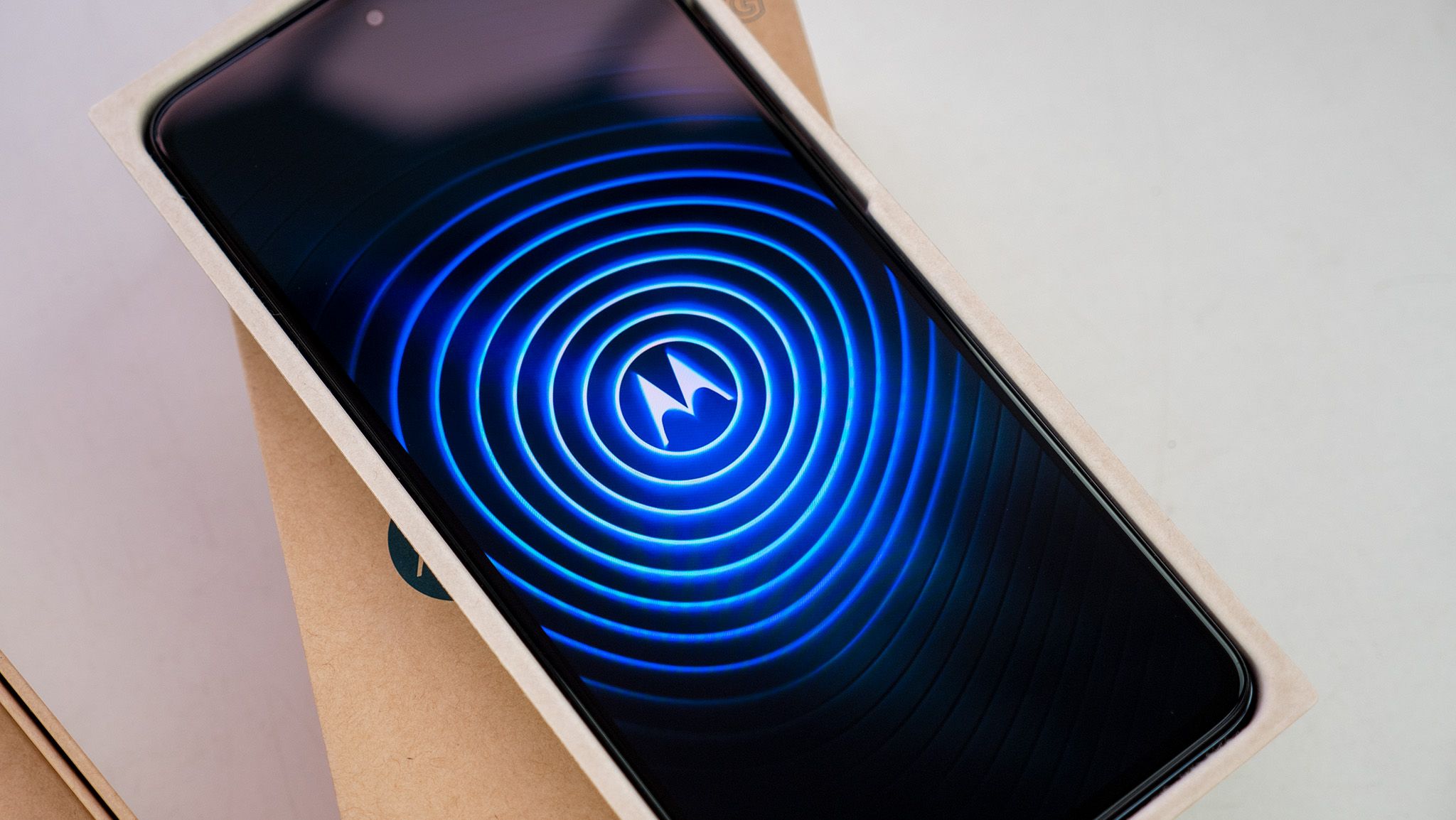
In layman’s terms, this means the device can leverage the more efficient, standardized wireless charging protocols defined by the Qi2 consortium, but it will not feature the magnetic ring array popularized by Apple’s MagSafe. Much like the current approach taken by Samsung with its flagship Galaxy S-series, Motorola is opting for a "wireless-charging-first" approach without forcing the mechanical burden of magnets upon the chassis. This allows for a slimmer, more traditional design language while still benefiting from the improved heat management and efficiency of the latest Qi2 standards.
Performance Architecture
According to industry leaks circulating alongside the WPC certification, the device is slated to be powered by the Qualcomm Snapdragon 8 Gen 5 chipset. This is a significant jump from the previous generation of "One" devices, which typically utilized mid-range silicon. By pairing a high-end processor with up to 12GB of RAM, Motorola is positioning the new Moto One not as a budget "stock Android" phone, but as a "flagship-lite" contender.
The inclusion of a triple-camera array, as hinted by the design schematics, suggests that Motorola is aiming to compete directly with the likes of the Google Pixel "a-series" and the Samsung Galaxy FE (Fan Edition) lineup.
Design Language: Echoes of the Edge
The imagery leaked alongside the WPC filing reveals a design language that is strikingly familiar. The device exhibits the signature "curved display" profile that has become a staple of the Motorola Edge series since 2025.
The aesthetic is characterized by:
- Minimalist Bezeling: The curved glass flows into a slim frame, likely aluminum or a high-durability composite, emphasizing the screen-to-body ratio.
- The Iconic Camera Housing: The rear module maintains the familiar "pill-shaped" or squared-off housing consistent with Motorola’s modern design philosophy, situated in the top-left corner.
- Ergonomic Profiling: The leaked images suggest a focus on thinness and weight distribution, likely intended to appeal to users who find modern "Ultra" or "Pro Max" phones too cumbersome.
By utilizing the existing manufacturing tooling for the Edge series, Motorola is likely attempting to optimize production costs, allowing them to deliver premium hardware specifications at a more competitive price point than a flagship device.
Supporting Context & Market Metrics
Why would a company bring back a five-year-old brand name? The answer lies in market saturation. The mid-range smartphone segment is currently the most competitive space in the global market. Consumers are increasingly hesitant to spend over $1,000 on a smartphone, yet they remain unwilling to sacrifice performance.

- Brand Recall: "Moto One" carries a legacy of reliability and software purity. For a consumer demographic that values longevity and performance over gimmick-heavy features, the name itself is a powerful marketing tool.
- Strategic Differentiation: With the "Signature 27" expected to be a ultra-premium, high-priced flagship, Motorola needs a bridge product. The new Moto One could serve as the "volume seller"—the device that drives the bulk of revenue while the Signature 27 handles the brand prestige.
- Software Strategy: While it is unlikely that Motorola will revert to pure "Android One" software, the "One" brand identity allows them to market a "cleaner, faster" version of My UX, distinguishing it from the feature-dense software found on their more experimental devices.
Official Statements and Industry Outlook
As of this writing, Motorola has maintained a strategic silence. In the world of telecommunications, this is standard procedure; companies rarely confirm the existence of a product until the formal unveiling event. However, the presence of the device in a public certification database serves as a de facto confirmation of its existence.
Industry insiders suggest that an official announcement could occur during the next major mobile tech showcase. The timing is critical. With the Snapdragon 8 Gen 5 being the industry’s next major milestone, a Q3 or Q4 release for the Moto One would allow Motorola to capitalize on the holiday shopping cycle, positioning the phone as a high-performance gift for the tech-conscious consumer.
Future Outlook: A New Paradigm for Motorola
The revival of the Moto One is a calculated risk. It acknowledges that the market has evolved beyond the original premise of "Android One," but it also respects the brand loyalty that the name garnered during its initial run.
If Motorola can successfully marry the high-performance internals of the Snapdragon 8 Gen 5 with the reliable, sleek, and premium design language seen in their recent Edge models, the new Moto One could become a cornerstone of their portfolio. It represents a maturation of the brand—moving away from a disparate collection of models and toward a focused, tiered ecosystem that caters to the enthusiast, the professional, and the budget-conscious power user.
As we await further leaks and official press releases, one thing is clear: Motorola is no longer content with playing a supporting role in the Android ecosystem. By reviving a classic name and infusing it with modern, high-end technology, they are signaling a desire to reclaim the market share they held in the early days of the smartphone revolution. The "One" is coming back—and this time, it looks like it intends to finish what it started.