Executive Overview
The mobile landscape is bracing for a bold, unconventional experiment in hardware design as Honor officially begins its countdown to the release of the Honor 700 series. Scheduled for a high-profile debut in China on November 13, the new lineup seeks to carve out a niche in a crowded mid-range market by integrating sophisticated health-monitoring technology directly into the device’s chassis.
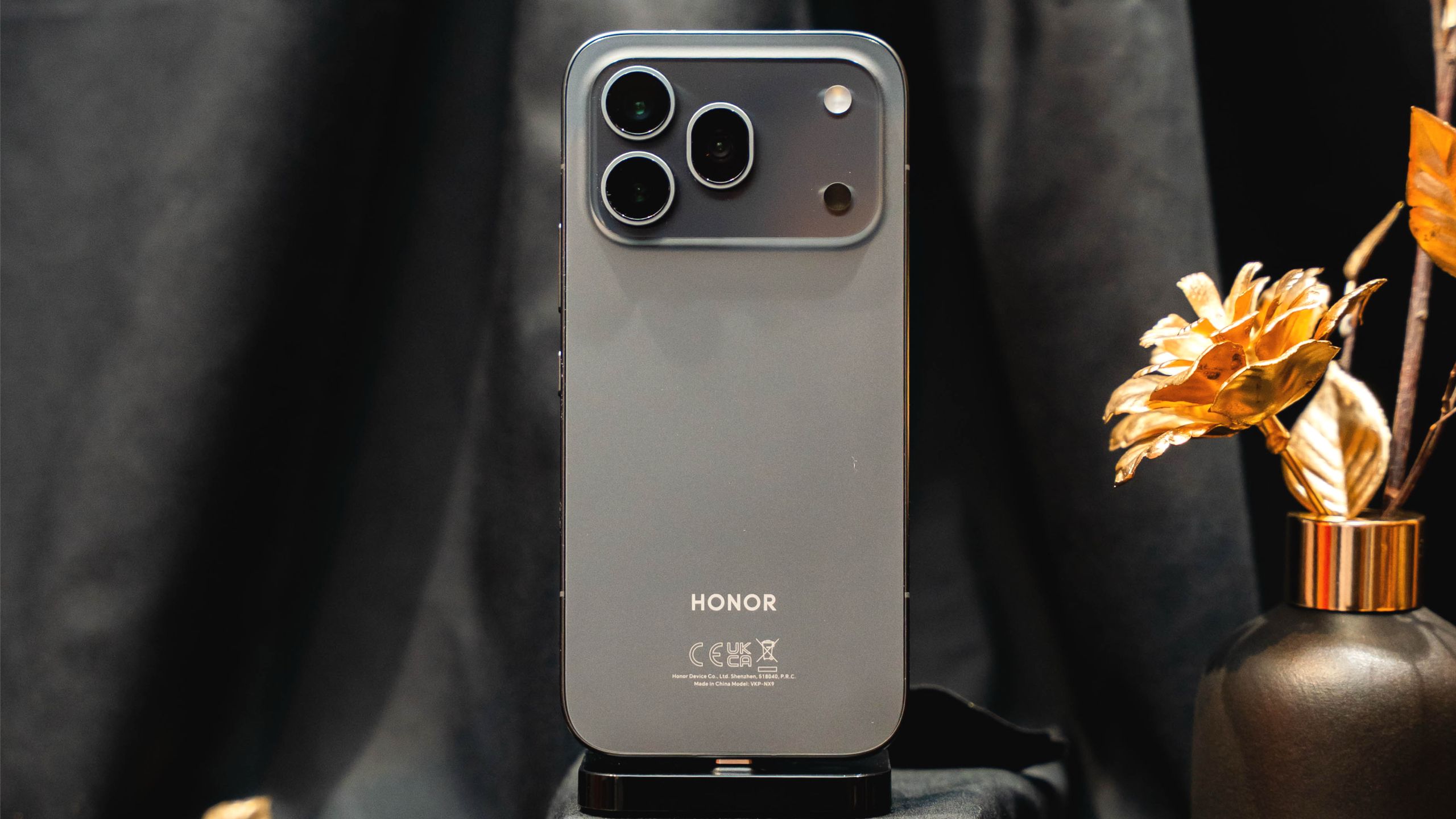
While rear-mounted secondary displays have appeared on various flagship handsets over the past few years—notably within the Xiaomi ecosystem—Honor is pivoting away from the "novelty" trap. By leveraging a discreet rear screen to provide real-time biometric data, including heart rate (BPM) and blood oxygen levels (SpO2), the company is positioning the Honor 700 not merely as a communication tool, but as a wearable-grade health companion. This development marks a significant departure from the company’s recent trajectory, signaling a strategic intent to differentiate its mid-range portfolio through utility-driven hardware innovation.
Detailed Chronology: A Rapid Iteration Cycle
The tech industry is often defined by its pace, but Honor’s cadence with the 700 series is remarkably aggressive. The company only recently brought the Honor 600 series to market in April, a launch that was met with a lukewarm reception from critics who viewed it as a competent, if uninspired, mid-range offering.
By pulling forward the release of the 700 series to late autumn, Honor appears to be attempting to course-correct, infusing its product line with high-impact features that were missing from its predecessors. Industry observers have noted that this rapid turnover suggests a "test-and-learn" methodology, where the company introduces hardware iterations quickly to gauge consumer interest in experimental features like the rear-mounted display.
The leaks, primarily disseminated by the well-connected tipster Digital Chat Station (DCS), have painted a clear picture of what to expect. The series is slated to consist of three distinct models: the standard Honor 700, the high-performance Honor 700 Pro, and the value-oriented 700S. While technical specifications remain fluid, the design language appears consistent across all three, characterized by thin bezels and a refined aesthetic.
Supporting Context: The Evolution of the Rear Display
The concept of a secondary rear screen is not inherently new, but its application has historically been limited to aesthetic customization or simple notification mirroring. Honor’s approach represents a shift toward functional biometrics.
Bridging the Gap Between Smartphone and Smartwatch
In a traditional smartphone, health tracking is reliant on secondary accessories—smartwatches or fitness bands. Honor’s implementation suggests an onboard sensor array that likely utilizes photoplethysmography (PPG) technology, commonly found in optical heart-rate monitors. By positioning this on the rear of the device, Honor allows users to place their finger on the sensor area while the rear display provides instantaneous, visual confirmation of the reading. This eliminates the need for a dedicated app launch or synchronization with a wearable device, streamlining the user experience for those focused on quick health checks.
The Power of 200MP Imaging
Supporting this hardware is a robust camera system, headlined by a 200MP primary sensor. This choice of sensor resolution indicates that Honor is not sacrificing photographic prowess for the sake of its new health features. The inclusion of such a high-resolution primary lens, paired with a 12MP ultrawide and an rumored 50MP telephoto lens on the Pro model, ensures that the 700 series remains competitive in the photography-first mid-range segment.
Analyzing the Technical Landscape
While the Snapdragon 8 Elite SoC powers the premium Pro variant, the base models are expected to utilize the Snapdragon 7 Gen 4. This bifurcated strategy allows Honor to capture both the performance-enthusiast market and the budget-conscious consumer.
However, this disparity in hardware creates a challenge for the user experience. Will the health-monitoring features perform consistently across all three models? Technical experts suggest that the integration of the rear display and its associated sensors requires significant software optimization, particularly in power management. If the secondary screen is left active for long periods, it could create a substantial drain on the device’s battery life, a concern that Honor will need to address with aggressive energy-saving algorithms.
Furthermore, the "industry-exclusive" feature teased by industry insiders remains a point of intense speculation. While heart rate and blood oxygen monitoring are confirmed via the latest promotional materials, there is a possibility that the phone could include advanced stress-tracking or even hydration estimation, leveraging AI-driven data analysis from the rear sensor suite.
Official Statements and Market Positioning
Honor has been characteristically coy regarding the specific internal mechanics of the 700 series, preferring to let the "teasers" do the heavy lifting. In official Weibo communications, the company has highlighted the "dynamic notifications" and "mini-game" capabilities of the rear display, positioning the phone as a device that encourages interaction even when the handset is placed face-down on a desk.
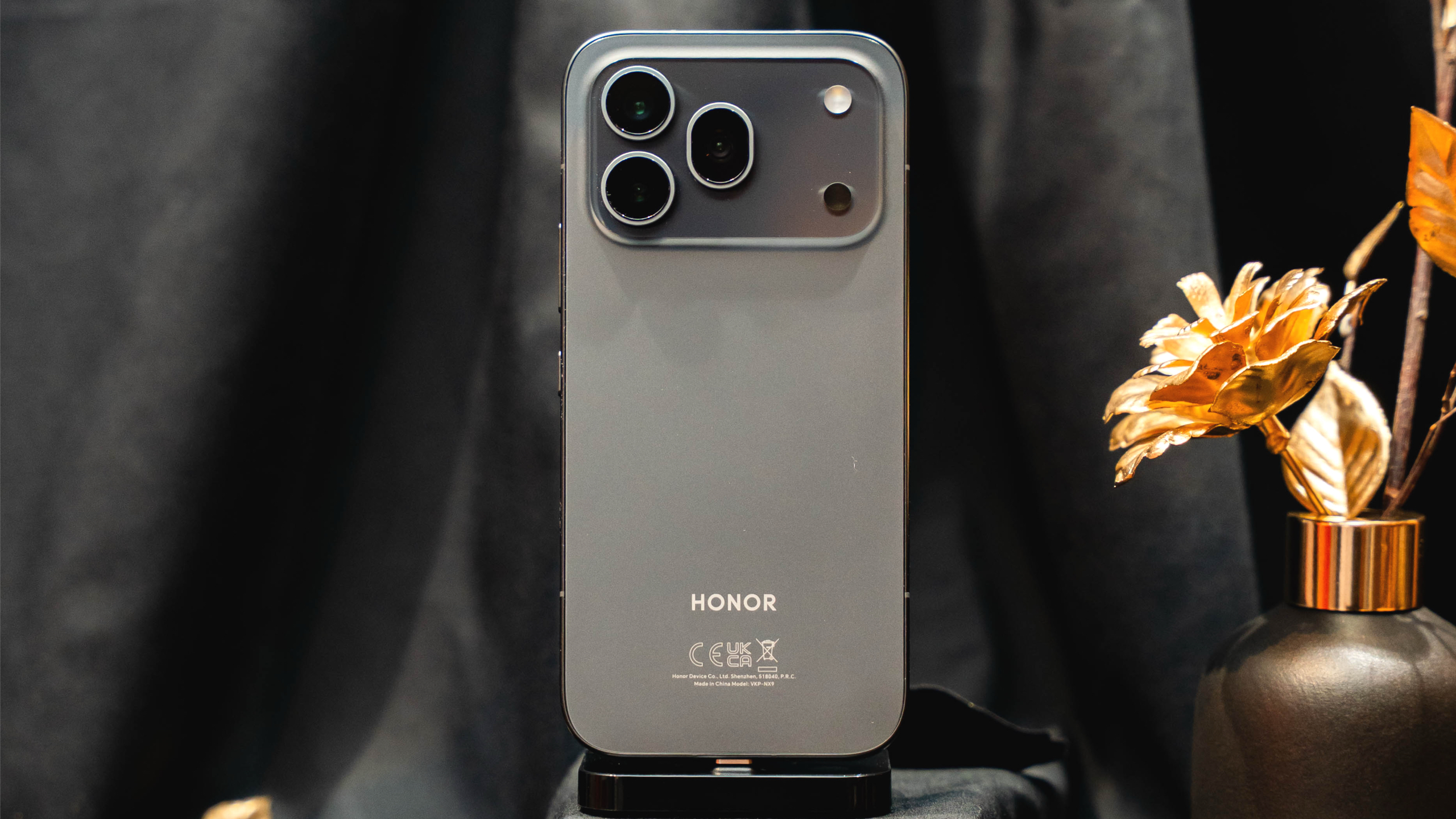
This strategy is clearly designed to combat the "phone addiction" narrative by allowing users to stay informed without being sucked into the primary interface. By gamifying the rear screen and providing health metrics, Honor is attempting to change how we interact with our devices—making the phone a more passive, yet more informative, companion.
Future Outlook: Challenges and Potential
As we approach the November 13 launch, the critical question remains: is this a genuine breakthrough or a gimmick?
The Price-to-Value Dilemma
The biggest hurdle for the Honor 700 series will be pricing. The smartphone market is currently grappling with supply chain volatility, particularly concerning RAM and high-speed storage components. If Honor prices these devices too aggressively, the inclusion of the rear display may be viewed as an unnecessary luxury that inflates the cost. However, if the company can maintain a competitive mid-range price point, the 700 series could define the next generation of "smart" smartphones.
Competitive Response
Should the Honor 700 series succeed, we can expect an immediate response from competitors. Xiaomi, Vivo, and Oppo have all flirted with rear-display designs in the past, and a successful implementation by Honor will likely reignite interest in this form factor across the Chinese and global markets.
Moreover, the integration of health sensors into the phone chassis could signal a broader trend. If users show a preference for having health data available at the tap of a finger—without the requirement of a secondary wearable—we may see a shift away from the reliance on smartwatches, potentially changing the wearables market as we know it.
Final Verdict
The Honor 700 series represents a bold, if risky, bet. By integrating advanced health monitoring and functional secondary displays into a mid-range chassis, Honor is attempting to provide a "flagship-plus" experience. Whether the software can keep pace with the hardware, and whether the market is ready to embrace a smartphone that doubles as a health monitor, will be determined in the coming weeks. For now, the tech community remains tuned in, waiting to see if this series will be the catalyst that finally makes the "rear display" trend a staple of modern mobile design, rather than just another passing fad.