Executive Overview
The smartphone industry stands at a critical juncture, and OPPO is positioned squarely in the middle of it. As the Chinese tech giant prepares for the release of its next-generation flagship, the Find X10 Ultra, internal testing reports suggest a monumental shift in hardware philosophy. For years, the "Ultra" moniker in the Android space has been synonymous with top-tier Qualcomm Snapdragon silicon. However, emerging intelligence from industry insiders indicates that OPPO is actively benchmarking its upcoming flagship with MediaTek’s high-performance Dimensity 9600 Pro.
This potential pivot is not merely a supply chain adjustment; it represents a strategic recalibration. By exploring both the Dimensity 9600 Pro and the Snapdragon 8 Elite Extreme Gen 6, OPPO is attempting to balance the raw, market-proven dominance of Qualcomm with the architectural efficiency and cutting-edge 2nm process technology offered by MediaTek. At the heart of this decision is the Lumo True Image Engine—a proprietary imaging software suite that OPPO hopes will act as the great equalizer, ensuring a premium photographic experience regardless of the processor beating at the phone’s core.
Detailed Chronology: A Dual-Path Development
The narrative of the Find X10 Ultra began in the early R&D labs of OPPO’s headquarters, where engineers were tasked with pushing the boundaries of mobile photography. According to recent reports from the prominent Weibo leaker "Smart Pikachu," the company has been running parallel development tracks for its flagship device.
The MediaTek Experiment
The inclusion of the Dimensity 9600 Pro in testing is a significant vote of confidence in MediaTek’s recent trajectory. Built on TSMC’s state-of-the-art 2nm fabrication process, the Dimensity 9600 Pro boasts a powerhouse architecture: two C2-Ultra cores clocked at a blistering 4.55GHz, supported by six additional performance cores. Because OPPO has already committed to this chipset for the Find X10 Pro Max, integrating it into the Ultra would unify the flagship lineup’s internal architecture. This could lead to economies of scale and more cohesive software optimization across the product stack.
The Qualcomm Stalwart
Despite the intrigue surrounding the MediaTek implementation, the industry consensus remains that Qualcomm’s Snapdragon 8 Elite Extreme Gen 6 is the likely candidate for the final retail version of the Find X10 Ultra. Qualcomm has long held the "gold standard" status for Android flagships, particularly concerning ISP (Image Signal Processor) integration. For a phone that positions its camera as its primary selling point, the deep-rooted compatibility between Snapdragon chips and third-party sensor manufacturers remains a difficult hurdle for competitors to clear.
Supporting Context & Metrics: Defining the "Ultra" Experience
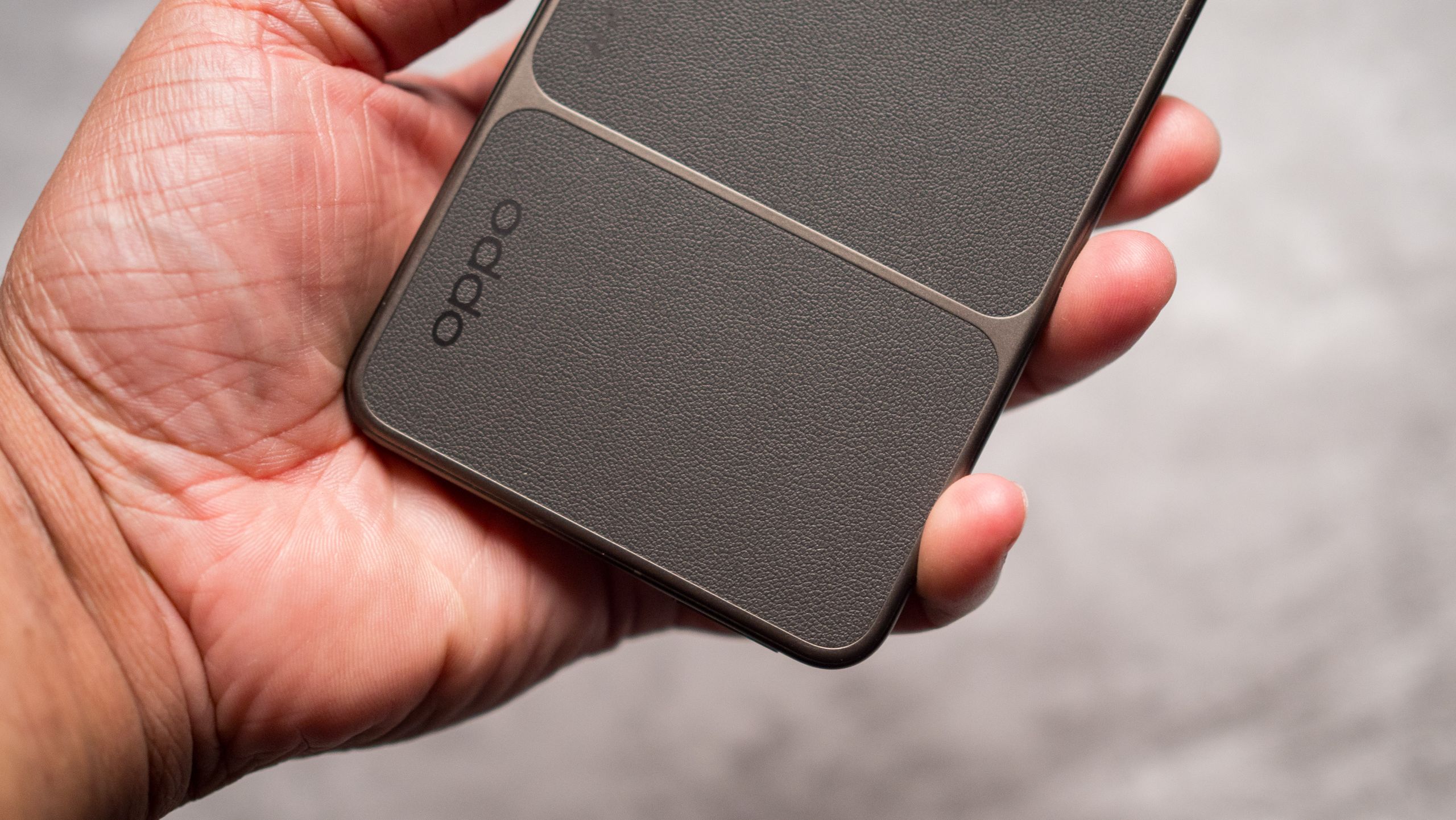
The Find X10 Ultra is rumored to be an imaging juggernaut. If the leaked specifications hold, the hardware configuration is designed to redefine mobile photography, shifting the focus away from raw chipset benchmark scores and toward tangible sensor performance.
The Imaging Arsenal
- Primary Sensor: A massive 200MP main camera utilizing a 1/1.12-inch sensor. This scale allows for significant light gathering, essential for low-light performance.
- LOFIC Technology: The integration of Lateral Overflow Integration Capacitor (LOFIC) tech is the most significant advancement. By preventing "highlight clipping"—the phenomenon where bright areas of a photo lose detail—LOFIC allows the sensor to capture an unprecedented level of dynamic range. This is the difference between a blown-out sky and a textured, cloud-filled horizon.
- Periscope Versatility: The device is expected to feature a dual-periscope array. This includes a second 200MP periscope lens for high-resolution zoomed shots and a dedicated 50MP periscope lens capable of 10x optical zoom, effectively covering the focal length gap that has plagued mobile photography for a decade.
- The Selfie Revolution: Perhaps most ambitiously, rumors point to a 100MP front-facing camera. While high megapixel counts on front sensors are often criticized as marketing fluff, when paired with the Lumo True Image Engine, it suggests a push toward professional-grade video conferencing and high-fidelity content creation capabilities.
The Role of Software
The Lumo True Image Engine is the glue holding this hardware together. By decoupling the camera’s processing logic from the chipset’s native ISP to a degree, OPPO is attempting to ensure that the "OPPO Look"—the specific color science and computational photography style the brand is known for—remains consistent. Whether the phone uses a MediaTek or a Qualcomm chip, the user experience regarding shutter speed, HDR processing, and skin-tone accuracy should, in theory, remain identical.
Official Statements and Industry Impact
While OPPO has maintained a "no comment" stance on the specific chipset configuration for the Find X10 Ultra, their recent disclosures regarding the Find X10 Pro Max confirm that the company is comfortable with the MediaTek Dimensity 9600 Pro.
Industry analysts observe that this move is a clear signal to Qualcomm. For years, the premium Android market has been a duopoly, or effectively a monopoly for Qualcomm at the highest price points. By signaling that the "Ultra" tier—the most prestigious segment of their portfolio—is open to MediaTek, OPPO is putting pressure on Qualcomm to maintain competitive pricing and performance guarantees.
"The decision to test both platforms indicates that OPPO is prioritizing supply chain security and performance parity over brand loyalty," says a leading analyst in the semiconductor space. "If they can prove the Lumo engine performs equally well on a 2nm MediaTek chip, they gain immense leverage in future negotiations with Qualcomm."
Future Outlook: The Road to 2027
The expected release window for the Find X10 Ultra is the first half of 2027, centered on the Chinese market before a potential global rollout. As we approach this date, several factors will dictate the final configuration:
- Thermal Management: The 2nm process of the Dimensity 9600 Pro is promising, but real-world thermal performance under the strain of a 200MP computational imaging load will be the deciding factor.
- ISP Synergy: Can the MediaTek chip handle the massive data throughput required by three distinct 50MP+ sensors without introducing shutter lag?
- Consumer Perception: Will the market accept an "Ultra" flagship that isn’t running on the latest Snapdragon silicon? History suggests that brand prestige is a powerful force, but if the camera performance is objectively superior, the silicon brand may become secondary.
Ultimately, the Find X10 Ultra represents a transition period for the industry. It is a device that recognizes that the "chipset war" is largely plateauing, while the "imaging war" is just beginning to heat up. Whether the final box contains a Snapdragon or a Dimensity chip, the true test will be whether OPPO can leverage its proprietary software to create a device that feels like a singular, unified vision of the future of mobile photography.
For now, the wait continues. With the first half of 2027 as the target, OPPO has the luxury of time to refine its algorithms and finalize its choice. For the end-user, the competition between these two chip giants can only result in one outcome: a better, more powerful, and more capable flagship device.