Executive Overview
A sprawling, high-stakes federal investigation into the notorious ShinyHunters hacking collective has unearthed a dark underbelly within the cybersecurity and ransomware negotiation ecosystem. According to internal sources close to the probe, U.S. federal investigators have identified executives at two separate ransomware negotiation firms who allegedly maintained unusually close, illicit ties to the extortion syndicate. One U.S.-based executive is even accused of actively operating a pressure portal designed to coerce victims into compliance.
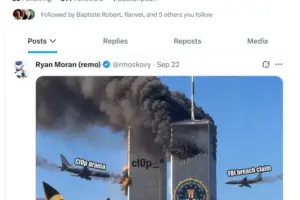
The investigation ignited following a series of aggressive cyberattacks, culminating in a late-September breach of the FBI’s recruitment portal, fbijobs.gov. This audacious attack—which exposed sensitive psychological evaluations, Social Security numbers, and personal identifiers of federal personnel—prompted an unprecedented and rapid law enforcement counter-offensive spanning multiple continents.
Subsequent arrests in the Netherlands, Canada, and Jordan have laid bare a tangled web of double-crosses, murder-for-hire plots, and profound conflicts of interest. As federal prosecutors unseal indictments against prominent figures in the cyber remediation space, the industry faces a reckoning over the porous ethical boundaries separating digital defense firms from the cybercriminals they are paid to neutralize.
Detailed Chronology and Investigations
The Fall of Pepijn van der Stap and the Signal Leaks
The unraveling of the modern ShinyHunters operation began in earnest on the evening of September 15, 2026. In a dramatic pre-dawn raid, Dutch law enforcement utilized flash-bang grenades to stun and apprehend Pepijn van der Stap, a convicted hacker and senior ShinyHunters suspect, while he was actively logged into his digital accounts.
Crucially, police seized Van der Stap while he was communicating via the encrypted messaging app Signal. This immediate physical intervention allowed investigators to harvest live chat logs, exposing a direct, unobstructed digital pipeline between the Dutch hacker and high-profile ransomware negotiators based in the United States and Canada.

According to sources close to the inquiry, Van der Stap’s Signal messages revealed far more than routine extortion operations. Investigators reportedly discovered evidence linking Van der Stap to an unexecuted murder-for-hire plot targeting individuals abroad. While these contracts were never fulfilled, the chilling discovery underscored the violent escalation of modern cyber extortion rings.
The Arrest of Edward Dubrovsky
The decrypted communications proved to be a master key for federal prosecutors. On October 9, the FBI arrested Edward Dubrovsky, a 54-year-old Canadian cybersecurity executive and the co-founder of CyberSteward. Dubrovsky—who had recently authored a published book on navigating cyber extortion that advocated for open communication with threat actors—was charged with threatening to disclose hacked data and interfering with interstate commerce through extortion.
Court records and filings indicate that prosecutors requested Dubrovsky remain detained pending trial, keeping much of the docket under seal. Investigators allege that Dubrovsky’s Signal chats with Van der Stap showed he possessed advance knowledge of incoming ShinyHunters attacks—often knowing details about victims before the victim organizations themselves were aware of the breach. Most damningly, federal investigators claim Dubrovsky knew the hackers had successfully compromised core FBI servers but willfully withheld this intelligence from the Bureau, maintaining silence right up until ShinyHunters weaponized the data on social media.
Supporting Context & Metrics
The Mechanics of "Shinywire"
Federal investigators believe the operational corruption extended beyond mere tip-offs. Sources indicate that at least one executive at a prominent, US-based consulting firm employing over 1,000 associates played an active role in running shinywire[.]com, a now-defunct extortion portal utilized by ShinyHunters.
Active between May 3 and October 16, the Shinywire domain hosted profiles for nearly 100 corporate and institutional victims. The site operated on a strict psychological countdown: organizations were given seven days to negotiate payment terms. Failure to engage resulted in the wholesale public release of stolen intellectual property, financial ledgers, and trade secrets on Tor-based leak sites.

A prime example cited by digital forensics teams is Intuitive Surgical, an American medical technology giant breached in March 2026 via targeted credential phishing. The Shinywire portal publicly hosted samples of the firm’s sensitive files, weaponizing the corporate data pipeline to extract maximum ransom leverage.
Evolution of the "Ghostbyte" Connection
The roots of collaboration between institutional negotiators and threat actors may run even deeper than current indictments suggest. Former colleagues of Daniel Tobok, the former chief executive of incident response firm Cypfer, revealed that years prior, ransomware syndicates knew Tobok by a specific moniker: Ghostbyte.
In a 2018 Dharma ransomware incident involving a Canadian firm, the Russian-language affiliate explicitly directed victims seeking structural guarantees to contact an IT professional via the email address [email protected]. Digital intelligence firm Constella Intelligence subsequently linked an email address frequently used by Tobok ([email protected]) to online accounts bearing the username "ghostbyte." Furthermore, Constella tied the Dharma representative’s wallet address to blockchain transactions processing roughly 43 bitcoin (valued at approximately $3.5 million today).
While Tobok has not responded to multiple requests for comment, the corporate fallout has been severe. Cypfer, recently acquired by the Apros Group (led by former FBI special agent Jason Hogg), issued statements maintaining that the firm does not facilitate ransom payments, had no prior knowledge of Dubrovsky’s arrest, and operates independently from CyberSteward.
Official Statements and Industry Metrics
The Economics of Extortion and Conflicts of Interest
The unfolding scandal has cast a harsh spotlight on the financial models driving the multi-billion-dollar ransomware remediation industry. Industry experts note that while paying ransoms is not federally illegal (unless interacting with U.S. Treasury-sanctioned entities like certain Russian state-backed groups—ShinyHunters is currently unsanctioned), the fee structures utilized by some remediation firms create a profound conflict of interest.

Mark Camillo, CEO of cyber insurance consortium CyberAcuView, highlighted the systemic dangers of percentage-based fees. While some firms charge standard flat retainers, others take a cut of the total ransom negotiated.
"This makes no sense if they are also the negotiator," Camillo stated. "There needs to be more transparency in the process as no one in the ecosystem should be profiting purely on the size of the ransomware transaction or payment itself."
This incentive structure pushes rogue negotiators to secure higher payouts, aligning their financial success directly with the criminal profitability of syndicates like ShinyHunters—who, according to FBI estimates, have extorted over $70 million in 2026 alone.
DOJ Crackdown on Compromised Negotiators
The federal government is actively targeting this corrupted frontier. The Department of Justice has brought down hammer blows on multiple fronts:
- MonsterCloud CEO Zohar Pinhasi (50): Charged on October 7 with wire fraud and conspiracy. Prosecutors allege Pinhasi charged clients $19 million for ransomware remediation while secretly paying hackers only $8 million behind his clients’ backs.
- Angelo Martino: A Florida-based negotiator sentenced in July to 70 months in federal prison for collaborating with the Blackcat/ALPHV ransomware group, passing confidential victim negotiation strategies to attackers to maximize extortion payouts.
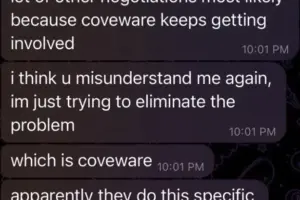
Conversely, ethical firms like Coveware and Unit 221B have taken hardline stances against paying ShinyHunters, warning clients that threat actors frequently retain copies of stolen data even after ransoms are paid. These warnings have incurred the wrath of the hackers themselves. Internal Telegram chats recovered by investigators show ShinyHunters leadership complaining bitterly that Coveware was tanking their business margins, with syndicate leaders openly plotting to "eliminate the problem."

Future Outlook
The convergence of elite hacking syndicates, corporate remediation firms, and internal betrayals marks a watershed moment in global cybersecurity. The arrest of high-profile figures like Edward Dubrovsky and the cooperation of detained Jordan-based ringleader "Rey" signal that international law enforcement is no longer content merely playing defense at the perimeter.
Moving forward, the incident response and cyber insurance industries face mandatory introspection and sweeping regulatory pressure. Without stringent transparency requirements regarding cryptocurrency handling, percentage-based fee bans, and rigorous vetting of third-party negotiators, the boundary between corporate defender and cyber extortionist will remain perilously thin. The ongoing federal investigations guarantee that the current wave of indictments is merely the opening salvo in a much broader cleansing of the cybersecurity ecosystem.