Executive Overview: A Premium Promise Compromised
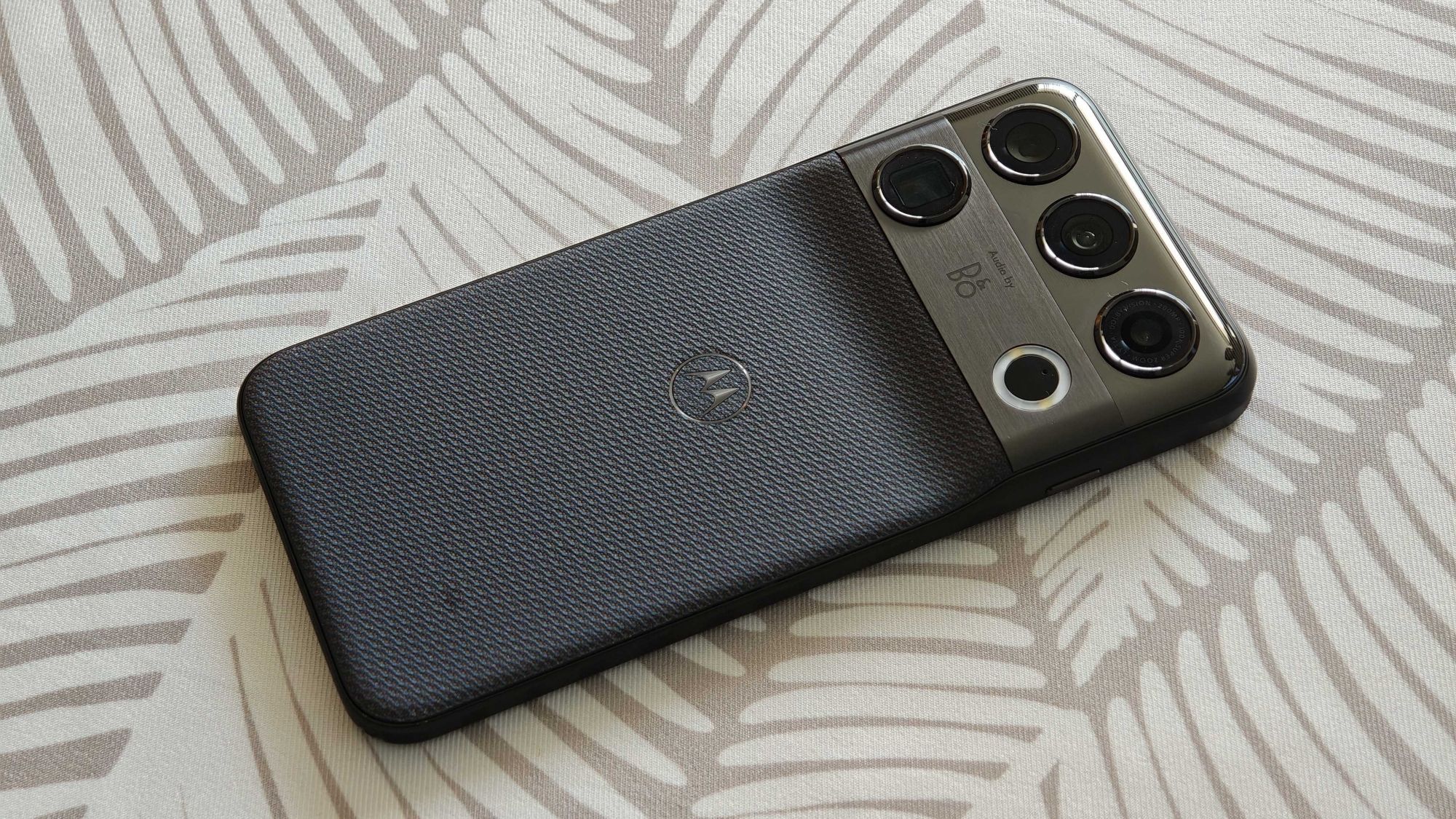
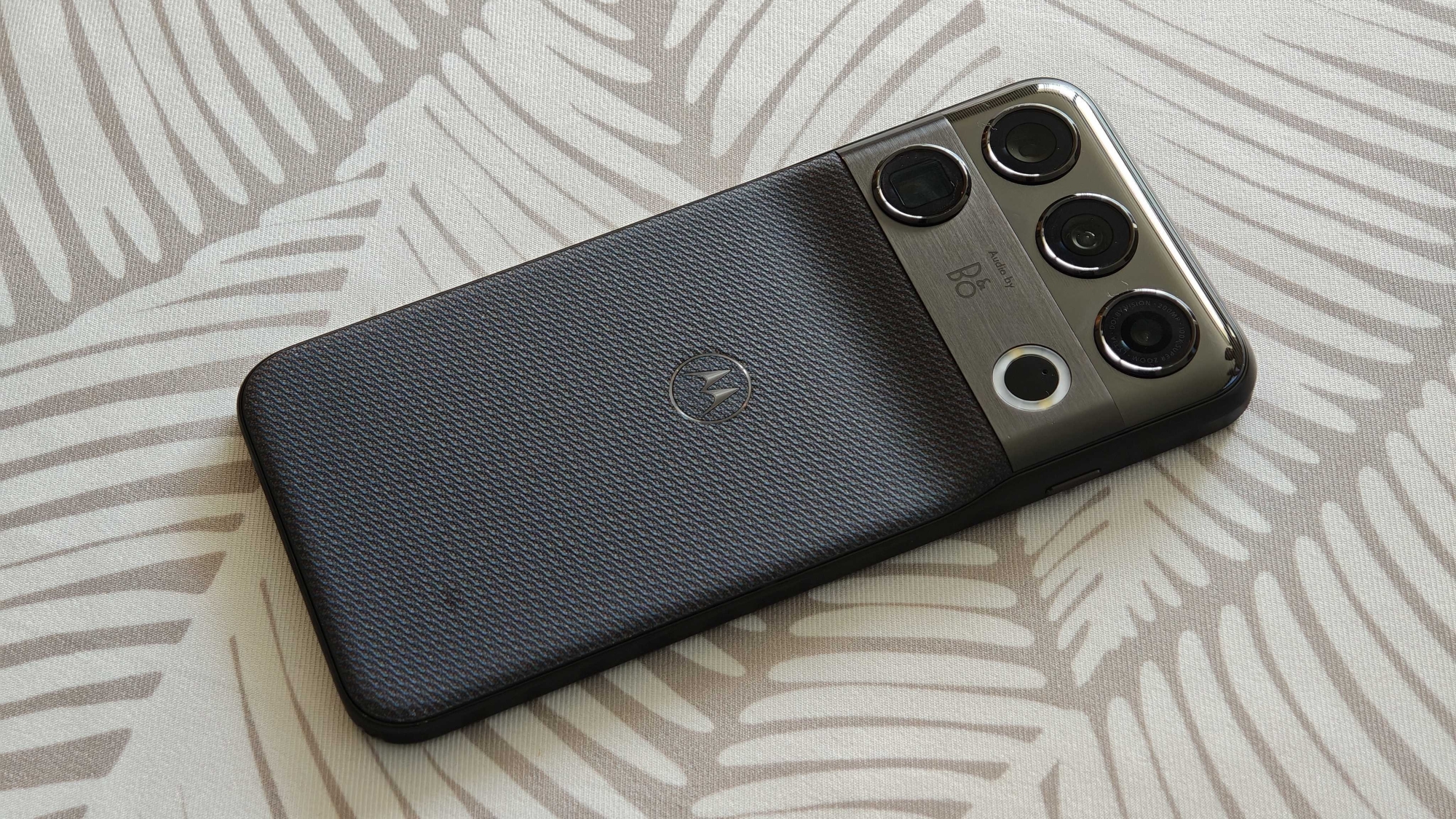
Motorola’s entry into the ultra-premium smartphone market, the Signature 27, was designed to be a definitive statement of intent. With an aggressive design philosophy, a cutting-edge display, and the inclusion of Qualcomm’s latest silicon, the device arrived with the heavy burden of expectation. However, a significant discrepancy in hardware specifications has emerged, casting a shadow over the device’s global rollout.
Consumers in Germany are set to receive a version of the Signature 27 with a 5,500mAh battery—a substantial 1,500mAh reduction from the 7,000mAh capacity advertised in other international markets. Motorola has officially attributed this move to local regulatory compliance, specifically regarding lithium battery density and safety protocols. This news has sparked a broader conversation about the challenges of balancing "premium" hardware ambitions with the fragmented regulatory landscapes of the European Union. While the phone remains a technical powerhouse, the regional downgrade forces a complex trade-off between peak performance and localized legal adherence.
Detailed Chronology: From Launch Hype to Regulatory Reality
The narrative surrounding the Signature 27 began with a promise of unprecedented endurance. During the device’s initial unveiling, Motorola leaned heavily into its 7,000mAh "power-user" battery—a spec that was widely touted as a key differentiator against rivals like Samsung and Apple, whose flagship devices rarely exceed the 5,000mAh threshold.
The confusion began when early adopters and tech analysts noted conflicting data sheets appearing in European regions. Initial reports suggested that the discrepancy might be a clerical error or a temporary supply chain adjustment. However, as inquiries intensified, the situation crystallized into a definitive regional policy.
Following a direct inquiry to the manufacturer, a Motorola spokesperson confirmed that the German variant of the Signature 27 would indeed be limited to a 5,500mAh cell. This admission marked a turning point in the product’s launch cycle, transitioning from a story about "unrivaled power" to one about "regulatory friction." While reports from the United Kingdom initially hinted at a similar downgrade, subsequent updates suggest the UK market may retain the 7,000mAh configuration, further complicating the narrative of why specific European markets are being targeted for these adjustments.
Supporting Context & Metrics: Analyzing the Performance Gap
To understand the gravity of this change, one must look at the math. A 1,500mAh reduction is not merely a rounding error; it represents roughly 21% of the total capacity.
The Efficiency Cost
Based on early testing metrics, the original 7,000mAh cell was estimated to provide approximately 77 hours of standby and mixed-use battery life. With the reduction to 5,500mAh, the projected endurance drops to roughly 61 hours. This 16-to-17-hour deficit is a tangible loss for power users who rely on their devices for intensive productivity, gaming, and media consumption.
The Hardware Context
Despite the battery cut, the rest of the Signature 27’s internal architecture remains unchanged, which highlights the engineering ambition behind the phone:
- The Display: A 6.8-inch "Extreme AMOLED Duo" screen capable of a staggering 12,000 nits of peak brightness. Such a display is notoriously power-hungry, meaning the battery reduction will be felt more acutely here than in a device with a standard display.
- The Processor: The device is powered by the Snapdragon 8 Elite Extreme Gen 6 SoC. This chipset represents the bleeding edge of mobile performance, but it also demands significant power under load.
- Thermal Management: To offset potential heat issues, Motorola integrated an "ArcticMesh" cooling system, which has been expanded by 40% compared to previous generations. While this helps performance, it cannot mitigate the fact that there is simply less chemical energy stored in the chassis to feed the high-performance hardware.
Official Statements & Regulatory Challenges
Motorola’s official stance emphasizes that the decision was not a choice of cost-cutting, but a matter of necessity. The company’s communication noted that they "had to comply with local regulatory requirements related to lithium batteries."
While Motorola did not explicitly detail the exact regulation in question, industry experts point to the evolving EU battery directives. These regulations often dictate strict standards for battery energy density, thermal safety, and the ability for users to eventually replace the battery. In some instances, the physical footprint or the chemical composition required to reach 7,000mAh in a slim, premium chassis may have failed to meet specific safety thresholds set by German regulatory bodies.
This creates a "regulatory ceiling" for manufacturers. By prioritizing a thin and light industrial design, Motorola likely hit a wall where increasing the capacity beyond 5,500mAh would have required a bulkier chassis or a different battery chemistry that did not meet the company’s own "premium" design standards for the handset’s aesthetics.
Comparative Analysis: Is 5,500mAh Still "Premium"?
A critical aspect of this controversy is the psychological perception of value. If we compare the Signature 27 to the current market leader, the Samsung Galaxy S25/S26 Ultra, we see a recurring theme. The Samsung "Ultra" series has long been considered the gold standard of premium Android, yet it consistently utilizes a 5,000mAh battery.
If the market accepts a 5,000mAh battery as "premium" in a Samsung device, why does the reduction to 5,500mAh feel like a betrayal for Motorola?
- Expectation Setting: Motorola marketed the 7,000mAh capacity as a primary pillar of the phone’s identity. The loss of that feature feels like a broken promise, whereas Samsung’s steady, consistent capacity is viewed as a known quantity.
- Display Demands: The 12,000-nit display on the Signature 27 is significantly brighter than the competition. Higher brightness requires more power, making the battery capacity more critical to the user experience than it might be for a device with a less ambitious screen.
Future Outlook: The Fragmentation of Global Tech
The situation with the Motorola Signature 27 serves as a bellwether for the future of global hardware releases. As international markets continue to diverge in their regulatory requirements—ranging from environmental standards in the EU to safety certifications in Asia and North America—the era of the "global flagship" is becoming increasingly difficult to maintain.
What This Means for Consumers
For the average consumer in Germany, the Signature 27 remains a top-tier device. It possesses the same elite chipset, the same innovative cooling, and the same revolutionary display. However, the "premium" label is now tied to a caveat. If you are a user who values extreme battery life above all else, this regional variation makes the device less attractive than it would be in a market like the United States.
The Road Ahead for Motorola
Motorola must now manage the PR fallout of this regional disparity. If the company intends to maintain its reputation as a premium player, it will need to ensure that future iterations of the Signature line are designed with these global regulatory hurdles in mind from the prototype stage.
Ultimately, the Signature 27 will likely be remembered not just for its peak performance, but as a cautionary tale about the complexities of international trade and the hidden impact of local bureaucracy on global technology. While the 5,500mAh battery is still objectively capable, the "missing" 1,500mAh will remain a point of contention, reminding us that in the world of high-end tech, what you see is not always what you get, depending entirely on where you live.