Executive Overview: A Paradigm Shift in Living Room Intelligence
The landscape of home entertainment is on the precipice of a significant transformation. While the current Google TV Streamer has firmly established itself as a cornerstone of the modern smart home—offering a refined interface and robust hardware performance—insider reports suggest that Google is already deep into the development of its successor. This next-generation iteration is not merely a modest refresh; it represents a strategic pivot toward proactive, ambient computing.
By integrating far-field microphone technology and advanced presence-sensing capabilities, the forthcoming device aims to bridge the gap between a passive streaming box and a proactive, AI-driven smart home hub. As competition in the premium streaming space intensifies—with rivals like Apple rumored to be bolstering their own hardware portfolios—Google’s move to refine its flagship streamer underscores a broader ambition to own the "living room experience." This article explores the reported hardware specifications, the architectural shifts in design, and the broader implications of Google’s push toward a more intuitive, voice-command-centric television ecosystem.
Detailed Chronology: From Chromecast to the Next-Gen Streamer
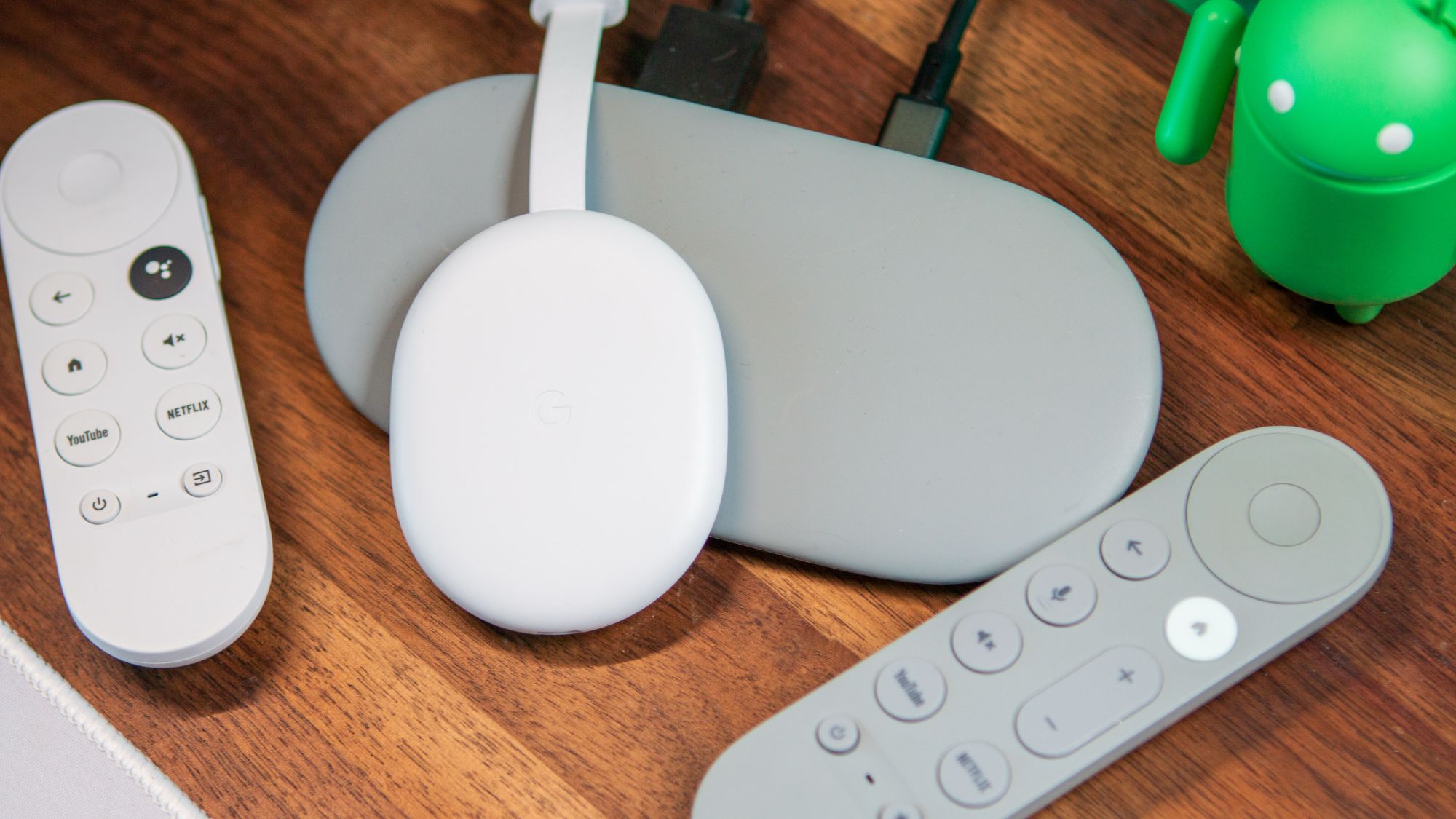
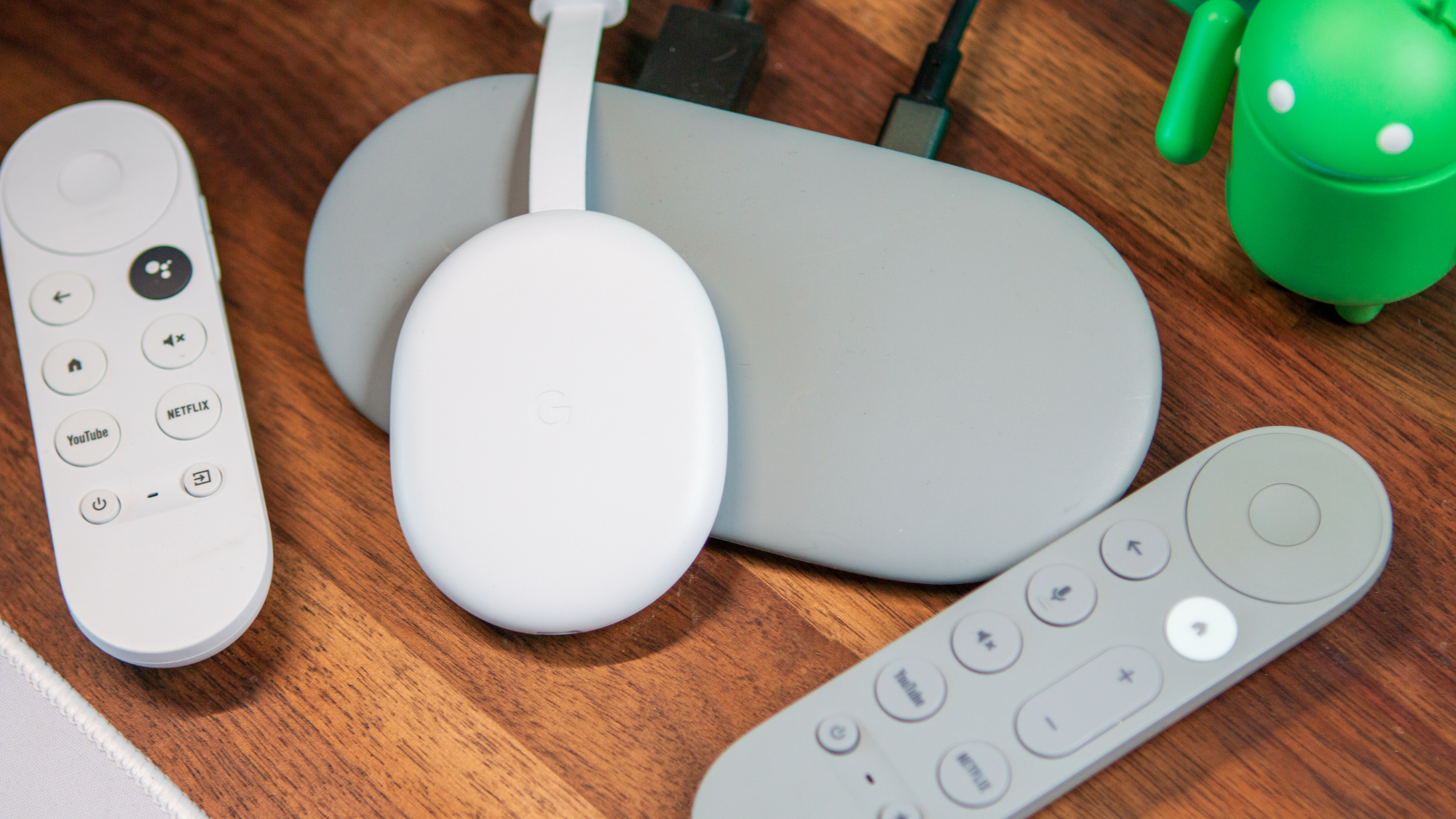
To understand the significance of this upcoming release, one must contextualize the trajectory of Google’s hardware strategy. For years, the Chromecast series prioritized simplicity: a "dongle-first" philosophy that focused on casting content from mobile devices to the big screen. However, the release of the Google TV Streamer marked a departure from that portable, hidden-away aesthetic, introducing a dedicated, premium set-top box designed to sit proudly beneath the television.
The Current Landscape
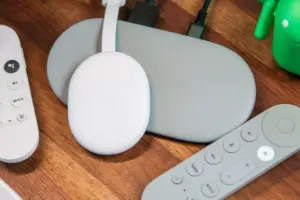
The current Google TV Streamer, despite a recent $50 price adjustment, remains a market leader. It successfully moved the needle by offering 32GB of storage and a responsive UI that feels leagues ahead of the budget-tier streamers that saturated the market in the early 2020s. Yet, users have long clamored for deeper integration with Google’s ecosystem—specifically, the ability to control their environment without the friction of a physical remote.
The Pipeline to Version 2.0
Recent reports from 9to5Google have cast light on a new device currently in development. This next-gen model is expected to:
- Refine the Industrial Design: While maintaining the minimalist silhouette of its predecessor, the new model is rumored to be narrower, adopting a more compact footprint that minimizes visual clutter on media consoles.
- The Microphone Revolution: Perhaps the most radical change is the transition from remote-based voice input to on-device far-field microphones. This removes the "middleman" of the remote, allowing for natural, hands-free interaction with the Google Assistant and the burgeoning Gemini AI integration.
- Presence Sensing: Borrowing from high-end smart home protocols, the device will reportedly utilize sensors to detect human presence, allowing the TV to act as an ambient display that reacts to the user before they even sit down.
Supporting Context & Metrics: Why the Hardware Matters
The shift toward more powerful hardware is not just for the sake of specifications; it is a response to the increasing demands of modern streaming and AI-driven interfaces.
The Gemini Integration
The integration of Gemini into Google TV is arguably the most significant software development in the company’s recent history. Processing LLM (Large Language Model) requests on a television requires more than just a snappy processor; it requires a robust, always-ready input system. By moving the microphones from the remote to the console itself, Google is positioning the TV Streamer as a primary node in the smart home, capable of handling complex queries while the user is across the room.
Storage and Processing Power
Current users have noted that while 32GB is sufficient for basic streaming, the desire to run more sophisticated apps, locally cached AI models, and higher-quality assets necessitates a boost. Rumors indicate that the new streamer will likely house an upgraded chipset. This is crucial for:
- AI Latency: Ensuring that voice commands processed by Gemini are near-instantaneous.
- UI Fluidity: As Google adds more "Smart Home" widgets and personalized recommendation panels, the system demand on the CPU increases.
- Future-Proofing: Preparing for the next generation of 4K and potentially 8K streaming codecs.
The "Find My Remote" Evolution
Physical remotes are notorious for disappearing into the crevices of sofa cushions. By incorporating a dedicated, hardware-level "Find My" functionality, Google is addressing a primary consumer pain point. While this might seem like a minor addition, in the world of consumer electronics, such "quality of life" features often dictate long-term user satisfaction and brand loyalty.
Official Statements & The Competitive Landscape
While Google has remained characteristically tight-lipped regarding specific unreleased product timelines, the company’s recent activities speak volumes. The decision to increase the price of the current TV Streamer is often an indicator that the product’s lifecycle is reaching a point where the manufacturer is preparing for a transition or a market repositioning.
The Apple Factor
The streaming device market is a duopoly of sorts. With Apple rumored to be refreshing its Apple TV 4K line, the stakes for Google are higher than ever. Apple’s ecosystem thrives on tight integration between hardware and software, and Google’s upcoming strategy—centering on the TV as a smart home hub—is a direct challenge to the "HomePod/Apple TV" nexus. Google’s advantage remains its superior machine learning capabilities and the ubiquity of its Assistant/Gemini infrastructure, which, when paired with the right hardware, could offer a more proactive experience than Siri.
Future Outlook: The Ambient Living Room
The trajectory of the next-generation Google TV Streamer suggests a future where the television is no longer just a screen, but a central "brain" for the home.
The Role of Presence Sensing
The introduction of presence sensing is a game-changer. Imagine walking into your living room after work, and your TV automatically wakes up to show your calendar, traffic updates, or a dynamic gallery of your Google Photos, all without you touching a single button. This "ambient computing" approach is the holy grail for smart home companies, and it elevates the TV Streamer from a content-consumption device to a productivity and information hub.
The Remote Control as an Optional Accessory
We are likely approaching a future where the remote control becomes a legacy interface. With the combination of voice commands (via far-field mics), gesture control (potentially enabled by the new sensors), and mobile app integration, the physical remote may eventually become an optional accessory rather than a mandatory requirement.
Final Thoughts
As we await official confirmation and pricing, one thing is certain: Google is not content with the status quo. By iterating on the design, enhancing the internal architecture, and leaning heavily into AI-driven features, the next Google TV Streamer is poised to redefine what we expect from our media consoles. It will be a device designed not just to entertain, but to listen, anticipate, and assist.
Whether you are a power user seeking the latest tech or a casual viewer looking for a more seamless experience, the upcoming evolution of the Google TV Streamer is a development worth watching closely. We will continue to monitor leaks, regulatory filings, and official announcements to keep you updated on the next chapter of your home entertainment journey.