Executive Overview
For the better part of a decade, Samsung has positioned its "Ultra" series smartphones as the absolute pinnacle of mobile photography. By prioritizing sheer hardware volume—often boasting quad-camera arrays that cover every conceivable focal length—the company has set the standard for versatility. However, recent leaks concerning the upcoming Galaxy S27 Ultra suggest a radical pivot in strategy. If the latest design renders and industry intelligence are to be believed, Samsung is poised to consolidate its rear camera array from four sensors to three.
This move, while potentially controversial, signals a shift toward a more streamlined design language and a potential reliance on computational photography to bridge the gap left by the discarded hardware. As the industry approaches the official unveiling of the Galaxy S27 series, questions remain: Is this a cost-cutting measure, or is Samsung finally ready to trust its software to deliver the performance that once required dedicated glass?
Detailed Chronology: Tracking the Evolution of the "Ultra" Array
The journey of the Galaxy S Ultra series has been defined by the pursuit of the "ultimate" camera setup. To understand why a reduction in sensor count feels so significant, one must look at the historical trajectory of the hardware.
The Era of Quad-Camera Supremacy
Starting with the Galaxy S20 Ultra, Samsung firmly established the four-lens paradigm. The philosophy was simple: provide the user with a wide, an ultrawide, a short telephoto (3x), and a long-range periscope lens (5x or 10x). This setup provided a seamless, optical-grade zoom experience that few competitors could replicate.
The Galaxy S26 Ultra continued this legacy, featuring a formidable 200MP primary sensor, a 50MP ultrawide lens, and two distinct telephoto lenses. This hardware-heavy approach allowed users to transition from macro shots to high-magnification portraits without ever needing to rely on aggressive digital cropping.
The Turning Point: Leaks and Renders
The conversation surrounding the S27 Ultra began in earnest when industry tipster Ice Universe broke the silence on X (formerly Twitter). By sharing what he claims to be the "final design" for the S27 Ultra and the S27 Pro, the leak confirmed what many had whispered in industry forums: the quad-camera era is coming to a close.
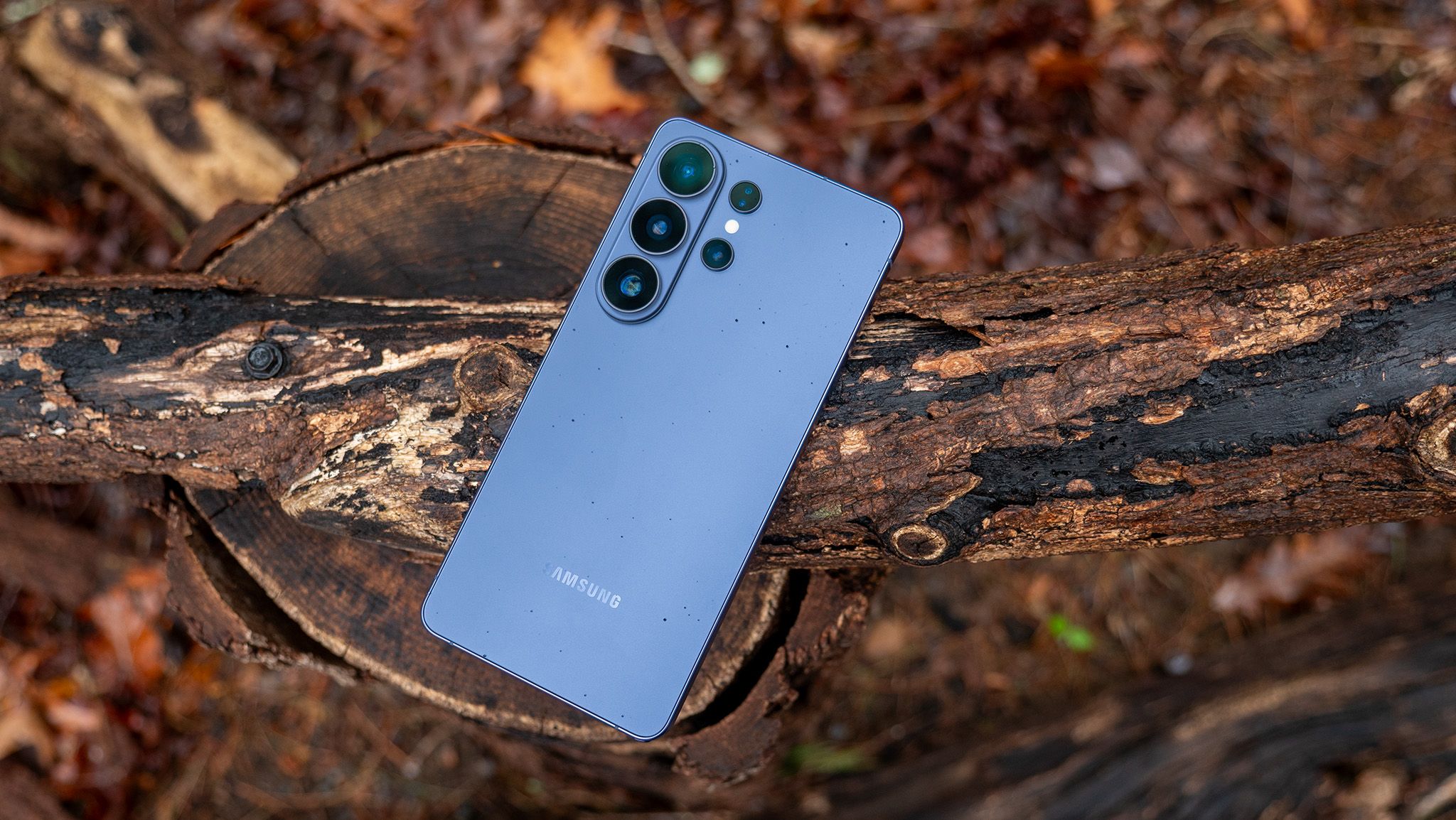
The renders reveal a horizontal camera plateau that mirrors the aesthetic sensibilities of the iPhone Pro lineup, housing only three lenses. This design departure—from the vertical, disconnected lens look to a unified module—is not just an aesthetic change; it is a structural redesign of the device’s internal real estate.
Supporting Context & Metrics: The "Less is More" Dilemma
While the prospect of losing a lens might sound like a regression, a deeper look at current mobile photography metrics suggests that the decision is more complex than a simple "downgrade."
The 200MP Capability
Samsung’s 200MP primary sensor has become the backbone of the Ultra’s performance. Through advanced pixel-binning and sophisticated sensor cropping, this lens can produce 2x and even 3x-equivalent images that are, in many instances, indistinguishable from those captured by dedicated mid-range telephoto lenses. By leaning into this, Samsung is betting that the average consumer values a high-quality, singular experience over the marginal gains of a dedicated 3x lens that may only be used sparingly.
The Shift in Focal Length Strategy
Current reports indicate that the S27 Ultra will likely retain a 50MP ultrawide and a 50MP telephoto lens with 5x optical zoom. The loss of the 3x lens, however, creates a potential focal length "gap." If the 200MP primary sensor is tasked with handling the 3x range, the effectiveness of the device will rely entirely on the ISP (Image Signal Processor) and the AI-driven processing pipeline.
Competitive Benchmarking
Competitors like Apple and Google have long favored a more "minimalist" hardware approach, often achieving professional-grade results with fewer, higher-quality sensors. Samsung’s potential pivot may be a response to this, aiming to reduce the physical bulk of the camera bump—which has become increasingly unwieldy—to create a more ergonomic device.
Official Statements and Industry Whispers
As of late 2026, Samsung remains tight-lipped regarding the specific hardware configuration of the Galaxy S27 series. It is standard operating procedure for the tech giant to maintain silence until the official Unpacked event. However, supply chain leaks provide a window into the manufacturing reality.
Industry analysts note that component costs for high-end telephoto modules have skyrocketed. By streamlining the array, Samsung could potentially stabilize its profit margins while simultaneously addressing consumer complaints regarding the massive, off-balance camera "island" that has plagued previous Ultra iterations.
Furthermore, the integration of the Galaxy S27 Pro into the lineup suggests a tiered approach. If the Pro model is designed to be the "sweet spot" for photography enthusiasts, it may prioritize different focal lengths, potentially swapping the 5x lens for a 3x to cater to portrait photographers, while the Ultra remains the "Zoom King" with its 5x-and-beyond focus.
Future Outlook: The Convergence of Hardware and AI
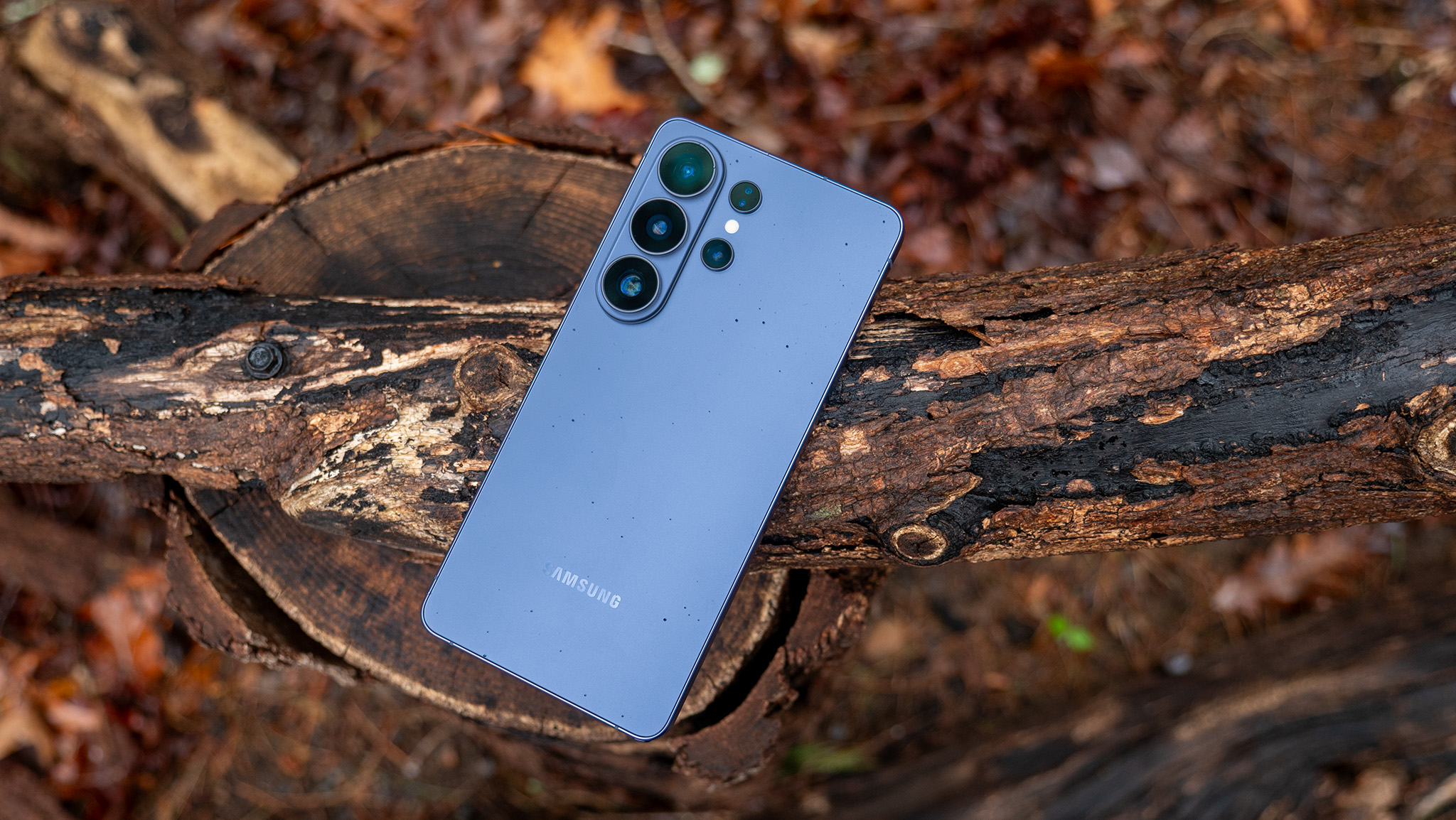
The potential removal of the fourth lens is not merely a change in hardware; it is a harbinger of a software-first future.
The AI Imperative
In 2027, the "megapixel race" is largely considered over. The new frontier is generative AI and computational photography. Samsung’s heavy investment in AI features suggests that the company is confident its software can synthesize high-resolution images even when the optical hardware is physically reduced. We are moving toward a reality where "Optical Zoom" is supported by "Semantic Zoom," where AI reconstructs textures and details that traditional sensors might miss at a distance.
The Consumer Impact
For the power user, this represents a transition period. While some will lament the loss of the dedicated 3x glass, others may welcome a lighter, thinner, and more balanced phone. If the S27 Ultra manages to maintain or exceed the image quality of the S26 Ultra despite losing a lens, the narrative will shift from "downgrade" to "efficiency."
Conclusion: A Calculated Risk
Samsung is at a crossroads. The Galaxy S series has always been about "more"—more pixels, more lenses, more power. By choosing to offer "less," Samsung is signaling a new maturity in its design language. Whether this gamble pays off depends on the capability of their image processing software to fill the void.
As we look toward the official unveiling in the coming months, the tech community will be watching closely. If Samsung can deliver a camera system that feels just as versatile despite having one fewer physical lens, it will set a new industry standard. If, however, the loss of the 3x lens results in a noticeable drop in versatility, it may prove that in the world of high-end smartphones, hardware still reigns supreme.
For now, the renders serve as a stark reminder: even at the top of the mountain, the only constant in the tech industry is change. The Galaxy S27 Ultra is poised to be either the smartest phone Samsung has ever built, or a cautionary tale about the limits of software-assisted hardware reduction. Only time, and a final, rigorous hands-on test, will tell.