Executive Overview: A Paradigm Shift in Home Intelligence
In a decisive move to bolster its smart home ecosystem, Google has initiated a comprehensive rollout of updates aimed at both the software intelligence governing its devices and the hardware reliability of its legacy Nest camera lineup. This update represents a significant milestone in Google’s ongoing integration of its generative AI model, Gemini, into the daily routines of users. By refining how the Google Home ecosystem processes natural language and interacts with hardware, Google is attempting to bridge the gap between "smart" and "intuitive."
For many users, the frustration of managing a modern smart home lies in the friction of interaction—the misinterpretation of commands, the inability to manage complex device clusters, and the lingering technical debt associated with older, legacy hardware. Google’s latest patch addresses these pain points with a two-pronged strategy: enhancing the "Gemini for Home" experience to make it more conversational and visually responsive, and deploying critical firmware and software stability updates to restore functionality to first-generation Nest devices.
Detailed Chronology: The Evolution of Google’s Smart Home Strategy
The timeline of Google’s smart home evolution has been marked by a transition from basic voice-activated controls to sophisticated, context-aware AI agents.
The Gemini Integration (Early Access)
The current wave of updates centers on the "Gemini for Home" (Early Access) initiative. Historically, Google Assistant relied on a rigid syntax; if a user had two lamps named "bedroom light," the system would often fail or execute a blanket command. The new Gemini-powered logic introduces a "clarification engine." When a command is ambiguous, the system no longer guesses; it pauses to ask a concise follow-up question. This shift from reactive to interactive represents a fundamental change in AI-human collaboration within the domestic space.
Nest Camera Rehabilitation
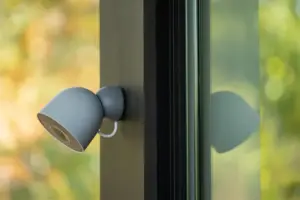
The focus on older hardware is a strategic effort to retain users who felt abandoned by the transition from the legacy Nest app to the newer Google Home environment. Many long-time users reported that first-generation Nest Cam Indoor and Outdoor units, along with the original Nest Hello doorbell and Nest Cam IQ, were plagued by connectivity drops and synchronization errors. This update directly tackles these issues, specifically targeting network protocols like PPPoE, fiber-optic handshakes, and mobile hotspot stability—common culprits in home networking failures.
Supporting Context & Metrics: Why These Fixes Matter
The technical debt accumulated by legacy Nest devices has been a point of contention for years. To understand the gravity of these fixes, one must look at the demographics of the "smart home" consumer. A significant portion of Google’s user base still relies on hardware purchased between 2015 and 2019.

Addressing Connectivity and Stability
The reported fixes for the Nest Cam IQ include the restoration of event thumbnails—a feature that had become increasingly unreliable—and an improvement in timestamp synchronization. By adjusting security certificates and mitigating the "unexpected restart" phenomenon, Google is effectively extending the life cycle of these devices by several years. For the average consumer, this reduces the "e-waste" anxiety associated with smart home tech, where devices often become "bricks" due to software obsolescence.
The Rise of Multi-Device Automation
The introduction of the "Eco Mode Everywhere" toggle is a response to the growing density of smart devices in modern homes. Households with multiple Nest thermostats previously had to configure each unit individually, a process that defeated the purpose of a centralized smart home. The ability to trigger an energy-saving state across an entire fleet of thermostats with a single gesture is a metrics-driven move to improve energy efficiency—a core value proposition for Google’s climate-conscious branding.
The Role of AI in Home Management
The integration of AI agents that can manage appliances, robot vacuums, and EV chargers represents the next phase of the "connected home." Google’s Home MCP (Model Context Protocol) is expanding to allow AI to act as a project manager for the home.
Visual Responses: Moving Beyond Audio
One of the most requested features for Nest Hub owners was the ability to see the logic behind an answer. By providing visual cards and images alongside audio responses, Google is lowering the cognitive load on users. If a user asks, "How do I fix my thermostat error?", the Hub can now display a step-by-step visual guide rather than forcing the user to transcribe a voice instruction. This multimodal approach—combining voice, vision, and touch—is likely to become the standard for all future Google smart displays.
Security and Authentication
The integration of Aliro smart locks with Google Wallet is not merely a convenience feature; it is a security upgrade. By enabling hands-free unlocking, Google is leveraging the encrypted security of the Android platform to bypass the need for physical keys or vulnerable keypad codes. This aligns with a broader industry trend toward "biometric-adjacent" home security, where the user’s presence (via their smartphone) acts as the credential.
Official Statements and Industry Impact
While Google has not released a singular press release detailing every granular bug fix, their documentation updates confirm that these changes are global. Industry analysts suggest that Google’s commitment to legacy hardware is a response to increasing market pressure. With competitors like Amazon and Apple doubling down on their own proprietary ecosystems, Google cannot afford to lose the trust of its long-term user base.

The decision to allow users to remove "offline, unmigrated 1st-generation Nest Doorbells" from the app is a subtle acknowledgment of the complex, often messy migration process that accompanied the transition to the new Google Home app. By offering a clean slate, Google is essentially "cleaning house" to ensure that the user interface remains uncluttered and functional.
Future Outlook: The Road Ahead
As we look toward the remainder of the year and into the next, the trajectory is clear: the Google Home ecosystem is moving toward total AI autonomy.
The Proactive Home
The goal of these updates is to create a "proactive" rather than "responsive" home. A home that knows you are nearing the door and unlocks itself, that knows you are heading to bed and adjusts the media sleep timer, and that knows when a camera is having a network handshake issue and corrects the protocol automatically—that is the promise of the next-generation Google Home.
What Users Should Do Next
For users currently utilizing any of the mentioned devices, the process is straightforward but requires diligence:
- Manual Firmware Check: Navigate to the Google Home app and verify that all devices are updated to the latest firmware version.
- Network Auditing: Users on complex network setups (specifically those using PPPoE or specific fiber-optic ISPs) should perform a hard reboot of their router following the firmware update to ensure the new connectivity patches are properly initialized.
- Engagement: Explore the "Gemini for Home" features by testing more complex, multi-part commands. The system learns through these interactions, and providing feedback when Gemini asks a clarifying question helps refine the underlying model.
The current update is more than just a collection of patches; it is a statement of intent. Google is signaling that it understands the frustration of its user base and is willing to invest in the longevity of its older hardware. As the smart home becomes an increasingly essential component of modern living, the companies that prioritize stability, intelligence, and long-term support will be the ones that win the living room of the future. With this latest rollout, Google has taken a significant step toward securing that position.