Executive Overview
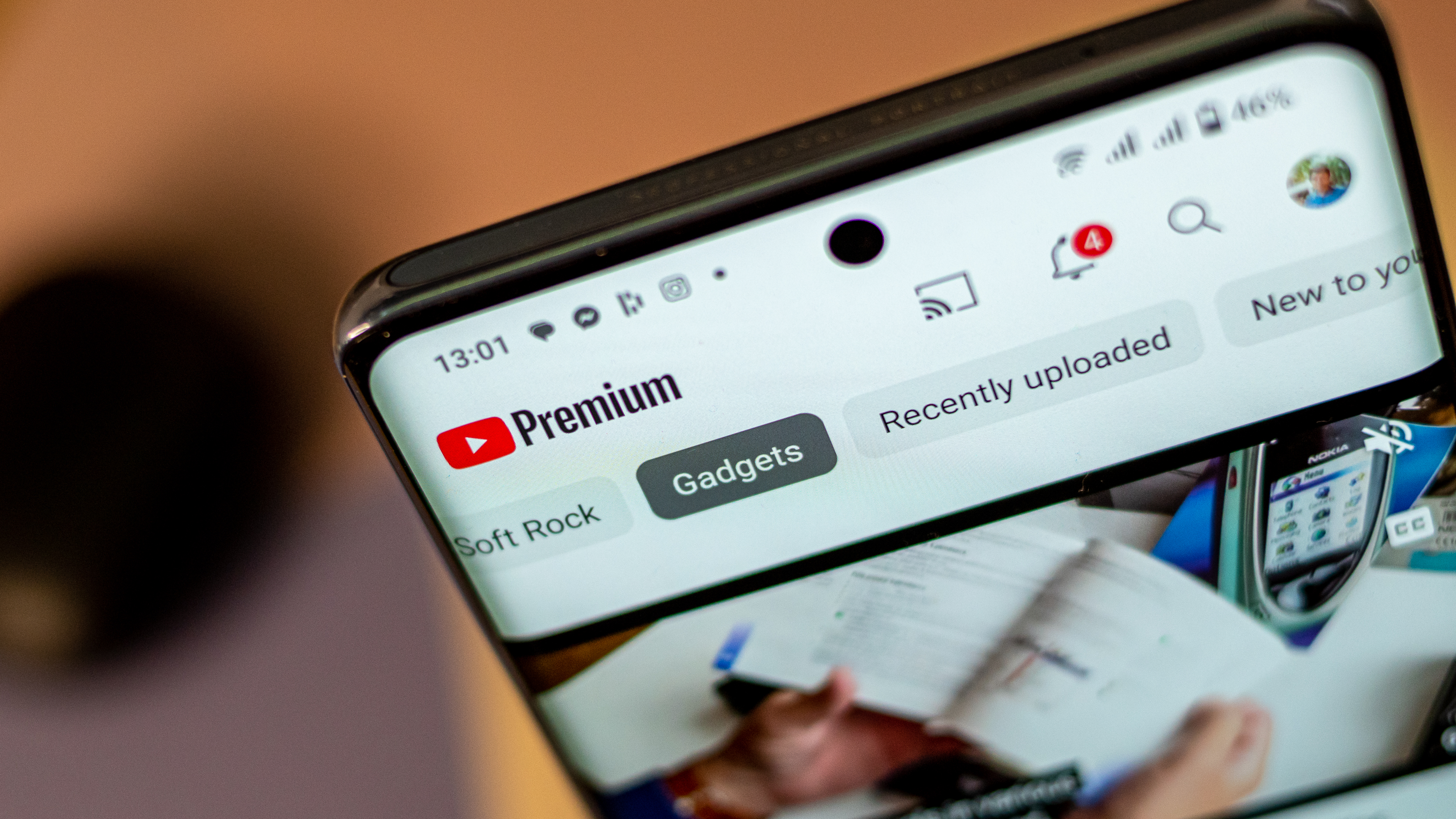
The digital media landscape is bracing for a potential tectonic shift. According to recent reports from the Wall Street Journal, Google-owned video giant YouTube is actively engaged in high-level discussions with publishers to integrate audiobooks into its YouTube Premium subscription ecosystem. If these negotiations culminate in a formal rollout—currently rumored for 2027—it would represent one of the most significant strategic pivots for the platform since the launch of YouTube Music.
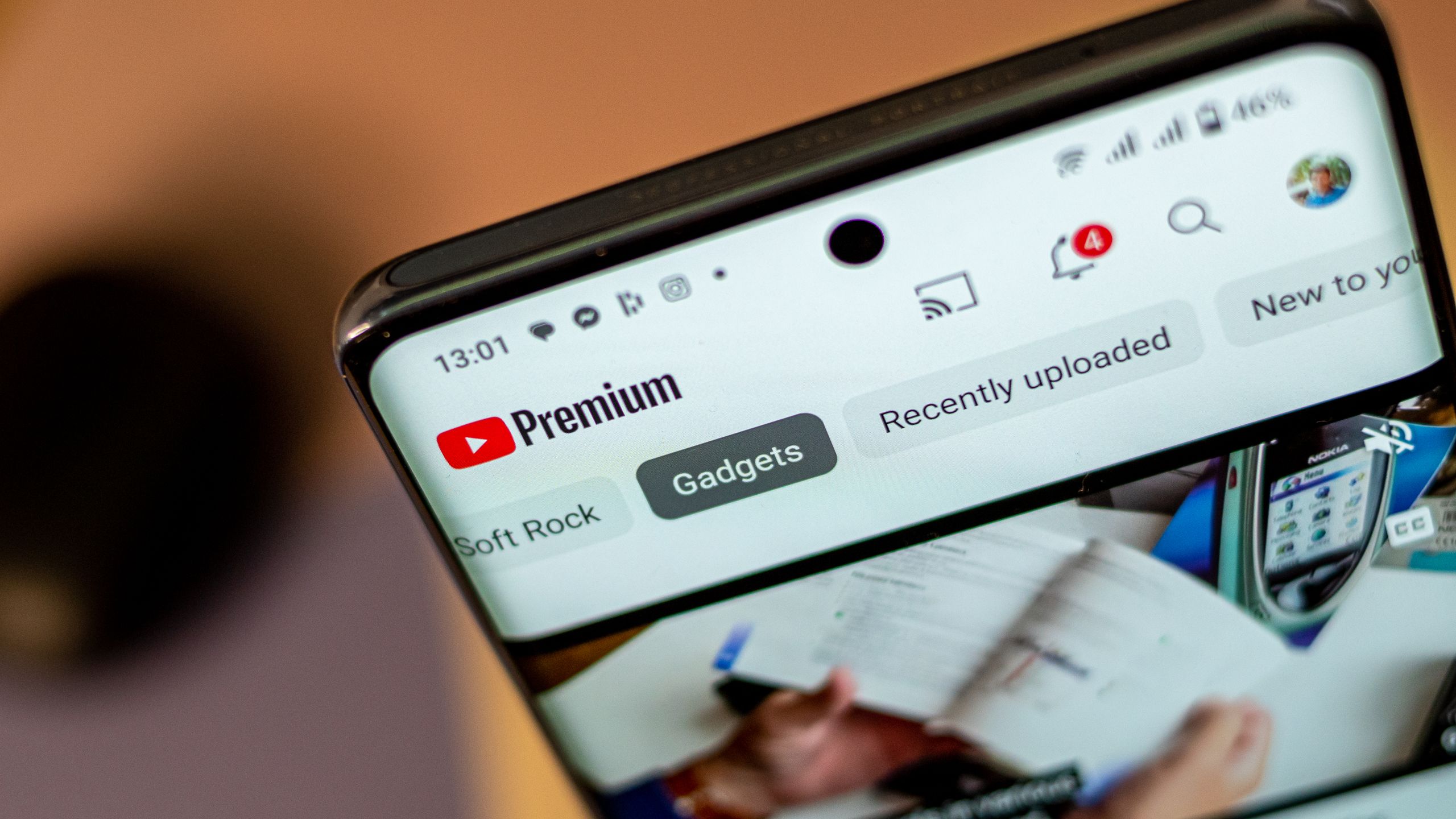
By moving into the audio-first medium, YouTube is signaling its intent to capture a larger share of the "commuter economy" and passive listening time. This move is not merely a feature expansion; it is a defensive and offensive maneuver designed to address the rampant piracy of audiobooks on the platform while simultaneously challenging the duopoly held by Amazon’s Audible and, more recently, Spotify. For the average consumer, this suggests a future where the $16-a-month YouTube Premium subscription evolves into a comprehensive "all-in-one" media hub, bundling high-fidelity video, ad-free music, and long-form narrative audio.
Detailed Chronology: From Piracy to Partnership
The relationship between YouTube and the audiobook industry has historically been fraught with friction. For years, the platform has inadvertently played host to a vast library of unauthorized, user-uploaded audiobooks.
The Rise of AI-Narrated Content
A critical catalyst for this shift is the "piracy problem" mentioned in industry reports. Data from GoodEReader suggests that approximately 45% of users currently consuming audiobooks on YouTube are listening to content that is either unlicensed or, increasingly, generated by AI. These videos often feature synthesized voices reading copyrighted texts, bypassing the formal publishing ecosystem entirely.
This environment has created a paradox: while users clearly demonstrate a demand for audiobooks on the platform, the current supply is largely illegitimate. By entering the market officially, YouTube is attempting to formalize this consumption pattern. By partnering with publishers, they can offer high-quality, authentic audiobooks while simultaneously deploying content-identification tools to scrub the platform of the AI-generated "bootlegs" that currently populate search results.
The 2027 Roadmap
The timeline for this initiative, currently pegged for 2027, suggests that Google is not rushing into a half-baked solution. Negotiating rights with major publishing houses is a notoriously complex legal hurdle. Unlike music, where blanket licensing agreements are common, audiobooks often require granular rights management for every title. The three-year window indicates that YouTube is likely focusing on building a robust infrastructure that satisfies both the demands of rights holders and the technical expectations of a premium subscriber base.
Supporting Context & Metrics: The Battle for the Ears
To understand why YouTube is entering the fray, one must look at the current market dynamics. The audiobook industry is no longer a niche market; it is a multi-billion dollar juggernaut.
The Spotify and Audible Benchmark
For years, Amazon’s Audible stood as the undisputed gatekeeper of the audiobook world. However, the equilibrium was shattered when Spotify introduced its own audiobook tier in 2023. Spotify’s strategy—offering 15 hours of listening time per month to Premium subscribers in the U.S. and U.K.—fundamentally changed user expectations.
Spotify’s model was aggressive. By providing access to over 200,000 titles, they successfully converted music listeners into book listeners. When users exhausted their 15-hour allotment, they were prompted to purchase top-up credits or buy books a la carte. This "freemium-to-premium" bridge is likely the blueprint that YouTube is studying. If YouTube can provide a comparable "listening allowance" within its existing $16-a-month Premium plan, it creates a powerful retention tool that makes cancelling the subscription feel like a loss of significant value.
The Market Gap
The fundamental question remains: does the average YouTube user actually want to listen to audiobooks on a video-first platform? The answer lies in the app’s ubiquity. YouTube is already the default destination for millions of people seeking entertainment. Integrating a "Listen" mode or a dedicated tab for audiobooks within the existing YouTube Music or main app could lower the barrier to entry for millions who are already paying for Premium but might find Audible’s separate subscription fee an unnecessary expense.
Official Statements and Industry Silence
As of this writing, YouTube has maintained a "no comment" stance regarding the specifics of the Wall Street Journal report. This is standard operating procedure for Google during the early stages of product development. However, the industry reaction has been telling. Publishing executives, who have long complained about the ease with which their intellectual property is pirated on YouTube, are cautiously optimistic.
The promise of a legitimate, monetized revenue stream from one of the world’s most powerful platforms is difficult to ignore. If YouTube can demonstrate that its premium audience is willing to consume books—and that it can protect those books from piracy—the platform could become the largest distributor of audiobooks in the world almost overnight.
Future Outlook: The "Everything App" Ambition
What does this mean for the future of digital entertainment? We are witnessing the slow death of the single-use app. Users are increasingly fatigued by subscription sprawl. The "streaming wars" have taught consumers that they cannot maintain five or six individual subscriptions.
The Value Proposition of Bundling
YouTube’s potential entry into the audiobook market is a direct strike against the competition. If a user can get their video entertainment, their music streaming, and their library of audiobooks for one monthly price, the incentive to pay for a separate Audible subscription diminishes significantly.
However, the challenge for YouTube will be the user experience. Audiobooks require specific playback features—bookmarking, chapter navigation, sleep timers, and variable playback speeds—that go beyond standard video player functionality. To compete with Audible’s refined interface, YouTube will need to overhaul its player architecture.
Strategic Risks
The risks are not negligible. YouTube faces the challenge of "brand dilution." Will the platform lose its identity as a video giant if it tries to be a bookstore? Furthermore, the legal landscape regarding AI and copyright remains in flux. If YouTube continues to struggle with user-uploaded AI content while simultaneously trying to sell legitimate audiobooks, they may find themselves in a complex legal position where they are both the enforcer of copyright and a platform accused of facilitating infringement.
Conclusion: A New Chapter for YouTube
The transition toward an audio-integrated platform is a natural, albeit ambitious, evolution for YouTube. By leveraging its massive existing user base, the company has a distinct advantage over newcomers to the audiobook space. If the 2027 rollout proceeds as planned, it will likely represent the final consolidation of the digital entertainment industry.
For the listener, this is a win: the promise of a more legitimate, accessible, and potentially cheaper way to consume literature. For competitors like Audible and Spotify, the message is clear: the giant is awake, and it is ready to turn the page. The coming years will be defined by how effectively YouTube can balance its roots as a video-sharing titan with its aspirations as a premier destination for long-form narrative audio. Only time will tell if this ambitious expansion will be a bestseller or a failed draft.