Executive Overview
The landscape of home entertainment is shifting rapidly, moving away from simple media consumption toward integrated, ambient computing. While the current Google TV Streamer stands as one of the most capable and well-rounded devices on the market, reports have surfaced indicating that Google is already deep in the development phase for its successor.
This upcoming iteration is not merely an incremental refresh; it represents a fundamental shift in how users interact with their television ecosystem. By moving toward a more proactive, hands-free interface—bolstered by far-field microphone arrays and advanced motion sensing—Google appears to be positioning its next streamer as the central "brain" of the smart home. As the competition heats up against the likes of Apple and Amazon, this next-generation device promises to blend AI-driven utility with high-performance hardware, potentially redefining the living room experience.
Detailed Chronology: From Concept to Next-Gen
The evolution of Google’s streaming hardware has been a steady progression from the humble, budget-friendly Chromecast dongles to the robust, set-top box design of the current Google TV Streamer.
The Current State of Play
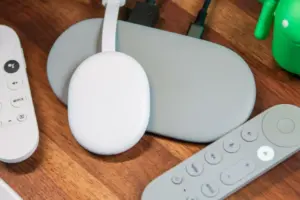
The existing Google TV Streamer, despite a recent $50 price adjustment, remains a top-tier choice for enthusiasts. It offers a fluid user interface, reliable performance, and a comprehensive suite of features that leverage the power of Google’s ecosystem. However, it is fundamentally a reactive device. Users must initiate commands via the remote, keeping the user tethered to a physical controller.
The Shift in Development
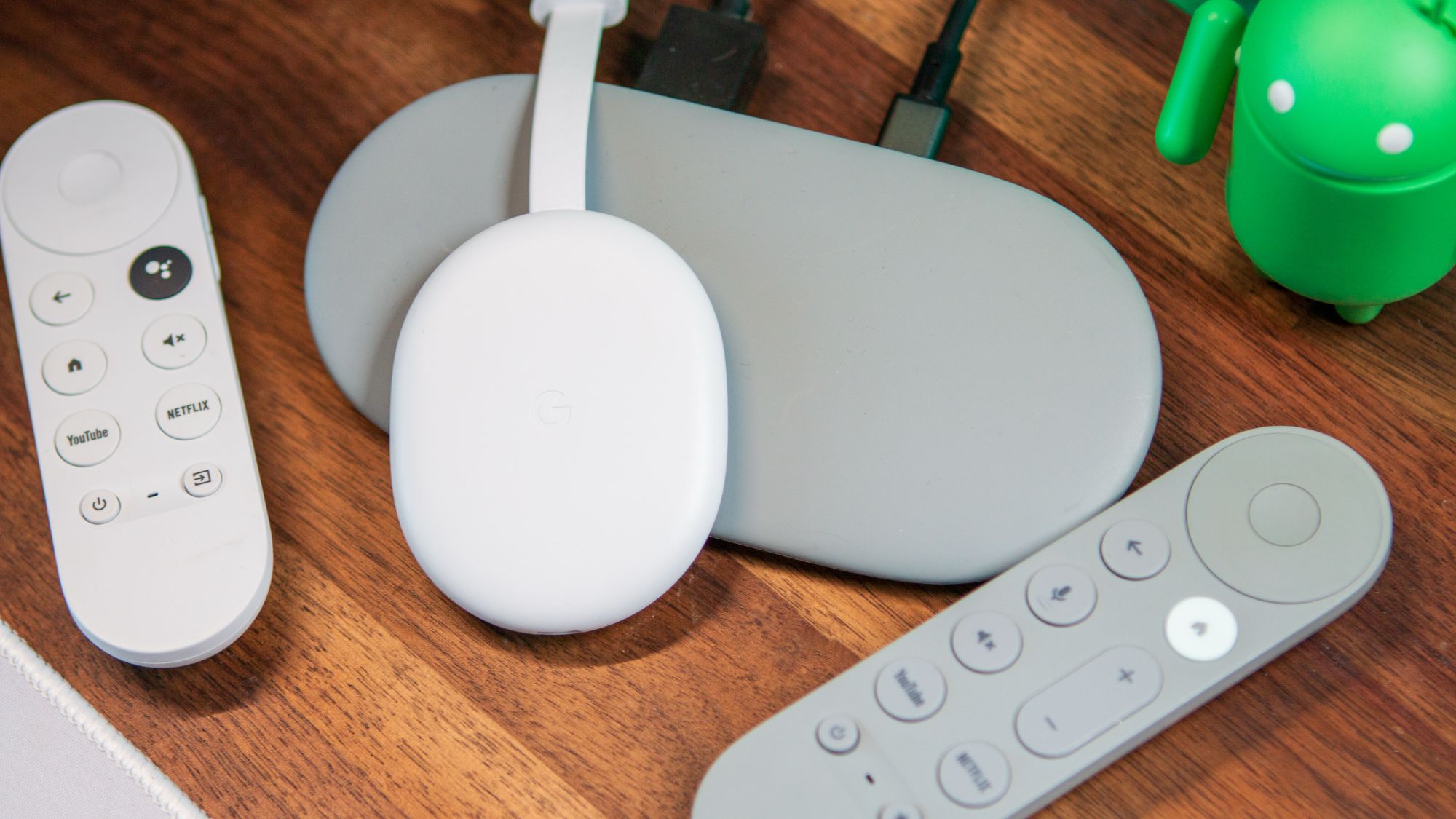
According to recent reports surfacing from 9to5Google, the development of the next-generation device is already well underway. Insiders suggest that while the aesthetic language of the device will remain consistent with the current model—maintaining the sleek, low-profile design—the hardware will undergo a significant refinement. The device is expected to be slightly narrower, reducing its physical footprint on entertainment consoles while increasing its internal processing capabilities.
The Timeline
While no official launch date has been confirmed, the industry cycle suggests a tightening race. With Apple rumored to be refreshing its Apple TV 4K lineup, Google is under pressure to maintain its market share. Analysts expect a potential announcement in the coming months, likely tied to a seasonal hardware event, positioning the device to hit shelves in time for the critical holiday shopping window.
Supporting Context & Metrics: Hardware and Feature Upgrades
The jump from the current generation to the rumored next-gen model appears to be defined by three key pillars: ambient interaction, proactive automation, and performance overhead.
1. The Death of the "Remote-Only" Paradigm
The most significant change is the integration of built-in far-field microphones. Currently, interacting with Gemini on Google TV requires a physical button press on the remote. This creates a friction point that breaks the immersion of the user experience. By incorporating always-listening (or user-activated) far-field microphones, the new streamer will allow for natural language interaction. Simply saying "Hey Google" will allow users to control their media, adjust smart home settings, or query information without ever reaching for a controller.
2. Presence Sensing: The TV as an Ambient Display
Perhaps the most intriguing development is the introduction of "presence sensing." Borrowing concepts from modern smart displays and high-end smart TVs (like those from TCL), the new streamer will likely be able to detect human movement in the room.
- Contextual Awareness: The device could automatically wake from a low-power state when a user enters the room.
- Ambient Utility: Instead of a black screen, the device could default to displaying a personalized dashboard—showing the local weather, calendar events, or a rotating selection from the user’s Google Photos library.
3. Internal Performance and Storage
The current 32GB storage limit on the existing streamer is sufficient for most users, but power users often find it restrictive. The next-gen model is expected to increase this capacity, likely paired with a faster, more efficient processor. This upgrade is critical to support the more demanding AI workloads associated with Gemini’s evolving capabilities on the TV platform.
4. Redesigned Remote Control
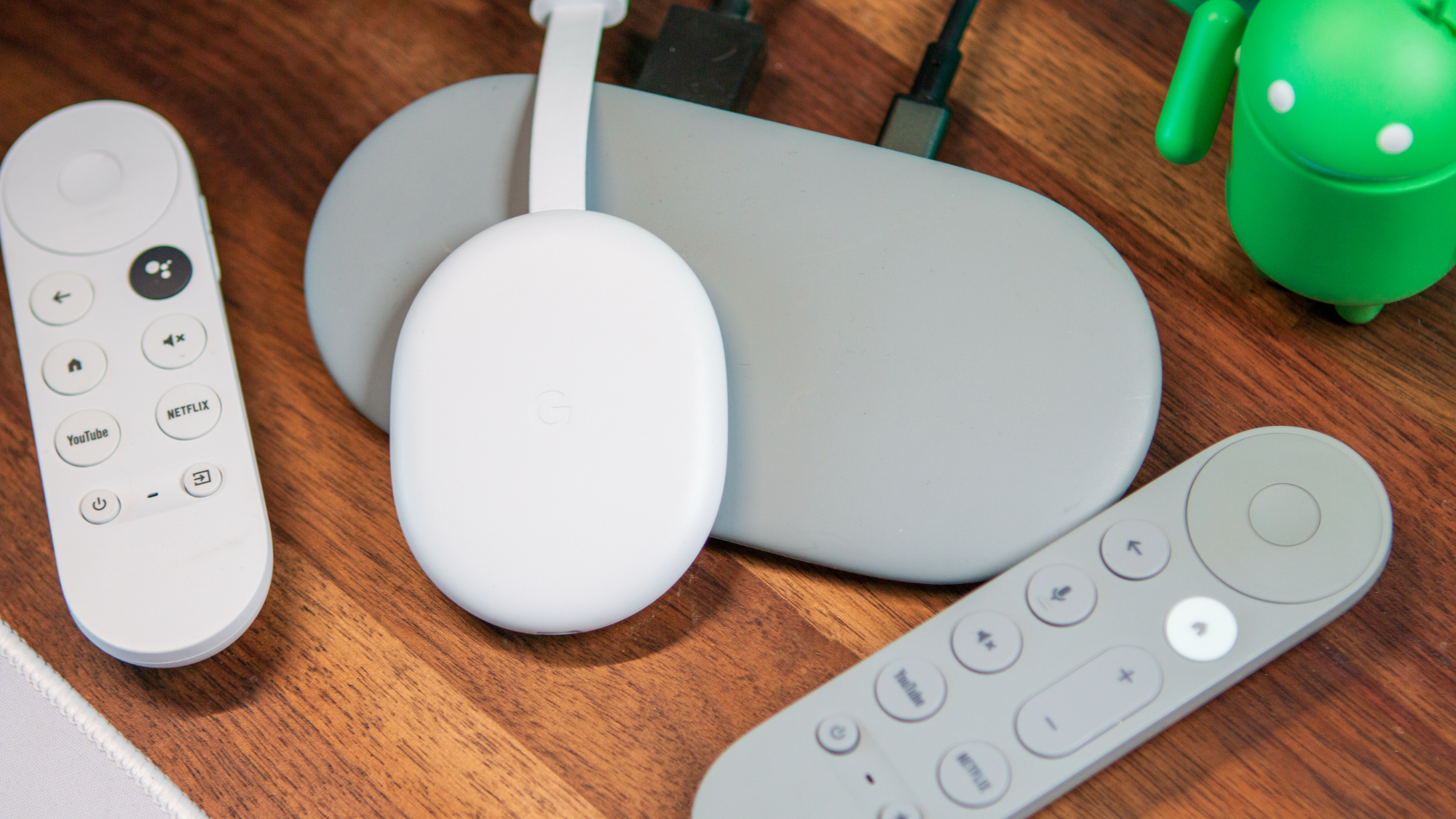
The physical remote, while functional, is also receiving an update. Reports indicate the addition of two dedicated shortcut buttons—specifically for YouTube and Netflix—to provide faster access to the most popular streaming services. Furthermore, a dedicated "Find My Remote" button on the physical streamer box will resolve the perennial issue of the "lost remote," adding a layer of convenience that current users have long requested.
Official Statements and Strategic Positioning
While Google has maintained a standard "no comment on future products" stance, the company’s broader strategy provides ample clues. At recent I/O conferences and hardware briefings, Google executives have consistently emphasized the "ambient computing" vision—the idea that technology should be helpful when needed and invisible when not.
Integrating Gemini into the television interface is a core component of this strategy. By making the TV a conversational partner rather than just a playback device, Google is attempting to create a "sticky" ecosystem where the user is less likely to switch to competitors. The move to raise prices on existing hardware earlier this year suggests that Google is no longer looking to compete solely on "budget" pricing, but rather on the value and depth of the integrated smart home experience.
Future Outlook: The Streaming War Escalates
The streaming device market is currently in a state of maturation. The battle is no longer about which device can play 4K HDR content—most do that perfectly well. The battle is now about intelligence.
The Competitive Landscape
- Apple TV 4K: Renowned for its seamless integration with the Apple ecosystem and its high-end silicon. Apple’s challenge is its relatively high price point and the walled-garden approach.
- Amazon Fire TV: Dominates the market through aggressive pricing and deep integration with Alexa and Prime Video. However, it is often criticized for a cluttered, ad-heavy interface.
- Google TV: By focusing on AI integration and the "ambient home" concept, Google is betting that consumers want a TV that acts more like a Nest Hub.
The Road Ahead
As we look toward the launch of the next-generation Google TV Streamer, we must consider the implications for the broader smart home. If Google succeeds in making the TV a central hub that detects presence and responds to natural voice commands, it will effectively turn the living room television into a massive smart display.
For the consumer, this suggests a future where the line between "watching TV" and "interacting with the home" continues to blur. Whether these upgrades are enough to warrant an upgrade for current owners remains to be seen, but for those entering the market, this upcoming device is shaping up to be the most comprehensive streaming solution Google has ever produced.
Final Thoughts
The evolution of the Google TV Streamer reflects a broader trend in consumer electronics: hardware is becoming a vessel for software intelligence. The rumored inclusion of far-field microphones and presence sensing is a bold step toward a more intuitive, user-centric living room. As we wait for official confirmation, one thing remains clear: Google is not content with simply being a player in the streaming space—they intend to redefine the standard of the smart living room entirely. We will continue to monitor this story as more details emerge regarding official pricing, regional availability, and final hardware specifications.