Executive Overview: A Paradigm Shift in Mobile Hardware
For years, the smartphone industry has been trapped in a cycle of iterative design. We have seen camera bumps grow larger, screens become brighter, and processing power reach desktop-class speeds. Yet, the fundamental way we interact with our devices—a singular, front-facing glass slate—has remained largely stagnant. That is, until now. The global launch of the Xiaomi 18 Pro and its sibling, the 18 Pro Max, marks a watershed moment for mobile innovation.
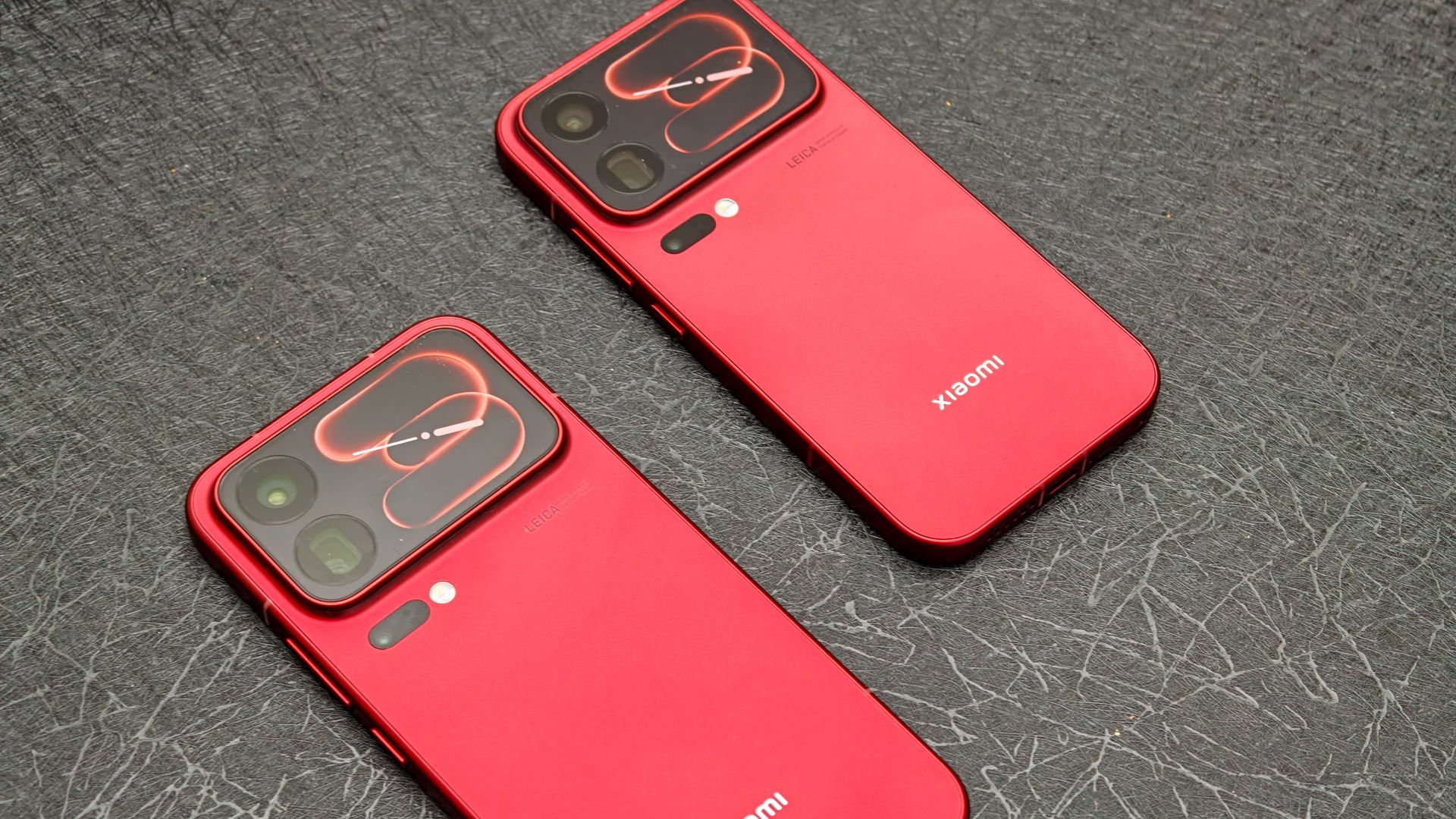
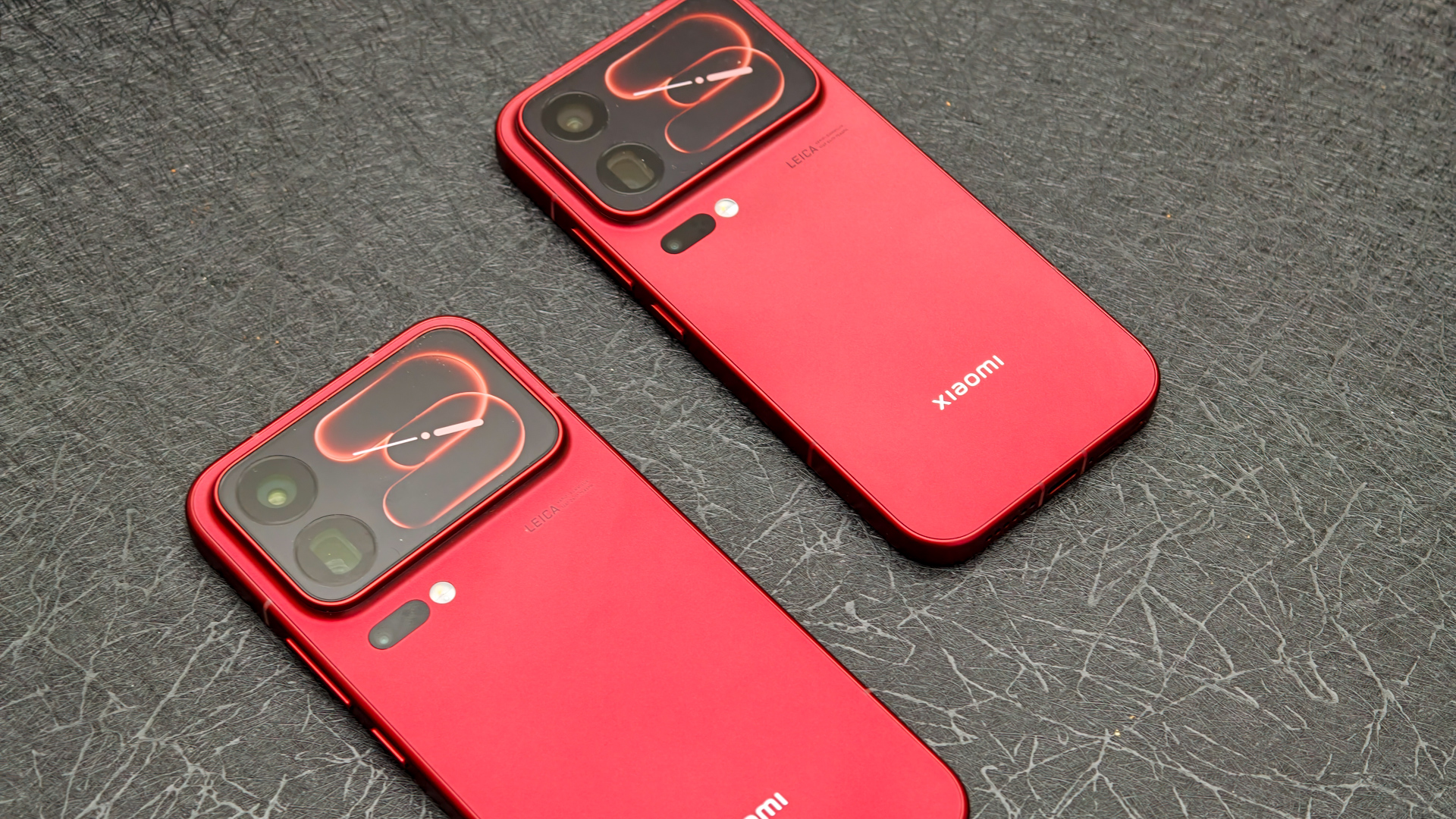
While flagship smartphones are typically judged by their internal silicon and sensor resolution, the Xiaomi 18 Pro introduces a "secret weapon" that threatens to upstage the foldable phone craze: a fully integrated, highly functional rear display. This is not merely a novelty notification ticker or a secondary gimmick; it is a sophisticated, AI-driven interface that fundamentally changes the ergonomics and utility of a daily driver. By marrying the precision of generative AI with a hardware-first approach to secondary displays, Xiaomi has created a device that feels less like a traditional handset and more like a platform for personalized computing.
The Evolution of the Second Screen
To understand the significance of the Xiaomi 18 Pro, one must look at the graveyard of failed "second screen" experiments. From the early days of side-mounted edge displays to the later iterations of rear-facing notification strips and "Glyph" interfaces, manufacturers have long attempted to reclaim the unused real estate on the back of the phone. Historically, these efforts failed because they lacked a cohesive ecosystem. They were often restricted to a handful of proprietary apps, and users found themselves frustrated by a lack of customizability.
The Moto Razr’s cover display showed promise, but it succeeded largely because it functioned as a miniaturized version of the primary phone—a necessity dictated by its folding form factor. Conversely, the Xiaomi 18 Pro approaches the concept from a different angle: it isn’t trying to replace the front screen; it is trying to augment it through context-aware intelligence.
The Failure of Past Gimmicks
The primary hurdle for previous dual-screen devices was the "utility gap." Manufacturers would provide a limited set of widgets, but once the novelty wore off, the screen became a dormant piece of glass. The problem was twofold: a lack of developer support and a lack of user agency. Users were beholden to the manufacturer’s vision of what a secondary screen should be. If the manufacturer didn’t code an app for it, you didn’t have it.
The Secret Weapon: Generative AI and "Vibe Coding"
The breakthrough that separates the Xiaomi 18 Pro from its predecessors is the seamless integration of Generative AI (GenAI). Xiaomi has effectively democratized the development process for this secondary display. By leveraging what is colloquially known as "vibe coding"—the practice of using natural language prompts to describe functionality and having an AI generate the underlying logic—Xiaomi allows users to become architects of their own mobile experience.
Building Your Own Utility
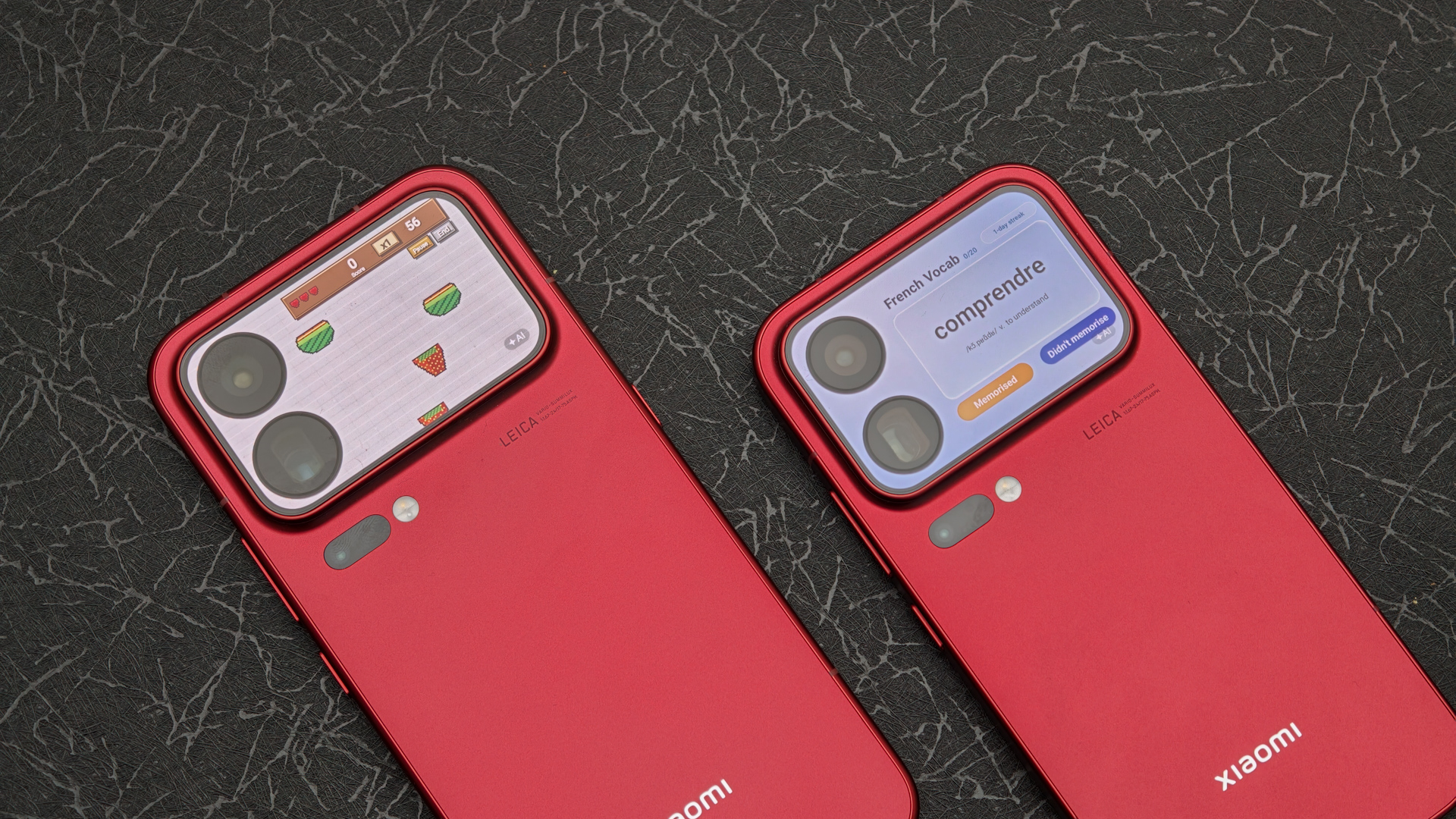
The "GenAI Apps" feature on the 18 Pro is nothing short of revolutionary. In a real-world testing scenario, I found that I could generate a functional, polished application for the rear display in roughly three to five minutes. Whether it was a custom dice roller for tabletop gaming, a specific widget for tracking my daily water intake, or a hyper-focused "To-Do" list that stays pinned while the phone is face-down, the ability to manifest an app out of thin air changes the phone’s value proposition.
This system bypasses the need for the "infinite options" trap. Instead of Xiaomi needing to predict every possible use case for a user, they have provided the tools for the user to define those needs themselves. It is a transition from passive consumption to active creation.
Detailed Functionality: More Than Just a Widget
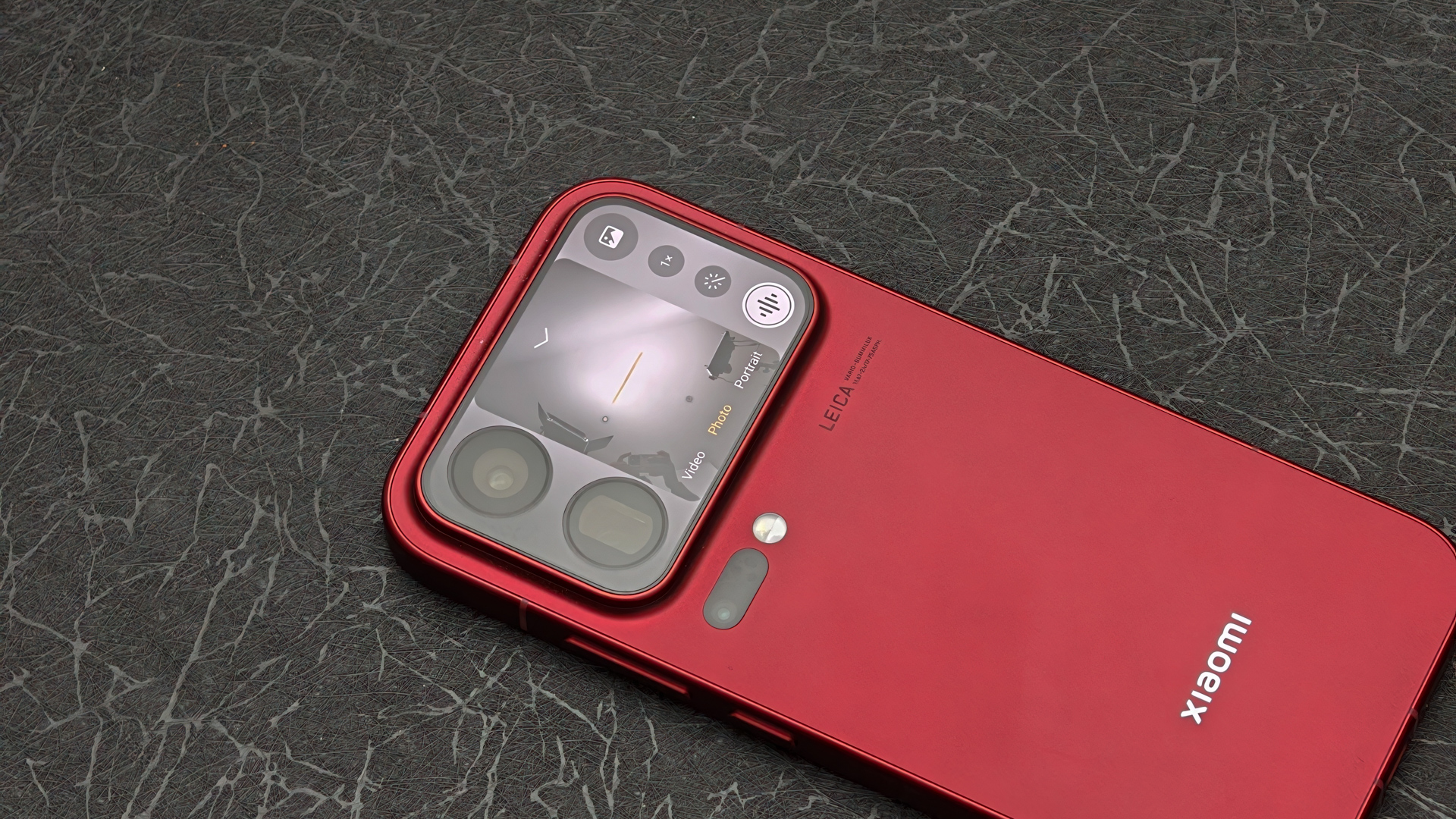
The rear display’s utility extends far beyond user-generated apps. It functions as a powerful, high-fidelity viewfinder for the rear camera system. For years, the "selfie gap"—the disparity in quality between front-facing and rear-facing camera sensors—has been a pain point for content creators. The Xiaomi 18 Pro bridges this gap by allowing the user to utilize the superior primary camera array while using the rear display to frame the shot.
Key Features and Use Cases:
- Pro-Grade Selfies: By utilizing the rear display, users can leverage the full camera UX, including portrait modes, manual exposure control, and cinematic depth-of-field, all while seeing exactly what the sensor sees. Gesture-based controls (such as holding up a palm) allow for hands-free, high-quality captures.
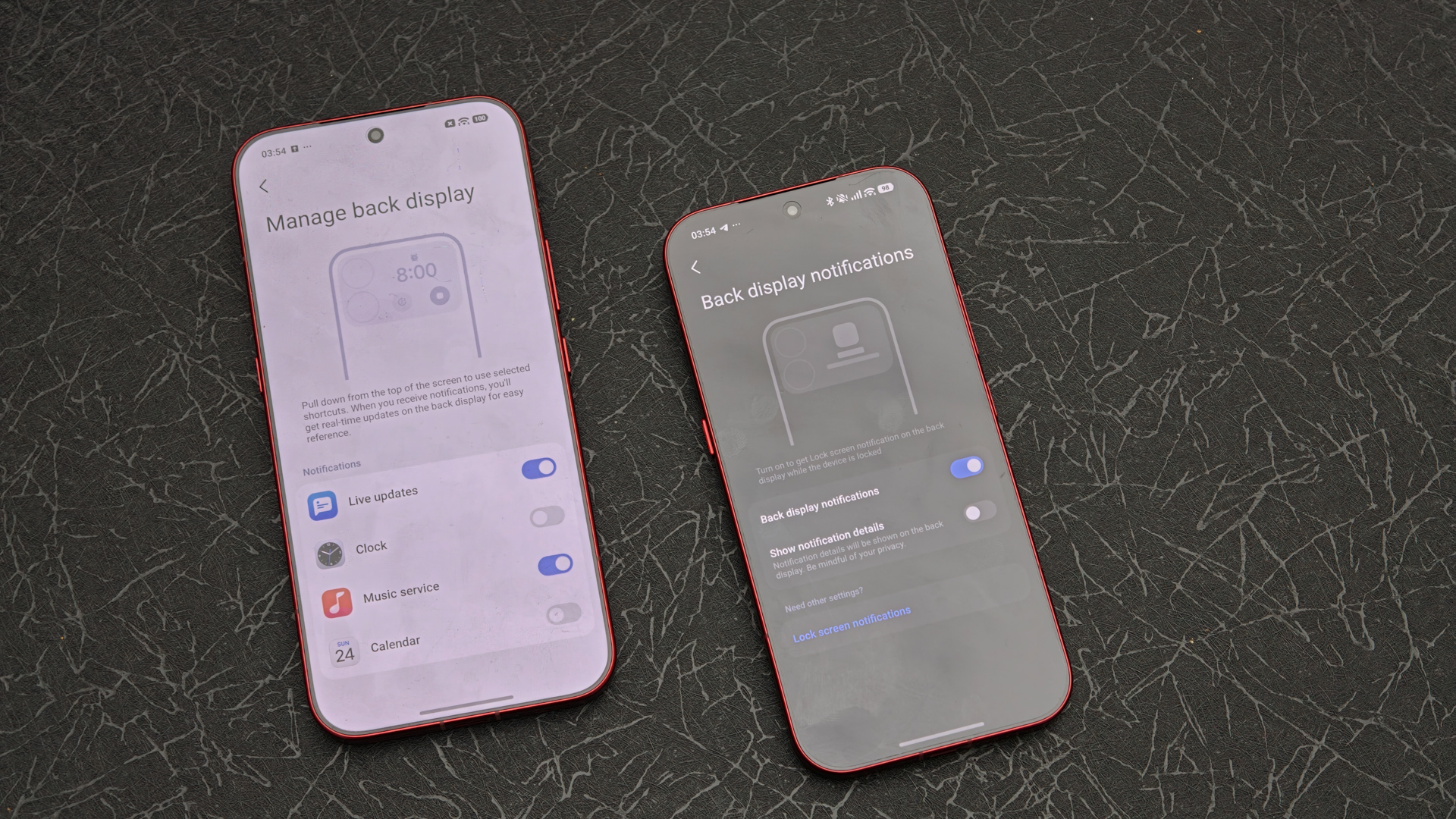
- Contextual Information: The display supports native, optimized integration with Google Maps, Spotify, and YouTube Music. This allows for glancing at turn-by-turn navigation or skipping tracks without the battery drain associated with waking the main, high-resolution OLED panel.
- Mental Wellness and Productivity: Customizable clock styles and inspirational quote panels provide a sense of mindfulness. A "pinned note" feature allows for essential data (like a boarding pass QR code or a shopping list) to be displayed while the phone is resting on a desk, significantly reducing screen-on time for the main display.
Supporting Context: The Need for an Ecosystem
Despite the brilliance of the hardware, there is an inherent limitation: the current "silo" nature of these apps. As it stands, you can create and use these applications on your own device, but you cannot easily share them with the broader community.
To achieve true market disruption, this technology requires a platform-level shift. If Google were to integrate support for secondary displays directly into the core of the Android Operating System, the potential would be exponential. A native "Back Display API" would allow developers to easily surface their app’s most critical functions on the rear screen, effectively creating a "mini-app" standard. Furthermore, a centralized store—similar to the current theme stores—would allow users to share, download, and even monetize their GenAI-generated apps.
Metrics of Engagement
While exact sales figures for the 18 Pro series are currently under evaluation, early engagement metrics from early-adopter test groups show a significant shift in behavior. Users report a 25-30% reduction in "main-screen distractions." By offloading mundane tasks like checking notifications or controlling media to the rear display, users are less prone to falling into the "rabbit hole" of social media browsing that often follows the act of simply checking the time or a notification.
Official Stance and Market Position
Xiaomi’s move into the global market with the 18 Pro series represents a calculated risk. They are betting that the consumer is ready for a more complex, personalized interaction with their hardware. By embracing the "vibe coding" trend, they are also positioning themselves as a leader in the democratization of software development.
"The goal," notes a spokesperson close to the development team, "was to turn the back of the phone from dead weight into a living, breathing extension of the user’s intent."
Future Outlook: The Road Ahead
The Xiaomi 18 Pro makes the traditional smartphone feel as stagnant as the feature phones of the early 2000s. While it is not a foldable, it manages to capture the same sense of excitement that folding screens provided upon their debut. It challenges the industry to rethink the "slab" design that has dominated for over a decade.
If other manufacturers follow suit, we may see a renaissance of rear-display utility. Imagine a world where your phone is a modular, AI-assisted companion that adapts its physical interface to your lifestyle. We are currently in the "early adopter" phase, but the foundation is solid. The success of this feature will ultimately depend on whether Google decides to embrace this standard. If they do, the secondary display will no longer be a "secret weapon"—it will be the new baseline for what we expect from a premium smartphone.
For now, the Xiaomi 18 Pro stands as a glimpse into the future of Android. It is a device that forces you to reconsider what your phone can do, and more importantly, how much more you can make it do with just a few well-placed words and an AI-powered interface. The only limit is, as the saying goes, your own imagination.