Executive Overview
The animation landscape is undergoing a profound seismic shift, characterized by a rare intersection of technological innovation, corporate restructuring, and fierce fan scrutiny. At the epicenter of this movement is The Walt Disney Company, which is preparing to release Hexed alongside its highly anticipated theatrical short, Lilo & Scratch. This short film represents more than just a return to the big screen; it is the debut test for a revolutionary animation pipeline that merges 3D computer graphics with hand-painted 2D elements. According to studio insiders, this technical marriage signals the end of an era and the beginning of a radically diverse aesthetic future for Disney’s original feature films—effectively promising to eradicate the pervasive "same-face syndrome" that has drawn criticism from art directors and audiences alike in recent years.
However, as Disney looks toward a diversified artistic horizon—culminating in the upcoming original feature Clay in 2028 and the blockbuster sequel Frozen 3 in 2027—the immediate cinematic schedule tells a complex story of legacy management. Before these groundbreaking pipelines fully reshape Disney’s proprietary slate, the studio must navigate the cultural baggage of its acquired intellectual properties.
First up on the theatrical docket is Ice Age: Boiling Point, scheduled for release on February 5, 2027. This project serves as the ultimate litmus test for Canada-based Bardel Entertainment, which took over stewardship of the historic prehistoric franchise following Disney’s controversial 2021 closure of Blue Sky Studios. The release of the official trailer has ignited a fierce debate across digital platforms. While YouTube comments and animation forums brim with skepticism over whether the visual fidelity matches the theatrical prestige of the original 2002 classic, industry analysts are watching closely. Ice Age: Boiling Point stands at a precarious crossroads, tasked with proving that a beloved franchise can survive the transition from its defunct conceptual birthplace to an outsourced television-leaning production pipeline without losing its cinematic soul.
Detailed Chronology: From Blue Sky’s Heyday to Disney’s Modern Pipeline
To understand the weight riding on Ice Age: Boiling Point and Disney’s new visual strategies, one must trace the timeline of corporate acquisitions, studio closures, and technological evolutions that have defined the past decade of mainstream animation.
The Rise and Fall of Blue Sky Studios (1987–2021)
Founded in 1987, Blue Sky Studios carved out a legendary niche in the computer-animation space, anchored by its proprietary rendering software, CGI mastery, and distinctively eccentric character comedy. Their crowning achievement arrived in 2002 with Ice Age, directed by Chris Wedge and Carlos Saldanha. The film was a massive critical and commercial success, launching a lucrative franchise that grossed billions of dollars worldwide and cemented characters like Scrat, Sid the Sloth, Manny, and Diego into global pop culture history.
For nearly two decades, Blue Sky operated as 21st Century Fox’s premier animation powerhouse, producing hits like Rio, The Peanuts Movie, and Ferdinand. However, the trajectory of the studio changed permanently in March 2019 when The Walt Disney Company finalized its massive $71 billion acquisition of 21st Century Fox assets.
The acquisition placed Blue Sky under the Disney umbrella alongside Walt Disney Animation Studios and Pixar. While initial integration seemed promising, the economic pressures of the COVID-19 pandemic, coupled with operational redundancies, proved fatal. In February 2021,
Disney officially announced the closure of Blue Sky Studios, terminating nearly 450 employees and halting projects in development—most notably Patrick Osborne’s ambitious film Nimona. The closure was framed as a necessary financial consolidation, but it sent shockwaves through the animation community, effectively erasing a legendary studio known for its distinct artistic voice.
The Interim Era and the Handover to Bardel Entertainment
Following the shuttering of Blue Sky, Disney retained the rights to the Ice Age intellectual property. Seeking to capitalize on the franchise’s enduring brand recognition, the studio shifted production duties to Canada-based Bardel Entertainment—a studio historically renowned for its television animation output.
Under Bardel’s stewardship, the franchise made its streaming debut on Disney+ in January 2022 with The Ice Age Adventures of Buck Wild. While the film drew substantial viewership figures among younger demographics on the platform, critical reception was notably polarized. Many long-time fans and industry purists pointed to a noticeable dip in rendering complexity, lighting nuance, and comedic timing—elements that had been hallmarks of the original Blue Sky theatrical releases.
Now, with Ice Age: Boiling Point slated for a theatrical release on February 5, 2027, the stakes have escalated dramatically. Transitioning a property from a direct-to-streaming platform back into multiplexes requires a level of visual polish that historically satisfies discerning cinema audiences.
Disney’s Animation Renaissance: Hexed, Lilo & Scratch, and Beyond
Parallel to the handling of the Ice Age franchise, Walt Disney Animation Studios is aggressively reinventing its own internal production pipelines to combat stagnant aesthetic trends. For years, modern Disney and Pixar features have faced mounting criticism from critics and concept artists regarding "same-face syndrome"—a stylistic homogenization where character proportions, facial structures, and rigging methodologies feel increasingly interchangeable across different films.
The upcoming release of Hexed and its accompanying theatrical short, Lilo & Scratch, marks a watershed moment. As Disney’s first theatrical short since Once Upon a Studio in 2023, Lilo & Scratch serves as the testing ground for a radical new technique that blends sophisticated 3D computer-generated animation with expressive, hand-painted 2D elements.
Studio insiders have indicated that the success of this hybrid pipeline will dictate the artistic direction of all original Disney features moving forward. The mandate is clear: post-Hexed, original Disney films are slated to look "wildly different" from one another, breaking free from the uniform corporate house style that has dominated the studio’s 3D era. However, audiences will have to exercise patience; this new wave of stylistic diversity will not fully materialize in a feature-length original film until the release of Clay in 2028. Sandwiched between these artistic gambles are high-profile legacy sequels, including Frozen 3 in 2027, creating a fascinating dichotomy between safe corporate investments and daring aesthetic experiments.
Supporting Context & Metrics: Analyzing the Fan Backlash and Technical Shifts
The intersection of corporate asset management and artistic innovation rarely unfolds without friction. The release of the official trailer for Ice Age: Boiling Point has provided a fascinating case study in audience reception, digital critique, and the psychological weight of nostalgia.
The YouTube Backlash and the "Direct-to-DVD" Aesthetic
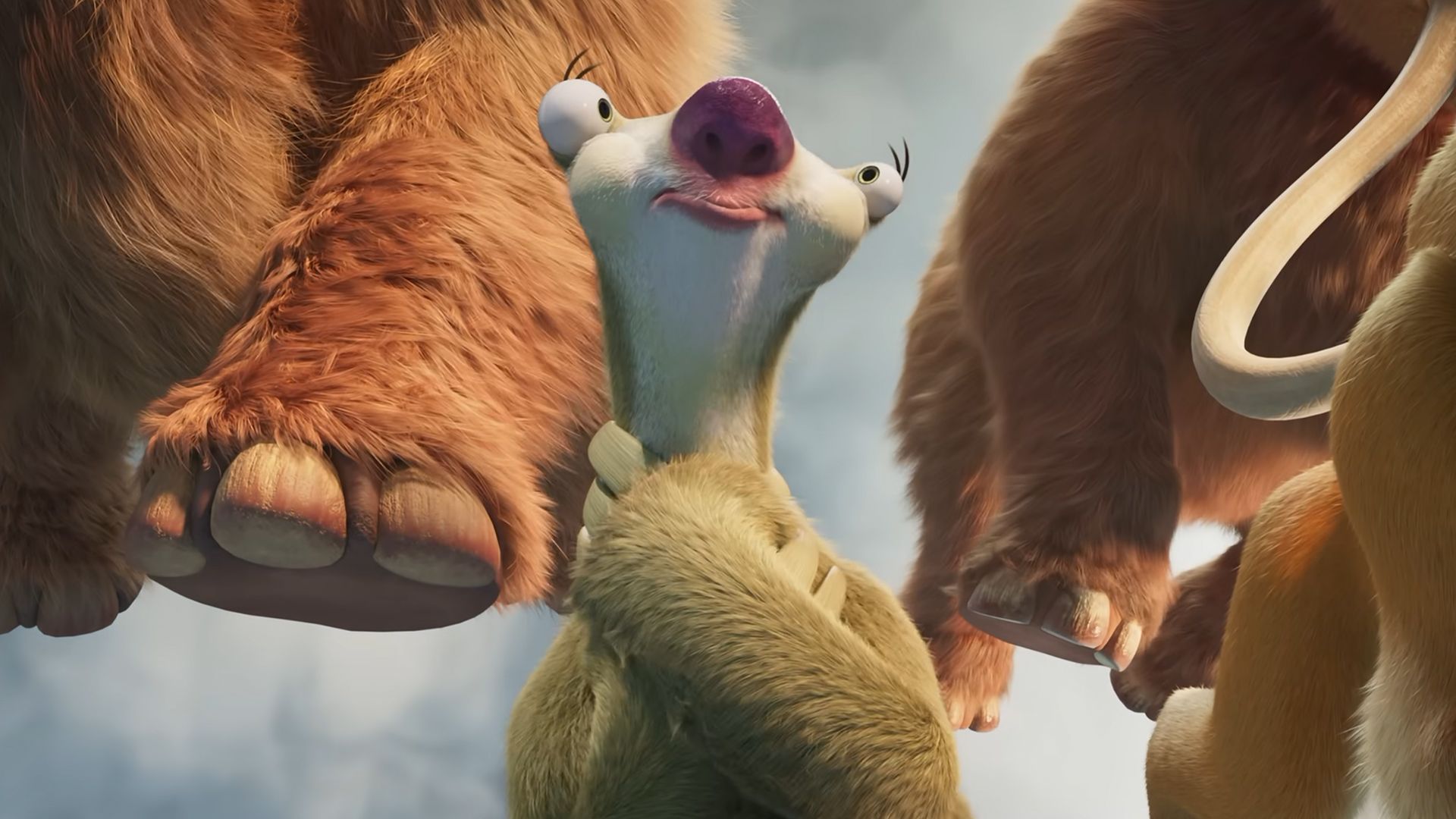
Within hours of its drop, the Ice Age: Boiling Point trailer generated millions of views alongside a torrent of commentary across YouTube, Reddit, and design forums like Creative Bloq. A prominent narrative emerging from the discourse is a sense of aesthetic disconnect. Despite being positioned as a major theatrical event, a significant portion of the audience feels the visual language leans closer to mid-tier television animation than blockbuster cinema.
- Textural and Lighting Critiques: Commenters have zeroed in on character grooming and lighting dynamics. As one user noted, "I think it’s the hair and vibrancy; older movies were a little dimmer and hair was less in your face poofy." In the original 2002 Ice Age, Blue Sky utilized pioneering fur-rendering algorithms that gave characters a grounded, tactile weight within cold, desaturated prehistoric environments. The newer Bardel-produced iterations, by contrast, frequently employ higher saturation levels and simplified texturing, which audiences associate with streaming-era television series.
- Writing and Pacing Concerns: Beyond visuals, script execution has drawn heavy scrutiny. Another viewer remarked, "The animation paired with the awkward script gives major direct to DVD energy." This sentiment highlights the difficulty of recapturing the specific comedic alchemy of the original films, which relied heavily on physical comedy, subtle facial rigging, and deadpan timing crafted by Blue Sky’s veteran animators.
- The Weight of Franchise Fatigue: Capturing the existential fatigue of the audience, another fan famously quoted Sid the Sloth from the original film: "This whole Ice Age thing is starting to get very old." Running a franchise across six feature films and numerous television specials naturally breeds viewer cynicism, making the hurdle for quality control exponentially higher.
Quantitative Overview of the Modern Animation Landscape
| Feature / Project | Studio / Producer | Primary Medium | Target Release | Strategic Purpose |
|---|---|---|---|---|
| Hexed / Lilo & Scratch | Walt Disney Animation Studios | Hybrid 3D CG + Hand-Painted 2D | Next Week | Test new visual pipeline for future original features |
| Ice Age: Boiling Point | Bardel Entertainment / Disney | 3D Computer Animation | February 5, 2027 | Theatrical test for legacy franchise post-Blue Sky closure |
| Frozen 3 | Walt Disney Animation Studios | 3D Computer Animation | 2027 | High-yield commercial sequel guaranteeing box office stability |
| Clay | Walt Disney Animation Studios | Experimental 3D/Stylized Pipeline | 2028 | First original feature showcasing post-"same-face" aesthetic diversity |
The data underscores a dual-track strategy by Disney: leveraging established, risk-averse intellectual properties (Ice Age, Frozen) to maintain steady theatrical revenue, while quietly incubating high-risk, technically adventurous pipelines (Hexed, Clay) to evolve the artistic credibility of the studio.
Official Statements & Industry Perspectives
While official corporate press releases emphasize continuity, enthusiasm, and technological synergy, statements and background briefings from industry creatives paint a more nuanced picture of an industry grappling with identity.
Disney’s Vision for Aesthetic Diversity
Speaking anonymously on the condition of anonymity, several veteran Disney animators have expressed cautious optimism regarding the studio’s post-Hexed roadmap. For years, artists within the walls of Burbank have chafed under the strict visual parameters required by corporate uniformity, where characters across different directors’ films shared remarkably similar facial topologies and proportional rules to ensure brand cohesion.
"The mandate coming down the line is no longer about fitting into a singular corporate mold," notes a senior visual development artist familiar with the upcoming Clay pipeline. "With the hybrid techniques we are exploring in shorts like Lilo & Scratch, the goal is to hand the visual authorship back to the directors and production designers. If a film needs to look like a stop-motion claymation project, a living oil painting, or a high-contrast graphic novel, the technology must bend to that artistic vision, not the other way around."
This shift directly addresses the "same-face syndrome" that has plagued modern 3D animation across multiple major studios. By decoupling character design from a centralized rigging standard, Disney hopes to recapture the adventurous visual diversity that characterized its historic 2D Renaissance and early Pixar experiments.
The Bardel and Legacy Dilemma
Conversely, the management of acquired catalogues like Ice Age presents a completely different philosophical challenge. When Disney shuttered Blue Sky Studios in 2021, many animation historians argued that the unique corporate culture—one defined by East Coast quirkiness and technical rebellion—was lost forever.
Representatives for Bardel Entertainment have consistently defended their work on the franchise, pointing to the massive global engagement metrics of The Ice Age Adventures of Buck Wild as proof of the characters’ enduring cross-generational appeal. In promotional briefs surrounding Ice Age: Boiling Point, studio producers emphasize that bringing the prehistoric herd back to the big screen is an opportunity to introduce these iconic characters to a new generation of cinemagoers while expanding the ecological scope of the narrative.
However, industry analysts remain vigilant. The transition from a bespoke, studio-specific rendering engine (Blue Sky’s proprietary CGI technology) to outsourced production houses inevitably alters the tactile essence of a film. Whether Ice Age: Boiling Point can bridge the gap between nostalgic purists and modern family audiences will likely serve as a masterclass in modern IP management.
Future Outlook: What This Means for Animators, Studios, and Audiences
As the animation industry marches toward 2027 and 2028, the developments surrounding Hexed, Ice Age: Boiling Point, Frozen 3, and Clay point toward a bifurcated future defined by technological experimentation on one side and brand preservation on the other.
1. The Death of the Monolithic House Style
The most encouraging sign for creative professionals is Disney’s explicit acknowledgment that audience fatigue extends to visual uniformity. As tools like the hybrid 3D/2D pipeline tested in Lilo & Scratch become standardized, we are likely to see a democratization of aesthetic choices within major studios. For digital artists, concept designers, and software engineers, this means a shift away from repetitive asset generation toward bespoke, director-driven artistic expression. For those looking to equip themselves for this evolving landscape, staying ahead of trends requires investing in the latest animation software and hardware capable of handling complex hybrid workflows.
2. The Perils of Legacy Franchise Extraction
The reception to Ice Age: Boiling Point serves as a cautionary tale for major conglomerates holding vast libraries of acquired IP. When a studio like Blue Sky is closed, the institutional knowledge, proprietary tools, and subtle artistic sensibilities that made the original films work do not simply transfer via a USB drive. If modern iterations rely solely on brand recognition while sacrificing the meticulous craftsmanship of their predecessors, audiences—armed with instant access to side-by-side trailer comparisons online—will notice. The box office performance of Ice Age: Boiling Point on February 5, 2027, will act as a bellwether for how much goodwill a legacy franchise can retain when executed through a restructured production pipeline.
3. A Critical Turning Point for Creative Professionals
Ultimately, the next few years represent a critical window for the animation medium. As studios balance the financial necessity of safe sequels like Frozen 3 with daring technical leaps like Hexed and Clay, the industry is forced to ask fundamental questions about what constitutes cinematic animation in the modern era.
For creatives, technologists, and fans alike, the message is clear: the era of safe, standardized computer-animated features is drawing to a close. Whether the industry succeeds in forging a vibrant, stylistically diverse future—or stumbles while trying to resurrect the ghosts of franchises past—will depend entirely on how boldly studios are willing to embrace the brushstrokes of change.