Executive Overview
For nearly two decades, CSS-Tricks has served as the North Star for front-end developers navigating the complex, ever-evolving landscape of web standards. However, even the most influential platforms require structural maintenance to remain viable. This week marks a significant milestone in the site’s history with the deployment of the "v20" theme—an ambitious, iterative overhaul that replaces a codebase which had remained largely static for five years.
In the web development world, a five-year lifecycle is essentially an epoch. Rather than opting for a destructive, ground-up rebuild, the development team has executed a surgical modernization. This update focuses on technical debt reduction, performance optimization, and the introduction of a more cohesive design system. By stripping away legacy "ghost" scripts, refining the underlying Sass architecture, and implementing a new, system-aware color toggle, v20 positions the platform for the next decade of web innovation without sacrificing its recognizable identity.

A Detailed Chronology: Excavating the Codebase
The decision to transition to v20 was not prompted by a desire for a trendy aesthetic facelift, but by the accumulation of "digital cruft." Over 19 years, the site had become a repository of abandoned workflows and legacy plugins.
Busting the Ghosts
The team began by identifying and removing redundant JavaScript. The site’s global compiled JS file—formerly a heavy 151.6 KB—was trimmed to 133.8 KB. This reduction was achieved by purging outdated dependencies, including legacy newsletter embedding tools, obsolete Flexbox polyfills (now rendered redundant by modern HTML5 <details> elements), and deprecated third-party ad scripts.
Perhaps the most significant logistical victory was the formal retirement of the CSS-Tricks Forum. Archived since 2018, the forum was consuming roughly 400 MB of database overhead. By deactivating the legacy bbPress integration and cleaning the database, the team not only reclaimed significant storage but also eliminated a host of custom templates that had long been a source of maintenance friction.
Modernizing the Workflow
The build process itself underwent a necessary evolution. For years, the team relied on a stagnant Gulp configuration that frequently threw errors. By modernizing the build pipeline, the team has transitioned to a more stable, predictable environment. This shift represents a move toward developer experience (DX) parity with modern industry standards, ensuring that future updates can be deployed with lower risk and higher velocity.
Supporting Context & Metrics: The Science of the Upgrade
Modern web development is increasingly data-driven. The v20 update was guided by a rigorous analysis of performance and security, including a collaborative effort between human oversight and AI-assisted auditing.
The Security Paradigm
Security is often the most neglected aspect of legacy maintenance. In this instance, the developers utilized Claude to perform a holistic audit of the theme, comparing it against the latest WordPress security guidelines. While the AI acted as a "gopher," identifying potential vulnerabilities—such as unescaped custom field calls—the human team maintained final editorial control, patching the code manually to ensure strict compliance and integrity.
Design Systems and Structural Harmony
CSS-Tricks is a complex ecosystem, and achieving visual consistency across its "nooks and crannies" was a primary goal. The team introduced a series of semantic design tokens, effectively standardizing colors, typography, and spacing.
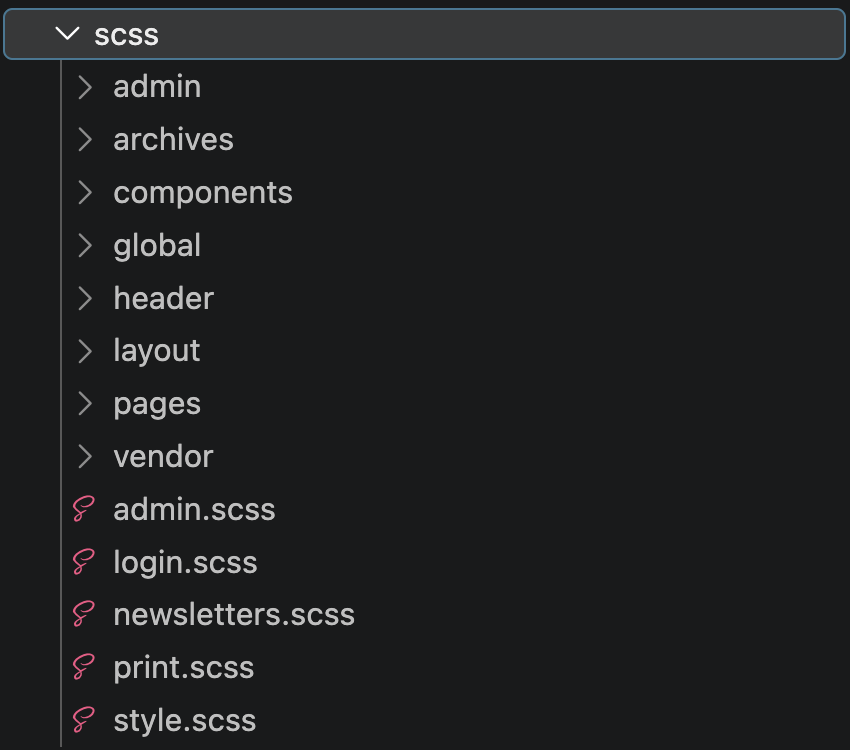
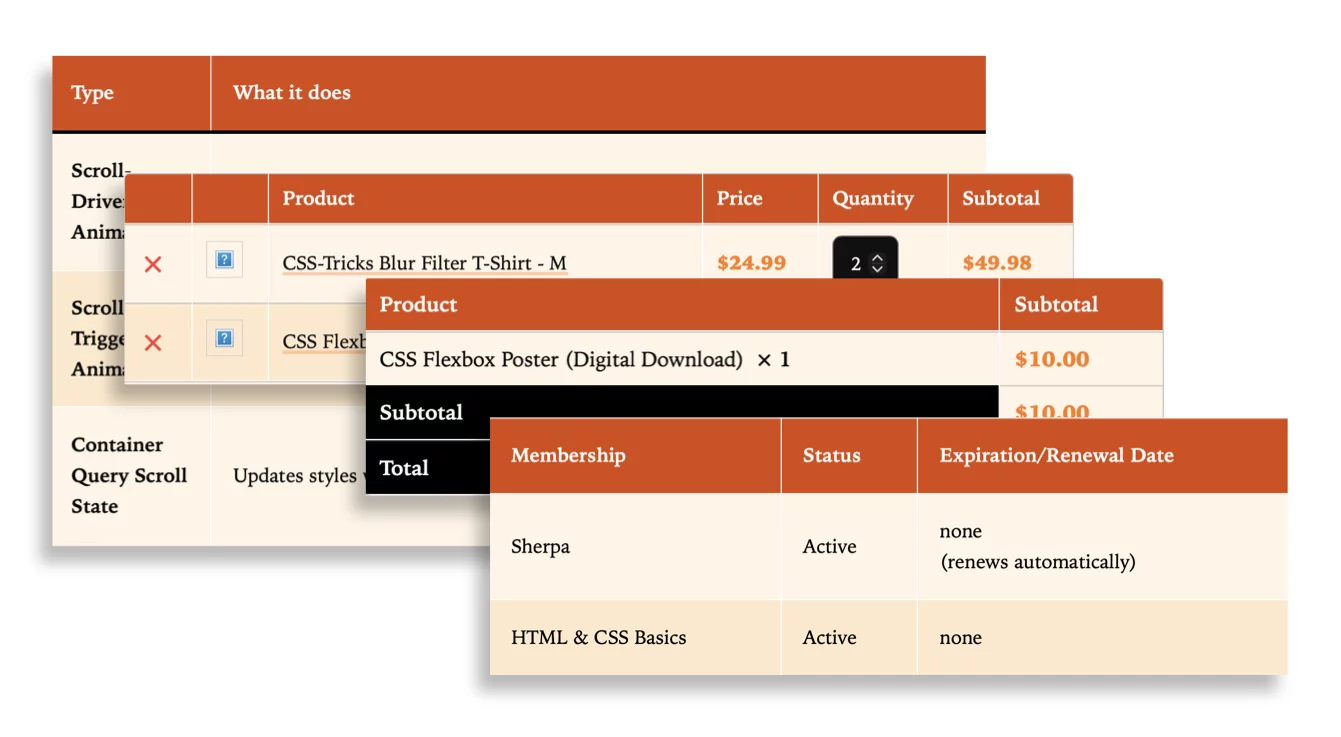
This structural overhaul extended to the CSS architecture. By refactoring the Sass structure into a more organized, partial-based system, the team managed to reduce the total CSS footprint from 180 KB to 169 KB. Notably, they implemented a conditional loading strategy: form-specific styles (for WooCommerce, Gravity Forms, and Restrict Content Pro) are now served only on pages where those plugins are active, preventing unnecessary bloat on core editorial pages.

Performance Metrics: A Comparative Analysis
The following data reflects the transition from v19 to v20, illustrating the tangible benefits of the cleanup:
| Metric | v19 | v20 |
|---|---|---|
| Total Page Weight | 2.03 MB | 1.24 MB |
| LCP (Largest Contentful Paint) | 8.5s | 7.2s |
| CLS (Cumulative Layout Shift) | 0.032 | 0 |
| Time to Interactive | 8.6s | 4.0s |
| Best Practices Score | 75 | 100 |
| Accessibility Score | 86 | 91 |
The reduction in total page weight—a nearly 40% decrease—is the most impressive metric, directly contributing to the significantly improved "Time to Interactive" score. While SEO and performance metrics remain nuanced, the boost in Best Practices and Accessibility scores demonstrates that the v20 update is a net positive for user experience.
Official Perspectives: Aesthetic and Functional Innovations
Beyond the under-the-hood repairs, the v20 update introduces several user-facing features that reflect current web design trends.
The Theme Toggle
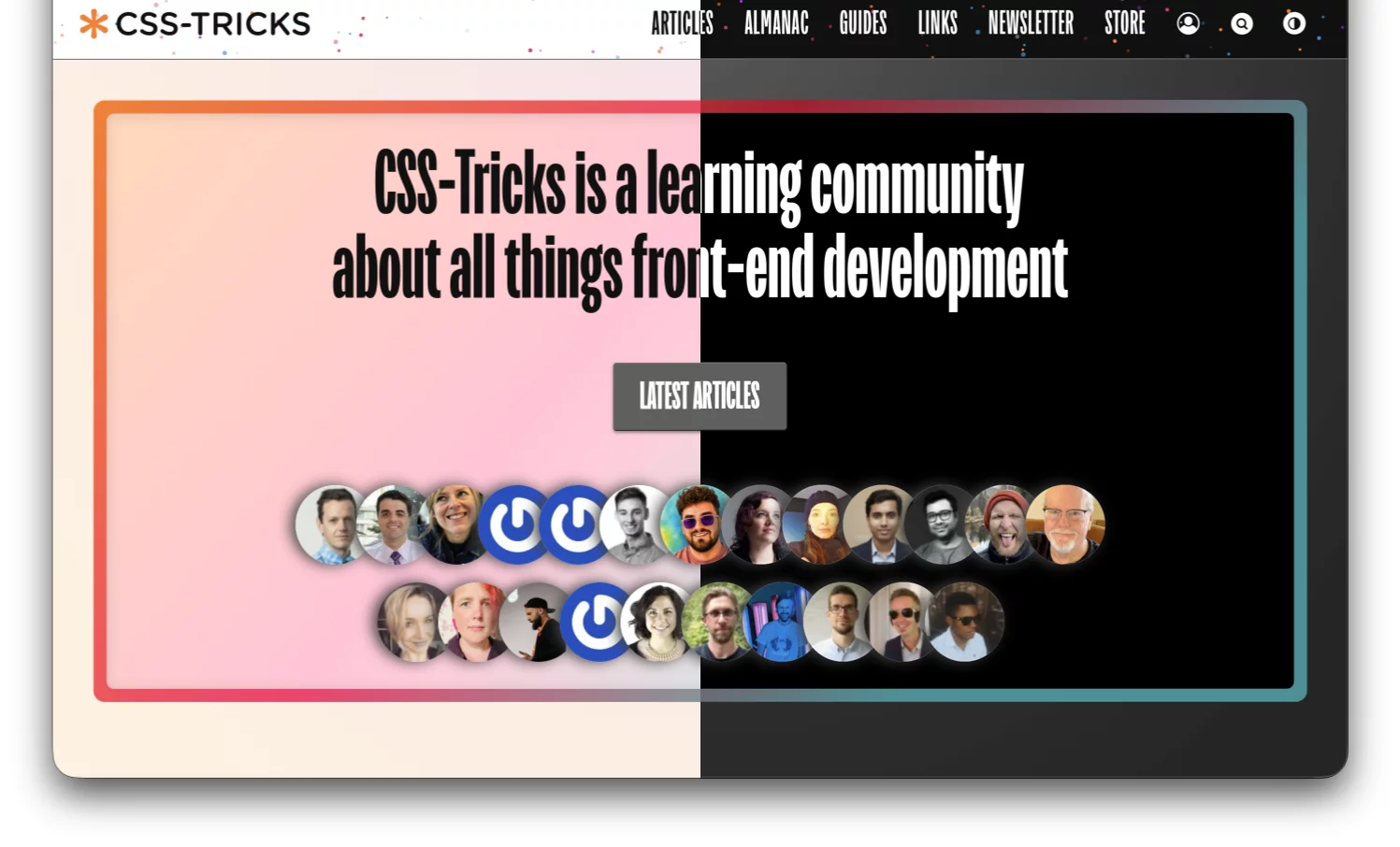
For the first time in its history, CSS-Tricks features a native dark/light mode toggle. Rather than a simple inversion, the team crafted a "creamy" light theme that complements the site’s established dark aesthetic. By leveraging modern CSS capabilities, the toggle provides a seamless transition between system preferences and manual settings, all while respecting the user’s motion preferences via view transitions.
The "Jawbreaker" and "Blob" Aesthetics
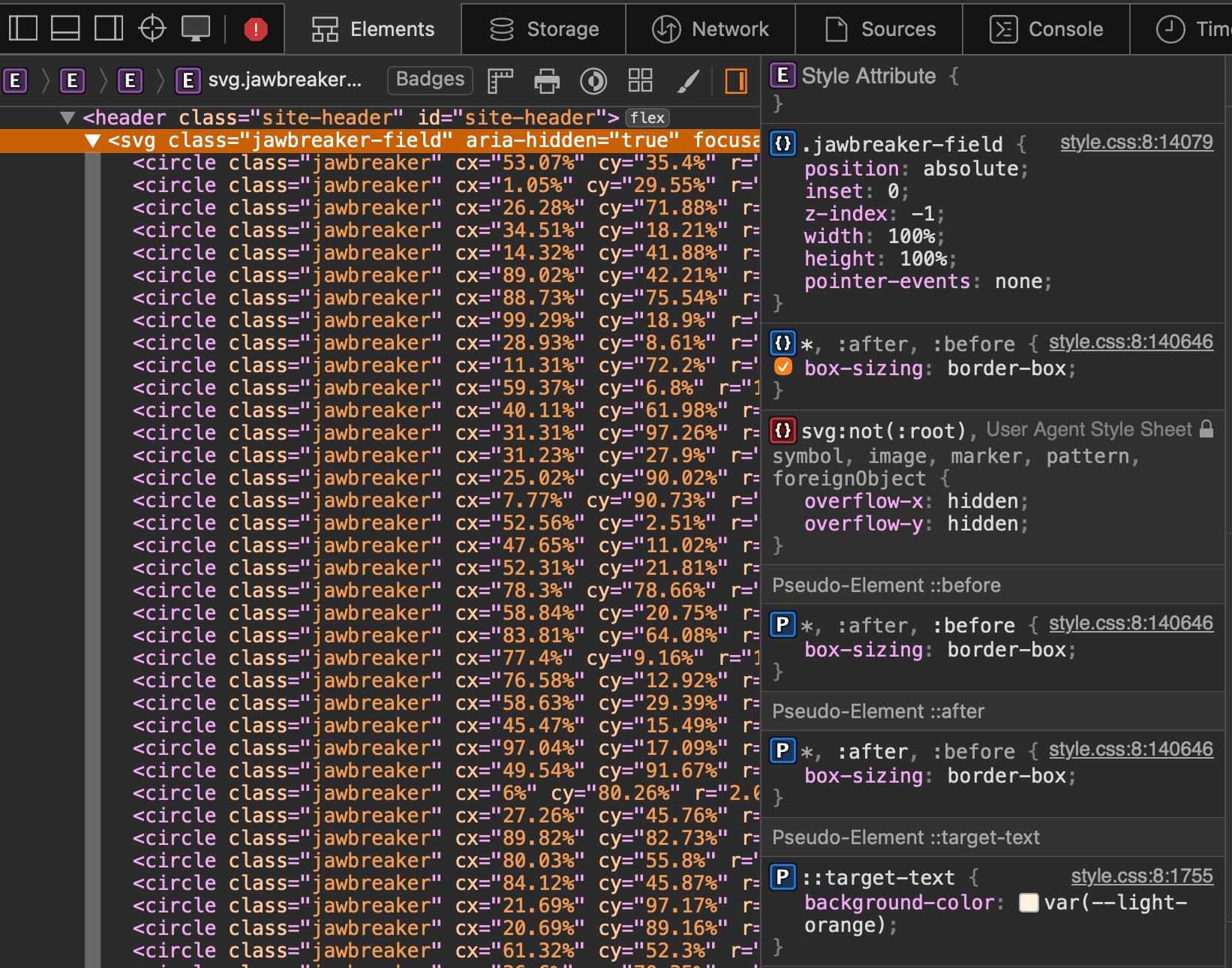
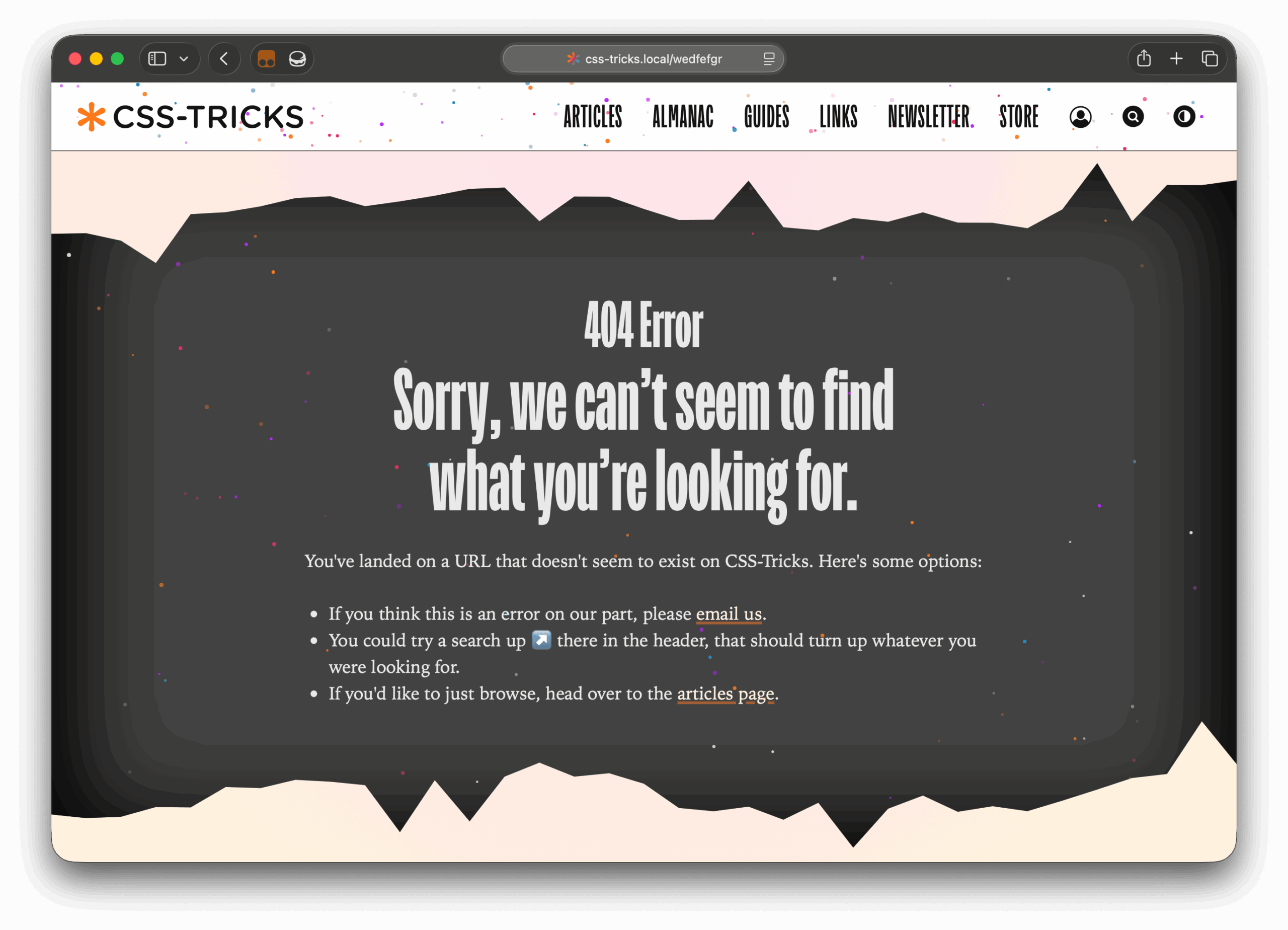
The site’s new branding includes a playful, "cute" aesthetic dubbed "Jawbreaker." This involves a series of procedurally generated SVG dots in the header and footer. By utilizing PHP to randomize the coordinates, size, and animation delays of these circles, the team has added a layer of visual personality without relying on heavy external libraries.
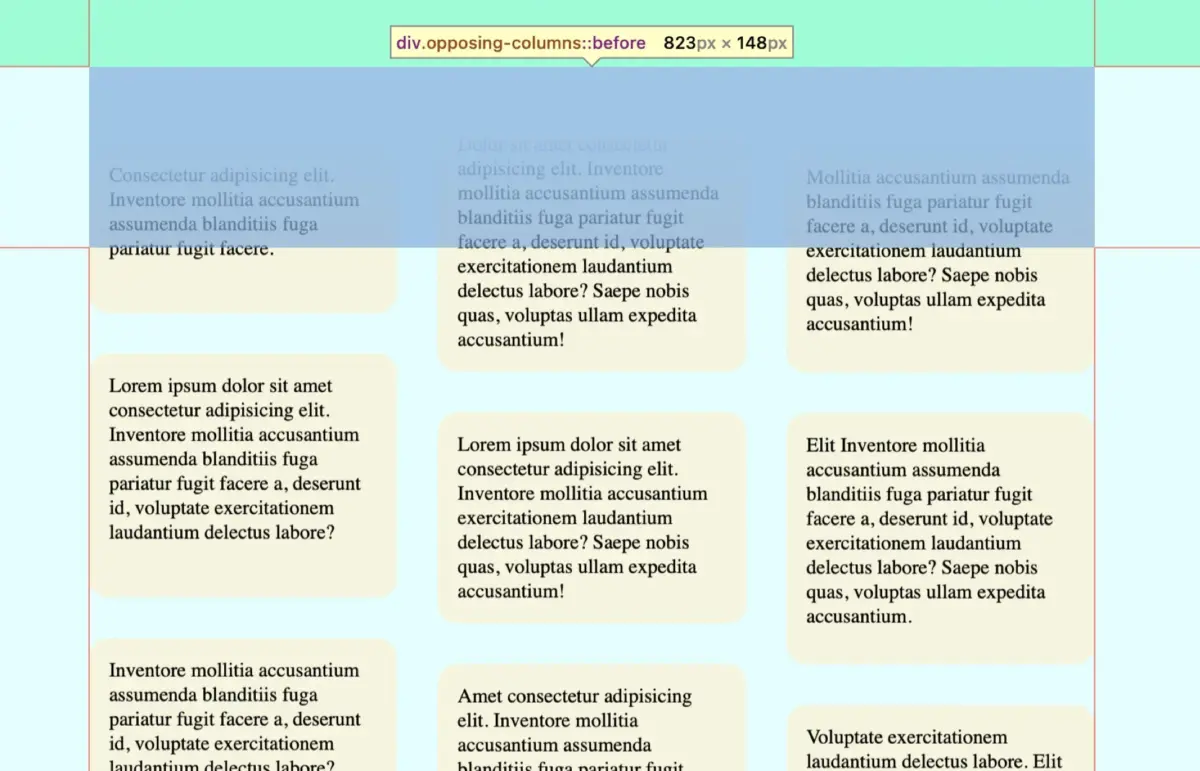
Furthermore, the implementation of CSS border-shape and random() functions allows for "blobby" animated backgrounds on the homepage. By mapping these shapes to random variables, the site generates unique hover states on each page load, showcasing the power of modern browser-native animations.
Almanac and Guides Index
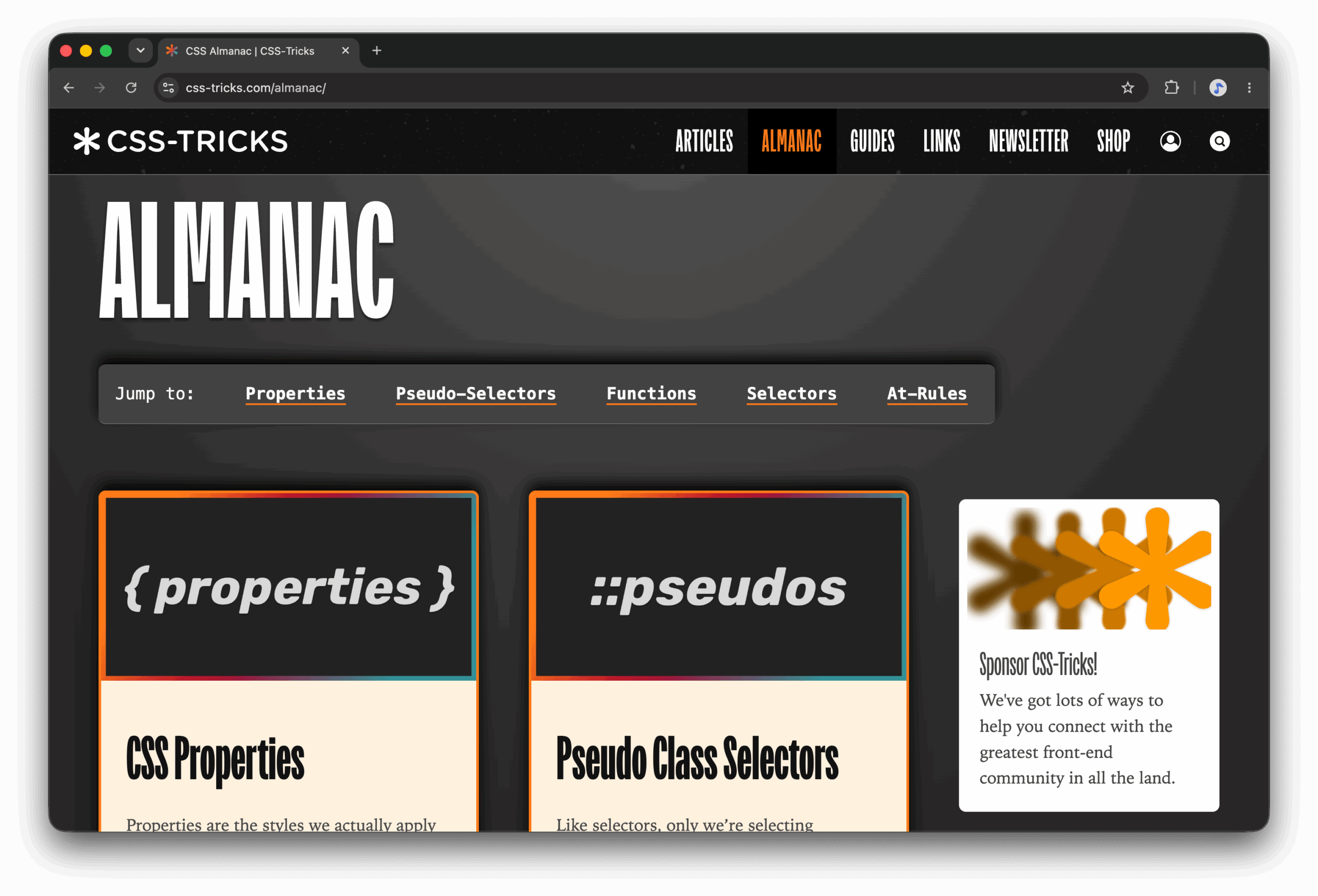
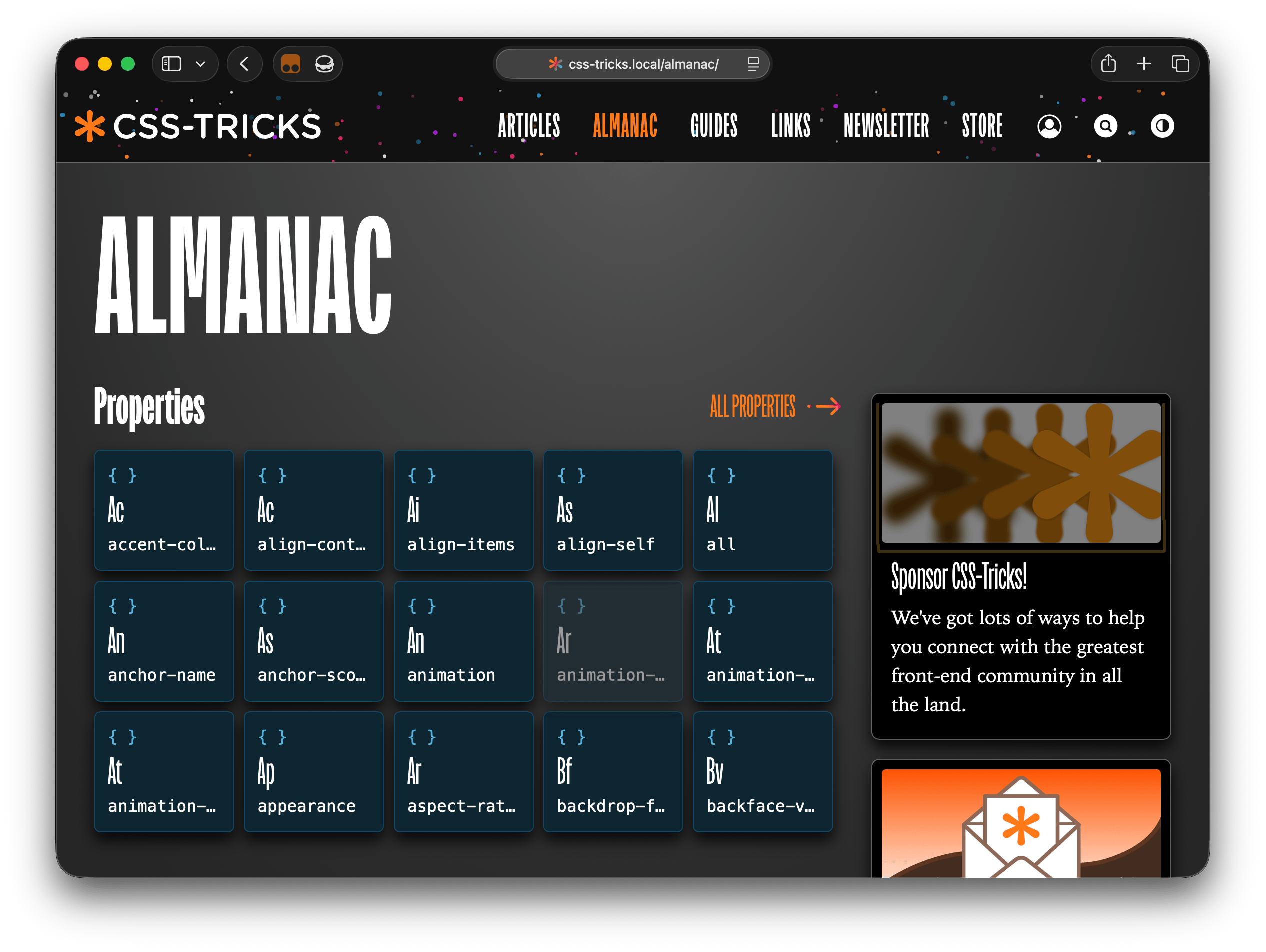
The structural reorganization has finally addressed the "Almanac" and "Guides" pages. The old, vertical-stack layouts have been replaced with a more intuitive grid system. The new Almanac index, inspired by the periodic table, transforms a previously utilitarian list into a highly accessible directory of CSS features. Similarly, the Guides index now features a featured-content hierarchy, making it easier for users to navigate the site’s extensive library of educational resources.
Future Outlook: Iteration as a Philosophy
The release of v20 is not a destination, but a waypoint. The development team remains candid about the work that lies ahead. There are still legacy remnants lurking in the codebase, and the "Authors Index" remains a project for a future update.
However, the shift to a more modular, token-based design system and a cleaned-up, optimized database provides a solid foundation for future growth. The decision to favor iterative releases over massive, destructive redesigns has proven successful, maintaining the continuity of the CSS-Tricks brand while significantly modernizing the technical underpinnings.
As the web continues to evolve—with new CSS specifications, browser APIs, and security challenges—this updated v20 framework ensures that CSS-Tricks is not just documenting the future of the web, but is also built to participate in it. For the developer community, this update serves as a masterclass in how to manage, maintain, and modernize a high-traffic, legacy platform without losing the essence of what made it indispensable in the first place.