Executive Overview
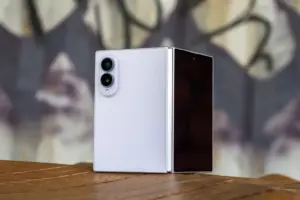
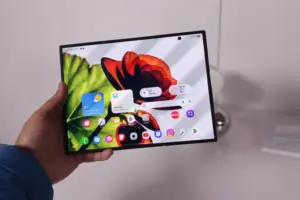
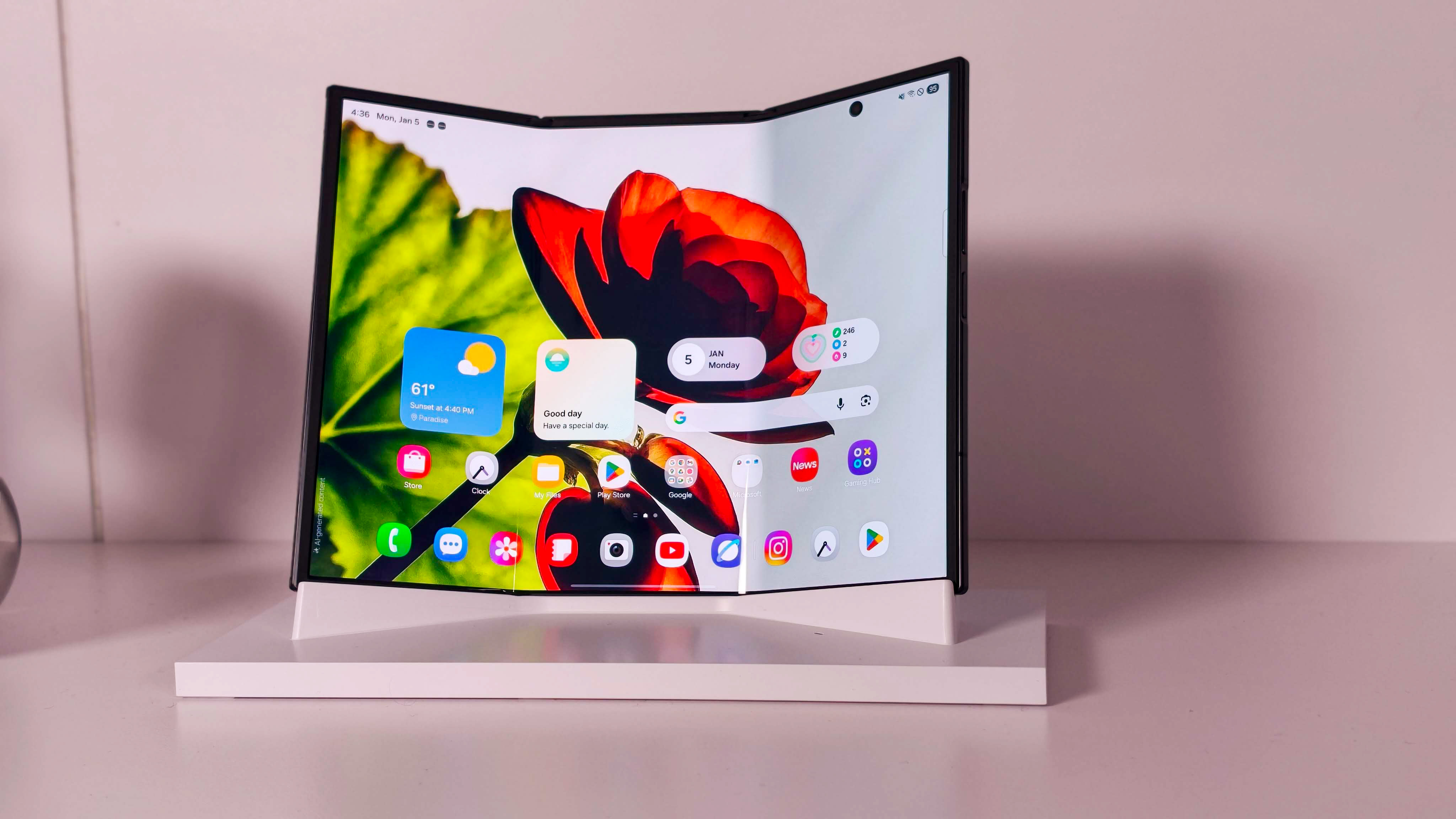
The foldable smartphone market has officially graduated from a niche curiosity to a staple of the mobile industry, with “wide-format” foldables becoming the gold standard for power users. However, Samsung, the pioneer of this form factor, appears to be eyeing an even more ambitious horizon: the “TriFold.” Following the tepid commercial performance and swift retirement of the original Galaxy Z TriFold, industry insiders and supply chain analysts are reporting that the South Korean tech giant is quietly moving forward with a successor.
Recent leaks originating from GalaxyClub suggest that internal development for the next iteration—tentatively dubbed the "Galaxy Z TriFold 2"—is already underway. With internal codenames hinting at a shared DNA with the upcoming Galaxy Z Fold 9 series, Samsung seems determined to refine its triple-folding technology. Despite the monumental challenges in manufacturing, durability, and cost-to-profit ratios, the company appears intent on mastering a form factor that could redefine the boundaries between a smartphone and a tablet.
A Detailed Chronology of the TriFold Saga
To understand the significance of the "Q9m" codename, one must look back at the trajectory of Samsung’s R&D department. The original Galaxy Z TriFold was launched with high expectations, serving as a proof-of-concept that challenged the limitations of hinge durability and screen flexibility.
The Short-Lived Debut
The first iteration of the device was short-lived, spending a mere three months on the market before Samsung effectively pulled the plug. The decision was not based on a lack of consumer interest, but rather an insurmountable economic reality: the manufacturing costs of the complex, multi-hinged display and the associated internal components made the device unsustainable. By the time Samsung opted to liquidate its remaining inventory, it became clear that the technology, while revolutionary, was not yet ready for mass-market consumption.
The "Q9m" Development Phase
As of November 2024, reports indicate that Samsung is applying the same nomenclature patterns used during the Z8 cycle to its current development pipeline. The Galaxy Z Fold 9 is reportedly identified by the codename "Q9." The discovery of an "Q9m" variant suggests a parallel development track. This "m" suffix is widely interpreted by analysts as the designation for the TriFold successor, signaling that while it may share the flagship’s core processing architecture and software framework, it remains a distinct, specialized hardware project.
Supporting Context and Economic Metrics
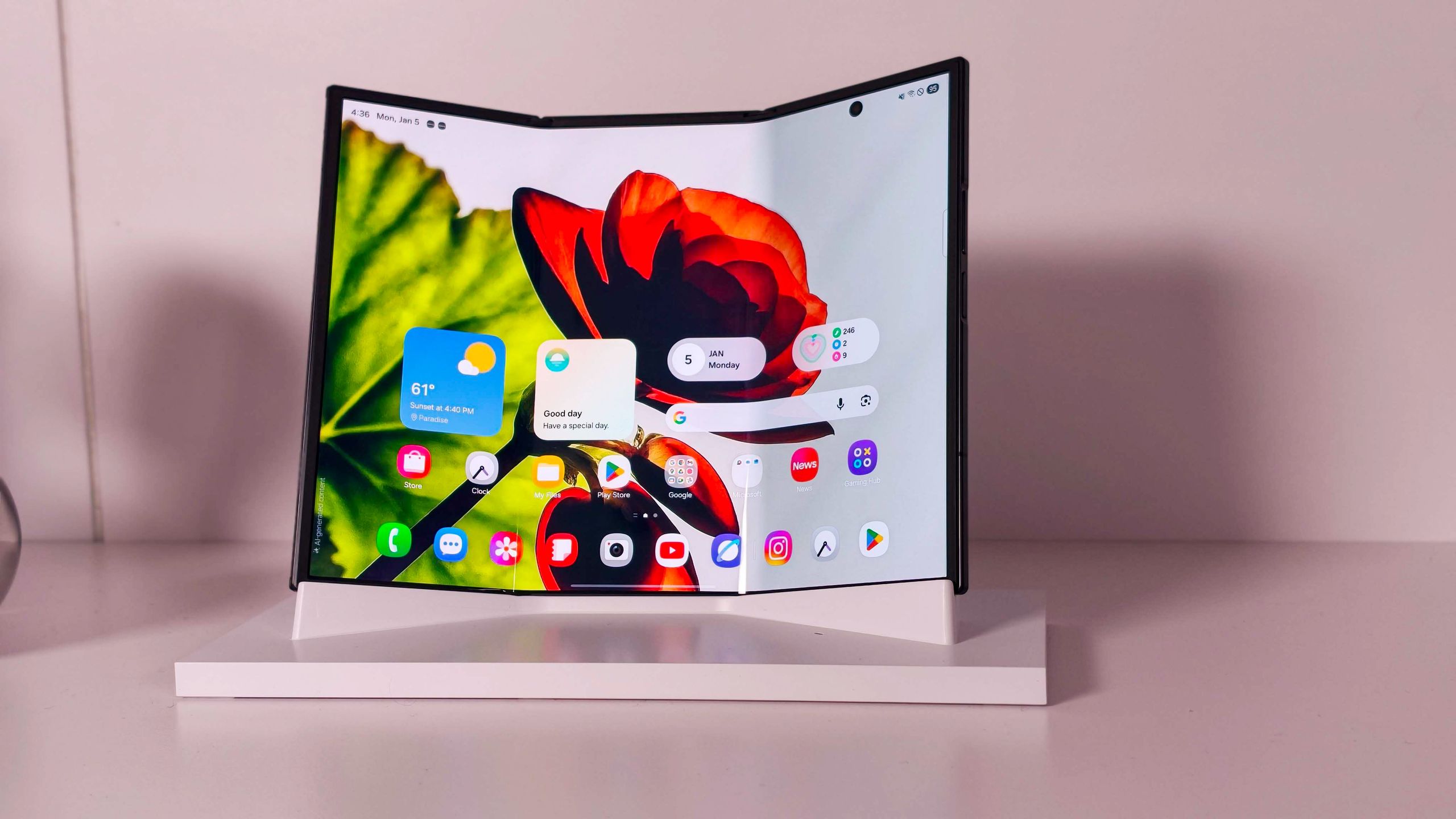
The ambition behind the TriFold 2 is underscored by the current economic climate of the mobile hardware industry. A device that folds into thirds requires a display panel with significantly higher structural integrity than a standard dual-fold phone, along with a complex multi-point hinge system that must withstand thousands of actuations without failure.
The Cost-Benefit Hurdle
The original TriFold was priced at approximately $2,800. While this price point was meant to account for the high cost of R&D and specialized components, it ultimately proved to be a barrier for all but the most dedicated tech enthusiasts. Industry analysts are now speculating that a successor could potentially break the $3,000 threshold.
However, there is a fundamental debate regarding the viability of such a product:
- Manufacturing Overhead: The yield rates for triple-fold displays remain historically low. Every defect in the screen panel results in a significantly higher financial loss compared to standard displays.
- Component Density: Fitting modern battery tech, cooling systems, and high-end camera sensors into a body that must remain "thin and light" represents an engineering paradox that Samsung has yet to fully solve.
Despite these hurdles, the drive to innovate remains a core pillar of Samsung’s mobile strategy. The company is under increasing pressure to differentiate itself from a rising tide of Chinese competitors, such as Huawei and Honor, who have made significant strides in thin-foldable technology.
The Strategic Pivot: Innovation Under Pressure
The rumor mill surrounding the TriFold 2 intensified significantly following the launch of Apple’s rumored "iPhone Duo" concepts and the broader market shift toward larger, more immersive mobile displays. When Samsung executives remarked on the possibility of a device "folding three ways," it was more than mere corporate posturing; it was an acknowledgment that the industry is searching for the next "Big Thing" beyond the standard book-style foldable.
Technical Aspirations
If the reports are to be believed, the TriFold 2 is being designed with three key objectives in mind:
- Enhanced Durability: Addressing the common failure points of the original model’s hinge and crease.
- Weight Reduction: Moving toward materials that offer the strength of metal with the weight of advanced composites.
- Form Factor Versatility: Allowing the device to function as a compact phone, a medium-sized media device, and a full-scale tablet.
Furthermore, there is a secondary rumor suggesting that the TriFold project is being developed alongside a "slideable" device. This indicates that Samsung is not putting all its eggs in one basket, but rather exploring multiple ways to extend the screen real estate of a portable device.
Regional Availability: A Controlled Rollout
A critical aspect of the leaked information is the geographical limitation of the device. Sources suggest that the TriFold 2 will likely remain restricted to the South Korean and United States markets, mimicking the limited release strategy of its predecessor.
This approach serves a strategic purpose:
- Controlled Support: By limiting the market to two highly developed regions, Samsung can better manage customer support, repair logistics, and potential hardware recalls—a necessary precaution for a product in its "second-generation" phase.
- Targeted Demographic: Both the U.S. and South Korea possess the highest density of "early adopters" who are willing to pay a premium for experimental hardware.
Future Outlook: The 2027 Horizon
Looking ahead, the industry has its eyes set on 2027 as the potential launch window for the TriFold 2. This timeline allows Samsung to mature its display technology, specifically in the realm of UTG (Ultra-Thin Glass) and improved adhesive layers that can survive the rigorous stress of a triple-hinge fold.
Final Thoughts
The journey of the Samsung Galaxy Z TriFold 2 is a testament to the "innovation-first" philosophy that has defined the last decade of mobile tech. While the failure of the first model served as a cautionary tale, the "Q9m" codename represents a persistent, iterative march toward a future where our devices are no longer restricted by the dimensions of a pocket.
Whether the TriFold 2 will be a commercial success remains to be seen. Its success will depend not just on the technical wizardry of the hinges, but on whether Samsung can convince the average power user that a $3,000 price tag is justified by the utility of a screen that expands from a phone to a tablet in a matter of seconds. For now, the world waits as the labs in Suwon continue their work on the next evolution of the foldable revolution.
As we move closer to 2027, all eyes will be on the supply chain. Any shifts in display procurement or hinge patent filings will likely serve as the "canary in the coal mine" for the next major announcement in the Galaxy Z series. Samsung is playing a long game—and in the world of high-end mobile engineering, it is often the player with the most patience that eventually reaps the rewards of a new market segment.