
Executive Overview: A Market at a Crossroads
The global foldable smartphone landscape, once a playground for experimental tech enthusiasts, has evolved into a high-stakes arena where dominance is measured in microns and hinge durability. According to the latest Q3 2026 data from Smart Analytics Global (SAG), the foldable sector is navigating a period of intense turbulence. While total shipments saw a 2% year-over-year (YoY) decline, totaling approximately 7.5 million units, the narrative is far from uniform.
Samsung, having weathered a storm of intense competition from Chinese OEMs, has reasserted its authority. By securing a commanding 69% market share, the South Korean tech giant has silenced skeptics who once whispered about its complacency. The catalyst for this resurgence? The Galaxy Z Fold 8, a device that finally embraced the "wide-foldable" form factor—a design shift that consumers have been demanding for years. As we look toward 2027, the industry stands on the precipice of a significant transformation, fueled by the anticipated mass-market entry of the Apple iPhone Duo and a projected 55% surge in shipment growth.
Detailed Chronology: From Stagnation to Strategic Pivot
To understand the current state of the foldable market, one must look back at the dramatic shift in power that occurred in early 2024. For years, Samsung enjoyed the luxury of being the default choice for anyone seeking a folding device. However, Q1 2024 served as a sobering "turning point" for the company.
During that period, Huawei achieved the unthinkable: it surpassed Samsung in global foldable shipments. The data was damning for the incumbent, showing a 42% YoY decline for Samsung, while Huawei enjoyed a staggering 257% increase. This period was characterized by a lack of innovation in Samsung’s Galaxy Z series, with critics arguing that the company was resting on its laurels while Chinese competitors refined hardware, reduced creases, and introduced thinner, more ergonomic designs.
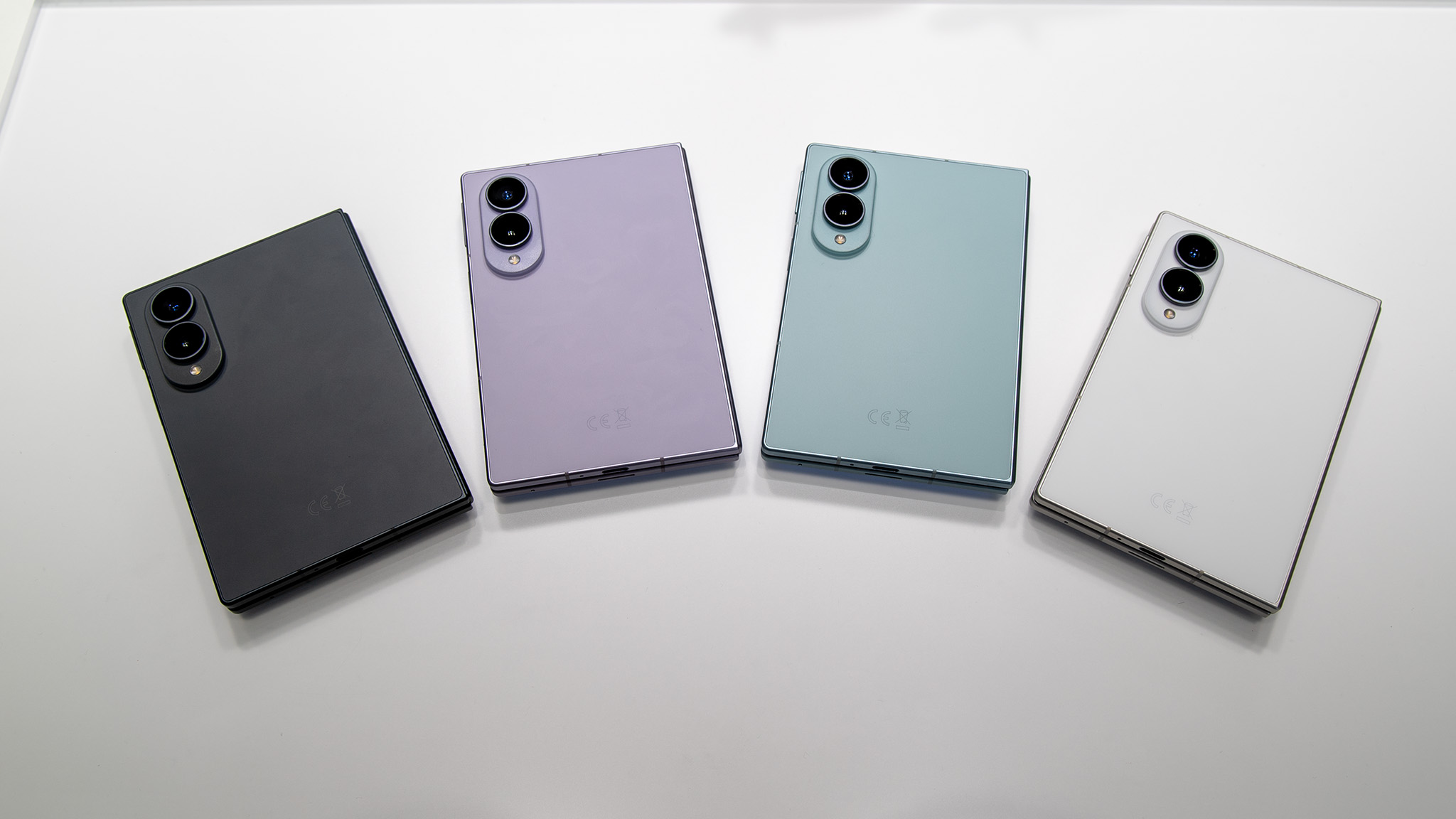
The industry response was swift. Samsung pivoted its R&D focus, ultimately delivering the Galaxy Z Fold 8. By adopting a wider, more traditional aspect ratio—a move pioneered by Chinese manufacturers—Samsung regained the favor of power users who previously found the narrow outer displays of earlier Fold iterations to be claustrophobic and impractical.
Meanwhile, Huawei’s momentum saw a slight cooling. While the Pura X View made headlines as the industry’s first true wide-foldable, its performance did not reach the same heights as the Fold 8. This suggests that while innovation is necessary to break into the market, brand ecosystem and regional distribution channels remain the ultimate arbiters of sustained success.
Supporting Context & Metrics: The "Wide" Revolution
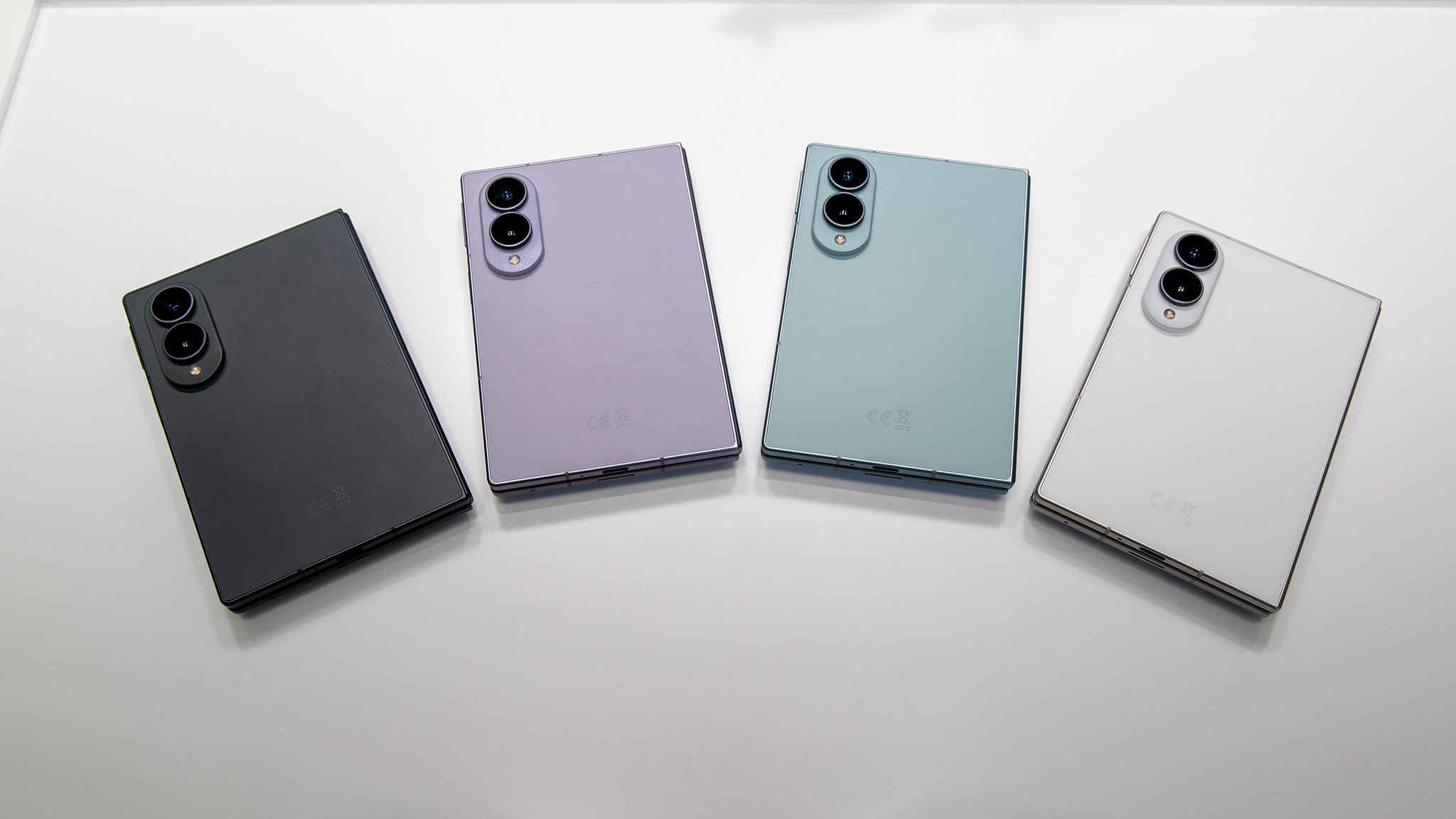
The "wide-foldable" form factor has become the industry standard for a reason. By moving away from the "candy-bar" style narrow screen, OEMs are finally bridging the gap between a standard smartphone and a tablet.
SAG’s report highlights that Samsung’s growth was particularly pronounced in South Korea and Europe, where double-digit shipment increases were recorded. This is a critical metric because these markets are notoriously difficult to penetrate with premium, high-priced hardware.
However, the broader smartphone market remains in a state of decay. Global shipments across the entire mobile sector plummeted in Q3, marking their lowest point in over 14 years—a 20% decline YoY. In this context, the foldable segment is actually performing as a relative "bright spot." While the volume is lower than traditional handsets, the revenue per unit (RPU) for foldables is significantly higher, allowing companies like Samsung to maintain profitability despite the overall contraction of the industry.
The competitive landscape remains top-heavy. Huawei still commands a significant 14% of the market, proving that even with trade restrictions and supply chain hurdles, they remain a formidable threat. The battle for the remaining 17% is a fragmented war involving brands like Honor, Xiaomi, and Vivo, all of whom are struggling to carve out space in a market dominated by the Samsung-Huawei duopoly.
The Apple Factor: A New Catalyst for 2027
Perhaps the most anticipated variable in the 2027 forecast is the long-rumored Apple iPhone Duo. For years, Apple has watched from the sidelines, allowing Android OEMs to serve as the "beta testers" for foldable hinge mechanisms, flexible glass, and specialized software multitasking.
Industry analysts suggest that when Apple finally enters the fray, it will not just be another foldable release; it will be a market-legitimizing event. Historically, Apple’s entry into a new category triggers a "halo effect," driving consumer awareness and demand that lifts all boats. If the iPhone Duo matches the current wide-foldable design trends, it will likely solidify that form factor as the industry standard for the next decade.
The 55% YoY growth forecast for 2027 is ambitious, but it is contingent upon two things: the democratization of foldable technology and the stabilization of pricing. If the industry can pivot from "luxury tech" to "essential upgrade," the foldable market could finally transition from a niche pursuit into the mainstream choice for the average consumer.
Future Outlook: The Pricing Paradox
Despite the optimism surrounding the 2027 outlook, the industry faces a daunting "Pricing Paradox." While manufacturers are desperate to increase volume, the cost of entry remains prohibitive for many.
We are currently seeing a strange phenomenon where traditional "slab" phones are creeping up in price, blurring the lines between premium flagships and foldables. For instance, the Moto Signature 27, a non-folding slab device, launched at $1,599. When high-end traditional phones command such astronomical price tags, the value proposition of a $2,000 foldable becomes more attractive, yet the total addressable market is simultaneously squeezed by global economic pressures.
For the market to achieve the projected 55% growth in 2027, OEMs must address three critical hurdles:
- Software Maturity: The "app gap" is still a reality. While the hardware is excellent, many third-party apps still struggle to scale gracefully between folded and unfolded states.
- Durability Assurance: The average consumer is still wary of the long-term longevity of folding screens. Until a foldable device is perceived as being as robust as a slab phone, mass adoption will remain elusive.
- Price Normalization: The industry needs a "mid-tier" foldable—a device that captures the essence of the Z Fold or iPhone Duo at a sub-$1,000 price point.
Final Reflections
The foldable smartphone market is currently a "pressure cooker." The success of the Samsung Galaxy Z Fold 8 proves that when manufacturers listen to the market and iterate on form factors, consumers will respond. However, the macro-economic environment suggests that the "easy growth" era is over.
As we move into 2027, the focus must shift from merely proving that a phone can fold, to proving that a foldable phone is the most productive and enjoyable way to interact with the digital world. Whether it’s Samsung defending its crown, Huawei fighting for its share, or Apple arriving to change the rules of the game entirely, the next 18 months will define the future of the mobile industry. The technology is no longer the question; the question is whether the global consumer is ready to pay the premium required to turn the "foldable craze" into the new global standard.