In the modern digital economy, words are not merely a medium of creative expression—they are the primary engine of customer acquisition and revenue generation. For entrepreneurs and marketers navigating crowded digital landscapes, the ability to turn text into currency separates thriving businesses from those that quietly fade away. Having generated over seven figures online primarily through written marketing channels—such as strategic blog posts, targeted social media, and high-converting email newsletters—the secret to sustained digital growth does not lie in flowery prose or literary eloquence. Rather, it lies in clarity, conciseness, and an unwavering focus on conversion.
This authoritative report outlines the fundamental philosophy and ten actionable strategies required to master copywriting. By shifting the objective from writing beautifully to generating measurable return on investment (ROI), writers and business owners can transform static content into a dynamic growth asset. Whether scaling a digital marketing agency, launching a software-as-a-service (SaaS) platform, or building a community like Copyblogger, the principles detailed below offer a blueprint for sustainable commercial success.
Detailed Chronology: The Evolution of Modern Copywriting
The landscape of copywriting has undergone a massive structural shift over the past two decades. Understanding this evolution is critical for anyone looking to build a sustainable writing career or customer acquisition engine today.
The Era of Traditional Direct Response (Pre-2010s): Historically, copywriting was dominated by long-form sales letters, print advertisements, and physical mailers. Practitioners focused heavily on psychological triggers, dramatic storytelling, and aggressive scarcity to force immediate conversions.
The Content Marketing Boom (2010–2020): With the democratization of blogs and social media, businesses rushed to produce high volumes of content. The prevailing philosophy shifted to "content is king," often prioritizing search engine optimization (SEO) keyword stuffing and broad traffic generation over targeted conversion intent.
The Modern ROI & Intent-Driven Era (Present): Today, raw traffic is a vanity metric. Modern copywriting requires a sophisticated blend of customer empathy, rigorous data analysis, platform-specific mastery, and calculated AI integration. Contemporary copywriters must prove their financial impact, tying every headline, pain point, and call-to-action (CTA) directly to the bottom line.
Supporting Context & Metrics: The 10 Commandments of Elite Copywriting
To transition from an amateur writer to a high-earning copywriter, one must adopt a systematic approach to research, drafting, and optimization. Below are the ten essential principles required to master the craft.
1. Talk to Customers (and Mine Their Realities)
The primary job of a copywriter is to capture attention, build trust, introduce a viable solution, dismantle objections, and convert the reader. To achieve this, you must deeply understand your target audience’s pain points, desires, and daily frustrations.
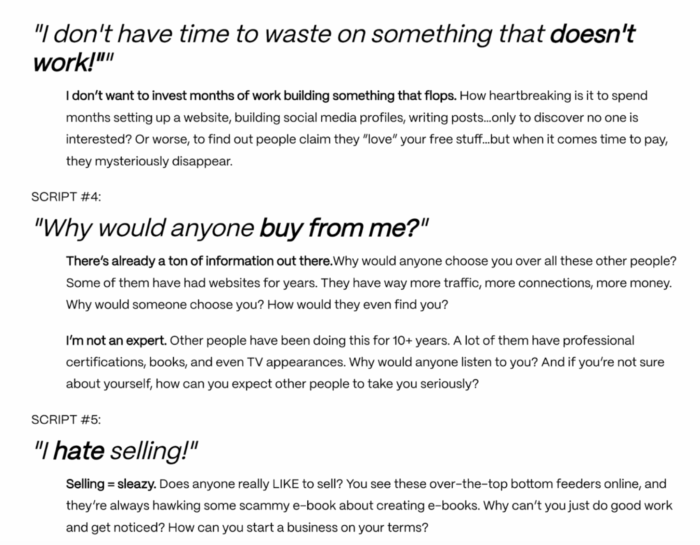
Elite copywriters do not invent problems out of thin air; they mirror the exact reality their prospects are experiencing. For example, successful educational platforms do not simply state "learn how to make money." Instead, they paint a vivid picture of the target customer’s current reality: the soul-crushing 9-to-5 job, evening hours lost scrolling through social media, and exhausting weekend errands. By feeding transcripts from sales calls into AI analysis tools, or mining niche forums and subreddits for authentic customer language, copywriters can uncover the exact phrasing and emotional triggers that resonate most deeply with buyers.
2. Learn From Your Competitors’ Winning Ads
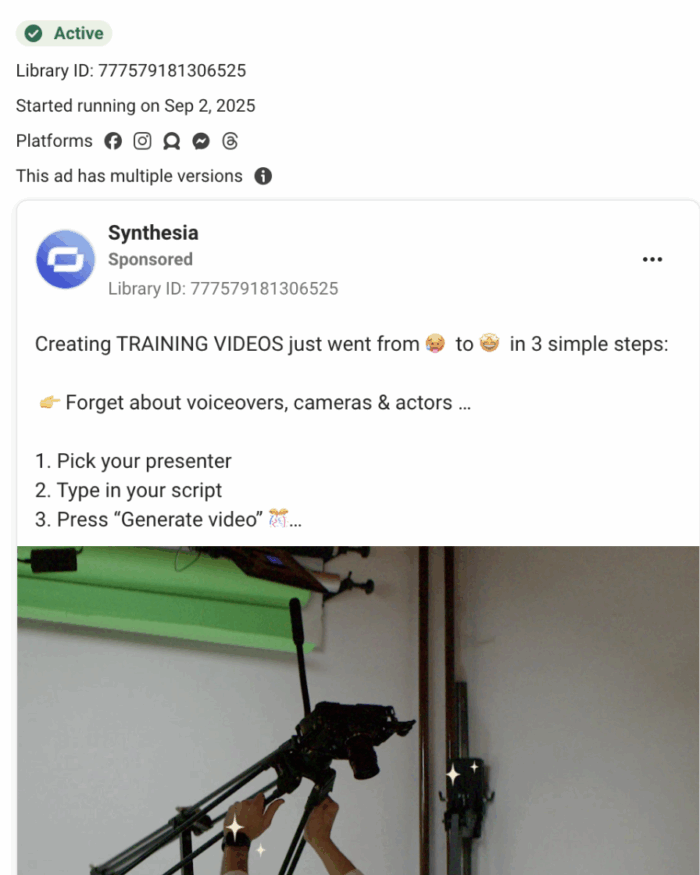
Industry competitors who engage in paid advertising have already invested significant capital into testing what works. Rather than starting from a blank page, utilize platforms like the LinkedIn or Facebook Ad Library to study long-running competitor ads. Ads that run continuously over many weeks or months indicate a winning formula, typically centered around a high-performing pain point. Dissecting these campaigns provides invaluable clues regarding market demand and effective positioning.
3. Build and Maintain a Swipe File
Studying top-tier copy requires intentional curation. Building a personal swipe file—a collection of high-converting headlines, sales pages, and email sequences that immediately command your attention—accelerates your learning curve. In addition to curating your own examples, referencing established repositories like Neville Medhora’s SwipeFile.com exposes you to time-tested frameworks curated by seasoned professionals.
4. Establish a Repeatable Writing Process
Relying on sudden bursts of inspiration leads to writer’s block and erratic output. Establishing a structured writing process ensures that every piece of copy systematically addresses core pain points, resolves potential objections, and features a clear, compelling call-to-action. Whether drafting an educational blog post or a high-stakes sales page, a reliable step-by-step workflow eliminates friction and guarantees consistent quality.
5. Practice Writing with Commercial Intent
True mastery requires deliberate, consistent practice. However, the most productive way to hone your skills is to write copy for your own projects, products, or services. Whether building an affiliate marketing blog, launching a localized dropshipping store, or ghostwriting on professional networks, tying your writing directly to revenue generation transforms you from a commodity writer into a high-value commercial strategist. Furthermore, successful personal projects serve as undeniable case studies when pitching future high-paying clients.
6. Embrace AI for the Right Use Cases
Artificial intelligence should serve as a strategic partner rather than a replacement for human insight and core ideas. AI excels at specific, tactical applications in the copywriting workflow:
Pain Point Research: Generating comprehensive lists of user frustrations to jog your memory during the outlining phase.
Sentence Phrasing: Rewriting clunky passages to achieve maximum clarity and conciseness.
Expert Sourcing: Identifying authentic quotes, case studies, and industry discussions from established professionals to bolster your authority.
7. Master One Platform Deeply
Different digital channels demand unique hooks, structural styles, and behavioral nuances. Long-form, highly actionable guides excel on traditional search engines, whereas punchy, thought-leadership commentary dominates professional networks like LinkedIn. By committing to master the algorithmic mechanics and user psychology of a single platform, you drastically increase the ROI of your content and justify higher professional rates.
8. Measure the ROI of Your Work
Subjective opinions from peers regarding whether a piece of copy "sounds good" are largely irrelevant. True copywriting success is measured in revenue. Track the efficacy of your work through precise attribution channels:
Social Media Ghostwriting: Monitor the professional caliber of commenters and utilize custom conversion forms ("How did you hear about us?") to tie engagement directly to pipeline growth.
Blog Content: Implement robust conversion tracking in analytics platforms to determine which articles drive actual product signups rather than empty page views.
Sales Funnels: Review conversion rates and revenue data directly from checkout pages to evaluate messaging strength.
9. Join a Community and Solicit Critical Feedback
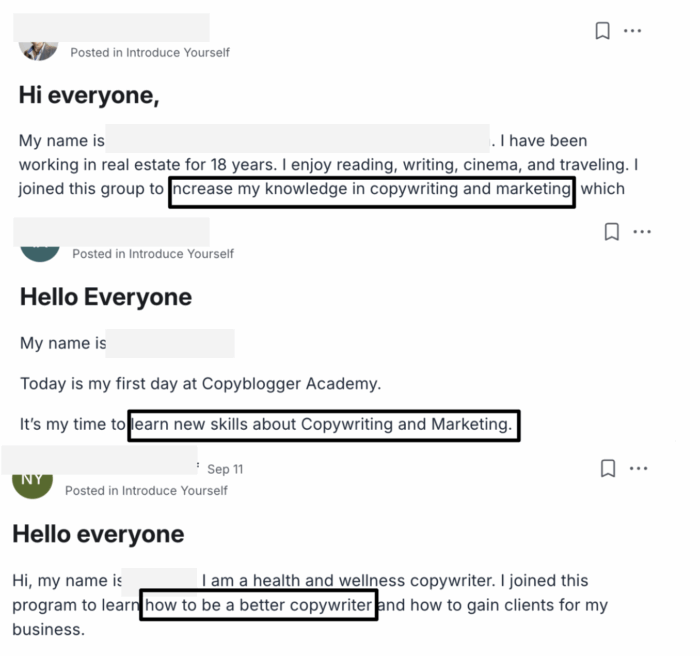
Building a career as an independent writer can be isolating. Surrounding yourself with an active community of growth-oriented peers and experienced mentors accelerates development and prevents costly missteps. Constructive critique from established professionals helps identify blind spots and refines your tactical execution far faster than trial and error alone.
10. Be Impatient With Action and Patient With Results
Echoing the famous philosophy of investor Naval Ravikant, elite copywriters maintain an intense bias toward daily execution while remaining detached from immediate validation. Writing, testing, and refining must happen relentlessly, even when tangible financial results take months to materialize. Long-term consistency remains the ultimate competitive advantage.
Official Statements and Industry Insights
Industry leaders consistently emphasize that commercial writing is an economic discipline disguised as a creative art.
"Becoming a better copywriter does not mean you write more eloquently. In fact, the opposite is often true. Great copywriters are clear, concise, and ultimately convert readers into customers. Focus on generating revenue from your words, and your career will thrive." — Digital Marketing & Growth Experts
Market data confirms that businesses incorporating structured pain-point research and rigorous ROI tracking into their content operations experience significantly higher customer lifetime values (LTV) and lower customer acquisition costs (CAC) compared to those relying purely on intuitive or aesthetic writing standards.
Future Outlook
As artificial intelligence continues to saturate digital channels with generic, automated text, the value of authentic, highly targeted copywriting will skyrocket. Audiences have developed a collective fatigue toward uninspired content that lacks genuine empathy and deep market understanding.
The future belongs to copywriters who can bridge the gap between human psychology and rigorous data analytics. Those who master the art of uncovering deep customer pain points, measuring strict commercial ROI, and embedding themselves within supportive, high-accountability communities will command the highest premiums in the digital marketplace. By executing these ten foundational principles with relentless consistency, aspiring writers and entrepreneurs can turn content into an unstoppable engine for lifelong growth and revenue.