
Tag: UI
From ZizzMedia, the free news encyclopedia
106 articles in this section
-
 Executive Overview In the modern digital landscape, the aesthetic of "controlled chaos" has moved from the fringes of experimental art into the mainstream of corporate user experience design. As web developers increasingly look for ways to imbue static interfaces with...
 -
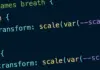 Executive Overview: A Paradigm Shift in Code Presentation For over a decade, the web development community has relied on heavy, JavaScript-driven libraries to provide syntax highlighting for code blocks. While tools like Prism.js have been the industry standard—offering robustness, extensive...
 -
 Executive Overview The browser has long been the primary operating environment for the modern knowledge worker, yet it has remained constrained by the rigid "tabbed" architecture that has defined web browsing for decades. While the traditional Picture-in-Picture (PiP) API revolutionized...
 -
 Executive Overview: A Paradigm Shift in Web Interactivity For over a decade, the "holy grail" of interactive web design—triggering animations based on a user’s scroll position or view state—has been the exclusive domain of JavaScript. Developers have long relied on...
 -
 Executive Overview: A Paradigm Shift in Web Interactivity As we transition into the autumn season, the landscape of front-end development is undergoing a period of intense, accelerated evolution. This eighteenth edition of What’s !important captures a pivotal moment in CSS...
 -
 Executive Overview In the evolving landscape of web design, the intersection of deterministic code and organic unpredictability has become a focal point for modern developers. The concept of "controlled chaos"—a design philosophy that embraces nondeterministic elements—is moving from the fringe...
 -
 Executive Overview The landscape of front-end development is shifting beneath our feet at an unprecedented velocity. As we close out the latest development cycle, the ecosystem has moved beyond mere syntax sugar, entering a phase of deep-level browser integration that...
 -
 Executive Overview: The Philosophy of Flux In the creator-driven landscape of modern television, The Good Place famously explored the "myth of meritocracy," illustrating how human beings systematically underestimate the role of luck in their personal trajectories. This philosophical inquiry into...
 -
 Executive Overview: A Season of Rapid Evolution As the calendar turns toward autumn, the web development landscape is experiencing a period of accelerated growth, characterized by a fundamental rethinking of how we handle interaction, layout, and browser-level capabilities. Edition #18...
 -
 Executive Overview: The Philosophy of Controlled Flux In the rigid world of software engineering, "deterministic" has long been the gold standard. Developers spend their careers chasing bugs to ensure that when a user clicks a button, the result is predictable,...