Executive Overview
In the fast-paced world of front-end development, few platforms have maintained the longevity and authority of CSS-Tricks. Today, we mark a significant transition in the site’s editorial strategy. The long-running column What’s !important is concluding its tenure on the CSS-Tricks.com domain in its current format. However, this is not an end, but an evolution.
Beginning November 10th, the series will relaunch as the official CSS-Tricks Newsletter, marking the end of a four-year hiatus for the publication’s dedicated email presence. This strategic pivot represents a shift toward a more curated, direct-to-subscriber model, promising hand-written editorials, exclusive technical deep dives, and community-driven insights that define the modern web landscape. As we look ahead, this article explores the final installment of the legacy series while forecasting the trends that will dominate the industry as we head into 2026 and beyond.
Detailed Chronology: From Blog Post to Curated Insight
The journey of What’s !important has mirrored the maturation of CSS itself. What began as a space for quick tips and community highlights has grown into a cornerstone of professional discourse. To understand the gravity of this transition, one must look at the recent revitalization of the CSS-Tricks brand.
Following the site’s recent change in ownership, the editorial team has been aggressive in recalibrating the platform to meet the needs of modern developers. The decision to sunset the on-site What’s !important column in favor of a newsletter format is a calculated move to prioritize the "subscriber experience." By moving content behind a subscription gate, the team intends to foster a more intimate, focused environment for high-level technical discussions that often get lost in the noise of the open web.
Supporting Context: The Technical Landscape of 2026
The final installment of this column is, fittingly, a "bang." It brings together a synthesis of current design trends and emerging CSS specifications that promise to redefine how we build for the browser.
The "Scroll" Revolution
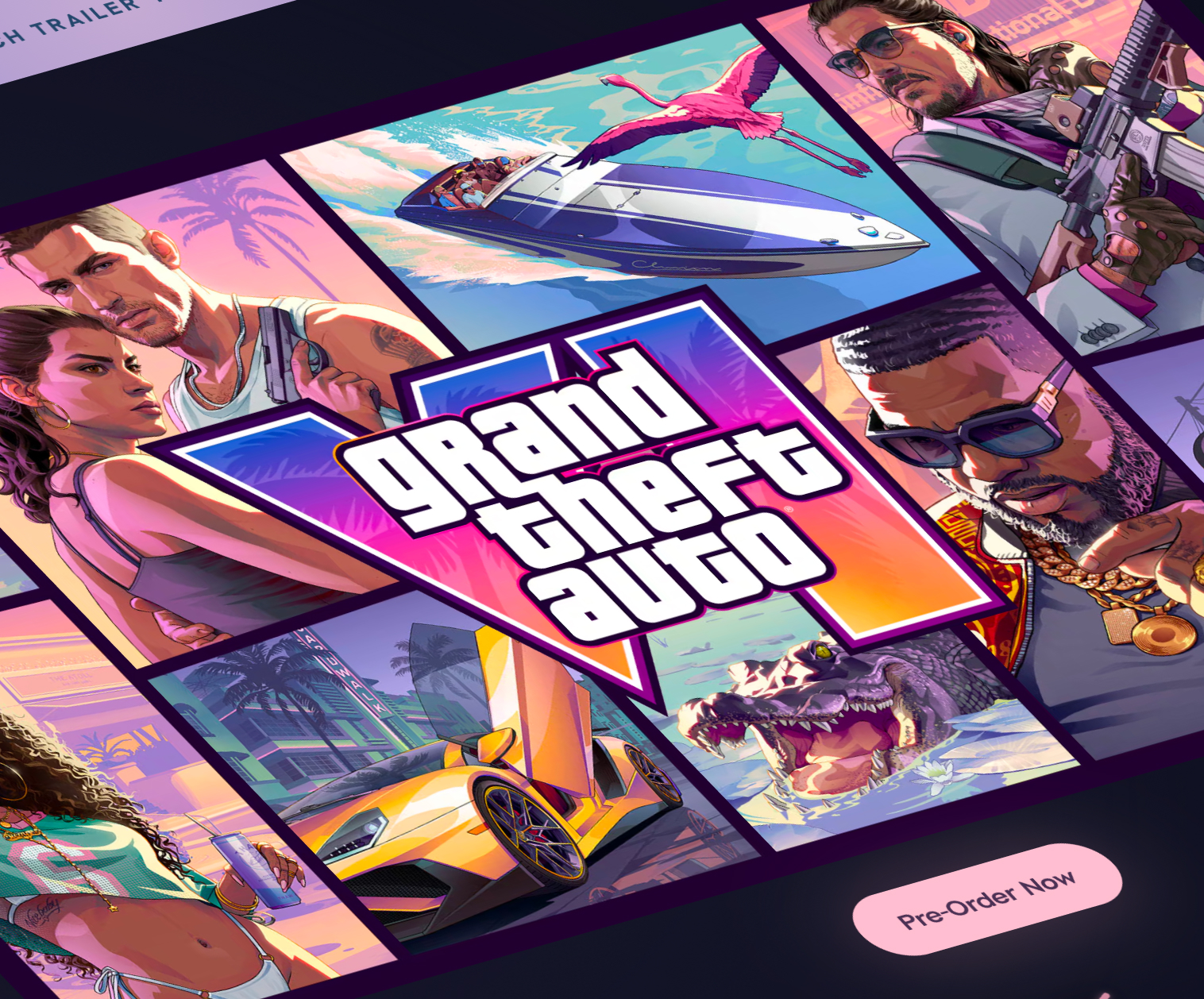
One of the most notable trends discussed is the resurgence of complex, performant scrolling effects. The Rockstar Games GTA 6 website has set a new benchmark for browser-based storytelling. By leveraging sophisticated scroll-triggered animations, developers are pushing the boundaries of what is possible without the need for bloated JavaScript libraries. As Kevin Powell’s recent walkthrough demonstrates, the interaction between layout and scroll position is becoming a primary design language, not just an aesthetic flourish.
Advanced CSS Functionality
We are witnessing a shift from "hacks" to "native solutions." Notable developments include:
- The
random()Function: As showcased by Brecht De Ruyte, the introduction of native randomness in CSS allows for "playful imperfection." This feature enables designers to move away from static, robotic layouts and toward organic, generative design patterns. - *The Universal Pseudo-Selector (`::
):** Kilian Valkhof’s proposal for a::selector highlights a growing pain point in the CSS ecosystem. As pseudo-elements like::backdropand::details-contentbecome commonplace, the industry is calling for a more efficient way to manage global box-sizing and styling, moving beyond the current, ::before, ::after` boilerplate. - Adaptive UI Elements: Adam Argyle’s work on making
<textarea>elements adapt to their content using native CSS—specifically leveraging anchor positioning—marks a massive win for UX design. This removes the need for brittlecontenteditableworkarounds and ensures that form fields remain fluid and accessible.
Metrics and Best Practices
The transition toward a new era of web development is heavily supported by improved tooling. The industry has recently seen a surge in "visual-first" development tools that prioritize accuracy and accessibility.
Accessibility as a First-Class Citizen
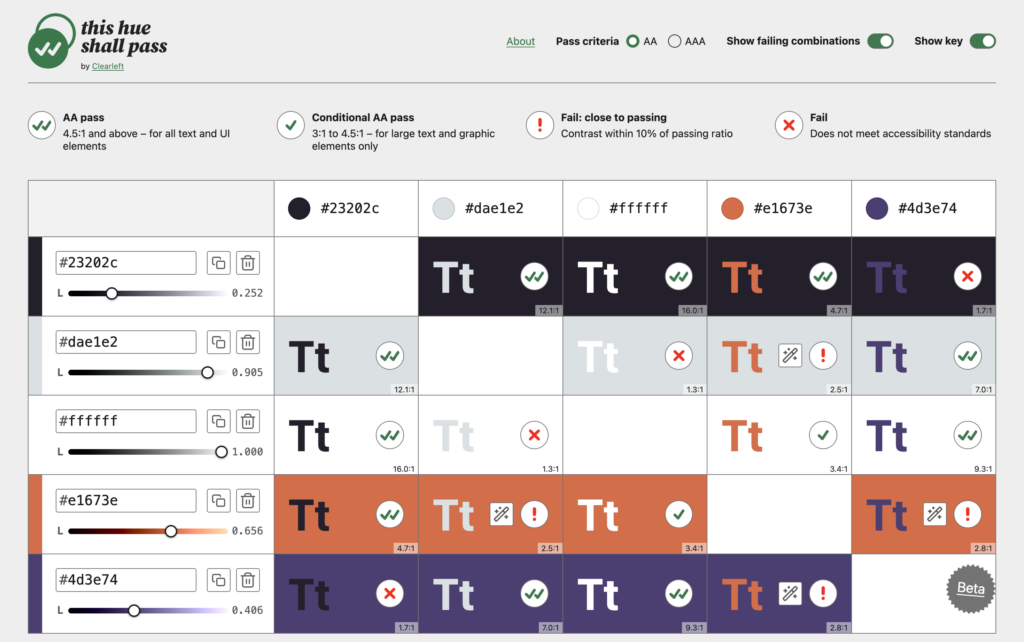
The new color contrast checker, This hue shall pass, represents a shift in how we approach web accessibility. By moving beyond a simple "pass/fail" metric to providing actionable adjustments for AA/AAA compliance, it treats accessibility not as a final checklist item, but as an integral part of the design process.
Gradient Innovation
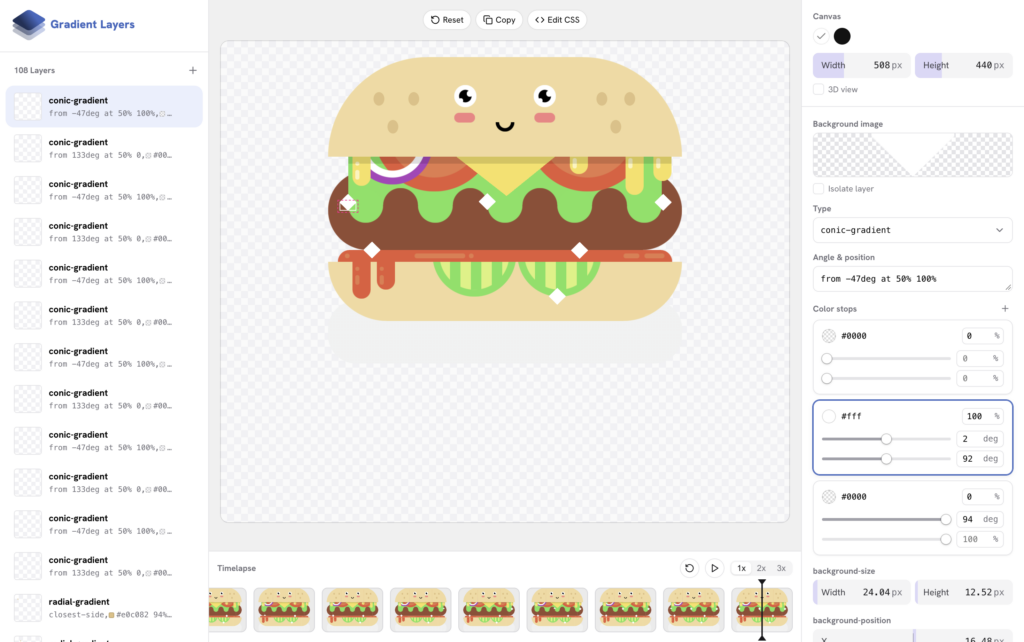
The visual editing capabilities of tools like Gradient Layers (by Ahmad Shadeed) and the upcoming implementation of mesh-gradient and freeform-gradient signal a departure from the linear, two-stop gradients that have defined web aesthetics for over a decade. These new 2D gradients allow for complex, painterly backgrounds that were previously only possible through exported image assets, now rendered natively by the browser.
Official Statements and Editorial Vision
The team behind CSS-Tricks has emphasized that the transition is about quality over quantity. In an era of algorithm-driven content, the CSS-Tricks Newsletter aims to be a sanctuary for thoughtful, human-centric technical writing.
"The goal," as stated in recent editorial meetings, "is to provide the same top-notch content from the industry’s best front-end authors, but with a level of intentionality that the open web sometimes struggles to maintain." By incorporating a sponsor-supported model, the newsletter can remain free for the reader while ensuring the sustainability of the platform. The return of the newsletter after a four-year hiatus is viewed by leadership as a "return to roots"—reconnecting with the community via the inbox, which remains the most direct line of communication between developers and creators.

Future Outlook: The Road Ahead
As we look toward the remainder of 2026, the intersection of CSS, design systems, and browser performance is becoming increasingly blurred. Developers are no longer just "coding a UI"; they are engineering design systems that are responsive, accessible, and mathematically sound.
The Rise of Design System-Centric CSS
Declan Chidlow’s recent analysis of new features—such as text-box, sibling-index(), and sibling-count()—indicates that the web platform is finally catering to the needs of large-scale design systems. These features allow for modular, self-aware components that require less maintenance and offer greater consistency.
What to Expect from the Newsletter
For those who have subscribed to What’s !important on the site, the transition to the newsletter will be seamless. The upcoming issues are already in development, featuring:

- Deep Dives: Extended editorials on the future of web components and the CSS Working Group’s latest drafts.
- Curated Links: A vetted collection of the most relevant GitHub repositories, design patterns, and browser updates.
- Community Spotlights: Showcasing the best implementations of modern CSS from the front-end community.
The digital landscape is changing, and CSS-Tricks is positioning itself to lead that change through education and rigorous technical curation. The "final" issue on the site is a celebration of what we have built together, but the upcoming launch on November 10th is where the next chapter of web development history will be written. We invite our readers to join us on this new path—not just as passive consumers of content, but as active participants in the future of the web.
Join the party. Subscribe to the CSS-Tricks newsletter and ensure you stay at the forefront of the craft.