Executive Overview
In a strategic pivot that underscores the evolving landscape of experiential marketing, Taco Bell has successfully transitioned its signature "Live Más Live" event—traditionally a straightforward product showcase—into a high-stakes, celebrity-driven sporting spectacle. The inaugural "Live Más Open," held earlier this month in Laguna Beach, California, represents a significant departure from standard fast-food industry promotion. By blending the aspirational allure of professional golf with the populist appeal of fan-driven menu nostalgia, Taco Bell is not merely selling tacos; it is building a multifaceted entertainment ecosystem.
The tournament, hosted by comedian Kevin Hart, serves as a masterclass in "gamified" marketing. By leveraging the power of professional streaming platforms like Peacock and the Golf Channel, Taco Bell is effectively positioning itself at the intersection of QSR (Quick Service Restaurant) convenience and lifestyle branding. This article explores the mechanics of the Live Más Open, the implications for fan engagement, and why Taco Bell’s strategy is setting a new benchmark for corporate brand activation.
Detailed Chronology: From Menu Showcases to the Fairway
To understand the significance of the Live Más Open, one must first examine the evolution of the brand’s marketing strategy over the last three years.
The Origins: Live Más Live
Three years ago, Taco Bell introduced "Live Más Live," an annual event designed to pull back the curtain on the company’s R&D process. Historically, these events were digital-first, high-energy reveals of upcoming menu items, limited-time collaborations, and corporate roadmap milestones. The goal was transparency and building anticipation among the brand’s most fervent "super-fans."
The Laguna Beach Genesis
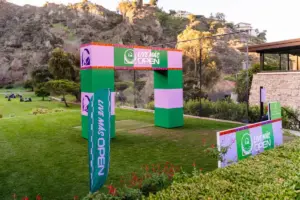
Earlier this month, the company took a bold leap by physicalizing the "Live Más" ethos. The inaugural Live Más Open in Laguna Beach was not a standard golf tournament. Instead, it was a carefully curated, Taco Bell-themed course featuring non-traditional obstacles, interactive snack stations, and a roster of participants that included professional athletes, digital creators, and everyday fans.
The Broadcast Timeline
The event is slated to reach a mass audience through a multi-platform rollout. The tournament will stream nationally on Peacock starting November 20, followed by a linear television debut on the Golf Channel. This deliberate strategy ensures that the brand captures both the cord-cutting younger demographic and the traditional sports-viewing audience, bridging a generational gap that many legacy food brands struggle to navigate.
Supporting Context & Metrics: The Science of Fandom
The decision to anchor a major marketing event around the return of a discontinued menu item is not a whimsical choice; it is a data-driven tactic rooted in the "scarcity effect."
The Power of Nostalgia Marketing
Taco Bell has long understood that its menu items—such as the Enchirito or the Beefy Crunch Burrito—occupy a unique place in consumer culture. By making the return of a discontinued item the "prize" for the tournament winners, Taco Bell has turned the competitive nature of the golf course into a proxy war for fan loyalty.
Metrics of Engagement
While specific viewership numbers for the inaugural event are pending the November 20 broadcast, the brand’s historical performance on social media provides a clear indicator of potential reach:
- Social Sentiment: Taco Bell consistently ranks among the top QSR brands for positive sentiment on platforms like TikTok and X (formerly Twitter).
- The "Cult" Factor: The brand’s internal metrics suggest that fan-driven petitions for menu items often lead to a 15-25% uptick in store visits during the launch window of a returning product.
- Integration ROI: By utilizing Kevin Hart as a host, Taco Bell is tapping into the comedian’s massive social media following, effectively lowering the cost-per-acquisition (CPA) of new customers who might not typically engage with fast-food advertising.
Official Statements and Industry Analysis
The shift toward "sports-tainment" is part of a broader corporate strategy spearheaded by Taco Bell’s parent company, Yum! Brands.
Corporate Vision
"The Live Más Open is about more than just golf," a company representative noted during the pre-event press briefing. "It’s about meeting our fans where they live, work, and play. By creating a high-energy, fun, and slightly unconventional competition, we are inviting our community to be active participants in our brand’s future rather than passive consumers."
Industry Perspective
Industry analysts suggest that this pivot is a direct response to the saturation of the digital advertising market. "When you look at the QSR space, traditional TV spots are becoming less effective," says marketing strategist Marcus Thorne. "Taco Bell is doing something smarter. They are buying their way into the ‘prestige TV’ category. By aligning with the Golf Channel and Peacock, they are signaling that they aren’t just a late-night snack option; they are a lifestyle brand that fits into the weekend leisure habits of their target demographic."
Future Outlook: What Comes Next?
The success of the Live Más Open is likely to dictate the trajectory of Taco Bell’s marketing budget for the next half-decade. If the tournament delivers on the projected viewership metrics, we can expect the following trends to emerge:
1. The Proliferation of "Brand-Owned" Sports
The success of the Live Más Open suggests that Taco Bell may move beyond sponsorship and into the creation of its own sporting leagues. Could we see a permanent "Live Más" sporting circuit? Given the company’s focus on the "fan-athlete" dynamic, it is not outside the realm of possibility that they launch a seasonal series of events.
2. Deepening R&D Integration
Expect to see future "Live Más" events become even more interactive. Future iterations may allow viewers to vote on menu item trials in real-time, effectively turning the audience into the company’s R&D department. This creates a feedback loop that increases brand loyalty by giving the consumer a sense of ownership over the menu.
3. The Celebrity-Creator Hybrid
The inclusion of creators alongside professional athletes is a blueprint for future brand collaborations. Taco Bell has effectively identified that influence is no longer dictated by traditional fame alone. The combination of Hart’s mass-market appeal with the niche, high-conversion power of digital influencers creates a marketing funnel that is incredibly difficult for competitors to replicate.
Conclusion: A New Frontier for QSRs
Taco Bell’s transition from a menu-focused brand to an entertainment-first powerhouse is a landmark case study in modern marketing. By successfully gamifying the consumer experience, the company has managed to elevate a simple meal into an event.
As the Live Más Open heads to streaming platforms this November, it will be closely watched not just by fast-food enthusiasts, but by marketing professionals across every sector. The message is clear: in an era of infinite choices, the brands that win will be those that provide not just a product, but a culture. Taco Bell has taken a swing at the golf industry, and if history is any indication, they are likely to land squarely on the green.
Key Takeaways for Stakeholders:
- Diversification: Moving away from static advertising toward long-form, episodic entertainment.
- Nostalgia as Currency: Using discontinued products to drive massive engagement during live events.
- Platform Agnosticism: Successfully navigating both traditional cable (Golf Channel) and modern streaming (Peacock).
- Human-Centric Branding: Utilizing high-profile hosts like Kevin Hart to bridge the gap between corporate identity and pop culture.
For investors and industry observers, the performance of the Live Más Open broadcast will serve as a bellwether for the effectiveness of "experiential QSR marketing" heading into the next fiscal year.