Executive Overview
For decades, the personal audio market has operated under a predictable, almost immutable economic hierarchy: if you want high-fidelity sound, you must be prepared to pay for it. Traditional wisdom—and aggressive marketing by legacy audio brands—suggests that true resolution, multi-driver acoustic complexity, and premium material construction are reserved for high-end in-ear monitors (IEMs) commanding hundreds, if not thousands, of dollars.
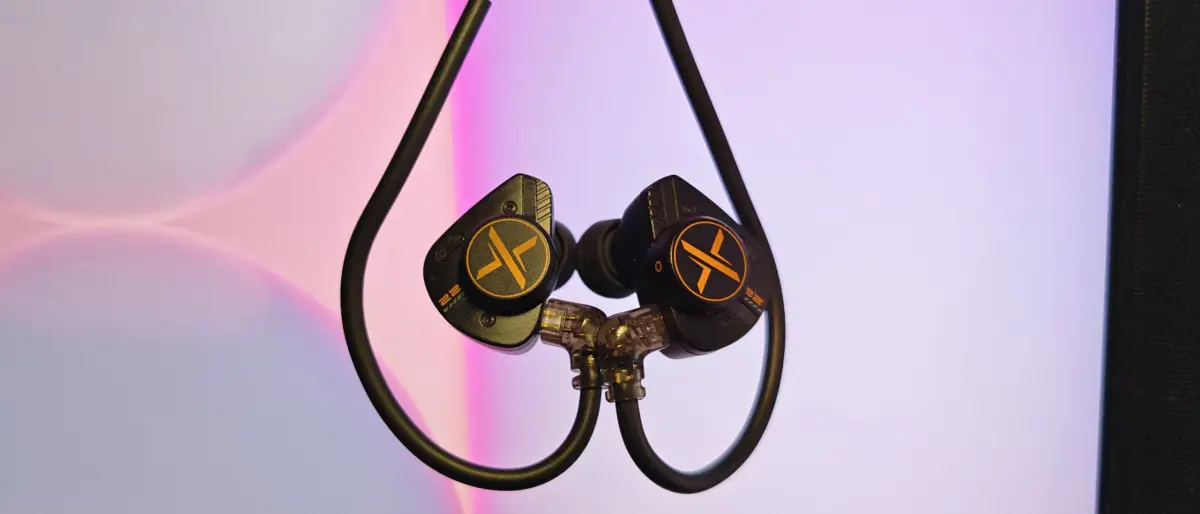
Enter the OoopusX Op.22, a hybrid-driver IEM slated for release in March 2026 at an astonishingly modest price point of $35 / £28.
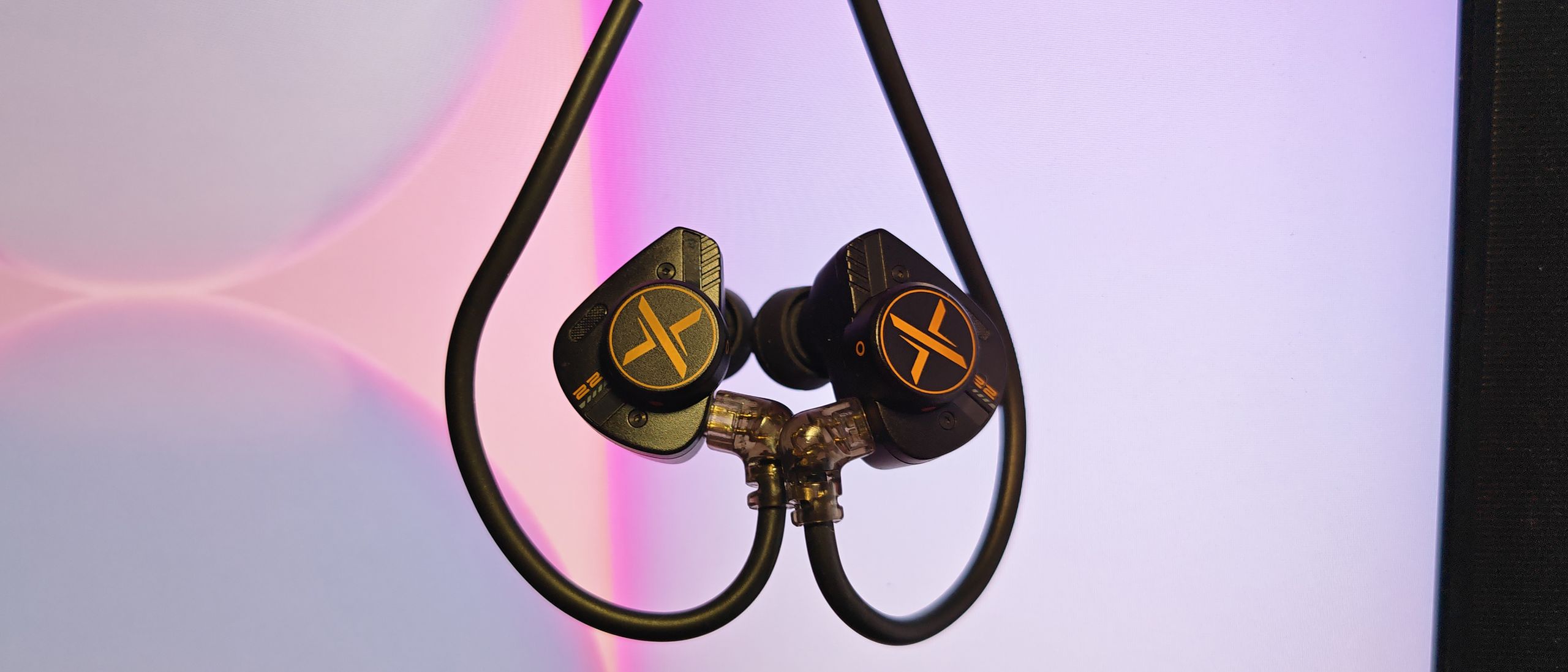
Far from being just another generic budget offering destined for the bargain bin, the Op.22 represents a disruptive paradigm shift in personal audio engineering. By packing a complex quad-driver hybrid array (two dynamic drivers and two balanced armatures), a resin shell mated to a CNC-machined metallic faceplate, and an integrated dual-tuning architecture into an ultra-affordable package, OoopusX is challenging the very foundation of how value is calculated in the audiophile community.
In this deep-dive review, we evaluate the Op.22’s acoustic performance, build quality, and real-world value proposition. We put it through rigorous testing against both budget competitors like the Moondrop Space Travel 2 and high-end titans like the $450 Kiwi Ears HDD Punch. For newcomers looking to dip their toes into the audiophile waters without drowning their bank accounts, the Op.22 might just be the most important release of the decade.
Detailed Chronology & Design Evolution
The journey of the OoopusX Op.22 began as a direct response to a growing fatigue within the portable audio community. For years, manufacturers have relied on the "V-shaped" sound signature—exaggerated bass and spiked treble—as a crutch for cheap equipment, flooding the market under-$50 segment with bloated, fatiguing, and unrefined sound profiles.
When development on the Op.22 commenced, the engineering directive was clear: dismantle the notion that a lower price tag must equal acoustic compromise.
Specifications at a Glance
- Price: $35 / £28
- Release Date: March 2026
- Driver Configuration: Hybrid Quad-Driver (2x Dynamic Drivers: 10mm and 8mm; 2x Balanced Armatures)
- Chassis Construction: Resin shell body with a CNC-machined metallic faceplate
- Cable: 1.2m detachable cable
- Impedance: 22Ω
- Sensitivity: 124dB
- Frequency Response: 10Hz to 29kHz
- Weight: 4.5g per earpiece
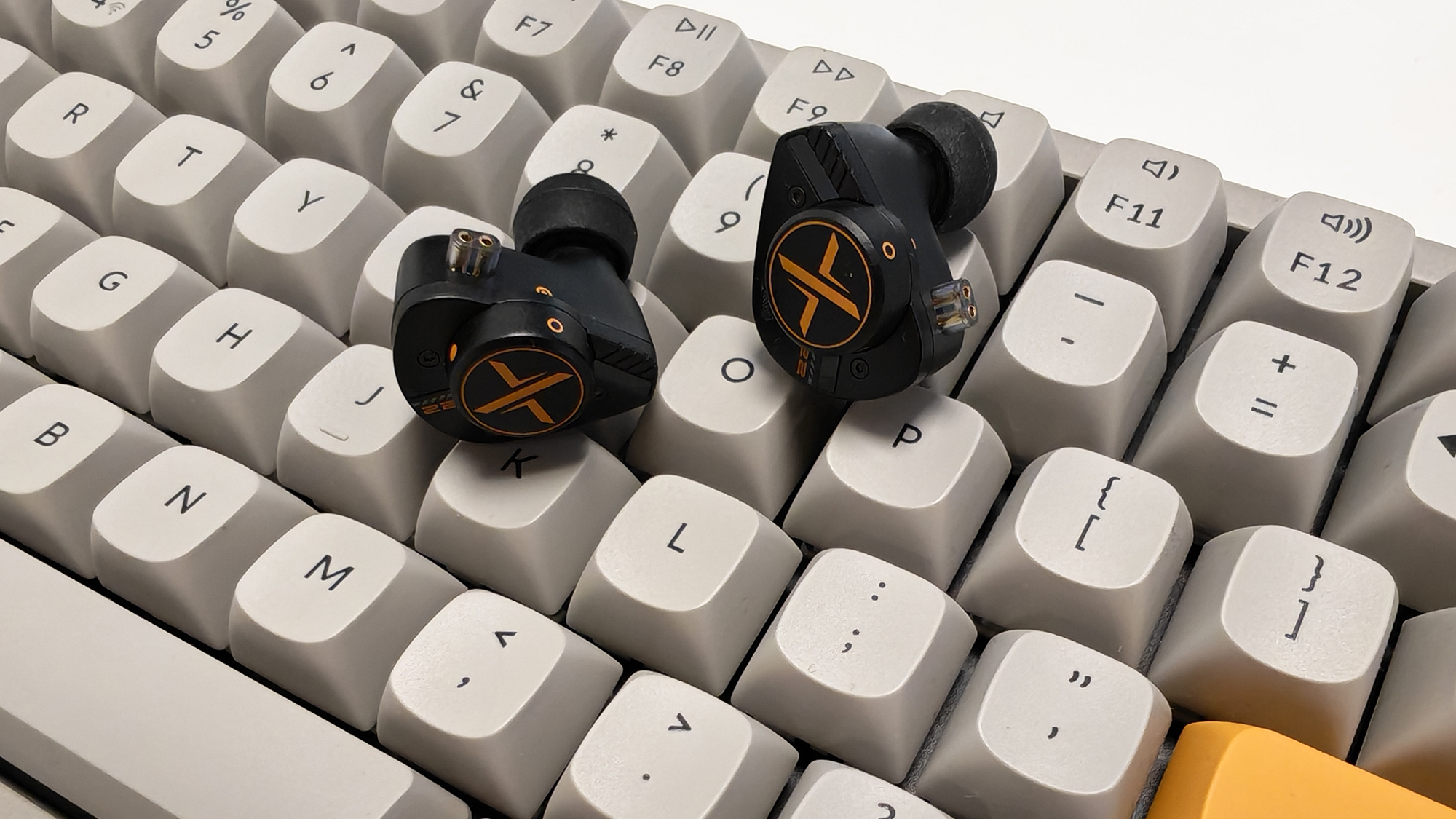
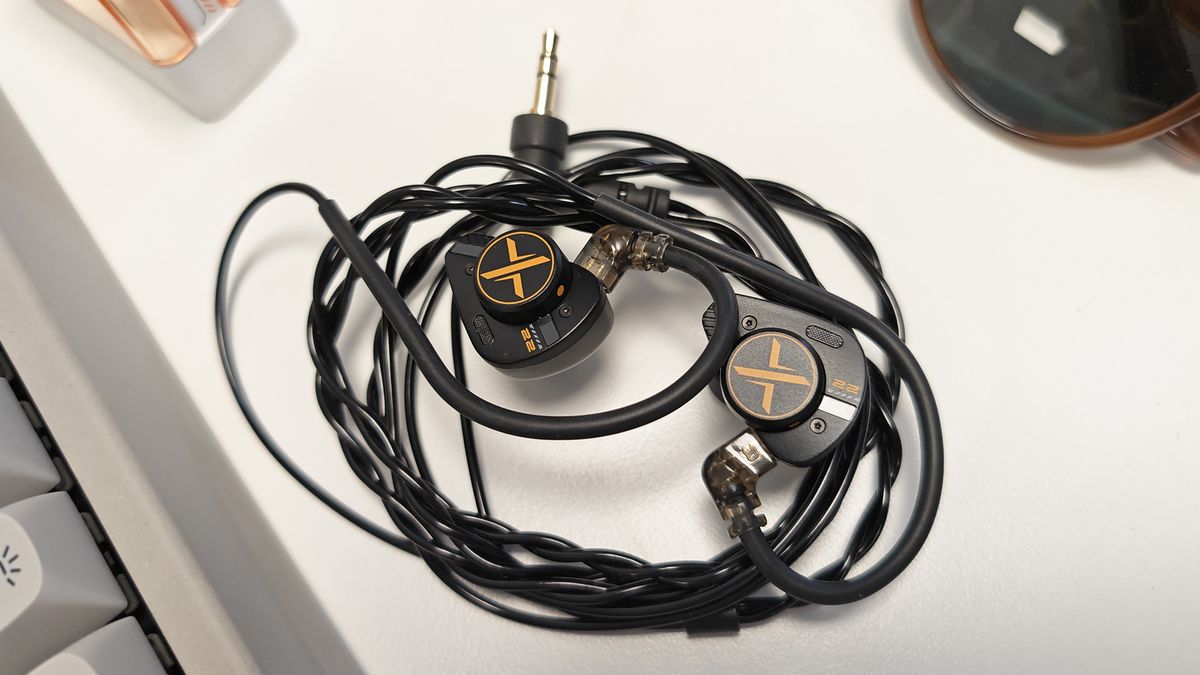
The physical architecture of the Op.22 defies its cost. Weighing in at a mere 4.5 grams per side, the earpieces combine a lightweight, ergonomically sculpted resin shell with a robust CNC-machined metallic faceplate. This structural pairing not only grants the IEM a unique, high-end visual aesthetic that punches well above its weight class, but it also ensures structural rigidity where it matters most, minimizing internal acoustic resonances.
Supporting Context & Metrics: Sound Profile & Performance Analysis
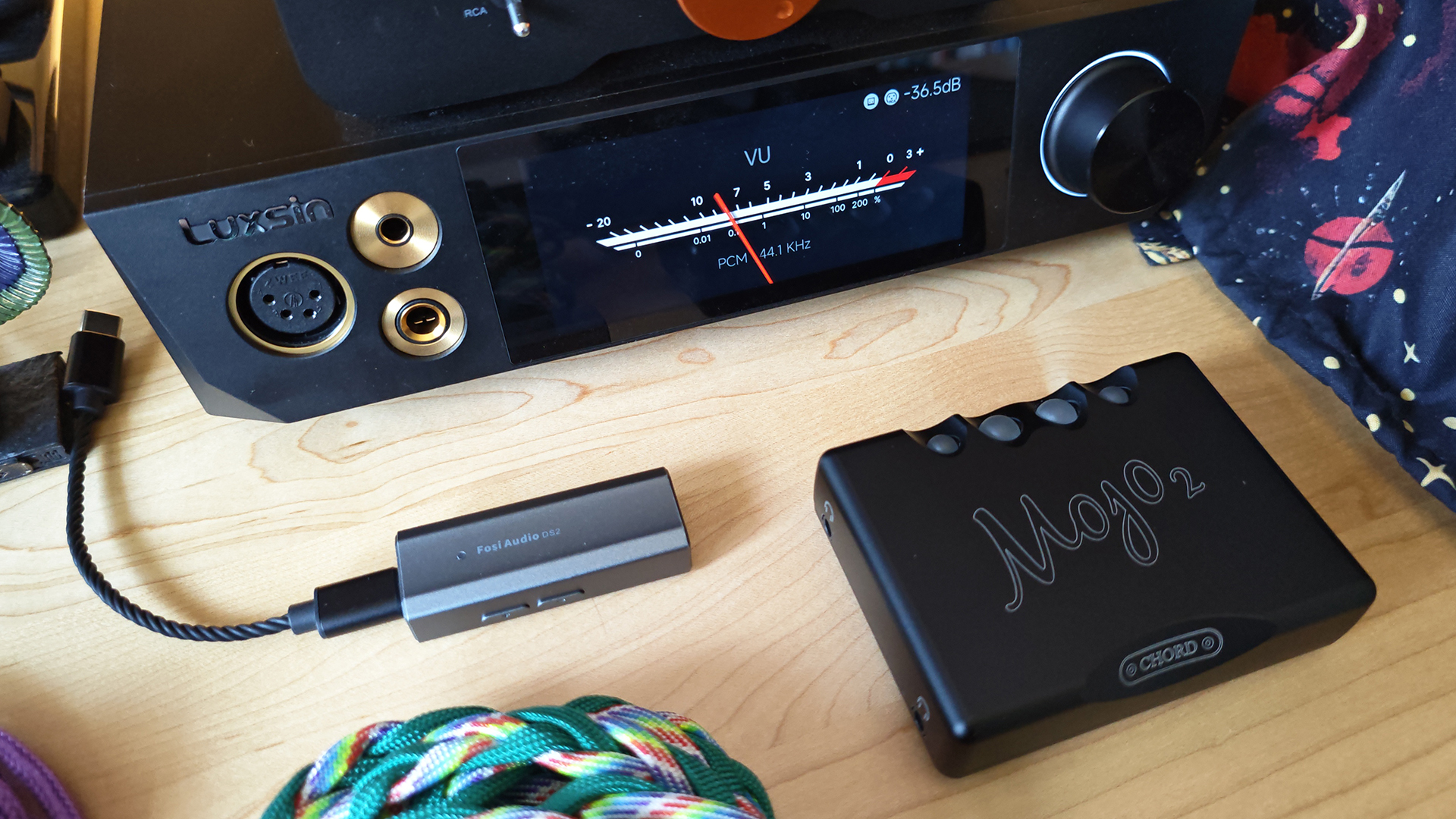
To properly evaluate the Op.22, testing was conducted using transparent, high-resolution sources, including the Luxsin X8, Chord Mojo 2, and Fosi DS2 DAC/Amps, paired with an M4 MacBook Air. Music sources were limited to lossless streams (Spotify Lossless) and master-quality physical CDs.
1. The Dual-Tuning Philosophy
The defining feature of the Op.22 is its physical tuning switch mechanism, which allows users to toggle between two distinct sound profiles: a standard neutral-leaning setup and a heavy bass-boost configuration.
- The Neutral Profile: While purists may debate the strict neutrality of the baseline tuning, it serves as an admirable attempt at a balanced presentation. It features a slight upper-midrange lift—roughly centered around 3.3kHz and 4.2kHz—which injects extra bite and clarity into electric guitars, woodwinds, and vocals. It avoids the dark, veiled presentation common in budget gear, bringing a welcomed sense of air and articulation.
- The Bass-Boost Profile: Flipping the switch unleashes an approximate 7dB surge in low-end response. This transforms the Op.22 into an unapologetic basshead IEM.
2. Deep Dive: Bass Performance
- Neutral Setting: Leaning heavily into sub-bass territory, the standard low-end profile lacks some physical thwack in the mid-bass region, occasionally sounding lean or slightly brittle. However, it compensates with surprising textural detail and transparency.
- Bass Boost Setting: When engaged, the bass dominates. Tracks like Parliament’s Give Up the Funk hit with tremendous physical impact, though complex passages can occasionally feel crowded and congested. For electronic dance music (EDM) and modern hip-hop—such as K-Lone’s slk—the electronic bass fills the soundstage with glorious, room-shaking weight. The primary trade-off here is a minor loss in micro-detailing compared to the cleaner neutral setting, but the sheer fun factor cannot be overstated.
3. Deep Dive: Midrange and Treble
- Midrange: The lower midrange remains remarkably natural and organic. Many budget IEMs suffer from "wonky" frequency responses that sound digital and harsh; the Op.22 maintains a lifelike tonality for acoustic instruments and vocals. However, that upper-midrange spike (3.3kHz–4.2kHz) can occasionally push vocals too far forward, creating a spotlight effect that some listeners may find fatiguing during long sessions.
- Treble: Smooth and forgiving. Tested against punishingly bright source material like Lucinda Williams’ Sweet Old World—a track notorious for sibilance on revealing headphones—the Op.22 manages to retain upper-register detail without ever crossing into ear-piercing harshness.
Official Comparisons: How It Stacks Up Against the Competition
OoopusX Op.22 vs. Moondrop Space Travel 2 ($30)
Priced comparably at $30, the true wireless (TWS) Moondrop Space Travel 2 is a natural rival. The Space Travel 2 boasts companion app integration with parametric EQ capabilities, theoretically offering infinite customization that puts the Op.22’s dual physical switches to shame.
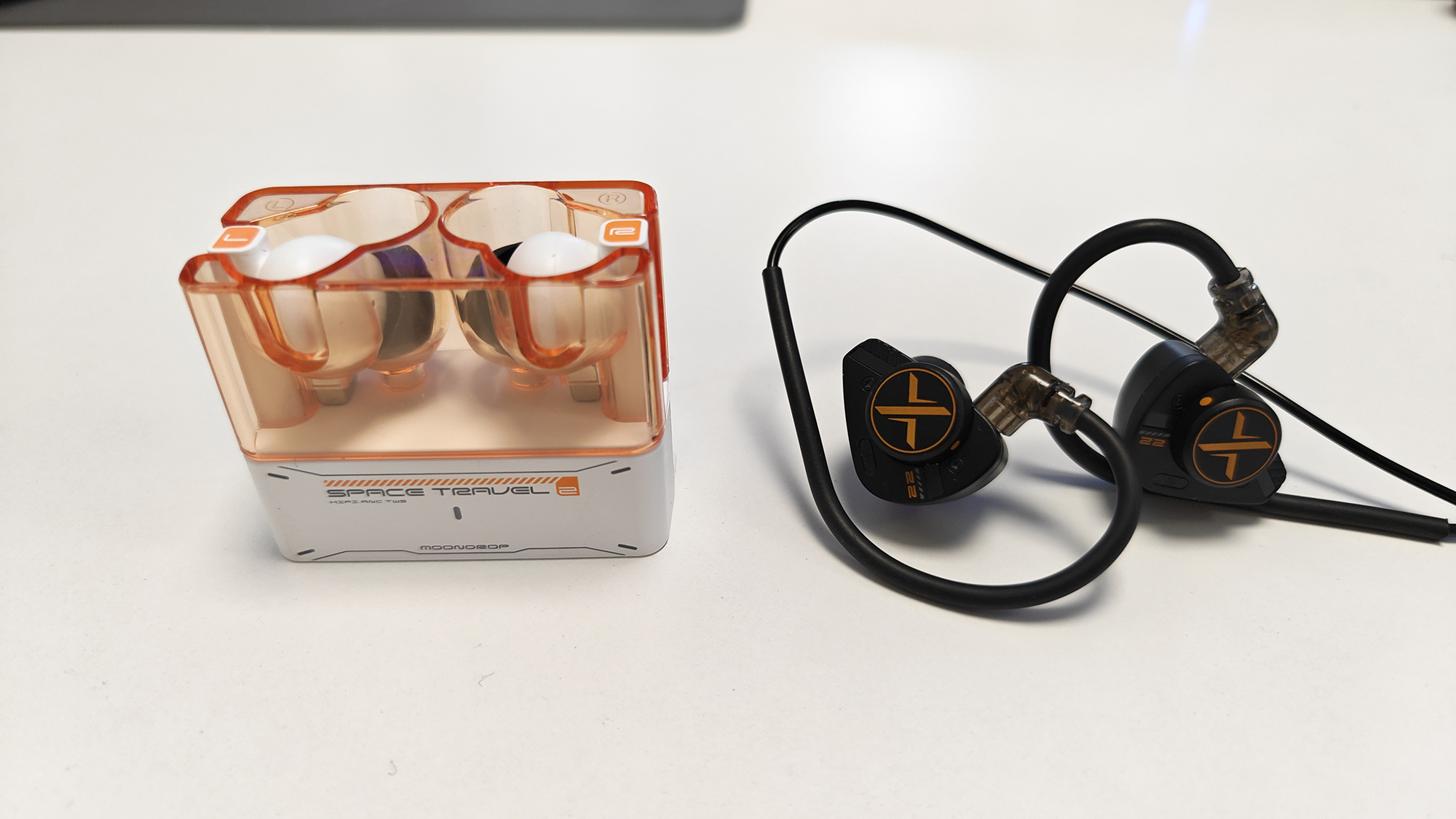
Furthermore, the Space Travel 2 avoids the prickly 3kHz upper-midrange peak found on the OoopusX. However, the Moondrop suffers from severe ergonomic hurdles; achieving a consistent, airtight seal is notoriously difficult for many users. Because the Op.22 offers superior passive isolation and a secure, universal fit right out of the box, it takes the crown for day-to-day usability.
OoopusX Op.22 vs. Kiwi Ears HDD Punch ($450)
Pitting a $35 IEM against a legendary $450 basshead specialist like the Kiwi Ears HDD Punch sounds like an exercise in cruelty. Predictably, the Punch delivers vastly superior sub-bass depth, texture, and high-definition control. The bass on the Punch is deep and authoritative without feeling like an overbearing gate-crasher.
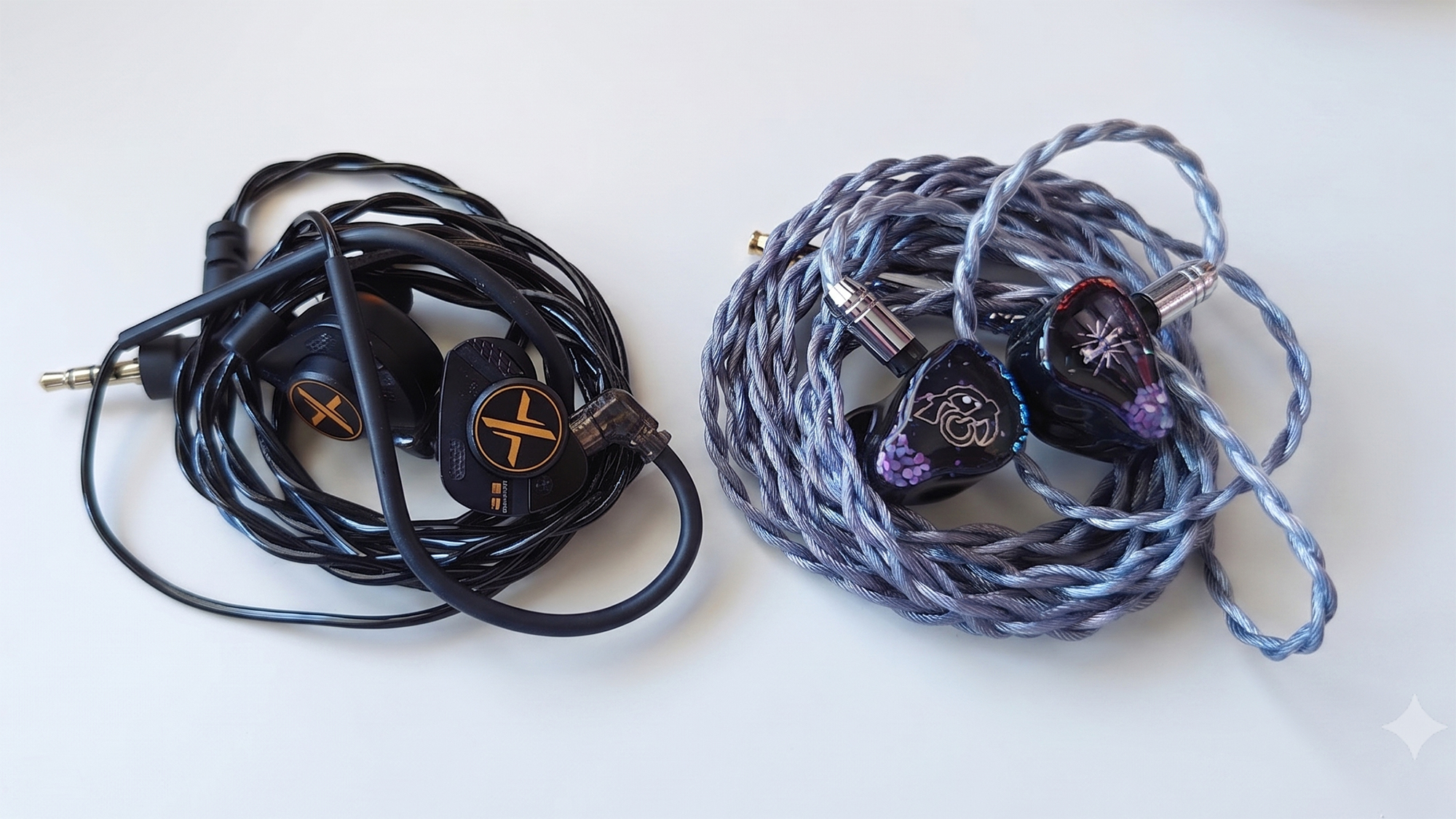
Yet, the fact that this comparison can even be made is a testament to the Op.22. While the OoopusX cannot match the technical fidelity of a multi-hundred-dollar flagship, it delivers roughly 70% of the fun and impact at one-twelfth of the cost. For casual bass lovers, the Op.22’s bass-boost mode is a remarkably capable budget alternative.
Future Outlook & Industry Impact
The release of the OoopusX Op.22 in early 2026 marks a watershed moment for the portable audio market. As manufacturing techniques improve and the cost of hybrid driver configurations plummets, consumers are reaping the rewards.
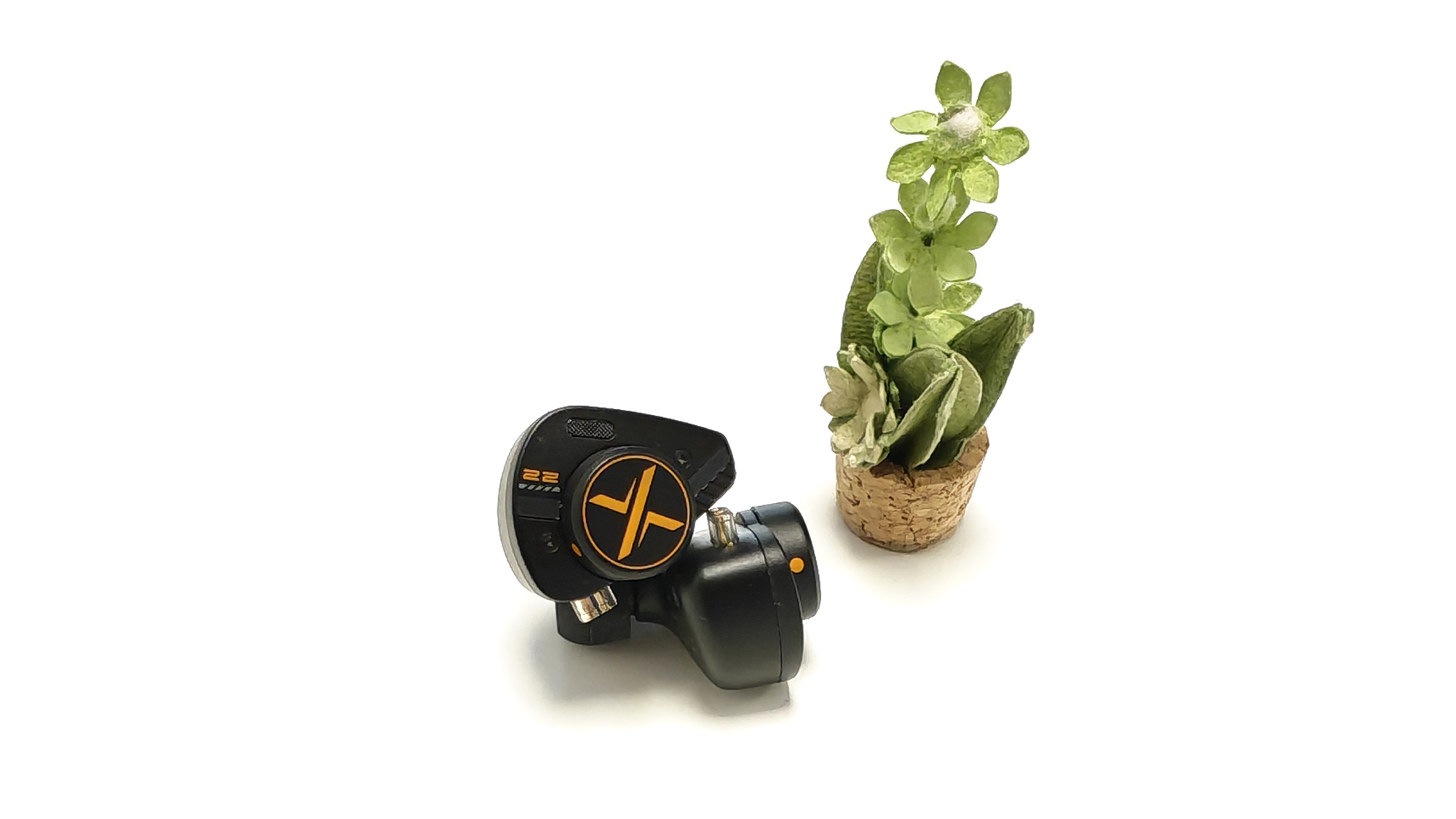
For the audio industry at large, the Op.22 sends a clear warning shot to legacy brands: the era of artificially inflated pricing for entry-level high fidelity is drawing to a close. By offering genuine acoustic versatility, striking industrial design, and a dual-tuning system for the price of a casual meal, OoopusX has established a new benchmark for budget audio.
The Verdict
- Pros:
- Unbeatable $35 price point delivering supreme value.
- Unique, premium resin and CNC metallic construction.
- Effective dual-tuning system offering both neutral clarity and fun bass-boost profiles.
- Smooth, forgiving treble response that avoids fatigue.
- Cons:
- Upper-midrange spike (around 3.3kHz–4.2kHz) can occasionally make vocals and guitars overly forward.
- Bass-boost mode sacrifices some micro-detailing for raw power.
Final Recommendation: If you are an aspiring audiophile looking to explore different sound signatures, or simply a music lover seeking incredible portable audio performance on a strict budget, the OoopusX Op.22 is an absolute mandatory purchase. It earns our highest recommendation for budget-tier innovation.