Executive Overview
For video game historians and British gaming veterans of a certain age, few names carry as much nostalgic weight as Miner Willy. Created by a then-21-year-old Matthew Smith and released in 1983 for the Sinclair ZX Spectrum, Manic Miner was more than just a piece of software—it was a cultural touchstone that defined an era of bedroom coding, schoolyard bragging rights, and notoriously unforgiving platforming mechanics.
More than four decades later, developer BBG Entertainment is preparing to resurrect this iconic title for modern platforms. Set for release this autumn across PC, PlayStation 4, PlayStation 5, Xbox Series X/S, and the Nintendo Switch (with the Nintendo eShop currently pointing toward a November 5 launch date), the upcoming Manic Miner remake aims to bridge the gap between 1980s retro culture and contemporary gaming hardware.
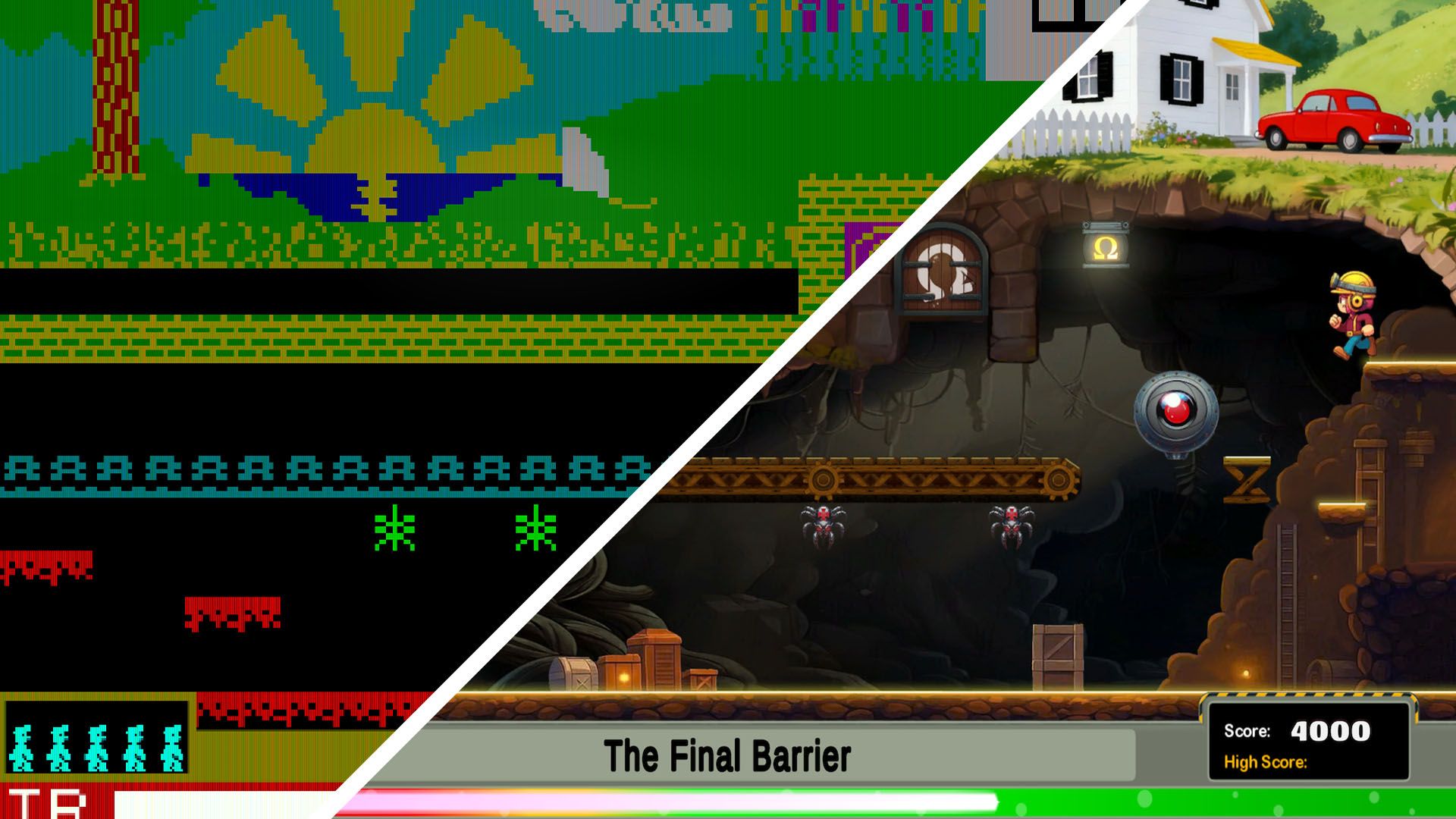
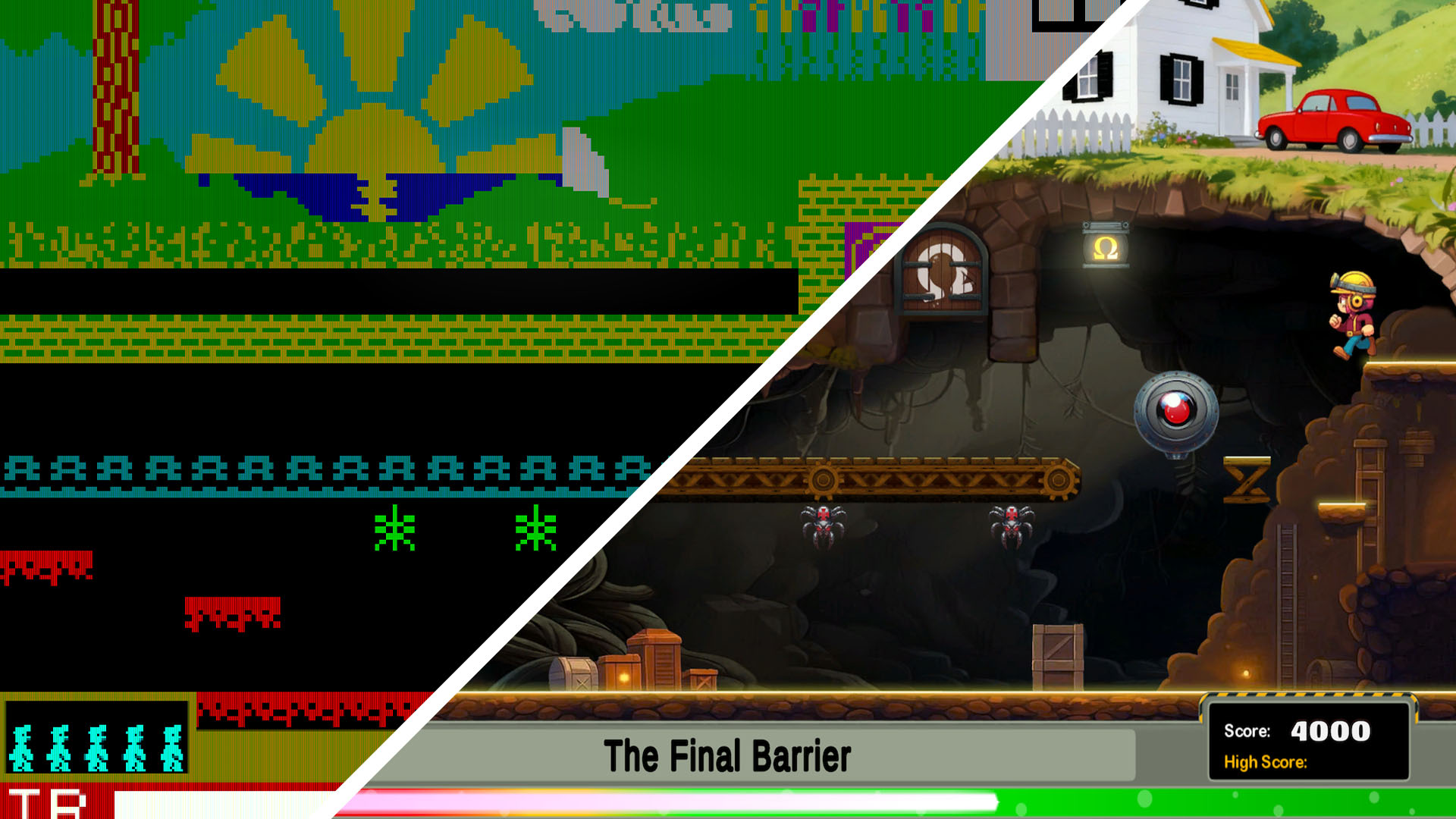
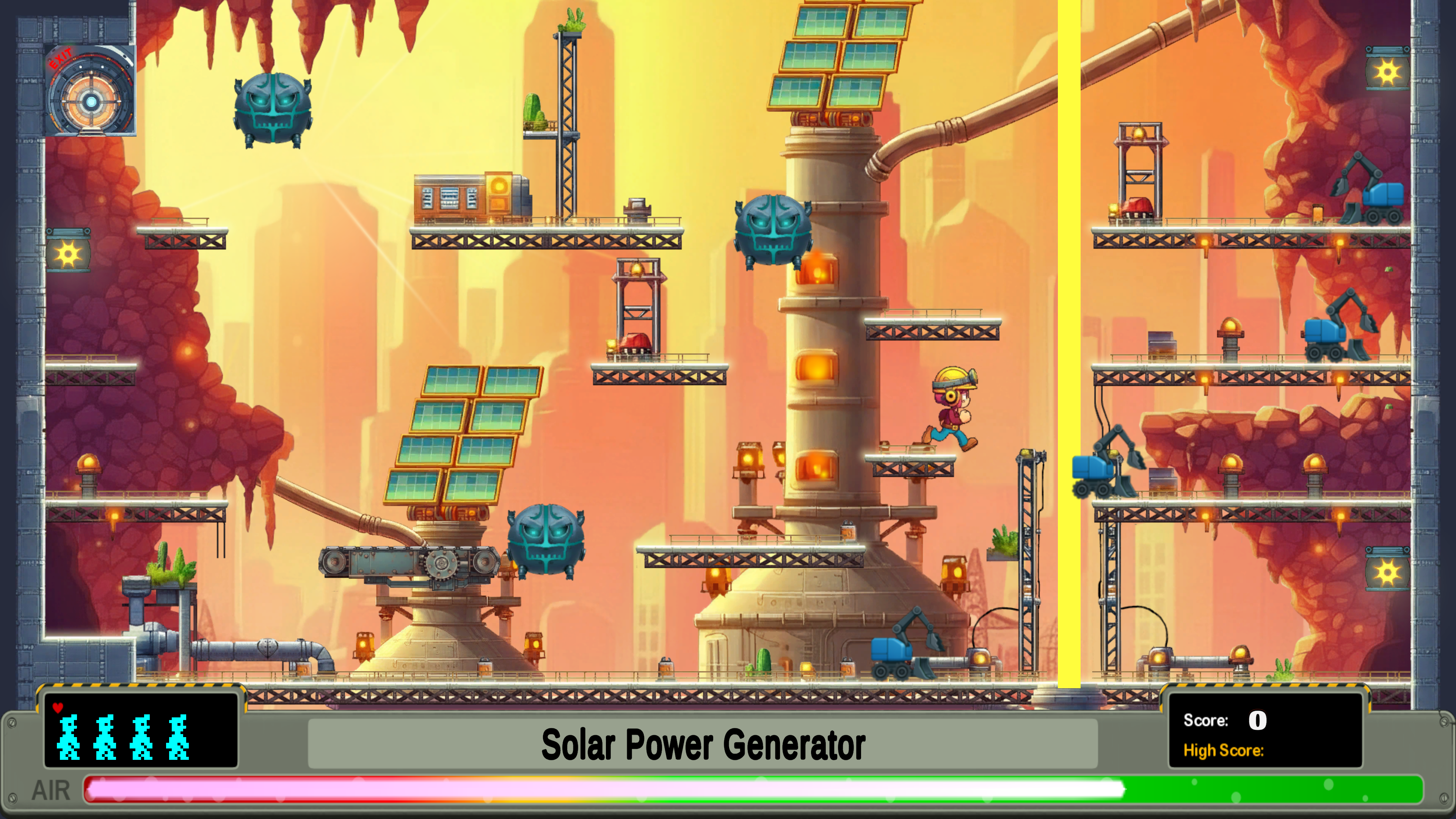
However, the path to resurrection is rarely smooth, particularly when dealing with passionate fandoms. While the package includes the original, unadulterated 1983 pixel-art experience complete with authentic CRT filters, it also introduces a brand-new High-Definition (HD) mode. Featuring parallax scrolling, dynamic lighting, modernized controls, and heavily redesigned character models, this contemporary visual overhaul has divided the retro community.
While some fans praise BBG Entertainment for offering the best of both worlds, others have taken to dedicated forums like Lemon64 to express utter dismay, labeling the HD graphics a "garish visual mess" and questioning the redesign of Miner Willy himself. This controversy highlights a timeless design dilemma: how do you modernize a 43-year-old classic without erasing the very qualities that made it legendary?
Detailed Chronology: From 1983 Masterpiece to Modern Controversy
The Genesis of a Legend (1983)
To understand why the new Manic Miner remake is causing such intense debate, one must first look back at its miraculous origins. Written entirely in Z80 assembly language by Matthew Smith and published by Bug-Byte, Manic Miner was heavily inspired by arcade classics like Miner 2049er and the surreal British television series The Prisoner.
Despite the technical constraints of the Sinclair ZX Spectrum—which famously suffered from strict "attribute clash" color limitations—Smith managed to squeeze 20 distinct, imaginative levels, synchronized background music (playing "In the Hall of the Mountain King"), and fluid platforming into a mere 48K of memory. It became a monumental commercial and critical success in the UK, outselling giants like Space Invaders and Pac-Man in domestic retail charts and cementing Smith as one of the UK’s earliest celebrity bedroom coders.
The Modern Announcement and First Impressions (2024–2025)
Fast forward over forty years, and BBG Entertainment—a studio known for its careful handling of vintage intellectual properties, including the recent Boulder Dash 40th Anniversary—secured the rights to bring Manic Miner back to modern hardware. Officially authorized by Matthew Smith himself (who reportedly collaborated with the development team), the project was designed to be a comprehensive celebration of the franchise.
The feature list read like a love letter to fans: all 20 original levels preserved, online leaderboards, a brand-new soundtrack option, modern controller support, and an interactive history archive detailing the game’s tumultuous development and cultural impact. Yet, when the first promotional screenshots and trailers showcasing the HD visual mode dropped, public reception instantly fractured.
The Backlash on the Digital Frontlines
Within hours of the HD graphics reveal, community hubs like Lemon64 became hotbeds of intense debate. Traditionalists argued that the core identity of Manic Miner was inextricably linked to its chunky, minimalist pixel art.
By superimposing detailed backgrounds, atmospheric lighting effects, and smooth scrolling over rooms originally designed for static, high-contrast readability, critics argued that BBG Entertainment had obscured the gameplay. The primary complaint centered on visual clutter: in a game defined by split-second jumps and pixel-perfect platforming collisions, clarity is paramount. Furthermore, the redesign of Miner Willy—transforming him from a compact, instantly recognizable two-pixel sprite into a detailed, modern character model—sparked outrage among purists who felt the corporate-gloss makeover stripped away the game’s idiosyncratic charm.
Supporting Context & Metrics: The Weight of Nostalgia
To fully comprehend the stakes of this release, it helps to examine the broader landscape of retro gaming revivals and the unique socioeconomic factors surrounding the 1980s British computer market.
| Feature / Metric | Original 1983 Release | BBG Entertainment Remake (2025) |
|---|---|---|
| Primary Platform | Sinclair ZX Spectrum (48K) | PC, PS4, PS5, Xbox Series X/S, Nintendo Switch |
| Visual Presentation | Static screens, 8-bit color palettes, attribute clash | Dual mode: Authentic pixel art + HD mode with lighting/parallax |
| Audio | PC speaker / Beeeper sound effects | Remastered/New soundtrack options |
| Level Design | 20 distinct single-screen levels | 20 classic levels adapted for modern play |
| Developer Involvement | Matthew Smith (Solo developer) | BBG Entertainment (Official collaboration with Smith) |
The Visual Literacy of Constraints
The aesthetic of the ZX Spectrum was born purely out of hardware necessity. Because color attributes could only be applied to blocks of 8×8 pixels, overlapping sprites often resulted in clashing, bleeding colors. Yet, over decades, this technical limitation transformed into a stylized aesthetic embraced by generations of designers.
When developers attempt to "fix" these limitations by applying high-definition textures, realistic lighting, and smooth animations, they frequently encounter the "uncanny valley" of retro design. What looks like an upgrade to a modern AAA gamer can often look overly busy, cheap, or sterile to someone who grew up memorizing the exact pixel boundaries of Willy’s jumps over poisoned mud and bizarre automated enemies (such as the infamous "Kong" and spinning telephones).
The "Safe Harbour" Compromise
Fortunately, BBG Entertainment appears to have anticipated this exact friction. Much like their handling of Boulder Dash, the studio has wisely avoided forcing players down a single aesthetic path.
The inclusion of the original pixel-art graphics mode—complete with authentic CRT simulation filters—acts as an essential safety valve for the community. Players who want to experience the game as it appeared on a fuzzy portable television or a 14-inch monitor in a 1980s bedroom can do so without sacrificing modern conveniences like stability, achievement tracking, and standard controller compatibility.
Official Statements and Industry Insights
While BBG Entertainment has largely allowed the work to speak for itself, industry analysts and veteran developers have weighed in on the challenges of updating legacy intellectual property.
Speaking broadly on the delicate balance required when remastering foundational codebases, preservationists note that titles created by single authors—often referred to as "auteur coders" of the 8-bit era—carry a distinct emotional weight that corporate re-imaginings struggle to replicate. Matthew Smith’s involvement in the project as an official consultant provides a vital shield of authenticity, ensuring that even if the HD mode pushes stylistic boundaries, the foundational soul of the project remains blessed by its creator.
Furthermore, the addition of an interactive history module within the game package is being praised by digital heritage experts. By bundling documentary-style assets, original design documents, and contextual history alongside the gameplay, BBG Entertainment is positioning the release not merely as a commercial product, but as a playable archive.
Future Outlook: A Litmus Test for Retro Remasters
As the autumn release window approaches, Manic Miner stands as a fascinating litmus test for the video game industry’s ongoing obsession with retro revivals.
The core design challenge remains formidable: how do you honor a 43-year-old game that possesses zero margin for error in its platforming logic, while making it appealing to younger demographics accustomed to modern visual polish? The brutal difficulty curve of Manic Miner—where Willy must collect all floating keys before his oxygen meter depletes, dodging erratic enemies across screens that demand absolute precision—is untouched beneath both graphical skins.
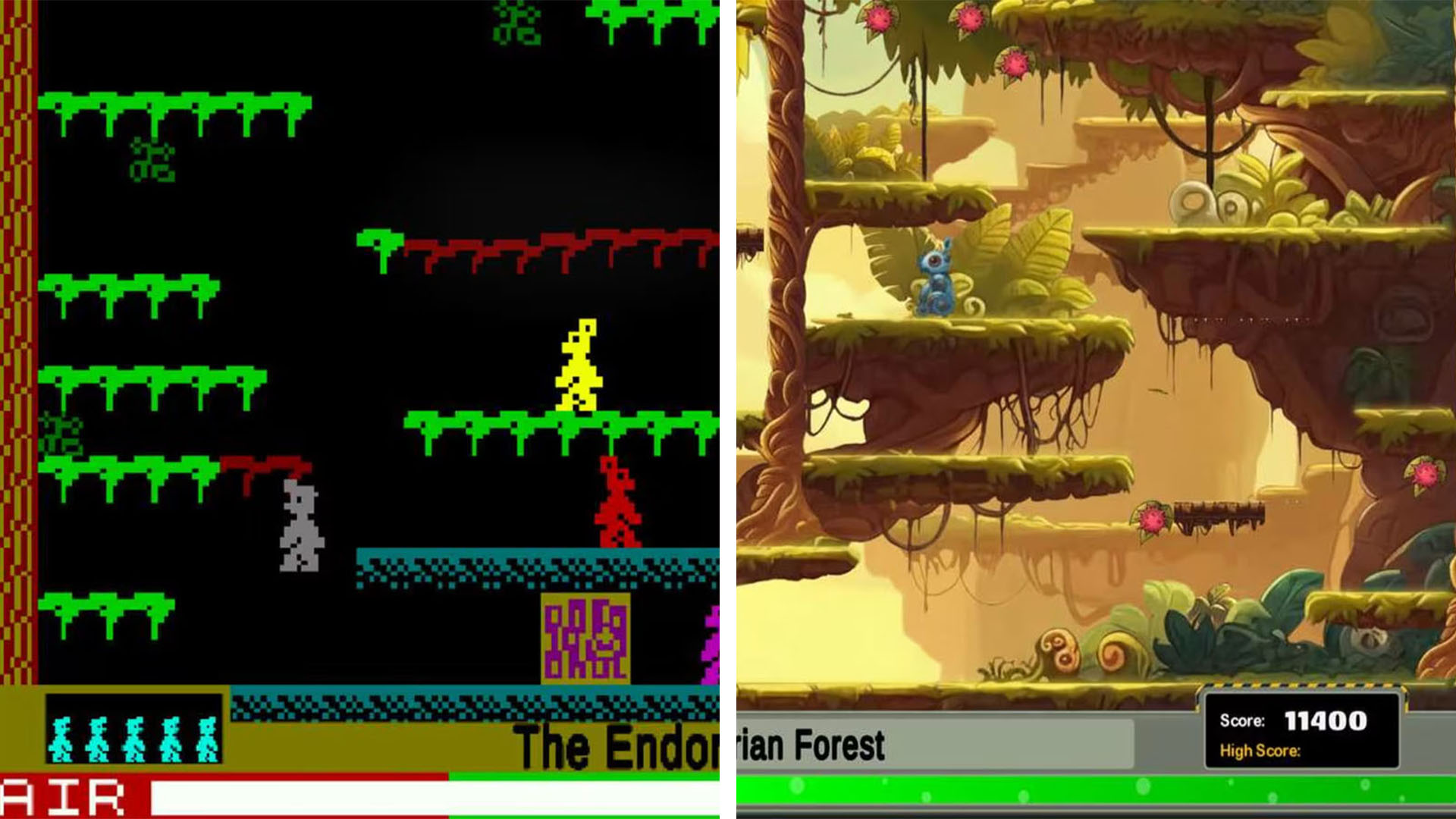
Whether the HD mode ultimately goes down in history as a misjudged visual overreach or a brave, forward-thinking reimagining will be decided the moment players get their hands on the controller this November. Regardless of how divisive the high-definition assets prove to be, the fact that Miner Willy is running, jumping, and collecting items on current-generation hardware—while keeping the original 1983 code alive and accessible—ensures that this release is a monumental victory for video game preservation.
Manic Miner launches on PlayStation 4, PlayStation 5, Nintendo Switch, Xbox Series X/S, and PC this autumn.