Executive Overview
The global video game industry has experienced a seismic shift over the past several years, marked by a massive surge in high-budget, graphically intensive AAA titles emerging from China. Following in the cultural and commercial footsteps of monumental successes like Black Myth: Wukong, upcoming releases are increasingly drawing upon the deep well of China’s rich historical, mythological, and philosophical traditions. However, developer S-Game is charting a distinctly different course with its highly anticipated action-role-playing game, Phantom Blade Zero.
Rather than relying solely on traditional wuxia tropes or conventional fantasy frameworks, S-Game is spearheading a bold, genre-blending aesthetic it defines as “kungfupunk.”
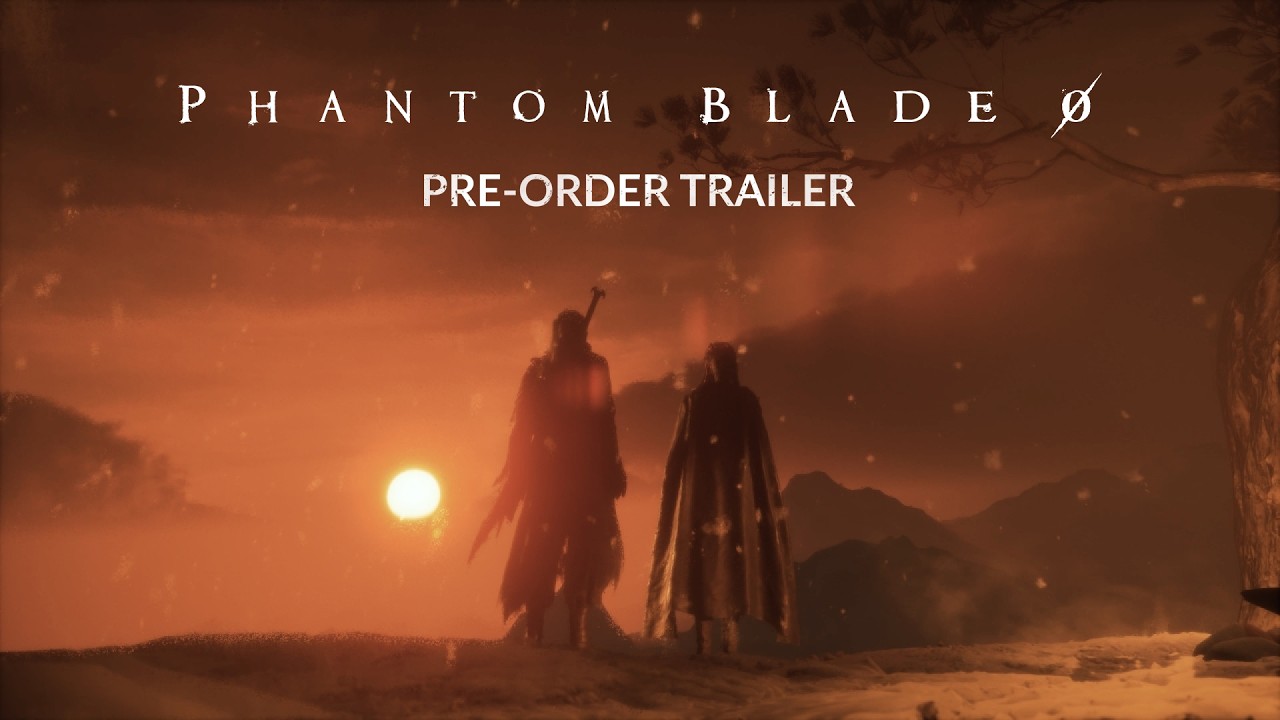
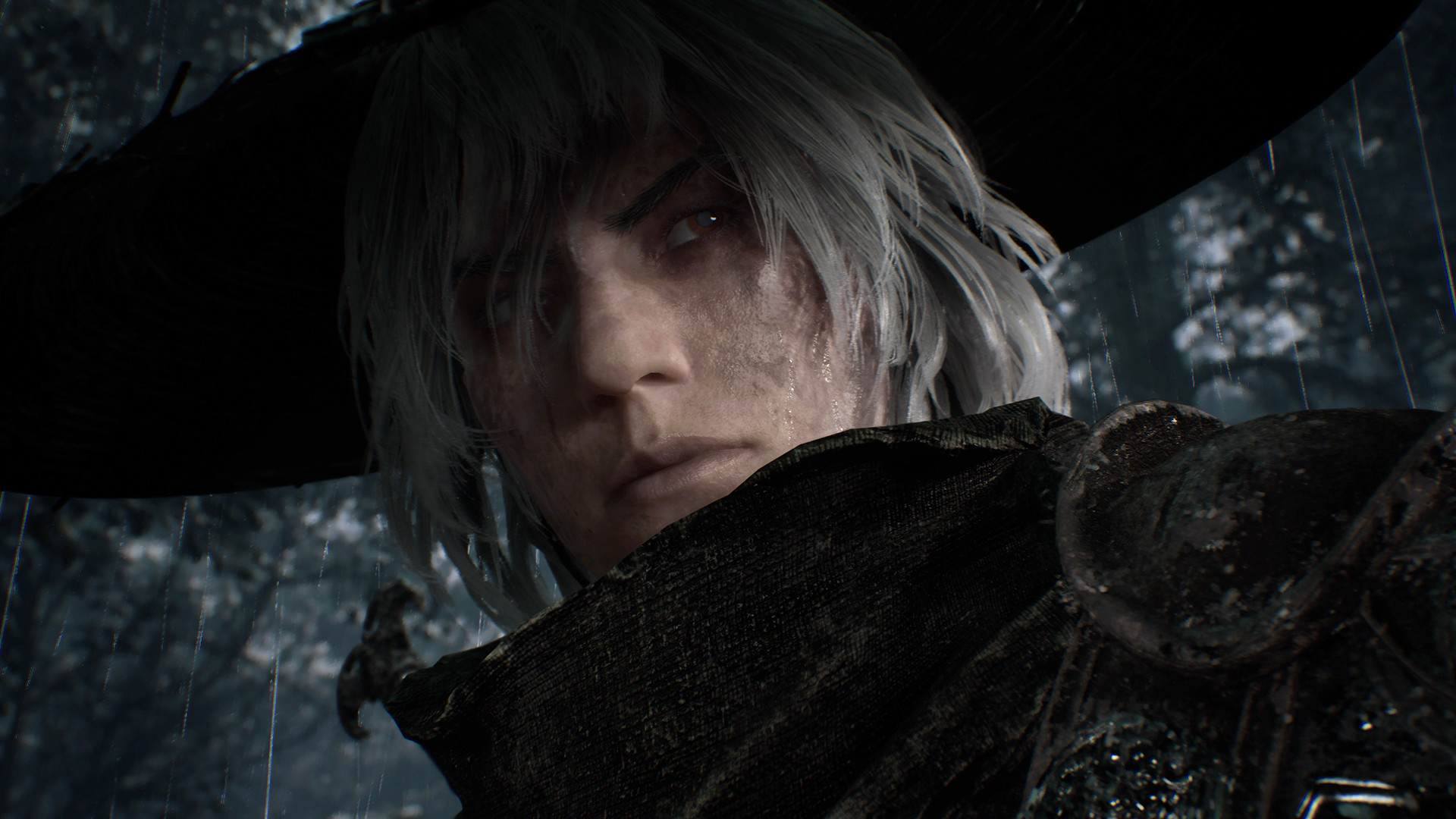
Set to launch on October 29 for the PlayStation 5 and PC, Phantom Blade Zero reimagines the studio’s 2012 2D indie classic Rainblood: Town of Death as a fully realized, Unreal Engine 5-powered AAA spectacle. The game places players in the shoes of Soul, a skilled assassin framed for the murder of his master, who is left with a mere 66 days to live.
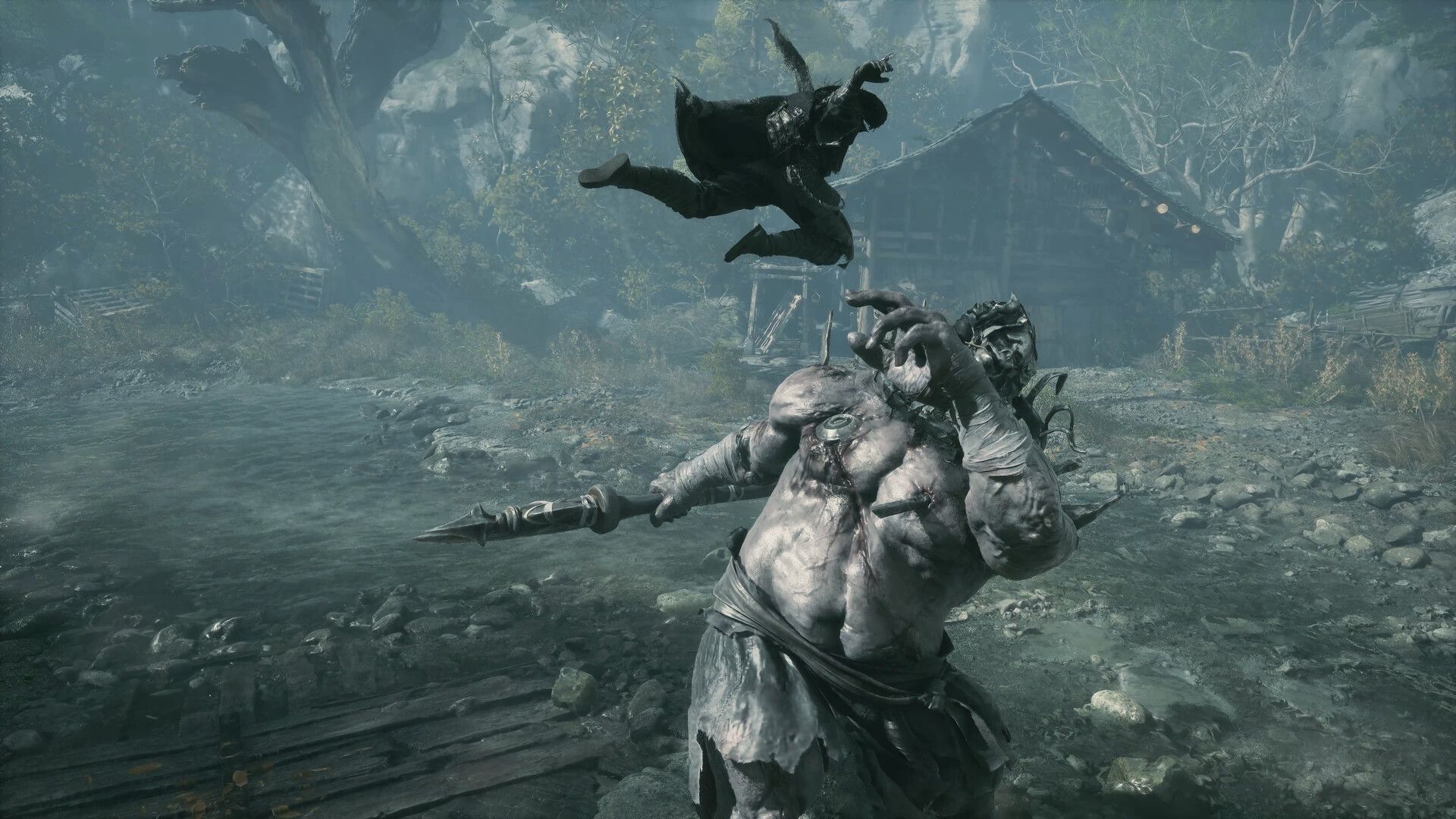
Beyond its gripping narrative premise, the title has captured the gaming community’s attention through hands-on gameplay previews that promise something rare: the cinematic, hyper-stylized fluidity of classic Hong Kong martial arts cinema merged with the demanding, deeply reactive mechanics of modern Soulslike action RPGs. With industry heavyweights like action choreographer Kenji Tanigaki and martial arts legend Donnie Yen lending their expertise, Phantom Blade Zero is positioned not merely as another entry in the crowded action-RPG landscape, but as a potential watershed moment for the martial arts video game genre.
Detailed Chronology: From Indie Roots to AAA Reimagining
To understand the scope of Phantom Blade Zero, one must trace its origins back over a decade. The franchise began as an indie passion project created by Soulframe (Liang Qi), who developed the 2D indie hit Rainblood: Town of Death using RPG Maker. What started as a niche, atmospheric indie game eventually blossomed into a broader franchise of mobile and web titles before S-Game secured the resources and technological backing necessary to realize a full-scale AAA reimagining.
The evolution of Phantom Blade Zero from concept to playable reality reflects a meticulous development cycle driven by a commitment to authenticity and innovation:
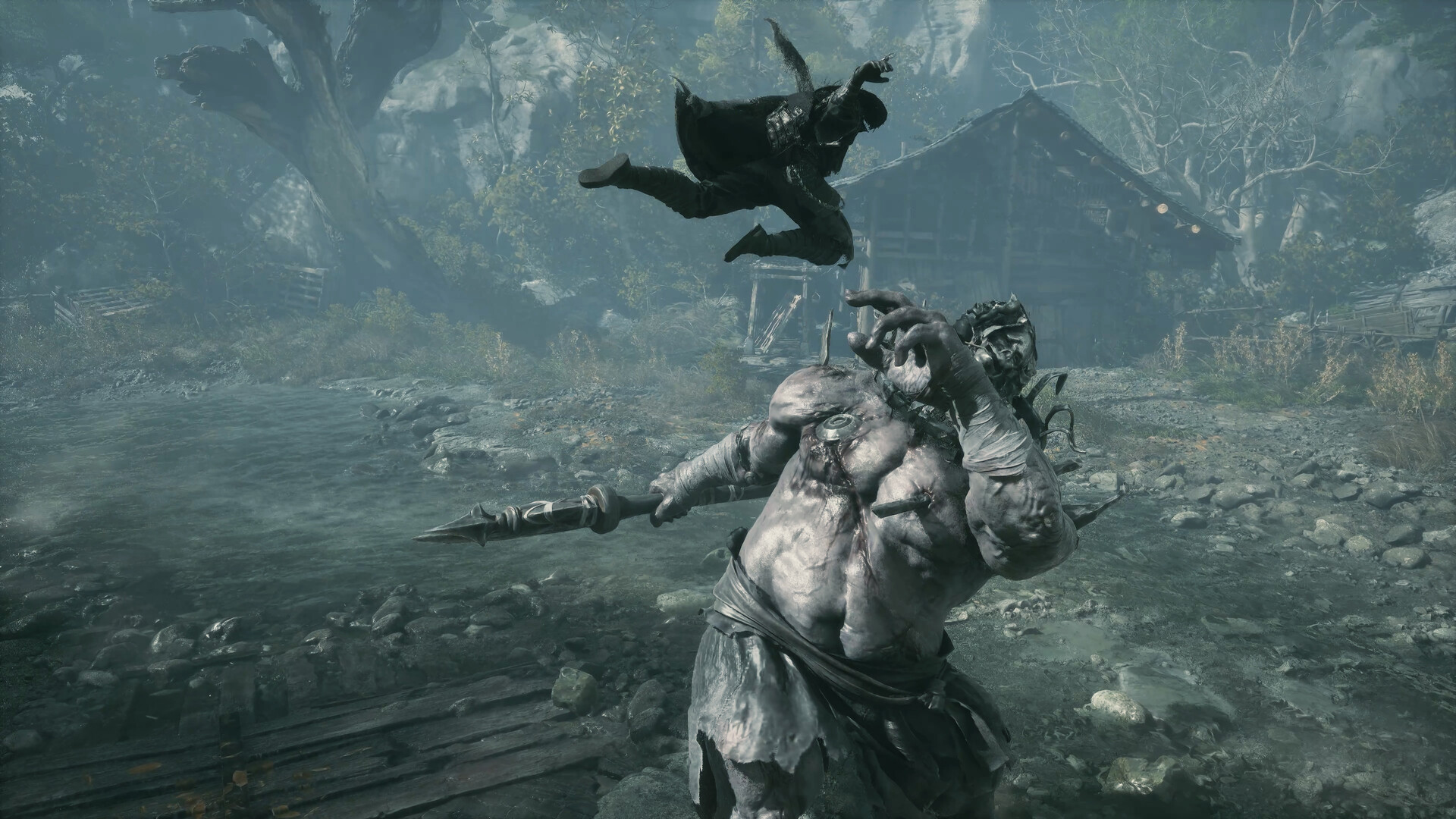
- The Conceptual Phase: S-Game recognized that a simple 3D upgrade of Rainblood would not suffice for the modern global market. The team sought to capture the visceral, gravity-defying grace of Hong Kong wuxia films—such as Crouching Tiger, Hidden Dragon and Once Upon a Time in China—while infusing them with a gritty, steampunk-adjacent subversion. This duality birthed the "kungfupunk" philosophy.
- Technological Foundation: Transitioning to Unreal Engine 5 allowed S-Game to push graphical boundaries, rendering the semi-open world of the Wulin with intricate detail. Hand-drawn traditional Chinese ink-painting aesthetics were cleverly integrated into navigation systems, such as the game’s dynamic map, bridging classical art with cutting-edge fidelity.
- Movement and Motion Capture: To achieve true martial arts authenticity, S-Game bypassed standard video game animation techniques. Instead, the studio deployed professional martial artists equipped with traditional wire-fu apparatuses—the exact wire systems used in cinematic wire-work action sequences—to capture larger-than-life acrobatics and combat exchanges.
- Public Showcases and Hands-On Previews: Following initial teaser trailers that stunned the gaming community with their cinematic flair, recent hands-on press demonstrations have allowed critics to test the combat firsthand. These previews have shifted public perception from skepticism over pre-rendered trailers to genuine enthusiasm for the game’s actual mechanical depth, paving the way for its October 29 release date.
Supporting Context & Metrics: Deconstructing "Kungfupunk"
The term "kungfupunk" is more than a mere marketing buzzword; it serves as the foundational design philosophy guiding every artistic and mechanical decision in Phantom Blade Zero. While traditional wuxia relies on historical or mystical purity, kungfupunk embraces anachronism, grit, and industrial utilitarianism.
The Aesthetic and Environmental Design
During hands-on sessions in the Wulin, players traverse a semi-open world that seamlessly blends classical Chinese architecture with heavy industrial machinery. For instance, a traditional-looking watchtower may conceal a roaring interior furnace powered by elaborate networks of steel pipes. These environments are frequently laced with red threads—a traditional Chinese symbol typically associated with marriage and fate—which S-Game subverts to evoke an ominous, suffocating sense of impending doom.
Furthermore, the game’s map design offers a masterclass in atmospheric UI. Rather than presenting a utilitarian, sterile top-down grid, the map is rendered in the classical style of a Chinese ink wash painting. As players explore treacherous mountain paths, hidden temples, and rival faction outposts—such as the formidable stronghold held by a faction known as The Mandate—the map dynamically fills in with artistic accuracy, allowing players to visually recall physical landmarks and topography.
Combat Mechanics and Mechanical Depth
Mechanically, Phantom Blade Zero occupies a fascinating middle ground between accessible cinematic action and punishing precision-based combat. While it borrows familiar language from the Soulslike genre—such as color-coded enemy attacks that dictate whether a player must execute a split-second dodge or a timely parry—its core differentiator is animation fidelity.
In many action RPGs, defensive stances look static and mechanical. In Phantom Blade Zero, holding the block button triggers dynamic weapon-clashing animations where Soul actively deflects and grinds blades against his adversaries, mimicking the frantic choreography of a silver-screen sword fight.
Boss design further elevates this concept. A standout encounter features a lion dance grandmaster fought to the rhythm of traditional live percussions. The enemy utilizes a mechanical lion’s head fitted with deadly metal spikes and the ability to breathe real fire, testing the player’s reflexes against a backdrop of cultural pageantry and industrial menace. Despite these grandiose set pieces, S-Game avoids falling into the trap of relying purely on Quick Time Events (QTEs). The player maintains absolute, fluid control over Soul’s movements from tutorial to climactic boss battles.
Official Statements and Industry Collaboration
S-Game’s pursuit of absolute authenticity is anchored by high-profile collaborations with legendary figures from the Asian cinema industry. Rather than mimicking martial arts from an outsider’s perspective, the studio integrated industry veterans directly into the production pipeline.
"We aren’t just building a game that looks like a kung fu movie; we are building a system where the player is the choreographer, the stunt coordinator, and the star all at once," notes the development philosophy championed by S-Game’s core leadership.
To realize this vision, S-Game brought in prominent Hong Kong action film veterans:
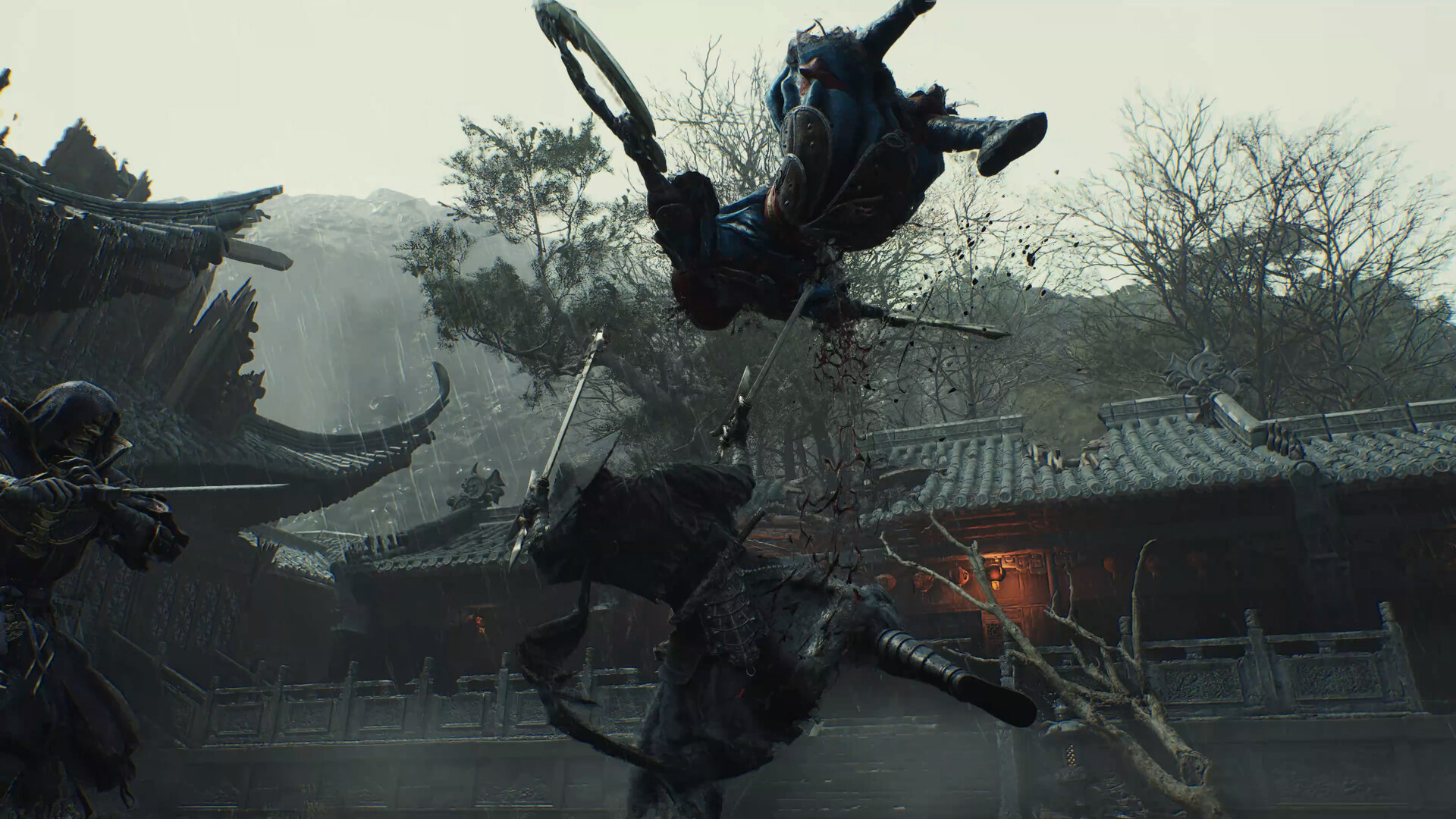
- Kenji Tanigaki: Renowned action choreographer and film director, whose expertise in high-velocity, practical martial arts combat directly informed the pacing and flow of Soul’s weapon strikes and counter-attacks.
- Donnie Yen: The legendary martial arts icon and actor, whose involvement adds an unmatched layer of cinematic pedigree to the project. While not every player will encounter Yen’s digital counterpart in a standard preview build, his influence permeates the precision and impact of every strike.
By combining the physical realities of stunt work with advanced motion capture and Unreal Engine 5 processing, S-Game has constructed a bridge between cinematic performance art and interactive entertainment.
Future Outlook: The Road to October 29 and Beyond
As the October 29 release date rapidly approaches, Phantom Blade Zero stands as one of the most intriguing and anticipated titles on the horizon for PlayStation 5 and PC players.
The primary challenge facing S-Game lies in striking a delicate balance: managing the punishing difficulty inherent to demanding action-RPGs while preserving the empowering fantasy of playing an unstoppable kung fu master. Early hands-on reports suggest the game handles this tension admirably, offering forgiving checkpointing between the multi-layered phases of major boss fights—such as the grueling showdown against the Hunter of the Order near a majestic waterfall—alongside flexible difficulty options tailored to various skill levels.
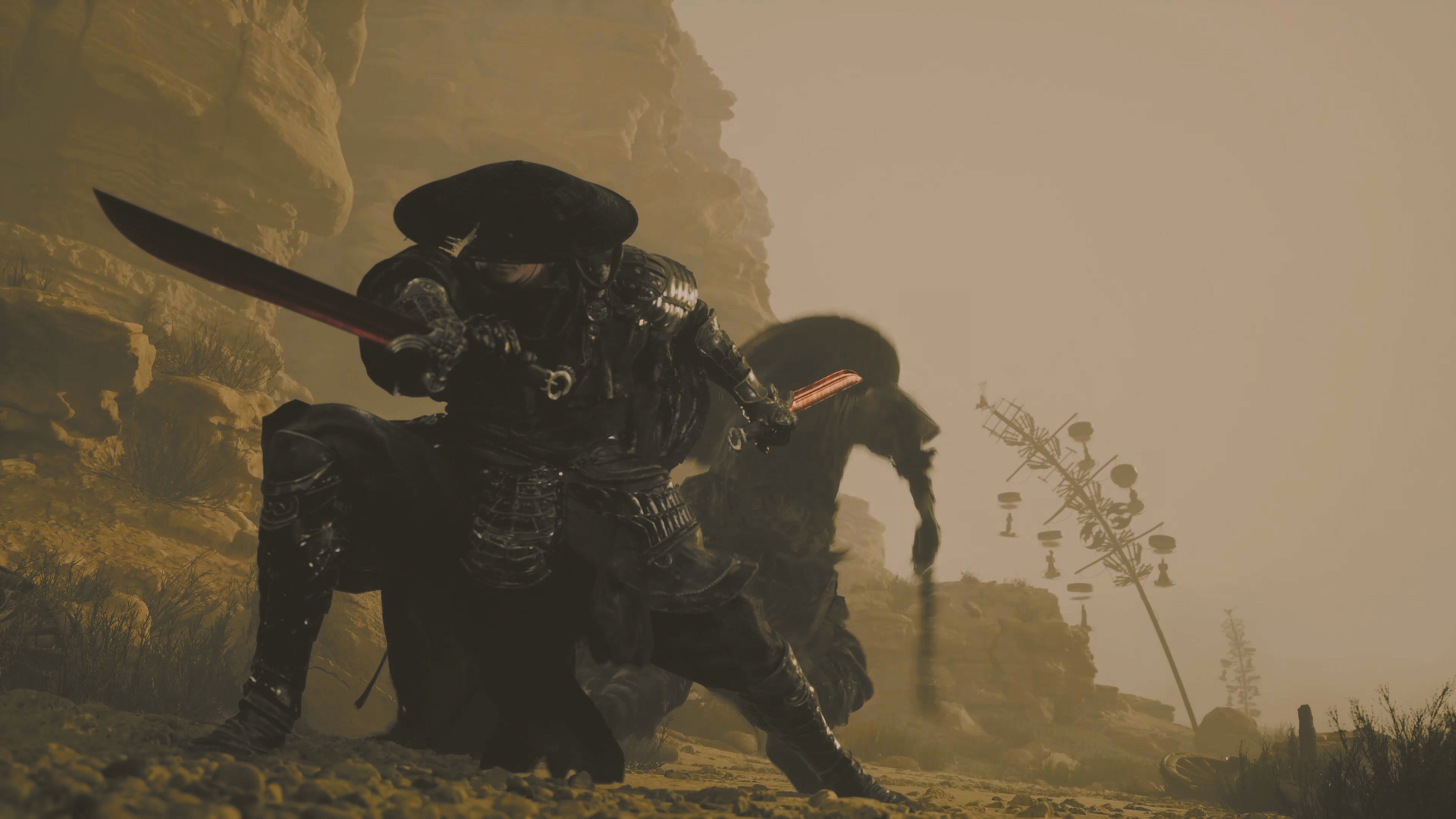
If S-Game successfully maintains this equilibrium on launch day, Phantom Blade Zero has the potential to redefine how players experience martial arts in digital spaces. Much like Capcom’s classic Onimusha series empowered players to feel like master samurai, Phantom Blade Zero aims to make every player feel like a legendary wuxia hero navigating a dark, industrial underworld.
For an industry constantly searching for the next evolution in single-player action gaming, the rise of kungfupunk may well prove to be one of the most exciting cultural and artistic exports of the decade.