Executive Overview
The technology landscape is bracing for one of the most consequential autumn hardware cycles in Apple’s modern corporate history. According to deep-sourced reports from Bloomberg’s Mark Gurman, Apple is preparing to fundamentally reshape its computing ecosystem with a barrage of pivotal product launches slated for late October. At the epicenter of this hardware blitz is a long-rumored, highly anticipated development: Apple’s very first touchscreen MacBook, tentatively and widely referred to by industry analysts as the "MacBook Ultra."
For over a decade, Apple’s executive leadership—most famously spearheaded by the late Steve Jobs—steadfastly resisted the convergence of macOS and touchscreen ergonomics, characterizing vertical touch displays on laptops as ergonomically exhausting and fundamentally flawed. However, technological maturation, shifting consumer expectations, and engineering breakthroughs have finally bridged the gap.
Set to debut "on or around" October 27, the incoming touchscreen laptop represents the most radical paradigm shift in MacBook architecture since the transition to Apple Silicon. But the Cupertino giant’s autumn roadmap extends far beyond a single device. The late-October showcase is also projected to introduce a completely redesigned iPad Mini featuring a cutting-edge OLED display, alongside spec-bump refreshes to the entry-level 14-inch MacBook Pro and iMac lines, which are slated to absorb the blistering performance capabilities of the new M6 chip.
Coming on the heels of a blockbuster summer that saw the commercial debut of Apple’s inaugural foldable smartphone—the iPhone Duo—and a forthcoming mid-October smart home device showcase, 2026 is cementing itself as a transformative watershed year for the world’s most valuable technology brand.
Detailed Chronology: Unpacking Apple’s 2026 Fall Hardware Roadmap
To fully appreciate the magnitude of Apple’s late-October schedule, it is vital to trace the cascading timeline of leaks, insider reports, and corporate maneuvers that have paved the way for this autumn offensive.
The Summer Prelude: Entering the Fold
The groundwork for Apple’s aggressive hardware push was laid during the summer of 2026, a season dominated by the introduction of the company’s first-ever foldable handset, the iPhone Duo. For years, skeptics wondered when Apple would enter the foldable device arena dominated by competitors like Samsung and Google. The summer launch of the iPhone Duo not only answered that question but proved that Apple was willing to cannibalize its traditional form factors to secure a foothold in bleeding-edge mobile design.
With the foldable ecosystem successfully established, Apple immediately pivoted engineering and marketing resources toward its computing and tablet portfolios for the autumn.
The Mid-October Smart Home Play
Before the spotlight turns to personal computing on October 27, Apple is scheduled to host a targeted, smart home-focused hardware event on October 13. According to industry insiders, this presentation will unveil a fresh collection of intelligent home gadgets designed to anchor Apple’s HomeKit ecosystem more deeply into domestic spaces. While details remain closely guarded, analysts anticipate next-generation hubs, ambient security integration, and potentially advanced spatial audio appliances that leverage Apple’s rising dominance in edge AI processing.
The Grand Finale: October 27 and the Touchscreen Era
The anchor event of the season is locked for late October, with Gurman’s anonymous Apple supply chain sources pointing directly to October 27 as the debut window. This event will serve as the commercial stage for the MacBook Ultra.
Simultaneously, the presentation will usher in a revitalized iPad Mini—upgraded with a vibrant OLED screen—and internal spec updates for the consumer-facing 14-inch MacBook Pro and the all-in-one iMac. This meticulous timing ensures that Apple captures the critical pre-holiday shopping momentum with a completely refreshed hardware catalog across laptops, tablets, desktops, and smart home systems.
Supporting Context & Metrics: The Evolution of Apple Silicon and Touch Technology
The journey toward a touchscreen Mac has been a slow, deliberate marathon rather than a sudden sprint. To understand the technological mechanics powering the upcoming MacBook Ultra, one must examine the convergence of hardware capability, chip architecture, and software optimization.
A Decade-Long Evolution of Rumor and Reality
Rumors concerning a touchscreen edition of Apple’s high-end laptops first surfaced with serious traction around 2023. At the time, skeptics dismissed the chatter, citing Apple’s historic aversion to touch-enabled macOS interfaces. After all, iPadOS was designed for touch, while macOS was meticulously optimized for cursor precision, trackpad gestures, and keyboard navigation.
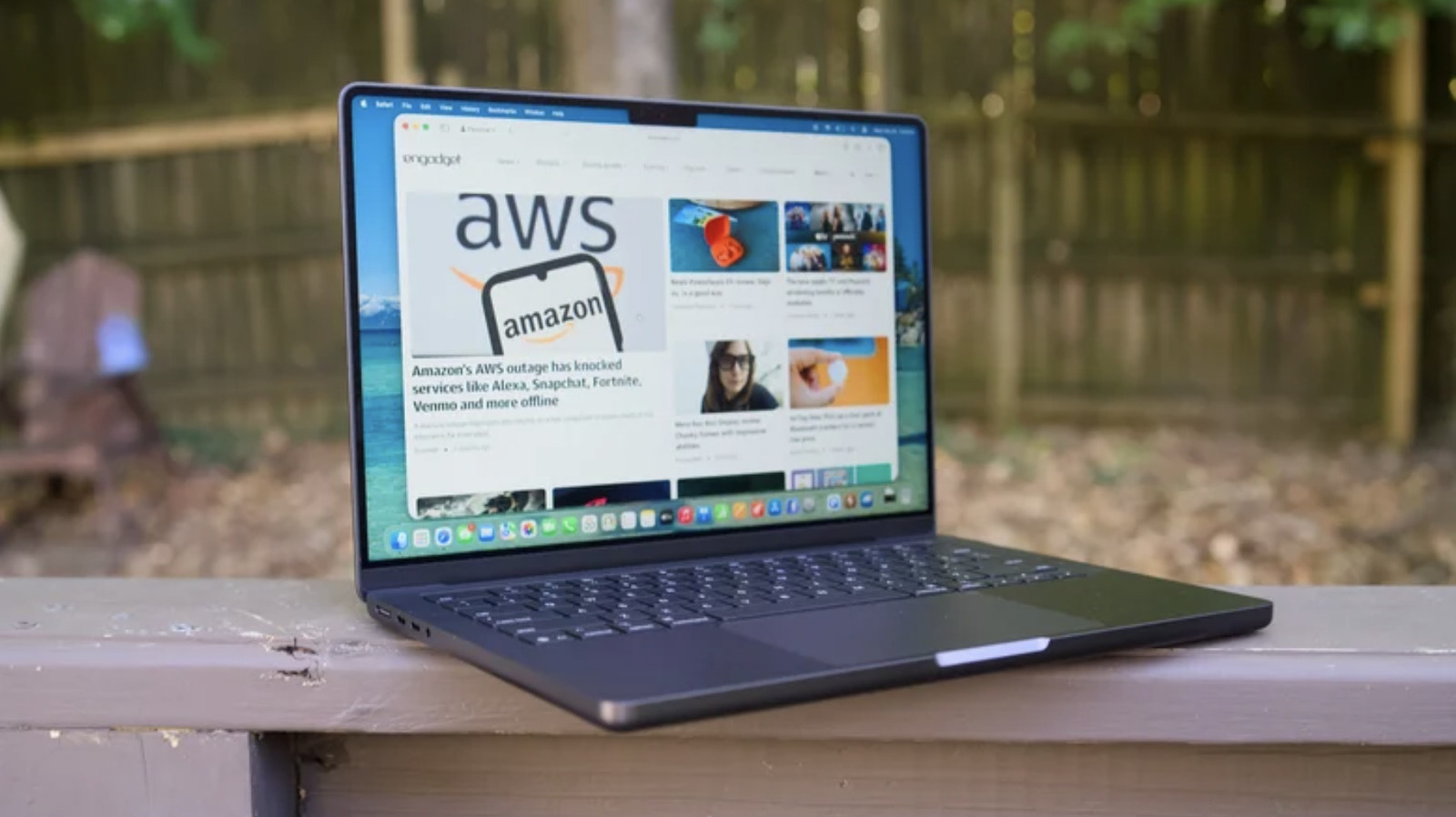
However, recent supply chain leaks indicate that Apple has solved the ergonomic and interface hurdles. The upcoming MacBook Ultra will not simply be a standard macOS screen slapped onto a hinge; rather, it will feature a proprietary "dynamic interface." This adaptive system software dynamically modifies UI elements depending on whether the user is navigating via the multi-touch display, the Magic Keyboard, or the Force Touch trackpad.
+-------------------------------------------------------------------------p+
|                   APPLE SILICON GENERATIONAL ROADMAP                    |
+-------------------+----------------------------+------------------------+
| Chip Architecture | Target Device Class        | Status / Launch Window |
+-------------------+----------------------------+------------------------+
| M4 Series         | Legacy Entry iMac/MacBook  | Phasing Out (2025/2026)|
| M5 Pro / Max      | High-End MacBook Pro /     | Current Flagship /     |
|                   | MacBook Ultra (Touchscreen)| October 2026 Debut     |
| M6 Series         | Mac mini, Entry 14" MBP,   | Expanding October 2026 |
|                   | iMac Refreshes             |                        |
+-------------------+----------------------------+------------------------+
Navigating the Chip Transition: M5 vs. M6
Chip architecture dictates the rhythm of Apple’s hardware releases, and the 2026 product cycle highlights a fascinating bifurcation in silicon strategy.
- The High-End Powerhouse (M5 Pro / Max): The revolutionary touchscreen MacBook is expected to leverage the raw horsepower of the M5 Pro and M5 Max chips. Industry insiders note that Apple has structured its silicon roadmap such that pro-level iterations of the incoming M6 chip will not debut immediately. Consequently, the ultra-premium tier of Apple’s laptop lineup will rely on top-tier M5 architecture to handle the demanding processing overhead of dual-input computing and advanced machine learning tasks.
- The Mainstream Refresh (M6): Conversely, smaller, iterative updates to the entry-level 14-inch MacBook Pro and the iMac will adopt the brand-new M6 chip. This processor recently debuted to critical acclaim within the refreshed Mac mini line. For context, the current entry-level MacBook Pro runs on an M5 chip, while the standard iMac has languished on the M4 generation. The late-October refreshes will effectively close this performance gap, bringing baseline devices up to parity with the latest silicon standards.
The iPad Mini’s OLED Renaissance
Beyond laptops and desktops, the iPad Mini is long overdue for a visual overhaul. For years, fans of Apple’s ultra-portable tablet have clamored for a display upgrade to match the rich contrast and deep blacks of the iPad Pro and iPhone lines. The late-October event will reportedly deliver just that, swapping out legacy LCD panel technology for a state-of-the-art OLED display. This shift will drastically improve HDR performance, energy efficiency, and color accuracy for creators and media consumers who prefer a compact tablet footprint.
Official Statements and Industry Insights
While Apple has maintained its traditional corporate silence regarding unannounced products, supply chain chatter and executive hints paint a vivid picture of a company aggressively expanding its technological boundaries.
Mark Gurman’s reporting for Bloomberg remains the gold standard for tracking these developments, noting that the October 27 timeline reflects Apple’s internal confidence in mass production yields for both the OLED iPad Mini and the complex hinge-and-display assemblies required for the touchscreen MacBook.
Industry analysts tracking the supply chain have highlighted the engineering triumph required to build a touchscreen laptop that preserves thin-and-light portability without sacrificing battery life or structural integrity. By integrating advanced low-power display substrates alongside the thermal efficiencies of Apple Silicon, the company has seemingly mitigated the historical drawbacks of touch-enabled portables.
Furthermore, developer communities have reacted to the news with cautious optimism. Software engineers point out that Apple’s multi-year initiative to unify its platform architectures—allowing iPad apps to run natively on Apple Silicon Macs via Mac Catalyst—was a deliberate, multi-year precursor to this exact moment. The underlying infrastructure to support touch input within macOS has been quietly maturing under the hood of recent operating system updates, waiting only for the appropriate hardware to unlock its potential.
Future Outlook: What This Means for the Consumer and the Tech Industry
The convergence of touchscreen laptops, OLED tablets, and rapid silicon integration marks a critical juncture for personal computing. For years, the industry was neatly divided into two distinct camps: traditional clamshell laptops designed for productivity, and touch-first tablets designed for consumption and casual creation.
Apple’s introduction of the MacBook Ultra threatens to blur these lines permanently. By offering a dynamic interface that seamlessly transitions between traditional desktop workflows and direct touch manipulation, Apple is challenging competitors like Microsoft and various Windows OEMs—who have offered touch laptops for over a decade—to elevate their software and hardware execution.
As consumers look toward the final quarter of 2026, the implications are clear:
- Premium Pricing and Market Positioning: The "MacBook Ultra" moniker suggests an elite product category sitting above the traditional MacBook Pro. Consumers should anticipate a luxury price point that reflects pioneering engineering and cutting-edge display technology.
- Ecosystem Harmonization: With OLED rolling out to the iPad Mini and touch capability arriving on the Mac, the tactile language of Apple devices is becoming universally uniform. Whether an end-user interacts with an iPhone Duo, an iPad Mini, or a MacBook Ultra, physical touch will increasingly become a primary pillar of user interaction.
- The Post-PC Era Realignment: Apple is no longer maintaining a strict wall between iOS/iPadOS paradigms and macOS paradigms. Instead, the company is embracing a fluid computing continuum where hardware form factors adapt dynamically to human intent.
As October 27 approaches, all eyes turn to Cupertino. Whether the touchscreen MacBook revolutionizes the laptop industry in the same way the original MacBook Air redefined ultraportables remains to be seen. However, one reality is indisputable: Apple’s autumn hardware offensive is set to redefine the boundaries of personal technology for years to come.