
Executive Overview
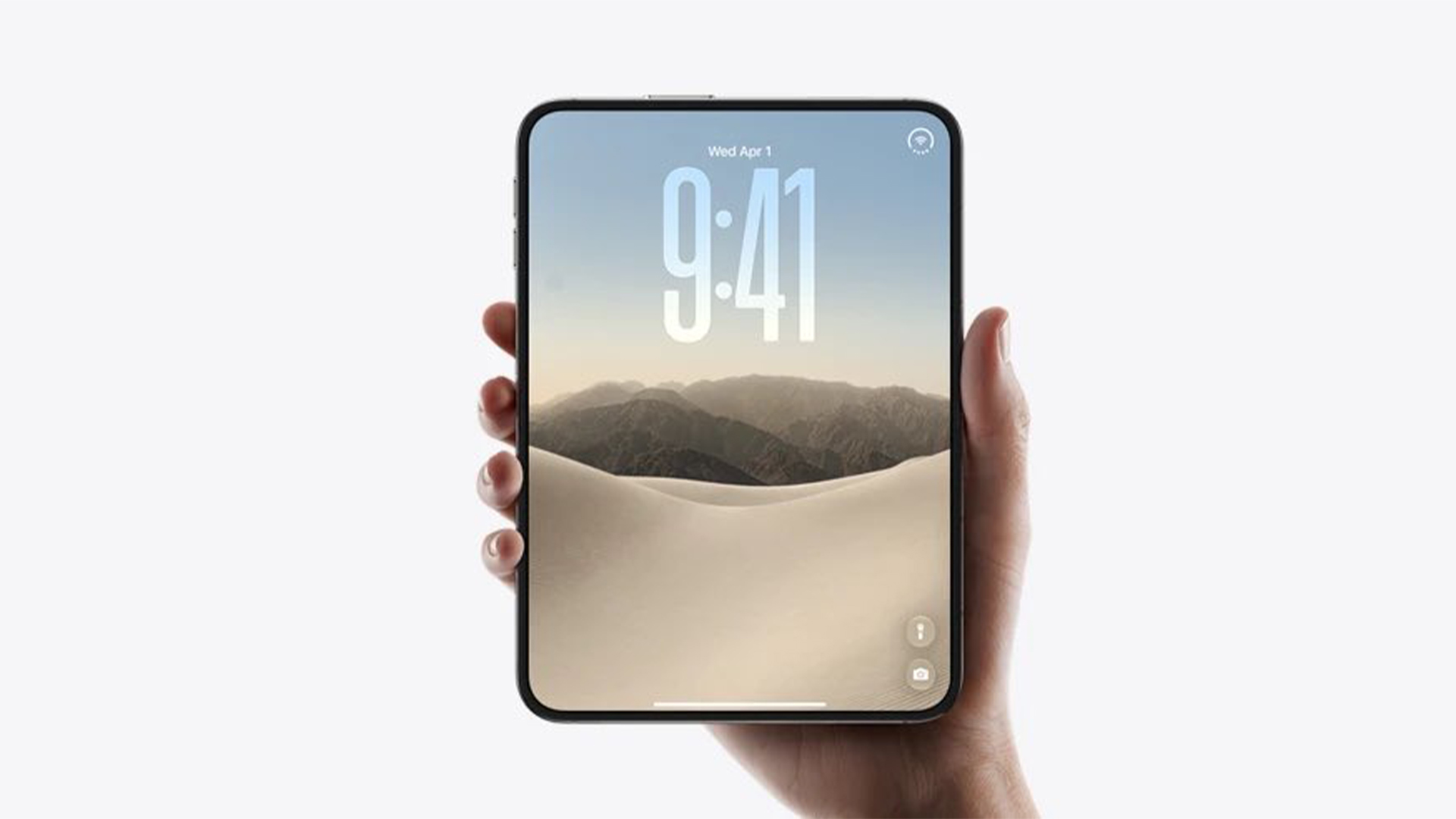
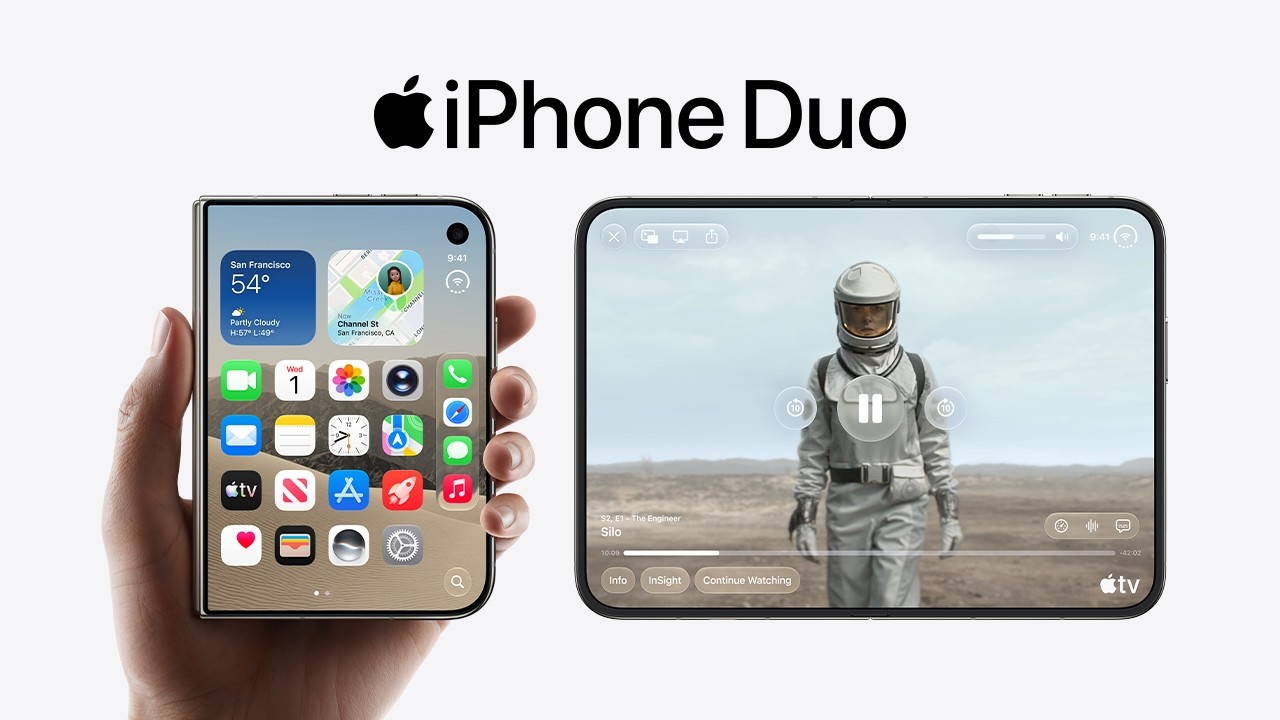
Apple’s maiden voyage into the foldable smartphone market has officially begun, but it has arrived with a whirlwind of astronomical demand, staggering price tags, and fierce industry debate. The newly released iPhone Duo—commanding a baseline price of $1,999—has stamped its place in history as Apple’s most expensive smartphone to date. Simultaneously, it has shattered internal benchmarks to become the company’s fastest-selling device ever.
Yet, this monumental success has been instantly overshadowed by logistical friction. Within hours of opening pre-orders on Friday, October 16, official Apple Store availability plummeted, with estimated shipping dates stretching into January 2027. This unprecedented three-month backlog has ignited a ferocious debate: Is the iPhone Duo’s scarcity a symptom of a massive, organic consumer frenzy, or was it a preventable operational miscalculation?
While Apple defends the delay as a result of "extraordinary" and unforeseen demand, supply chain analysts and industry insiders—including Bloomberg’s Mark Gurman—have characterized the aggressive global rollout as a rushed error. Critics argue that forcing a simultaneous worldwide release across more than 70 countries without adequate stock was a strategic gamble designed merely to capture first-quarter financial results.
As frustrated consumers turn to secondary markets like eBay—where speculative scalpers are listing the foldable device for upwards of $4,000—the tech world is left scrutinizing Apple’s high-stakes hardware strategy. With carrier alternatives offering earlier, albeit uncertain, delivery dates, and physical retail stores bracing for massive disappointment, the iPhone Duo launch stands as one of the most polarizing hardware rollouts in Cupertino’s history.
Detailed Chronology: From Rumor Mill to Launch Day Chaos
The journey of the iPhone Duo from a conceptual white whale to a tangible (albeit elusive) retail product spans years of development and a tightly controlled marketing cadence. Understanding the trajectory of this launch provides crucial context to the current logistical logjam.
The Buildup and the Pro-Order Window
For years, Apple watched from the sidelines as competitors like Samsung and Google established dominance in the foldable phone sector. While foldable hardware matured through successive iterations elsewhere, Apple bided its time, focusing on perfecting device durability, crease minimization, and software optimization.
When Apple finally pulled back the curtain on the iPhone Duo, anticipation reached a fever pitch. The company scheduled pre-orders to open on Friday, October 16, setting an official in-store release date for October 23.
However, the opening bell of pre-orders triggered an immediate digital bottleneck. Within minutes, Apple’s direct-to-consumer servers were flooded. By the time many eager buyers managed to load the checkout page, shipping estimates had slipped from launch-day delivery to November, then December, and ultimately January 2027 on Apple’s primary website.

The Retail Reality Check
For consumers hoping to bypass the digital queue by camping outside physical Apple Stores on launch day, industry reports have delivered a sobering reality check. Leaks from retail channels indicate that Apple corporate has explicitly instructed store employees to discourage walk-in customers from visiting unless they hold confirmed pre-order reservations.
Inventory allocations for physical storefronts are reportedly razor-thin. While Apple’s online store has cryptically advised customers to check back for localized pickup availability, retail insiders suggest that scoring a Duo in-person on launch day will be akin to finding a needle in a haystack.
Carrier Workarounds and Alternative Timelines
While Apple’s direct fulfillment pipeline is clogged until the new year, prospective buyers have found minor glimmers of hope through major telecommunications carriers and authorized third-party retailers.
- Verizon: At the time of initial reports, Verizon projected delivery windows as early as November 5, though its web infrastructure experienced severe intermittent outages under the weight of traffic.
- Xfinity: Trailing slightly behind, Xfinity pointed toward a mid-November arrival (around November 13).
- AT&T: Projecting slightly later fulfillment, AT&T estimated shipments pushing into early December.
While these carrier dates do not carry absolute guarantees, they represent the most viable pathway for consumers determined to secure an iPhone Duo before the calendar flips to 2027. Meanwhile, opportunistic resellers have moved swiftly to exploit the scarcity, populating platforms like eBay with listings exceeding $4,000—more than double the device’s retail value.
Supporting Context & Metrics: Analyzing the Bottleneck
To truly understand whether the iPhone Duo launch is a triumph or a disaster, one must examine the metrics, historical precedents, and macroeconomic factors at play.
Historical Comparisons: The iPhone X Precedent
A three-month waitlist is an eternity in the fast-moving consumer electronics landscape. Part of the intoxicating allure of Apple’s annual product cycle is the cultural currency of "newness." For customers ordering today, their devices will arrive a mere eight months before the speculative announcement of an anticipated iPhone Duo 2, assuming Apple maintains its rigid yearly cadence.
However, Apple is no stranger to initial supply constraints. Industry watchers frequently draw comparisons to the iPhone X in 2017, which also introduced a radically reimagined form factor (the edge-to-edge OLED display and Face ID) alongside a then-record-shattering $999 price tag. At launch, the iPhone X faced initial three-to-four-week delivery expectations. Yet, as Apple’s manufacturing lines optimized and initial component bottlenecks eased, those estimates dropped dramatically to under three weeks.
Whether the iPhone Duo can replicate this rapid supply chain stabilization remains to be seen, particularly given the inherent complexities of manufacturing foldable OLED displays and ultra-thin hinge mechanisms.
The Macroeconomic and Product Ecosystem Pressures
The iPhone Duo does not exist in a vacuum; it launched during a uniquely congested period for Apple’s hardware division:
- The Global Chip Shortage & Rising Costs: Ongoing supply chain constraints across the semiconductor industry have driven up baseline production costs, contributing heavily to the Duo’s eye-watering $1,999 price tag.
- The iPhone 18 Pro Shadow: Just one month prior to the Duo’s rollout, Apple released the iPhone 18 Pro and Pro Max. While the iPhone 18 Pro retained a traditional candy-bar form factor, it boasts a significantly superior camera system compared to the first-generation Duo—creating an internal product cannibalization dilemma for high-end consumers.
- A Crowded Foldable Landscape: Entering a mature market dominated by entrenched rivals means Apple had zero margin for error regarding hardware performance, yet it had to grapple with estimating demand for a completely unproven product category within its own ecosystem.
Official Statements and Industry Perspectives
The rapid sellout has ignited a war of words between corporate PR messaging and seasoned tech analysts.
Apple’s Stance: "Extraordinary Demand"
In official statements, Apple has stood firm on the narrative of unprecedented success. The company attributes the backlogs entirely to "extraordinary" consumer demand, actively promoting the narrative that initial inventory flew off digital shelves at a velocity that far surpassed even their most aggressive internal forecasts.
However, critics are quick to point out a glaring omission: Apple has consistently declined to disclose actual production volume figures or specific regional allocation numbers. Without hard data, independent analysts find it impossible to verify whether the backlog is the result of genuine, earth-shattering demand or a carefully engineered illusion of scarcity designed to artificially inflate product prestige.
The Counter-Perspective: A "Major Mistake"
Weighing in on the controversy, Bloomberg’s renowned Apple expert Mark Gurman delivered a blistering critique in his Power On newsletter. Gurman categorized the rollout as a "major mistake," arguing that Apple rushed the launch window purely to capture sales figures within its first-quarter financial results, despite knowing full well that the manufacturing pipeline was incapable of meeting global demand.
Furthermore, Gurman highlighted Apple’s aggressive pivot regarding market distribution. Initially, internal leadership debated a staggered regional release—restricting initial sales exclusively to the United States and China to buffer against supply shocks. Ultimately, Apple pivoted to a reckless global rollout spanning more than 70 countries simultaneously, severely exacerbating the inventory deficit.
The Silver Lining of Scarcity
Despite the logistical headaches and vocal complaints flooding social media platforms from disgruntled buyers, industry psychologists note that artificial or accelerated scarcity often works to a luxury brand’s ultimate advantage.
The intense media coverage generated by the $4,000 eBay listings and multi-month waitlists transforms the iPhone Duo from a mere piece of technology into an elite status symbol. This pervasive FOMO (Fear Of Missing Out) can paradoxically drive a secondary wave of pre-orders from consumers who wish to secure their place in line before delivery estimates slip even further into the future.
Future Outlook: Apple’s Relentless Autumn
As if managing the chaotic fallout of the iPhone Duo launch weren’t enough, Apple’s autumn calendar shows zero signs of slowing down.
Looking ahead, the company is preparing to release the HomeView smart home hub next month, an ambitious device that has already generated significant buzz (and consumer anxiety, thanks to its intensive advertising campaigns). Furthermore, Apple has officially sent out invitations for its third major launch event in a span of just two months. Dubbed ‘Pro and Tell’ and scheduled for October 28, tech circles are rife with speculation that the headline act will be the long-awaited introduction of an OLED touchscreen MacBook.
Will Apple Catch Up in 2026?
The closing months of 2026 will serve as the ultimate stress test for Tim Cook’s executive team. Balancing the production ramp-up of the iPhone Duo, managing an expansive global retail rollout, executing a massive smart home ecosystem push, and preparing revolutionary Mac hardware requires logistical perfection.
For consumers currently staring at a January 2027 delivery date for their iPhone Duo, there is reason for cautious optimism. Apple historically works aggressively behind the scenes to optimize assembly lines, and cancellations frequently clear up inventory allocations ahead of schedule—much like the historical trajectory of the iPhone X.
Ultimately, whether the iPhone Duo launch is remembered as a catastrophic operational miscalculation or a masterclass in luxury tech marketing will depend entirely on how swiftly Apple can get these folding marvels out of the factories and into the hands of waiting consumers. One thing is certain: the foldable smartphone wars have entered a fierce new chapter, and Apple is right at the epicenter.