Executive Overview
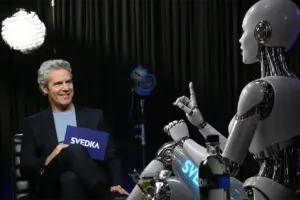
In the high-stakes theater of Super Bowl advertising, where thirty seconds of airtime can command upwards of $7 million, brands are increasingly grappling with a fundamental shift in consumer engagement. Svedka, the Sazerac-owned vodka powerhouse, has officially announced its return to the Big Game for Super Bowl 61 in 2027. This move follows a highly controversial 2026 debut, which utilized generative artificial intelligence to headline its iconic "Fembot" mascot—a campaign that drew significant scrutiny for its uncanny valley aesthetic and perceived lack of human touch.
In a radical pivot, Svedka is eschewing traditional agency-led creative direction in favor of a democratized approach. By launching a national competition that invites the public to conceptualize and craft their 15-second spot for the brand’s new "Svedka Vodka Water" line, the company is betting $500,000 that the collective ingenuity of its fanbase will outperform the algorithms of yesterday. This strategic reversal signals a broader industry trend: the transition from static, top-down messaging to interactive, community-driven content.
Detailed Chronology: The Evolution of a Brand Strategy
The 2026 AI Experiment: A Polarizing Debut
The 2026 Super Bowl marked a watershed moment for Svedka. Tasked with modernizing the "Fembot" identity—a character that has been central to the brand’s marketing since the early 2000s—the creative team turned to generative AI tools. The objective was to create a futuristic, high-octane visual experience that mirrored the digital-first habits of the brand’s core demographic.
However, the result was met with a chorus of skepticism. Critics argued that the AI-generated imagery felt sterile and detached, lacking the cultural resonance required to break through the "Super Bowl noise." For a brand that has historically relied on edgy, provocative, and distinctly human-centric advertising, the 2026 spot was viewed by many industry analysts as a bridge too far into the automation era.
The 2027 Pivot: Democratizing the Big Game
Recognizing the mixed reception of its previous outing, Svedka’s leadership team spent the subsequent months conducting post-mortems and consumer sentiment analysis. The consensus was clear: while the brand needed to maintain its reputation for innovation, it had lost the "human spark."
The announcement for Super Bowl 61, scheduled for February 2027, highlights a deliberate change in course. Rather than tasking an internal team or a large-scale agency with AI-assisted creative, Svedka is positioning itself as an enabler of consumer expression. The $500,000 prize represents one of the largest financial incentives for user-generated content (UGC) in Super Bowl history, effectively turning the brand into a platform for aspiring creators rather than just a product manufacturer.
Supporting Context & Metrics: The Rise of Vodka Water
The specific focus of the 2027 campaign is the promotion of "Svedka Vodka Water," a canned, low-calorie beverage that debuted in June 2026. This product launch is emblematic of the "canned cocktail" explosion that has disrupted the spirits industry over the last five years.
Market Context: The "Better-For-You" Wave
Data from the Distilled Spirits Council of the United States (DISCUS) suggests that consumers are increasingly migrating toward low-ABV and low-calorie options. Svedka Vodka Water is positioned directly against high-performing competitors like High Noon and various hard seltzer iterations. By utilizing the Super Bowl—the most watched broadcast event in North America—to amplify this product, Svedka is looking to capture the "conscious consumer" demographic, which prioritizes convenience and health-conscious ingredients without sacrificing the premium nature of a vodka-based drink.
The Economics of the $500,000 Prize
While $500,000 is a significant payout for a single winner, the economics of the campaign are highly efficient for Sazerac. By crowdsourcing the commercial, Svedka effectively offloads the cost of creative development, storyboarding, and high-level production to the public. Moreover, the contest itself acts as a massive marketing funnel, driving millions of social media impressions, user registrations, and brand interactions long before the actual game kicks off.
Official Statements and Industry Perspective
In a statement regarding the upcoming campaign, a Sazerac spokesperson noted, "Our 2026 debut was an exploration of what technology could do for a legacy brand. In 2027, we want to explore what our fans can do for us. We believe the best creative insights don’t come from a boardroom or an algorithm; they come from the people who actually drink our product."
Industry analysts, however, maintain a cautious optimism. "Svedka is playing a smart game by leaning into the ‘prosumer’ movement," says Elena Rodriguez, a senior analyst at Media Insights Group. "But they are taking a massive reputational risk. If the winning spot fails to land, or if the process feels rigged, the backlash will be significantly more severe than the criticism they faced for using AI. They are effectively asking the public to hold them accountable for the quality of their own brand image."
Furthermore, the involvement of a second, as-yet-unnamed Sazerac brand during Super Bowl 61 suggests that the parent company is looking to dominate the spirits category during the broadcast, signaling a massive reinvestment in television advertising as a primary growth driver for its portfolio.
Future Outlook: The Intersection of AI and UGC
The trajectory of Svedka’s advertising strategy raises profound questions about the future of brand storytelling. As generative AI becomes more accessible, the barrier to entry for high-quality production is collapsing. However, as Svedka learned, consumers are increasingly seeking "authenticity" as a counter-weight to digital perfection.
The Shift Toward Community-Led Branding
Moving forward, we can expect to see more brands following the Svedka model. The "Contest-as-Campaign" format solves three major problems for modern advertisers:
- Engagement: It turns passive viewers into active participants.
- Authenticity: It allows for a grassroots aesthetic that resonates more deeply with Gen Z and Millennial cohorts.
- Cost-Efficiency: It mitigates the high overheads of traditional agency retainers and production houses.
The Road to Super Bowl 61
As we approach the kickoff for Super Bowl 61, the focus will shift to the mechanics of the competition. Will the winning entry be a polished, cinematic masterpiece, or a raw, viral-style video that captures the zeitgeist? The success of this experiment will likely determine whether the "crowdsourced Super Bowl spot" becomes a standard feature of the advertising landscape or remains a risky, one-off outlier.
Svedka has effectively challenged the industry to reconsider the definition of "professional" advertising. By ceding control, they are signaling that in the modern digital age, the most powerful asset a brand possesses is not its proprietary technology, but its ability to listen to its audience. Whether this gamble pays off in sales for the Vodka Water line or results in another polarizing moment remains to be seen, but one thing is certain: all eyes will be on the screen when the winner’s spot airs, not just for the product, but for the story of how it was made.
The 2027 Super Bowl will serve as the ultimate test of this hypothesis, potentially ushering in a new era where the line between the consumer and the creative director is permanently blurred. For Svedka, the stakes have never been higher—or more public.