By Jake Peterson, Senior Technology Editor
October 9, 2026
Executive Overview
As the dust settles on the initial, somewhat turbulent launch of iOS 27—an operating system rollout that faced criticism regarding the stability of the flagship iPhone 18 Pro—Apple is shifting its focus toward iterative refinement. With the release of the iOS 27.2 beta, the Cupertino giant is signaling a pivot from the "big bang" feature drops of the initial release toward meaningful quality-of-life improvements and deep integration of its proprietary artificial intelligence, Apple Intelligence.
While iOS 27.2 does not represent a radical departure from the existing design language or architectural philosophy, it is a significant update for power users and those heavily invested in the Apple Health ecosystem. From the comprehensive redesign of the Health app to the linguistic expansion of Siri AI and the introduction of long-awaited multi-user profiles for the Apple TV app, iOS 27.2 serves as a "polishing" update. It addresses both the functional gaps left by previous iterations and the aesthetic complaints voiced by the early adopter community.
Detailed Chronology: From Beta to Ecosystem Integration
The journey of iOS 27.2 began in the wake of the iOS 27.0.1 emergency patches, which were necessitated by unforeseen glitches in the iPhone 18 Pro’s silicon-software handshake. Apple’s development cycle has been under intense scrutiny this year, with consumers demanding higher stability from the outset of major version releases.
The current beta phase for iOS 27.2 offers a window into Apple’s prioritization strategy. Following the initial release in September 2026, the company accelerated its internal testing cycles to bring parity to its global user base. The beta, currently accessible to those enrolled in the Apple Beta Software Program, represents a stable but experimental sandbox. As always, we urge users to perform a full encrypted backup of their device before proceeding, as the integration of new AI-driven health metrics and UI changes can occasionally lead to unexpected cache conflicts or battery drain during the indexing phase.
Supporting Context & Metrics: The Health App Revamp
Perhaps the most substantial change in this update is the total overhaul of the Health app. Apple has clearly identified the Health app as the cornerstone of its "Life-Long Integration" strategy.

The "Longevity" Framework
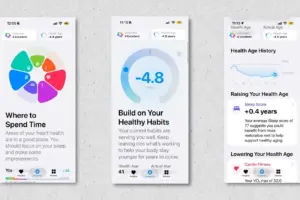
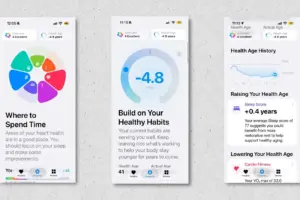
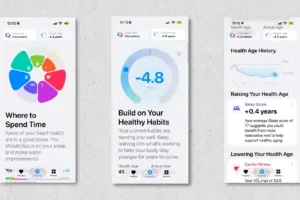
The new "Longevity" tab is not merely a dashboard; it is a diagnostic assistant. By consolidating metrics—metabolic health, heart rate variability, nutritional intake, and sleep architecture—into a single view, Apple is positioning the iPhone as the primary gatekeeper of a user’s biological data.
- The "Health Age" Metric: Utilizing proprietary algorithms, the app now calculates a "Health Age," a synthesis of VO2max, resting heart rate, and metabolic consistency. It provides a comparative baseline against demographic averages, encouraging behavioral adjustments.
- Computer Vision Fitness: A controversial yet fascinating addition is the integration of camera-based movement analysis. By utilizing the iPhone’s front-facing sensor array, the Health app can now monitor form during exercise, providing real-time feedback on flexibility, balance, and strength. This is a massive leap forward in democratizing professional-grade physical therapy metrics.
- Unified Fitness Rings: By collapsing the barrier between the Fitness app and the Health app, Apple has streamlined the user experience. You no longer need to switch contexts to see your daily movement goals; they are now front and center, integrated directly into your overall health profile.
Expanding Call Context
Apple Intelligence continues to refine the user experience by minimizing "context switching." The "Call Context" feature, which debuted with limited functionality, now serves as a personal CRM. By parsing information from your emails and calendar, the phone can surface relevant data during active calls. The addition of "Anniversary Alerts" is a nuanced, albeit slightly invasive, example of how AI can be leveraged for social management. If you are on a call with a contact for whom you have stored an anniversary or birthday, a discreet prompt appears, potentially saving the user from social faux pas.
Official Statements and Accessibility Milestones
Accessibility remains a pillar of Apple’s product development. The inclusion of native American Sign Language (ASL) support via a new FaceTime API is a major milestone that was initially slated for the 27.0 launch but delayed for further stability testing.
This API allows for a seamless "Human Interpreter" integration, where video calls can be bridged with professional interpretation services. This demonstrates Apple’s ongoing commitment to building a platform that doesn’t just cater to the majority, but actively removes communication barriers for the deaf and hard-of-hearing communities. While Apple has remained relatively quiet regarding the specifics of the backend implementation, the move aligns with their broader accessibility initiatives outlined earlier this year in their May 2026 developer conference.
Future Outlook: The Road Ahead
As we look toward the remainder of the 2026 product cycle, iOS 27.2 sets the stage for a more globalized AI experience.
Linguistic Expansion of Siri AI
The limitation of Siri AI to English at launch was a point of contention for international markets. By introducing support for French, Japanese, Korean, Portuguese, and Spanish, Apple is finally allowing its generative AI features to reach a global audience. This rollout will be the true test for Apple Intelligence; how well the language models handle the nuance and cultural context of these diverse tongues will determine the long-term success of the platform.

The UI Shift: A Return to Minimalism
The subtle UI changes in the Music and Clock apps suggest that Apple is listening to user feedback regarding its recent design choices. The removal of the "red accent" overload in the Music app is a welcome return to a more neutral, content-first aesthetic. It acknowledges that the UI should serve the media, not distract from it. Similarly, the changes to the Clock app—specifically the scaling of "AM/PM" text—show an attention to typographic hierarchy that has occasionally been missing in recent years.
The Missing Link: System-Level Profiles
While the Apple TV app now supports multi-user profiles, the industry consensus remains that Apple needs to implement system-level user profiles for iPads and, eventually, iPhones. Sharing a device in a household remains a friction point, and while the Apple TV app profile is a step in the right direction, it is ultimately a band-aid on a broader architectural limitation.
Conclusion
iOS 27.2 is an essential update that corrects the trajectory of the current software cycle. It balances the "flashy" AI features—like Call Context and health-based computer vision—with the "necessary" fixes, such as UI refinements and linguistic expansion.
For the average user, the update might seem subtle, but the cumulative effect of these changes is a more stable, more intuitive, and more inclusive experience. As we wait for the final public release, the beta version suggests that Apple is successfully navigating the balance between rapid innovation and the rigorous demands of its massive, global user base. Whether you are a fitness enthusiast looking to leverage the new Longevity metrics or a casual user hoping for a more polished Music app interface, iOS 27.2 offers something meaningful to every corner of the Apple ecosystem.