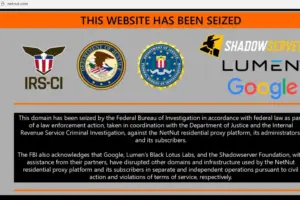
The sprawling, decentralized cybercrime ecosystem known as "ShinyHunters"—a name synonymous with some of the largest corporate data breaches and extortion campaigns of the past decade—has suffered a devastating series of operational and leadership blows. Law enforcement operations across the globe have dismantled core pillars of the enterprise, highlighted by the recent detention of an Amman, Jordan teenager suspected of operating under the hacker handle “Rey.”
According to multiple intelligence sources and international investigative reports, the suspect—identified as Saif Al-din Khader—was apprehended by Jordanian authorities and is currently cooperating with the Federal Bureau of Investigation (FBI). Khader’s arrest coincided with an aggressive, high-stakes extortion campaign targeting Jeppesen ForeFlight, a digital aviation and navigation subsidiary recently divested by aerospace giant Boeing.
This development intersects with the dramatic mid-September arrest in Amsterdam of 24-year-old Dutch cybercriminal Pepijn van der Stap, known formerly by the alias “Umbreon.” While Van der Stap’s capture was initially heralded as a major victory against financial data extortionists, subsequent investigative reporting by Dutch media outlets has linked him to chilling allegations of orchestrating overseas contract murders.
Together, these events paint a picture of a fractured criminal underground operating under the "franchised" moniker of ShinyHunters. No longer a tight-knit cooperative of original French threat actors, the modern ShinyHunters apparatus functions more like a decentralized syndicate of freelance hackers. These bad actors adopt legacy cybercrime brands to launder their reputations, negotiate multi-million-dollar ransoms, and carry out audacious attacks against critical infrastructure, high-profile corporations, and law enforcement agencies alike.
Detailed Chronology: The Escalation of the ShinyHunters Campaign
The modern iteration of the ShinyHunters saga gained unprecedented momentum in early 2026, driven by a mixture of zero-day exploitation, brazen public taunts, and an escalating war of attrition with international law enforcement agencies.
The PeopleSoft Zero-Day Exploit Campaign
In June 2026, threat actors associated with ShinyHunters began aggressively exploiting a critical software vulnerability (tracked as CVE-2026-35273) affecting PeopleSoft, Oracle’s widely deployed software-as-a-service (SaaS) platform utilized by global enterprises for human resources, recruitment, payroll, and benefits management.
Initial intelligence gathered by security vendor Mandiant revealed that the group’s primary objective was to breach the FBI’s own internal PeopleSoft database. While direct compromise of the FBI database was reportedly thwarted during the initial thrust, the broader campaign succeeded wildly. Threat actors utilized a well-documented URL-encoding trick to bypass mitigation rules deployed by Mandiant and other threat-intelligence providers.
By late September 2026, a joint report released by Mandiant and the Google Threat Intelligence Group (GTIG) confirmed that ShinyHunters had mass-exploited the PeopleSoft vulnerability. The attacks resulted in the unauthorized extraction of proprietary data across a diverse array of sectors, including higher education, technology, healthcare, agriculture, transportation, and government entities.
The FBI Data Breach and Contractor Fallout
The exploitation campaign reached a geopolitical crescendo when ShinyHunters successfully infiltrated the FBI’s recruitment portal via the Oracle vulnerability. The breach exposed sensitive, personally identifiable information belonging to more than 5,000 FBI personnel, including specialized unit designations, individual specializations, and confidential medical and psychiatric records.
The fallout was swift. On October 5, international reporting revealed that the FBI had terminated its relationship with an Accenture contractor responsible for maintaining and patching the compromised recruitment portal. The failure to apply timely security updates exposed glaring vulnerabilities in federal contractor oversight.
In a desperate bid to manage the public relations disaster, the FBI issued a formal flash notice (PSA260515) on May 15, warning organizations against paying ransoms to ShinyHunters and detailing the group’s aggressive harassment tactics—ranging from harassing phone calls and text messages to targeted "swatting" incidents and fabricated claims of possessing compromising personal media.
In a defiant response to the bureau’s advisory, representatives of ShinyHunters claimed in interviews with industry media that the attack on the FBI was executed specifically to counteract the agency’s "unprofessional and capricious" warnings, framing the breach as a calculated public relations exercise to reassert their technical dominance.
The Arrest of "Rey" and the Boeing Extortion Nexus
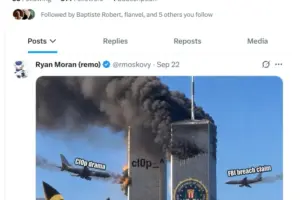
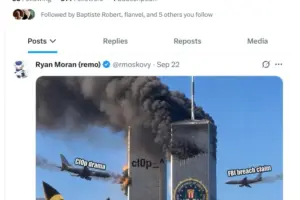
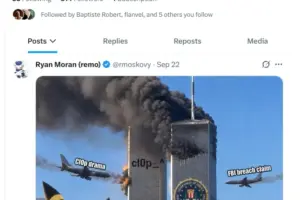
As the dragnet closed around the hackers, attention shifted toward Amman, Jordan, where Saif Al-din Khader ("Rey") had allegedly taken administrative control of the ShinyHunters apparatus. Following the mid-September arrest of Pepijn van der Stap in Amsterdam, Rey seized control of the group’s digital branding. Utilizing social media platforms like Twitter/X, he deployed a series of taunting memes and imagery associated with Van der Stap’s former alias, "Umbreon," in an amateurish attempt to frame the Dutchman for simultaneous breaches of the FBI and the Cl0p ransomware gang.
Behind the bravado, however, Rey’s operational security was disintegrating. According to sources familiar with the international investigation, the FBI’s pursuit of ShinyHunters accelerated dramatically when the group began extorting Jeppesen ForeFlight, a digital aviation navigation unit recently divested by Boeing. The stolen data posed significant operational safety and security risks, prompting immediate trans-national intervention.
On October 3, international news agencies confirmed that Khader had been detained by Jordanian law enforcement and was actively cooperating with the FBI to identify remaining co-conspirators.
Supporting Context & Metrics: The Anatomy of a Cybercriminal Franchise
To understand how a teenage hacker from Amman managed to seize control of a globally recognized extortion brand, security analysts point to the evolution of modern ransomware and data-theft groups.
The "Dread Pirate Roberts" Franchise Model
The original core members of ShinyHunters—predominantly French nationals—were largely rounded up and imprisoned by European law enforcement following campaigns dating back to 2019. However, the brand itself did not die. Instead, it transitioned into a franchise model.
Much like the fictional "Dread Pirate Roberts" from The Princess Bride, where succession is determined by the fall of a predecessor rather than continuity of identity, the ShinyHunters moniker became a marketable banner. Freelance threat actors, independent affiliates, and youthful cybercriminals began purchasing legacy PGP keys, forum access, and infrastructure footprints. They used these assets to negotiate extortions on behalf of disparate cybercriminal cliques, typically taking a 25% to 30% cut of any successfully negotiated ransoms.
Quantifying the Damage
While exact financial losses are difficult to aggregate across decentralized campaigns, intelligence assessments indicate the following metrics define the modern ShinyHunters ecosystem:
Billions of Records: Cumulative historical breaches attributed to the collective over its operational lifespan involve billions of leaked individual data points.
Global Sector Impact: The Oracle PeopleSoft exploitation campaign impacted dozens of enterprise networks across government, higher education, healthcare, technology, and commercial transport.
Targeted Personnel Exposure: Over 5,000 federal law enforcement personnel records were compromised in the FBI portal breach alone.
Extortion Margins: Affiliates operating under the banner historically negotiated ransom demands ranging from hundreds of thousands to millions of dollars per corporate victim.
Official Statements & Industry Responses
The cascading developments surrounding the arrests of Khader and Van der Stap have drawn formal responses from major corporate and aviation stakeholders caught in the crosshairs.
Boeing and Jeppesen ForeFlight
Boeing acknowledged the extortion attempt directed at its former subsidiary, emphasizing that the breach concerned data associated with Jeppesen ForeFlight. Boeing previously sold the aviation navigation unit to private equity firm Thoma Bravo in November 2025 for $10.55 billion.
"We are aware of claims by a threat actor regarding data allegedly associated with Boeing and our former subsidiary Jeppesen ForeFlight," a Boeing spokesperson stated. "Estamos actively reviewing the matter with the Jeppesen ForeFlight team."
Jeppesen ForeFlight issued a reassuring statement regarding its production environment:
"Based on our investigation to date into this claim and proactive security posture, there was no impact to our operations or products."
Security Vendor Assessments
Mandiant and Google GTIG underscored the systemic risk posed by enterprise SaaS platforms. Their joint advisory noted that automated, mass-exploitation campaigns targeting foundational software like Oracle PeopleSoft represent an escalating threat vector that bypasses traditional perimeter defenses.
Meanwhile, the broader cybersecurity community has closely monitored the fallout from the Dutch police raid on Pepijn van der Stap’s residence—a dramatic operation utilizing flash-bang grenades in Amsterdam’s Rivierenbuurt district. Neo Security, the cybersecurity firm that had employed Van der Stap as an "offensive security lead" following his initial release from prison, confirmed that outside forensic investigators found no evidence that he had compromised his employer’s internal systems or client networks during his tenure.
Future Outlook
The simultaneous neutralization of key actors within the ShinyHunters network marks a pivotal turning point in international cybercrime enforcement, yet it also highlights the persistent vulnerability of global supply chains.
Erosion of Brand Trust in Cybercrime: The public unmasking of "Rey" as an opportunistic teenager—and the subsequent internal infighting documented on underground Telegram channels like "The Battle"—demonstrates that the psychological aura of invincibility surrounding elite hacking groups is rapidly deteriorating. When threat actors turn on each other, doxing rivals (such as Rey’s public exposure of Cl0p ransomware developers), law enforcement gains critical intelligence advantages.
Heightened Scrutiny on Software Supply Chains: The Oracle PeopleSoft zero-day exploitation serves as a sobering reminder that vulnerabilities in enterprise resource planning (ERP) and human capital management (HCM) systems remain high-value targets. Organizations can no longer rely solely on perimeter security; continuous automated patch management and rigorous validation of third-party contractor access controls—such as those highlighted by the Accenture-FBI breach—are mandatory.
The Professionalization of Threat Intelligence Collaboration: The unprecedented level of cooperation between Jordanian authorities, the FBI, Dutch law enforcement, and private-sector threat intelligence groups signals a more agile, cross-border investigative framework. As international warrants and detentions disrupt the upper echelons of decentralized syndicates, cybercriminal franchising will likely face increasingly severe operational friction.
Ultimately, while the arrest of Saif Al-din Khader and Pepijn van der Stap removes two volatile agents from the threat landscape, the underlying economic incentives of corporate data extortion ensure that new iterations of autonomous hacker collectives will continue to emerge from the shadows.