Executive Overview
Following the monumental, global box-office triumph of this spring’s biographical drama Michael, Hollywood studio Lionsgate has officially confirmed that development is actively underway on a high-profile sequel. The announcement, delivered by Lionsgate Motion Picture Group Chair Adam Fogelson during a high-stakes corporate earnings call on Thursday, signals the continuation of what is shaping up to be one of the most lucrative and culturally significant cinematic franchises of the decade.
The first installment, directed by acclaimed filmmaker Antoine Fuqua, captivated audiences worldwide, crossing the coveted $1 billion threshold at the global box office. Despite closing its narrative arc at the conclusion of the iconic 1987 Bad World Tour, the film left theatergoers with a powerful teaser: the words "His Story Continues" flashed across the screen, telegraphing the studio’s grand design to chronicle the remainder of the enigmatic superstar’s complicated life and career.
Lionsgate is eyeing a production start date in late 2026 or early 2027, with targeted release windows pointing toward late 2027 or the first half of 2028. While the studio has yet to formally greenlight the project or finalize concrete budget parameters, executives are already evaluating previously filmed sequences, unreleased musical numbers, and complex biographical material that had to be left on the cutting-room floor during the turbulent production of the original film.
As Lionsgate prepares to spearhead this massive cinematic undertaking, the industry watches closely. The sequel promises not only to deliver the high-octane musical spectacles that audiences crave, but also to confront the deeper, more controversial chapters of Michael Jackson’s legacy—a narrative terrain fraught with legal hurdles, intense public scrutiny, and profound artistic triumphs.
Detailed Chronology: From Concept to the Billion-Dollar Milestone
The journey of bringing Michael Jackson’s life to the silver screen has been characterized by decades of false starts, unfulfilled studio bids, and intense negotiations. Long before Antoine Fuqua took the helm, various studios attempted to capture the lightning-in-a-bottle phenomenon of the King of Pop’s existence, only to be stymied by the sheer scope of his life, the intricacies of his estate, and the polarizing nature of his personal history.
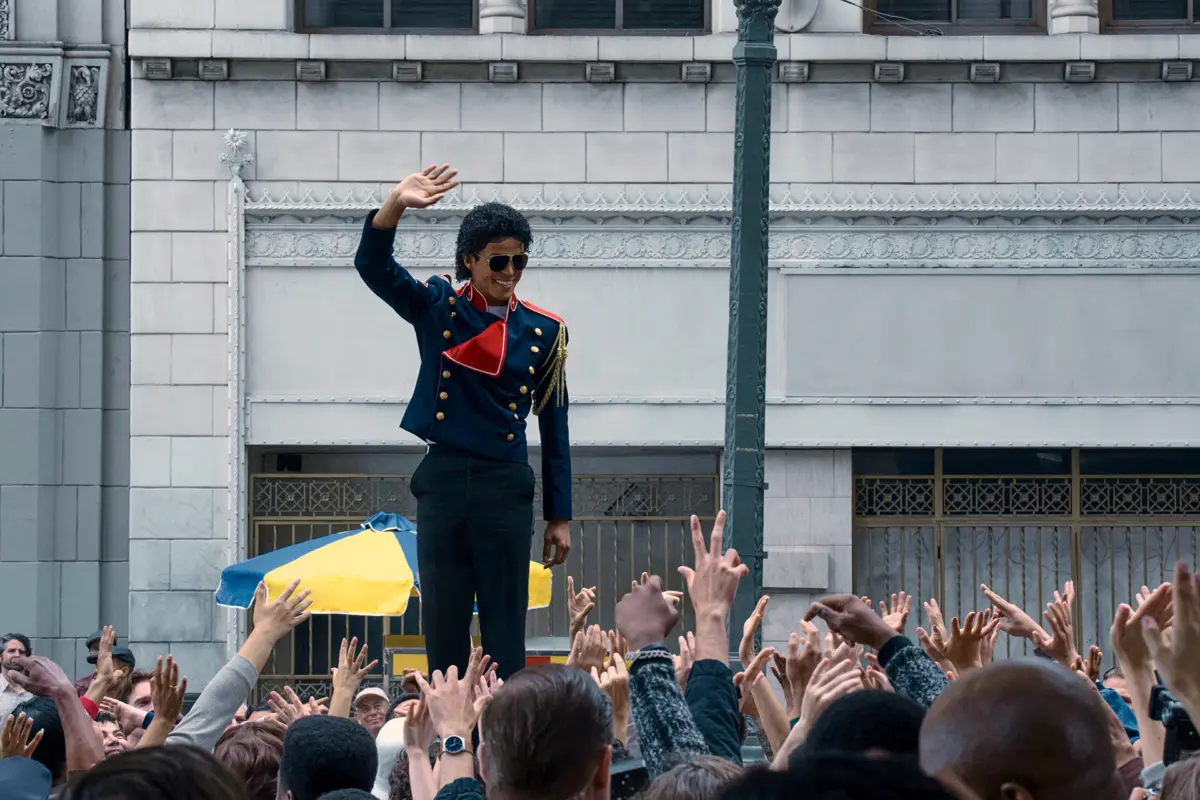
When Lionsgate finally secured the rights and assembled a creative coalition—including producer Graham King, who previously spearheaded the Academy Award-winning Queen biopic Bohemian Rhapsody—the stakes could not have been higher. Casting the lead role proved to be an exhaustive global search, which ultimately culminated in the selection of Jaafar Jackson, the real-life nephew of the late pop icon. Possessing an uncanny resemblance, vocal cadence, and physical mastery of Jackson’s signature dance moves, Jaafar anchored the first film with a performance that silenced early skeptics.
Michael traced the trajectory of its subject from the nascent days of the Jackson 5 in Gary, Indiana, through the dizzying heights of Thriller, and straight through the creative zenith of the late 1980s. The film celebrated Jackson’s revolutionary contributions to pop culture, breaking music video paradigms and shattering racial barriers on MTV. However, as production drew to a close, internal and external pressures began to mount.
The film’s theatrical release in the spring of defied industry expectations. Propelled by word-of-mouth, nostalgic fervor, and dazzling choreography, it swept through international markets, eventually joining the rare echelon of films to clear $1 billion globally. Yet, even as the champagne corks popped at Lionsgate corporate headquarters, insiders knew that the story told on screen was only half of the narrative. The studio’s parting promise—“His Story Continues”—was not merely a clever marketing gimmick; it was a foundational declaration of intent for an imminent sequel.
Supporting Context & Metrics: Navigating Controversy and Creative Pivot
The road to the sequel is paved with complex legal maneuvers and editorial compromises that defined the production of the first film. Originally, Antoine Fuqua and his creative team intended to weave the myriad controversies of Jackson’s adult life directly into the fabric of the narrative, including the intense scrutiny and allegations of child sexual abuse that shadowed the singer from the early 1990s until his passing in 2009.
However, a sudden and disruptive legal dispute derailed those plans late in the production cycle. Attorneys representing the Michael Jackson Estate uncovered a historic legal clause embedded within a previous settlement agreement involving one of Jackson’s historical accusers. This clause explicitly barred any commercial dramatization or depiction of the specific accusations in cinematic media. Faced with the threat of injunctions and prolonged litigation, the filmmakers were forced to execute a frantic narrative pivot. Major dramatic blocks addressing the allegations were excised, requiring emergency re-tooling of the script to focus predominantly on Jackson’s artistic output, his humanitarian efforts, and his astronomical rise to fame.
This eleventh-hour truncation left behind a trove of high-budget assets. During Thursday’s earnings call, Adam Fogelson acknowledged that this cut material—particularly lavish, large-scale musical sequences meticulously captured by the crew—will serve as a vital creative springboard for the upcoming sequel.
"We have a number of sequences, particularly some big musical sequences, that were shot previously, that are almost sure to be incorporated," Fogelson remarked. By repurposing these high-production-value segments, Lionsgate hopes to optimize its financial expenditure while delivering the scale and spectacle expected of a billion-dollar brand.
Furthermore, the sequel will inevitably have to tackle the post-1987 era, a period defined by monumental creative output such as the Dangerous and HIStory albums, alongside unprecedented global superstardom juxtaposed against escalating personal isolation, health struggles, and intense legal battles. Whether the legal framework surrounding the estate will permit a nuanced exploration of these later controversies remains one of the industry’s most closely guarded questions, but the sheer market demand for a comprehensive cinematic biography ensures that pressure will remain high on all stakeholders.
Official Statements and Corporate Strategy
During the financial briefing addressing Lionsgate’s Q2 performance, Adam Fogelson maintained a measured, highly strategic stance regarding the studio’s pipeline. While Wall Street analysts pressed for detailed financial metrics, budgets, and release timelines, Fogelson emphasized fiscal responsibility paired with creative ambition.
"We are mostly focused right now on how to make sure we can deliver, at the right price, the biggest, best sequel," Fogelson stated during the call. "That is what the audience is going to want and deserve after the experience we gave them the first time."
When queried specifically about financial allocations and production budgets, Fogelson noted that the studio is exercising deliberate caution: "I’m not ready to give guidance on the budget yet." This cautious approach underscores Lionsgate’s broader corporate strategy. In an era where studio blockbusters face increasingly volatile theatrical windows and skyrocketing production costs, leveraging pre-shot assets from the first film allows Lionsgate to mitigate financial risk while maximizing profit margins on a proven intellectual property.
The corporate endorsement of a sequel also reflects profound confidence in the drawing power of the Jackson cinematic universe. By establishing a clear timeline—targeting cameras rolling by late 2026 or early 2027 and setting a theatrical window for late 2027 to mid-2028—Lionsgate is signaling to investors that the studio’s growth strategy relies heavily on tentpole franchises capable of dominating international box offices.
Future Outlook: What Lies Ahead for the King of Pop’s Legacy on Screen
As Lionsgate moves forward with pre-production planning, the cultural ramifications of the Michael franchise continue to reverberate throughout the entertainment industry. The success of the first film proved that audience appetite for theatrical biographies of musical legends remains insatiable, provided the production values match the legendary status of the subjects.
However, the impending sequel faces a unique set of challenges. Replicating the $1 billion global benchmark is a notoriously difficult feat for any follow-up, let alone one that must navigate the darker, more disputed waters of Jackson’s later years. The filmmakers will walk a tightrope: satisfying a global fan base that demands hagiographic celebration while meeting journalistic and artistic obligations to portray a complete, unvarnished portrait of a deeply complicated icon.
Key questions remain to be answered in the coming months:
- Directorial Continuity: Will Antoine Fuqua return to direct the sequel, or will Lionsgate bring in a new creative voice to helm the later, more turbulent chapters of Jackson’s life?
- Cast Expansion: While Jaafar Jackson is widely expected to reprise his role, casting decisions regarding the key figures of Jackson’s adult life—including managers, family members, and legal teams—will be subject to intense public interest.
- Resolution of Legal Boundaries: How the estate and the legal teams will navigate the sensitive depictions of the 1990s and 2000s without breaching historical settlement clauses remains a critical legal frontier for the production.
For now, Lionsgate is methodically laying the groundwork. With a tentative production schedule locked in and a treasure trove of pre-shot musical numbers waiting in the studio vaults, the machinery behind Michael 2 is officially in motion. As the cameras prepare to roll once more, the world watches to see how Hollywood will frame the final, complex acts of the King of Pop’s extraordinary life.