The digital marketing landscape in 2026 has encountered a significant inflection point. As AI-generated content floods social feeds, algorithms have adapted, leaving traditional organic growth tactics increasingly ineffective. Business owners across various sectors report noticeable drops in organic reach, heightened competition for consumer attention, and diminishing returns on high-production creative assets.
In response to this shifting ecosystem, leading digital strategists—including Ellen Mackenzie, in collaboration with Social Media Examiner founder Michael Stelzner—have outlined a modernized, three-part marketing framework designed to convert casual viewers into long-term revenue. This approach balances raw, human-centric organic content with operational systems and a simplified Meta paid advertising model.
Rather than competing against volume-driven AI algorithms or high-budget studio media, this strategy prioritizes authenticity, repeatable operational workflows, and machine-learning-driven paid acceleration. By reallocating resources toward candid visual storytelling and data-backed ad structures, businesses can regain momentum and secure consistent conversions despite shifting platform dynamics.
The 2026 Paradigm Shift: Why Legacy Instagram Strategies Are Failing
To understand the core components of this updated model, it is necessary to examine the platform shifts that defined the early months of 2026. The primary catalyst behind declining organic performace is the saturation of AI-synthesized media. Consumers have developed a heightened sensitivity to overly scripted, automated, or artificially polished posts. When audiences sense that content lacks a real human foundation, engagement drops precipitously.
+-----------------------------------------------------------------------------------+
|                            THE 2026 INSTAGRAM LANDSCAPE                           |
+-----------------------------------------------------------------------------------+
|  CHALLENGES                                  |  STRATEGIC ADAPTATIONS             |
|  * AI Content Flooding & Consumer Distrust   |  * Low-Fidelity, Human-Centric Visuals |
|  * Declining Organic Reach Across Sectors    |  * Systematic Content Batching         |
|  * High Production Costs yielding Low ROI   |  * Broad Meta Ad Targeting + Machine AI|
+-----------------------------------------------------------------------------------+
Concurrently, Instagram’s deployment of features such as "Trial Reels"—which allow creators to private-test two to four variant hooks and formats before publishing to their primary grid—has changed content distribution dynamics. While Trial Reels offer valuable data for testing messaging variants, they have also fueled a significant rise in overall content volume. Consequently, the traditional advice to simply "make better content" is no longer enough on its own; creators now require a combined strategy that integrates structural workflow efficiencies with conversion-focused paid amplification.
Detailed Framework Breakdown: The Three-Pillar Instagram Strategy
         +-------------------------------------------------------------+
         |              THE THREE-PILLAR INSTAGRAM SYSTEM              |
         +-------------------------------------------------------------+
                                        |
         +------------------------------+------------------------------+
         |                              |                              |
         v                              v                              v
+------------------+          +-------------------+          +-------------------+
|  1. AUTHENTIC    |          |  2. SUSTAINABLE   |          |  3. SIMPLIFIED    |
|     CONTENT      |          |     SYSTEMS       |          |     PAID ADS      |
|  * Casual visuals|          |  * Bi-weekly print|          |  * 1-1-3 Ad model |
|  * Off-angle reels|         |  * Daily habits   |          |  * Broad target   |
|  * AI as editor  |          |  * Focus on saves |          |  * CPL AI alerts  |
+------------------+          +-------------------+          +-------------------+
Pillar I: Producing Natural-Feeling Content
The foundation of the 2026 growth framework centers on a shift in design philosophy: moving from engineered, highly curated brand aesthetics toward low-fidelity, unpolished visual narratives.
1. Visual Aesthetics and Formatting
Curated Canva templates, color-coordinated grids, and formal corporate video shoots are increasingly yielding lower engagement compared to candid, real-life photography overlaid with clean text. High-performing organic formats now feature:
Aspect Ratios: A standardized 4:5 image ratio designed to maximize mobile screen real estate.
Typography: High-contrast, minimal fonts (e.g., black text over white panels or raw photos) prioritizing readability over stylized graphic branding.
2. Reels Production Tactics
Video content strategies must overcome the artificial tone often adopted when recording on camera. Recommended execution methods include:
Off-Angle Framing: Setting recording devices slightly off to the side to capture subjects naturally engaged in routine work tasks—such as a florist preparing arrangements or a consultant hosting a client call—rather than speaking directly into a lens.
The "30-Second Cut" Rule: Discarding the first 30 seconds of footage. Broadcasters frequently begin recordings with artificial "presenter energy" or long introductions. Splicing directly into the middle of a thought creates a more immersive, candid viewer experience.
3. AI as a Strategic Collaborator, Not a Content Generator
While generative AI tools can create synthetic media, top creators limit AI to ideation and editing support. Using platforms like Anthropic’s Claude, strategists train custom models on years of their own writing, proprietary frameworks, and industry insights. The creator provides raw voice notes, client observation notes, or specific positions; the AI model then structures, formats, and refines these concepts into clear carousels or short-form scripts without faking human experience.
Pillar II: Building Sustainable Operational Systems
Growth requires consistency, but attempting to match the posting volume of full-time media companies often leads to operational burnout. The 2026 framework establishes scalable production protocols tailored for small teams and solopreneurs.
+-----------------------------------------------------------------------------------+
|                       BI-WEEKLY PRODUCTION CYCLE WORKFLOW                         |
+-----------------------------------------------------------------------------------+
| DAY 1: CONTENT BATCHING SPRINT                                                    |
| Block calendar -> Zero meetings -> Film Reels, YouTube & Podcast -> Photo Assets  |
+-----------------------------------------------------------------------------------+
| DAY 2: EDITING & COMPOSITION                                                      |
| Assemble 4:5 Carousels -> Overlay simple text -> Schedule across distribution grids|
+-----------------------------------------------------------------------------------+
1. Production Batching
Rather than creating content daily, teams can operate on a bi-weekly production cycle:
Day 1 (Video & Image Capture): A blocked production day without client meetings. Focuses on capturing raw video clips, long-form podcast recordings, YouTube assets, and lifestyle photo sets.
Day 2 (Editing & Composition): Dedicated to organizing carousels, trimming raw video feeds, and scheduling finalized assets.
2. Workflow Integration and Micro-Routines
To maintain a steady supply of authentic media assets without interrupting daily operations, businesses can deploy two tactical routines:
Habit-Stacked Filming: Attaching content collection to established daily routines—such as filming morning setup processes, daily workspace preparations, or informal, unscripted commentary recorded in a single location every morning.
Hourly Capture Triggers: Setting repeating hourly reminders during working hours to capture quick, candid photos of immediate tasks (e.g., packing orders, reviewing documents, grabbing coffee). These snapshots form a versatile stock library for text-over-image carousels.
3. Recalibrating Performance Metrics
To properly evaluate content resonance in 2026, organizations must pivot away from vanity metrics.
+-----------------------------------------------------------------------------------+
|                              METRIC EVALUATION TIER                               |
+-----------------------------------------------------------------------------------+
|  HIGH PRIORITY (Conversion & Value Signals)                                        |
|  * Direct Comments (Triggers automated funnel integrations like ManyChat)         |
|  * Content Saves (Indicates long-term utility and instructional value)            |
|  * Direct Shares (Demonstrates high social relevance and peer endorsement)      |
+-----------------------------------------------------------------------------------+
|  LOW PRIORITY (Deprecating Relevance)                                             |
|  * Passive Likes (Decreasing consumer usage across demographics)                  |
|  * Impressions without Interaction (High reach without revenue impact)            |
+-----------------------------------------------------------------------------------+
Comments: Signal explicit consumer interest and drive interactive automation flows (e.g., direct-message funnel tools like ManyChat).
Saves: Demonstrate long-term informational value, signaling strong educational or strategic utility to the algorithm.
Shares: Measure direct word-of-mouth distribution across private messaging networks.
Likes: Treated as low-priority indicators due to changing user habits across demographic segments.
Pillar III: Amplifying Proven Content via Simplified Meta Paid Ads
Once an organic baseline is established, paid advertising serves as an amplification layer. Placing budget behind unproven creative or inconsistent accounts often wastes marketing capital. Modern ad strategy relies on streamlining campaign structures and trusting Meta’s machine-learning infrastructure.
+-----------------------------------------------------------------------------------+
|                         SIMPLIFIED META AD CAMPAIGN STRUCTURE                     |
+-----------------------------------------------------------------------------------+
| CAMPAIGN LEVEL    |  Single Objective (e.g., Lead Generation for Offer X)          |
|                   |                                                               |
| AD SET LEVEL      |  Broad Targeting Parameters Only                              |
|                   |  * Target Geography (e.g., US, Canada)                        |
|                   |  * Age Bracket (e.g., 25–54) & Gender                         |
|                   |  * Zero manual interest-stacking (Relies on Meta AI)          |
|                   |                                                               |
| AD CREATIVE LEVEL |  3 Variants of Proven Organic Posts                           |
|                   |  * Organic Variant A | Organic Variant B | Organic Variant C     |
+-----------------------------------------------------------------------------------+
1. Strategic Advantages over Organic Distribution
Paid Meta placements resolve two structural limitations inherent to current organic reach:
Direct Hyperlinking: Allows single-tap access to external landing pages, direct checkout routes, and lead capture forms—bypassing organic visual friction.
Geographic Containment: Prevents reach mismatches (such as North American businesses organically distributing primarily to international non-buyer regions) by establishing strict targeting parameters.
2. The Streamlined "1-1-3" Campaign Architecture
Instead of managing complex ad accounts with dozens of overlapping micro-targeted ad sets, modern best practices favor a simplified structure:
One Campaign: Aligned directly with a specific conversion goal or lead-magnet asset.
One Ad Set: Broad targeting parameters restricted only by country, broad age range, and gender. Interest-stacking is largely removed, letting Meta’s contextual delivery engine optimize distribution.
Three Ad Creatives: Direct promotions of existing organic posts that have already shown strong comment and save performance.
3. Automated Monitoring and Budget Rules
To manage ad spend efficiently, marketers can build automated monitoring scripts or custom AI prompts. By connecting tracking dashboards to threshold parameters (e.g., maximum target Cost Per Lead), these tools can instantly alert managers or halt ad sets when a creative asset exceeds cost thresholds, preventing ad fatigue and budget waste.
Supporting Context, Benchmarks & Field Case Studies
The operational shift toward unpolished visual messaging and simplified paid structures is supported by performance data across multiple markets.
Case Study A: The "Yap Challenge" Narrative Campaign
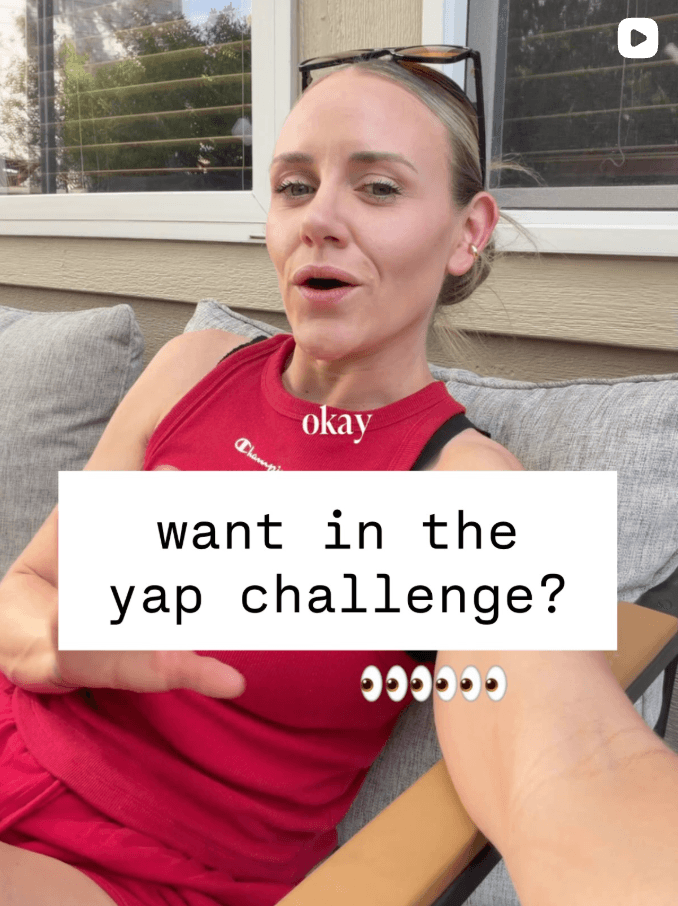
Creator and entrepreneur JessiJeanHome introduced the "Yap Challenge," an unscripted video series encouraging participants to speak candidly on camera about real business struggles and personal journeys. Over two consecutive product launch windows, this approach yielded over $7 million in US sales. The results highlight growing consumer demand for unscripted, human-first communications over slick promotional content.
Case Study B: Graphic-Heavy vs. Low-Fidelity Testing
In recurring side-by-side split tests conducted by Ellen Mackenzie:
Heavily Designed Graphic Carousels: Showed consistent drops in overall reach, comment volume, and save rates.
Unpolished Visuals: A casual mobile photo featuring a weekend café snapshot achieved over 50,000 views—more than double the account’s total organic follower base—generating high engagement and direct sales inquiries.
Case Study C: High-Volume Organic Scale at 400,000 Followers
Financial media brand FriendsThatInvest built an audience exceeding 400,000 followers using informal carousels. By pairing unedited photos of daily life, cooking, and travel with clear text overlays, the channel consistently outpaces heavily formatted finance portals in retention, comment engagement, and save metrics.
Expert Insights and Strategic Perspectives
Platform Dynamics and AI Skepticism
"Instagram’s algorithm in 2026 has undergone one of the most significant shifts in the platform’s history, driven largely by a flood of AI-generated content that often lacks depth… Audiences are actively questioning whether content is human-generated. When that suspicion takes over, the actual message gets lost entirely."
— Ellen Mackenzie, Instagram Marketing Strategist
Re-evaluating Content Creation Advice
"For the first time, I’ve had to temper the classic advice of ‘just focus on making better content.’ The playing field has genuinely shifted, requiring creators to combine unpolished organic content with operational consistency and simplified ad support."
— Ellen Mackenzie
Decoupling Analytics from Emotional Performance
"Approaching analytics requires emotional distance. Lower view counts on a post aren’t evidence of personal failure—they are data indicating what did not resonate. Maintaining an analytical mindset prevents frustration from affecting future content quality."
— Industry Framework Guidelines
Future Outlook: Key Takeaways for Business Leaders
As social media algorithms continue to evolve throughout 2026 and into 2027, the gap between traditional media production and effective digital marketing will likely widen further. Brands that over-invest in static visual perfection risk alienating consumers who value transparency, direct access, and raw narrative context.
+-----------------------------------------------------------------------------------+
|                        STRATEGIC ROADMAP FOR 2026 & BEYOND                        |
+-----------------------------------------------------------------------------------+
|  PHASE 1: CONTENT REACTION                                                        |
|  Pivot creative direction toward raw, 4:5 aspect ratio visuals with simple text   |
+-----------------------------------------------------------------------------------+
|  PHASE 2: OPERATIONAL EFFICIENCY                                                  |
|  Implement bi-weekly content sprints; track saves and high-intent comments       |
+-----------------------------------------------------------------------------------+
|  PHASE 3: MACHINE-LEARNING AMPLIFICATION                                          |
|  Deploy 1-1-3 Meta Ad structures using top organic assets and broad targeting     |
+-----------------------------------------------------------------------------------+
Strategic Action Items for Marketing Teams:
Audit Production Spend: Reallocate resources away from expensive studio setups and templated graphics toward agile, authentic photo and video capture.
Standardize Modern Metrics: Update performance reporting to prioritize high-intent interactions—such as saves, direct messages, and automated comment responses—over superficial likes and raw view counts.
Simplify Meta Ad Accounts: Restructure ad accounts around broad targeting, letting platform algorithms optimize delivery while using high-performing organic assets as ad creatives.
Deploy AI Responsively: Use AI models as behind-the-scenes research and editing partners rather than automated substitutes for real human experience.
By aligning content strategies with these platform realities, organizations can insulate their digital channels against algorithmic drops, lower client acquisition costs, and build sustainable revenue models for the modern social web.