Publisher: Focus Entertainment Developer: Asobo Studio Release Date: August 27 Formats: PlayStation 5 (reviewed), Xbox Series X/S, PC
Executive Overview
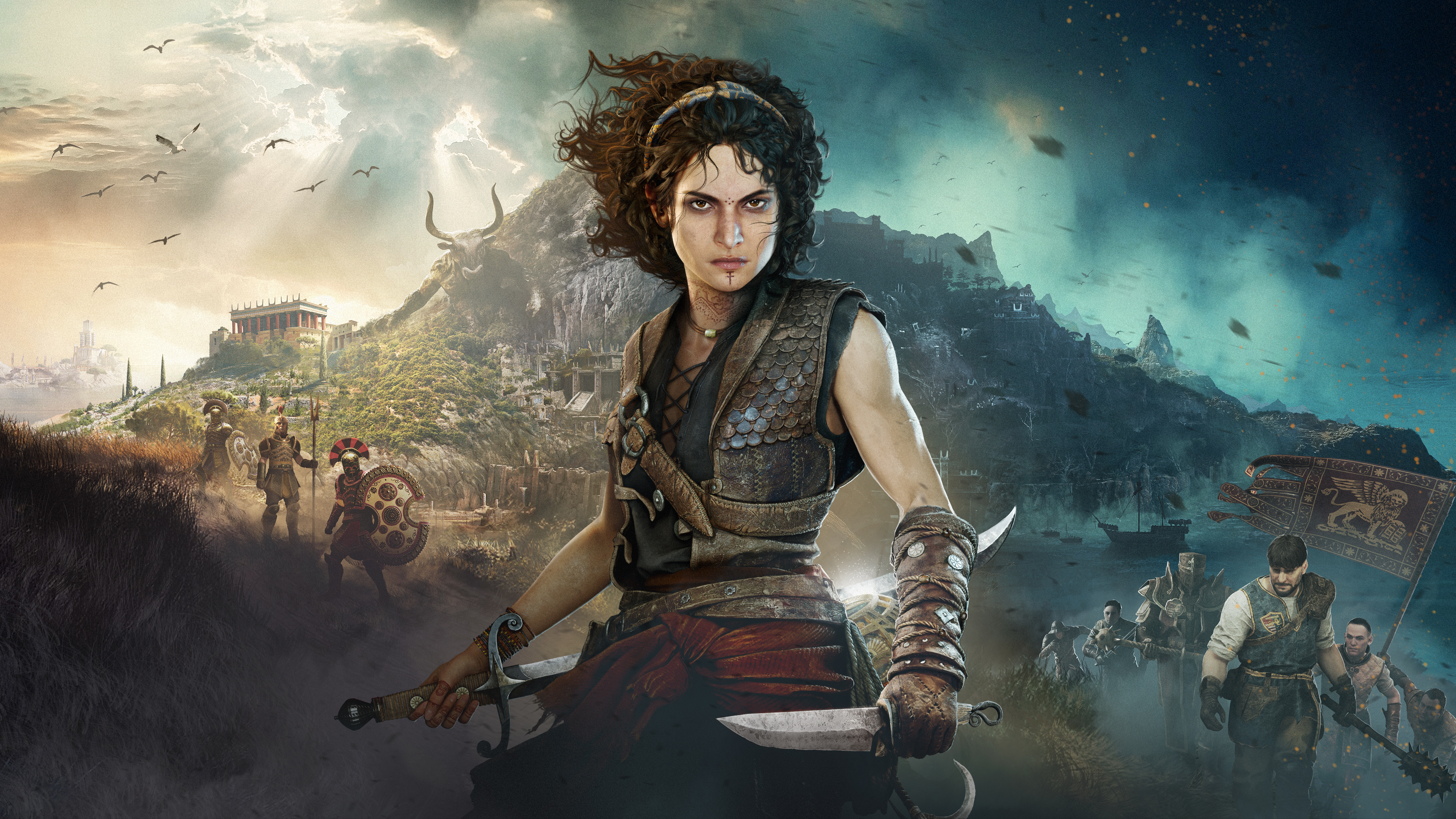
When Asobo Studio first announced that Sophia—the charismatic pirate introduced in A Plague Tale: Requiem—would be stepping into the protagonist’s role for a prequel titled Resonance: A Plague Tale Legacy, a wave of skepticism rippled through the gaming community. Armed with a blade and a suite of close-quarters combat maneuvers, Sophia’s introduction threatened to steer the beloved narrative-driven stealth series away from its roots. Fans worried that the carefully cultivated blend of medieval misery, psychological horror, rat-swarm survival, and environmental puzzle-solving would be sacrificed on the altar of generic action games, turning a poignant historical tragedy into a 14th-century God of War.
Fortunately, those fears were unfounded. Resonance proves that Asobo Studio understands the beating heart of its franchise. While the newly introduced melee combat is functionally sound, it ultimately plays a secondary role to the atmospheric exploration, intricate light-based puzzles, and a deeply moving emotional narrative. Set against the sun-bleached, mythological backdrop of ancient Minoan ruins, Resonance successfully balances its new gameplay elements with the series’ signature psychological dread. Far from being a misstep, this bold departure evolves the franchise meaningfully, cementing Resonance as one of the standout video game releases of the year and arguably the strongest entry in the series to date.
Detailed Chronology: From Carefree Plunder to Descending Horror
A Swaggering Beginning
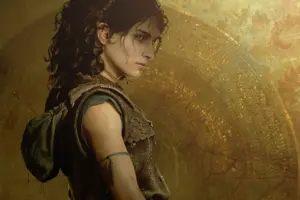
Resonance serves as a prequel to both A Plague Tale: Innocence and Requiem, following Sophia as she sails toward a mysterious island tied to King Minos to uncover long-buried truths about her past. From the opening moments, Sophia establishes herself as a stark contrast to the series’ previous protagonist, Amicia. Brimming with pirate swagger, confidence, and physical dexterity, Sophia treats the early stages of her expedition almost like an adventure. Accompanied by her companion Leni, the early hours of the game possess an infectious, lighthearted energy. Players are encouraged to revel in the thrill of unearthing ancient secrets alongside a protagonist who feels genuinely excited to be there.
The Shift into Dread
However, Asobo Studio masterfully pulls the rug out from under the player. As Sophia delves deeper into the Minoan ruins, the environment transforms. Visions, dark secrets, and supernatural forces begin to manifest, stripping away Sophia’s initial bravado. Her emotional arc is handled with remarkable nuance; she transitions from curiosity to stark terror, remorse, and a sobering realization that some ancient horrors cannot simply be outsmarted or stabbed away.
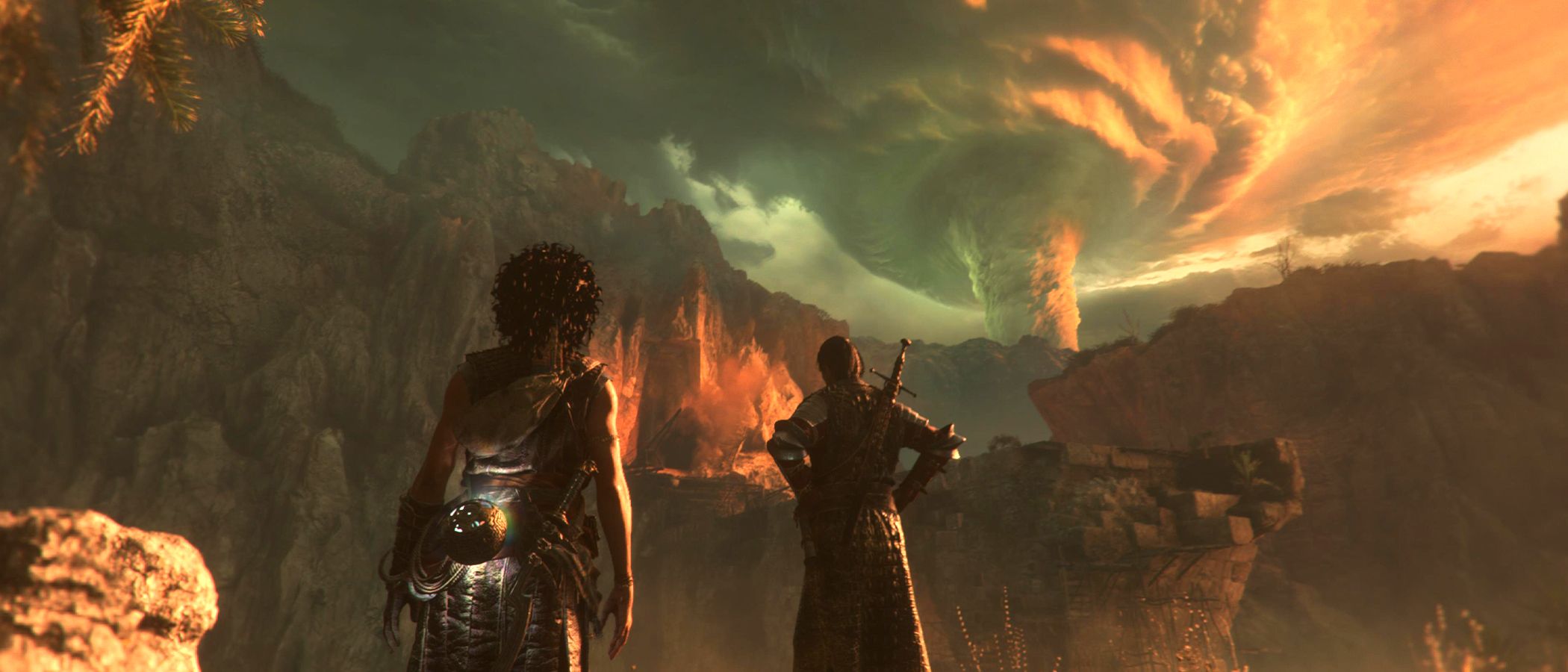
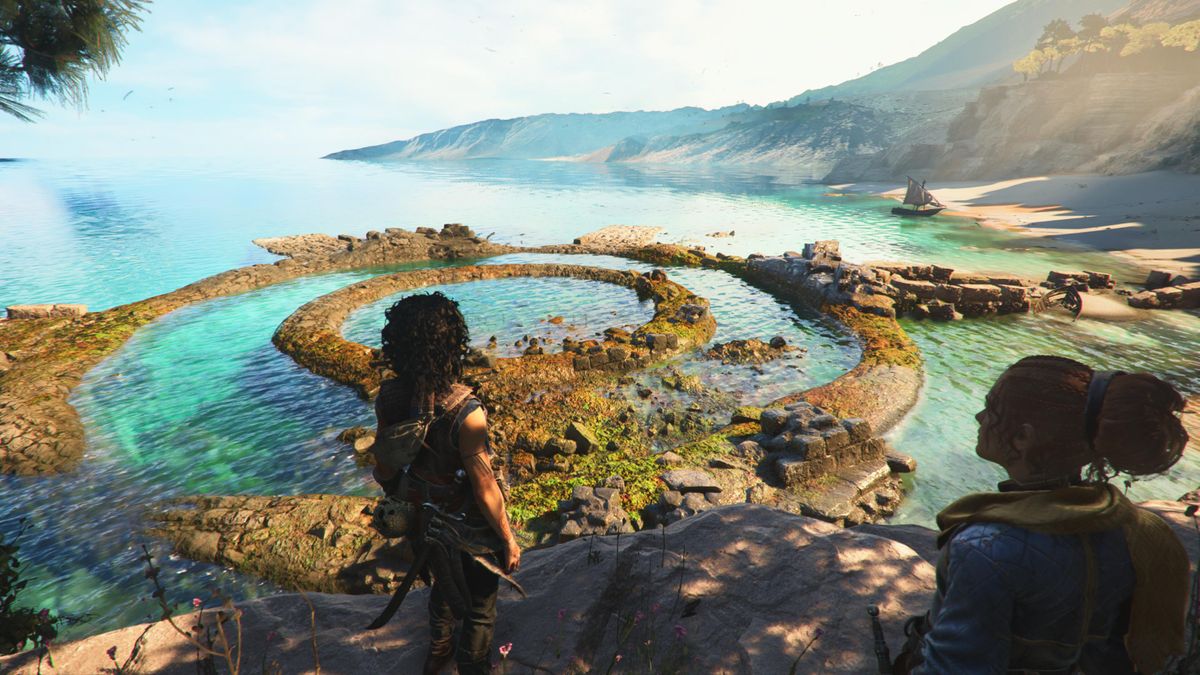
This psychological degradation is visually mirrored in the game’s world design. The opening hours present breathtaking vistas—brilliant blue skies, clear coastal waters, sunlit sandy ruins, and colossal statues of antiquity. Yet, as the narrative darkens, these open spaces give way to claustrophobic tombs and catacombs. Here, the walls crawl with the diseased, organic tendrils of the Macula, turning grand architectural triumphs into festering, biologically corrupted nightmares. A late-game scene where a golden sunrise catches orange temple rocks highlights this juxtaposition: the world is impossibly beautiful, making the rot underneath feel all the more visceral and disturbing.
Supporting Context & Mechanics: Evolution Through Risk
Combat: Competent, But Secondary
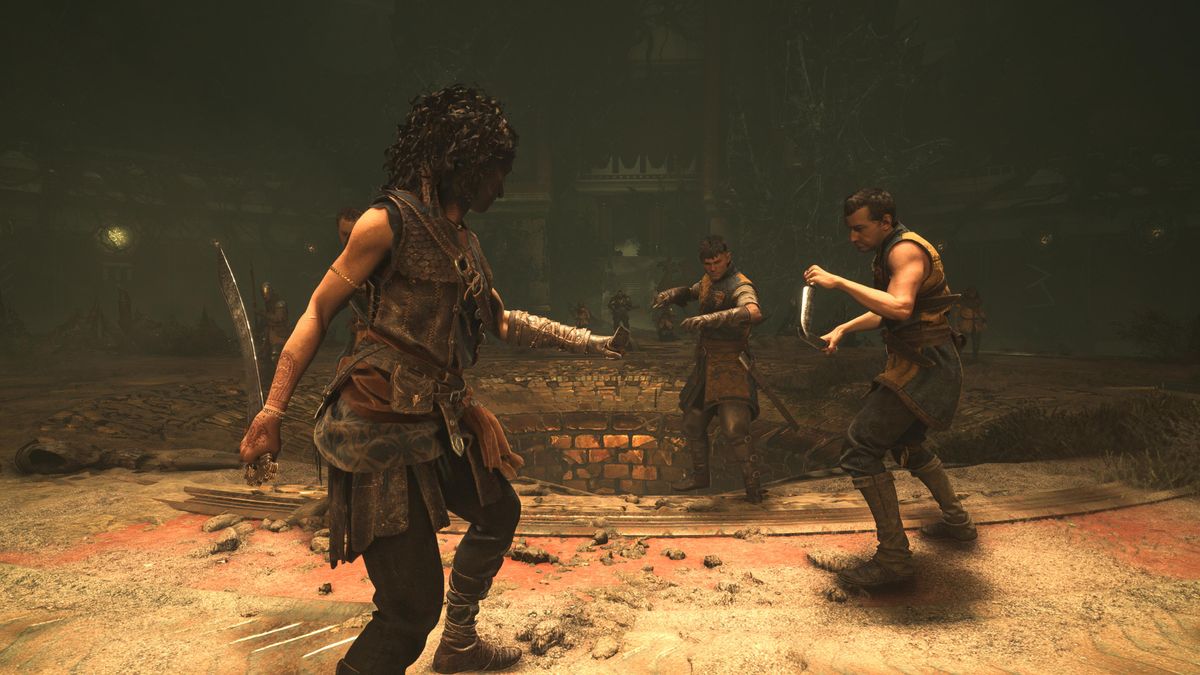
Asobo’s inclusion of sword combat is well-implemented without ever feeling revolutionary. Sophia is a nimble fighter, utilizing a predictable yet satisfying rhythm of parrying, dodging, and using the environment to her advantage—such as kicking enemies off bridges or into structural chasms. Combat revolves around breaking enemy posture, whether by stunning a shield-bearer with a thrown object or delivering a heavy counter-attack. A straightforward upgrade tree grants Sophia enhancements like faster dodges and double-kicks, alongside hidden weapons that offer unique buffs and debuffs (such as a broken spearhead that pierces shields at the cost of mobility).
Yet, when compared to action titles like Devil May Cry or God of War, Resonance’s swordplay feels basic. Even during the game’s "vision resonances"—gladiatorial trials where Sophia relives Theseus’ battles centuries prior—the combat mechanics do little to evolve beyond standard parry-and-counter loops. But this is precisely why it works: combat is never allowed to dominate the experience. It is merely one texture among many.
Exploration and Environmental Puzzles
Exploration channels a medieval Tomb Raider vibe. Equipped with grapple hooks, Sophia scales crumbling cliffs, discovers hidden tombs, and triggers ancient mechanisms. While the environmental path is often linear, Asobo’s peerless artistic eye makes the journey consistently captivating.
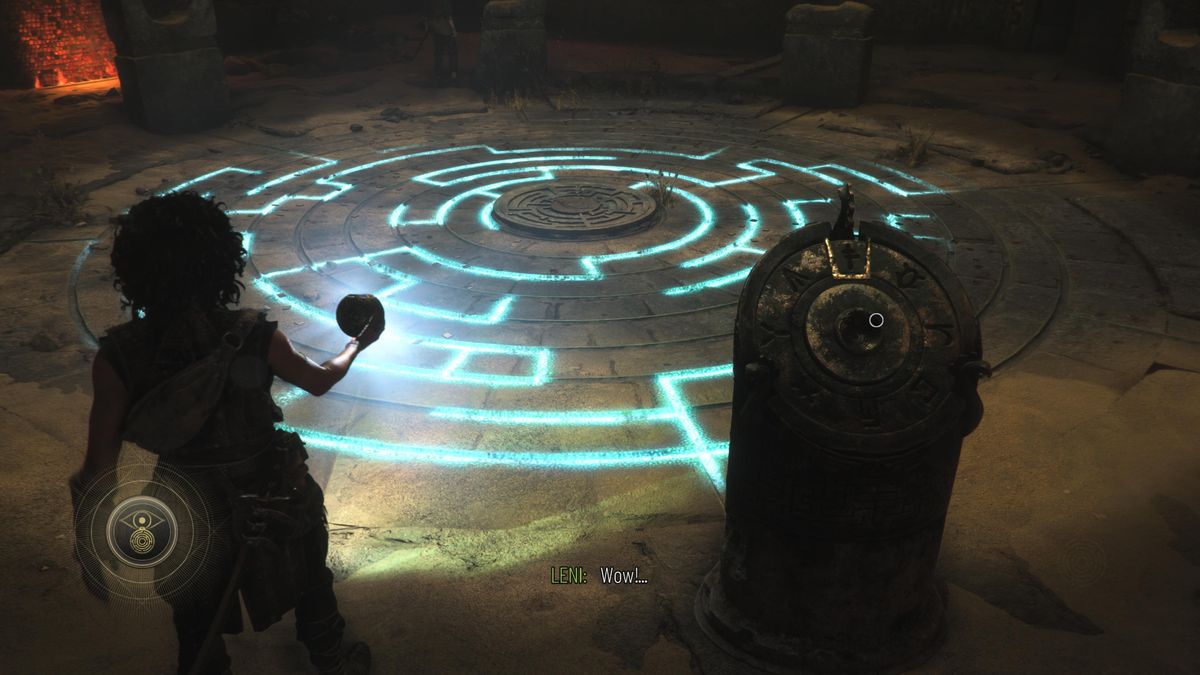
Puzzles similarly build upon series traditions. The primary mechanic revolves around an ancient golden sphere that Sophia upgrades over time. It functions as a prism to refract colored light, uncover hidden inscriptions, and eventually focus intense beams for environmental manipulation. While these puzzles rarely induce hair-pulling frustration—only two instances truly demand intense deliberation—they tie together seamlessly with the game’s thematic obsession with light and shadow.
The New Antagonist: Dust, Worms, and Tension
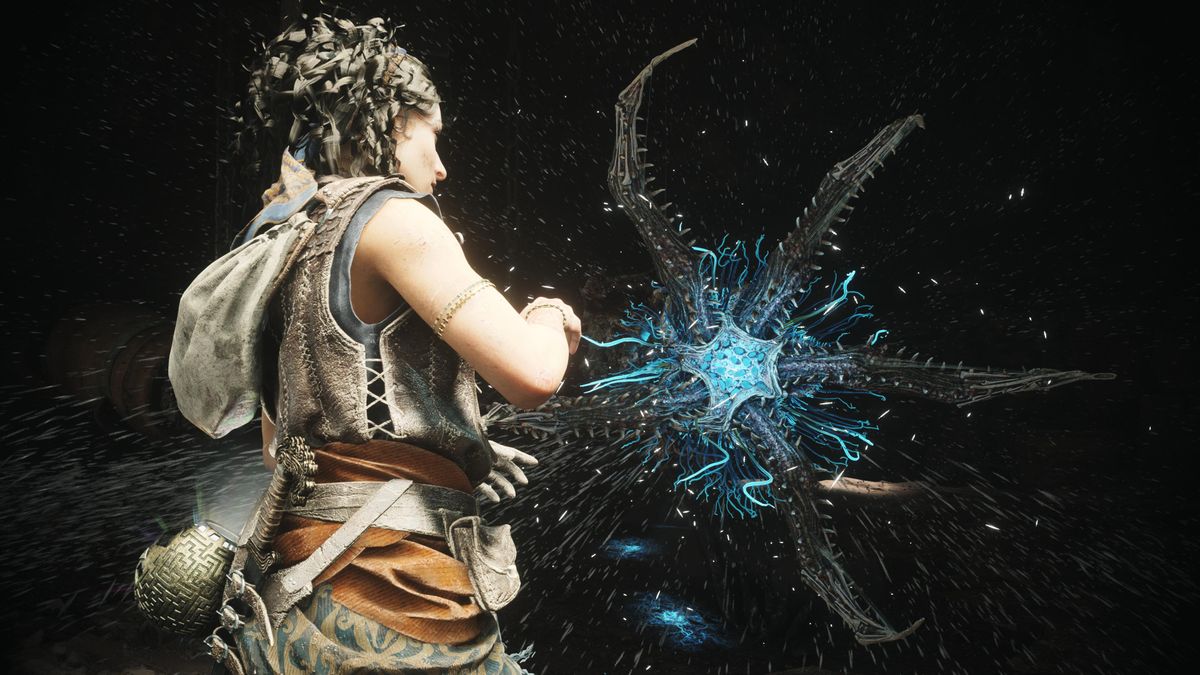
When Resonance intends to genuinely frighten the player, it entirely discards combat and leans heavily back into stealth. This is best exemplified by the game’s new environmental threat: a worm-like manifestation of the Macula that tracks Sophia through fluorescent dust coating the Minoan tombs.
As Sophia moves, she inadvertently kicks up glowing particles. The creature tracks these dust trails, hunting her relentlessly. When it draws near, the game’s physics engine visually sucks the ambient dust particles through the air toward the beast, accompanied by a chillingly urgent, rhythmic breathing sound design. Players must carefully manage their footing:
Lighting cauldrons creates temporary safe havens.
Crouching and moving slowly leaves no dust trails behind.
Leaping across structural gaps temporarily breaks the tracking line.
Later in the campaign, this horror escalates further with the introduction of desiccated, crusted figures that mimic static environmental dressing before cracking to life and pursuing the player. Making a single misplaced noise near these mannequin-like horrors guarantees a swift and gruesome demise, maintaining the suffocating tension that fans of the franchise adore.
Official Statements and Design Philosophy
In developer diaries and post-launch reflections, Asobo Studio emphasized that Resonance was designed to test the boundaries of what an A Plague Tale title could be without abandoning its foundational DNA.
"We wanted to give players a different kind of hero and a different texture of fear," noted lead developers during early showcases. "Amicia was defined by her desperate need to protect her brother in a world that hated them. Sophia begins from a place of selfish curiosity and plunder, only to learn that history holds weights no individual can easily carry. The mechanics had to reflect that emotional journey—starting with the swagger of a blade and ending with the breathless silence of hiding from the dark."
Focus Entertainment echoed these sentiments, highlighting that taking creative risks on prequel narratives allows established IPs to expand their creative horizons without feeling creatively bankrupt or overly repetitive.
Future Outlook: A Bolder, Stranger Horizon
Resonance: A Plague Tale Legacy succeeds because it refuses to play it entirely safe, yet refuses to lose its identity. It proves that a franchise can successfully integrate action mechanics and new protagonist archetypes without sacrificing the atmospheric dread, emotional vulnerability, and artistic beauty that defined its predecessors.
For Asobo Studio, the critical and commercial reception of Resonance sets a thrilling precedent. By expanding the lore to ancient Greece and Minoan mythology, the developers have successfully proven that the universe of A Plague Tale is not bound strictly to medieval France and rat-filled plague towns. It is a sprawling, supernatural, and deeply tragic world capable of supporting diverse historical eras and narrative tones.
As the credits roll on Sophia’s harrowing journey, Resonance leaves Asobo Studio with a much bigger, stranger, and infinitely more versatile sandbox to explore in future installments. If this is the direction the franchise is heading, the future of A Plague Tale has never looked brighter—or more terrifying.