Executive Overview
Pop culture and domestic design have a long, storied history of colliding in unexpected ways, yet few could have predicted the stylistic seismic shift currently threatening to upend the interior design landscape of 2026. Enter Wicker, an upcoming cottagecore Frankenstein feature from Black Bear Pictures that has inadvertently birthed the most unhinged, viral, and unexpectedly lucrative aesthetic movement in recent memory: "Wickercore."
At the center of this burgeoning cultural obsession is a ligneous, deeply committed Alexander Skarsgård, whose performance as a bespoke, hand-woven husband with the stamina of an ancient oak has sent shockwaves across social media. The film—starring Olivia Colman as a lonely fisherwoman who commissions a local basketmaker to weave her a companion—has not only left audiences weak at the knees upon the release of its trailer, but it has also triggered a windfall for purveyors of osier, rattan, and cane furniture.
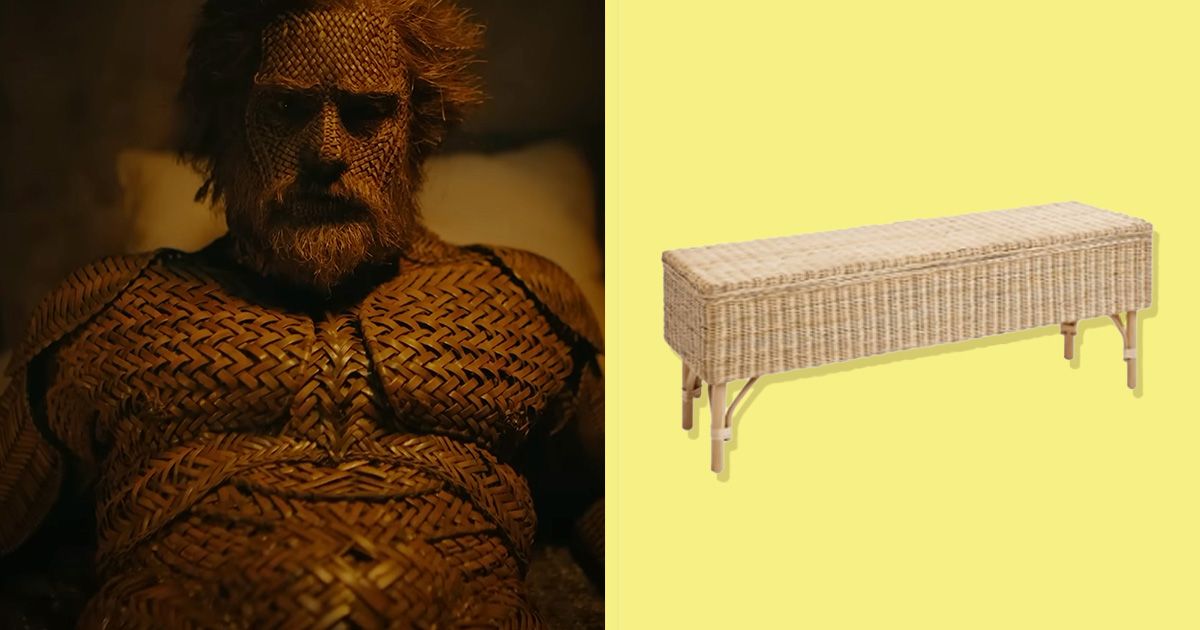
Seizing the zeitgeist with characteristic agility, Swedish flat-pack giant IKEA has vaulted to the forefront of the movement. By rapidly pivoting its marketing to frame its plant-derived product lines as "made from husband material," the retailer has turned sustainable home goods into racy, tongue-in-cheek bedroom accessories. As the film prepares for its theatrical release this October in the US and the UK, industry analysts, brand strategists, and pop-culture commentators are tracking what promises to be the defining interior design craze of the mid-2020s. This report provides a comprehensive analysis of the Wicker phenomenon, tracing its trajectory from a quirky cinematic premise to a global retail sensation, examining the mechanics of its viral marketing success, and forecasting the long-term implications for the home decor sector.
Detailed Chronology: From Script to Screen to Storefront
To understand how a folk-horror-adjacent romance about a woven botanic groom became the catalyst for a retail frenzy, one must examine the precise sequence of events that brought Wickercore into the mainstream consciousness.

The Genesis of Wicker
The project originated within the stables of Black Bear Pictures, developed as a subversive, folk-infused take on the classic Frankenstein mythos. The narrative premise is deceptively quaint yet profoundly bizarre: set in a remote coastal community, a solitary fisherwoman (played by Academy Award winner Olivia Colman) feels the heavy toll of isolation. In a bid for companionship, she enlists a local artisan skilled in the ancient craft of basketry to weave her a husband from organic, plant-based materials.
Production stills and early teasers kept details tightly under wraps until the official trailer dropped, revealing Alexander Skarsgård completely transformed. Encased in an intricate, artisanal suit of woven willow, rattan, and osier, Skarsgård’s "twig groom" is remarkably expressive despite his ligneous anatomy. The juxtaposition of high-concept folk-horror surrealism with a surprisingly sincere, romantic dynamic immediately captivated digital audiences. The internet, predictably, lost its collective mind.
The Digital Spark and Viral Ascendancy
Within hours of the trailer’s debut across YouTube and Instagram, social media feeds were flooded with reaction content, memes, and impassioned commentary regarding Skarsgård’s woody physique. The film’s official Instagram account leaned heavily into the discourse, sharing tongue-in-cheek updates—most notably describing the character as "study [sturdy] and supportive," a comment that amassed tens of thousands of likes and effectively endorsed the internet’s cascading affection for organic fibers.
IKEA’s Lightning-Fast Response
Recognizing the viral momentum, IKEA’s agile marketing team—globally renowned for capitalizing on unexpected pop-culture moments, such as their rapid-fire responses to Cristiano Ronaldo’s bottled water incident and the viral "lonely monkey" meme—moved with lightning speed.
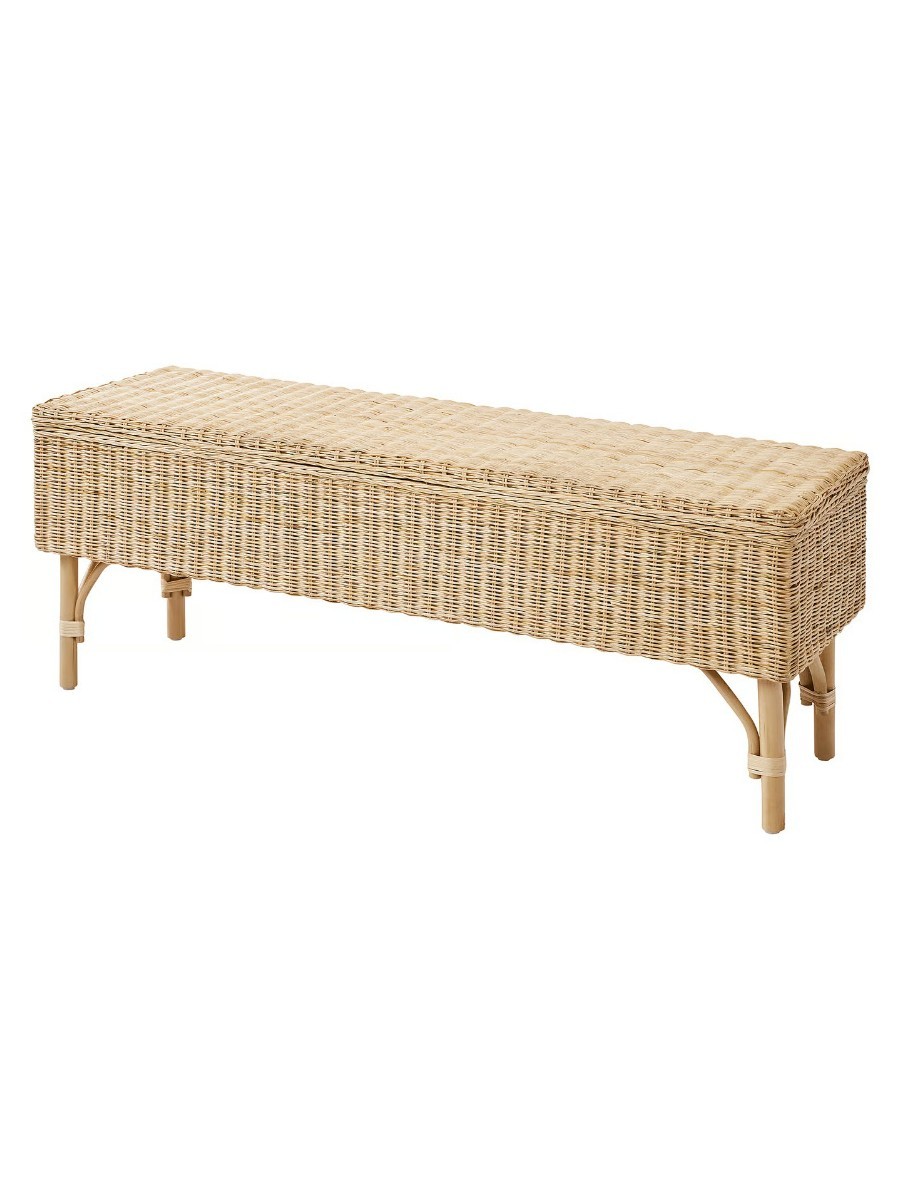
The company dusted off its existing Tolkning bench and broader rattan collections, reframing them on social media with the unforgettable caption: "If you know, you know. Made from husband material." The post featured a curated nod to the film’s central conceit, instantly connecting the dots between flat-pack home organization and cinematic lust. The cross-pollination was instantaneous; the post racked up thousands of engagements, earned a direct repost from Black Bear Pictures, and established IKEA as the premier purveyor of unofficial Wicker-inspired home goods.
Supporting Context & Metrics: The Anatomy of Wickercore
While rattan, cane, and bamboo have enjoyed steady resurgences over the past several seasons under the broader umbrella of sustainable and biophilic design, Wicker has accelerated these trends into hyperdrive. Industry insiders are now coining the term "Wickercore" to describe a maximalist, tactile approach to natural-fiber decorating that favors texture, organic irregularity, and a slightly rustic, rustic-romantic sensuality.
Market Impact on Plant-Derived Materials
Retail analysts specializing in home furnishings note that consumer searches for terms such as "handmade rattan," "willow baskets," and "cane headboards" have spiked exponentially following the trailer’s release. Suppliers of osier and sustainably harvested forest products anticipate a significant fourth-quarter windfall.
The appeal of Wickercore lies in its tactile duality: it offers a sense of earthy grounding and sustainability while simultaneously tapping into a playful, tongue-in-cheek sex appeal generated by the film’s marketing. Consumers are no longer just buying storage solutions; they are investing in statement pieces that carry cultural cachet.
IKEA’s Curated Wickercore Collection
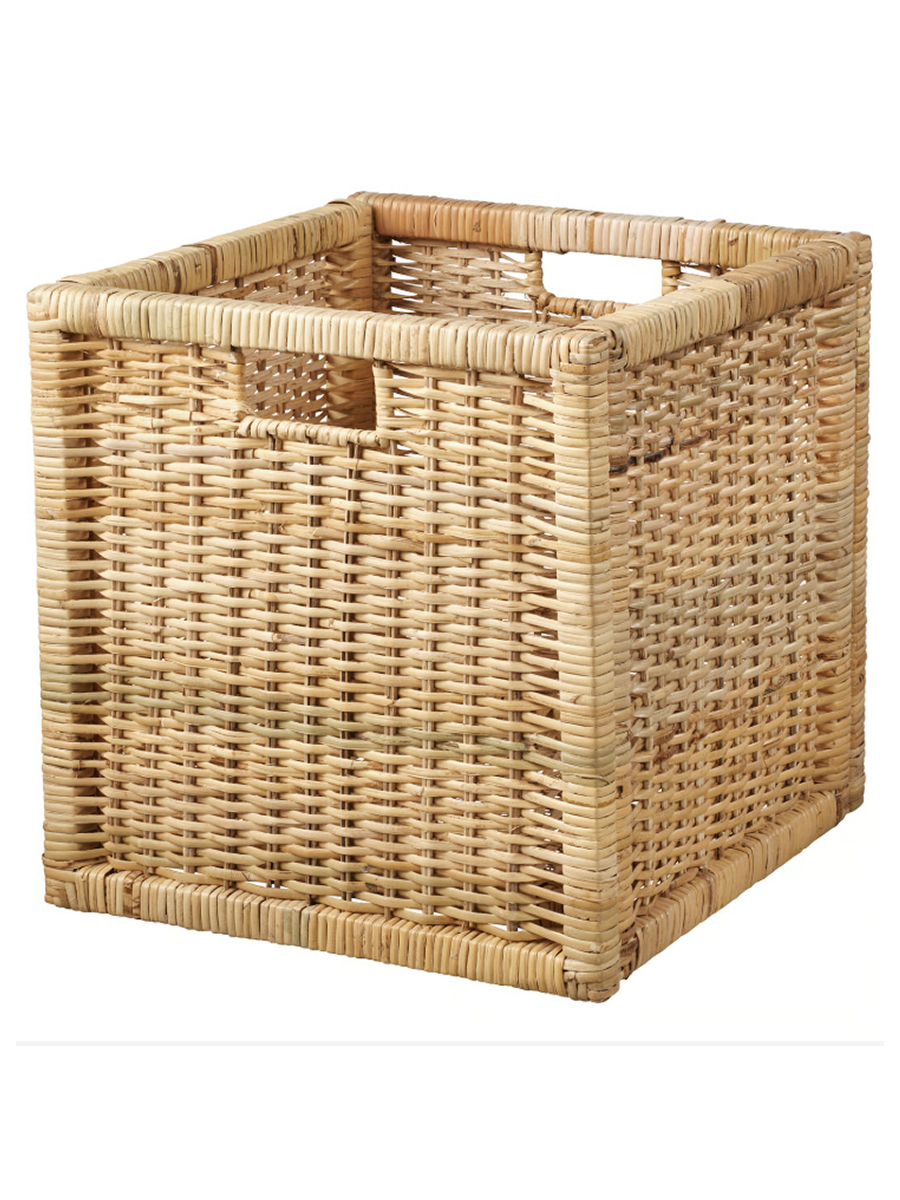
Capitalizing on this momentum, IKEA has directed consumer traffic toward its most tactile, plant-derived product lines. Key items currently driving the trend include:
- IKEA Tolkning Bench with Storage: A handmade rattan piece that combines structural integrity with rustic charm, ideal for entryways or foot-of-the-bed styling.
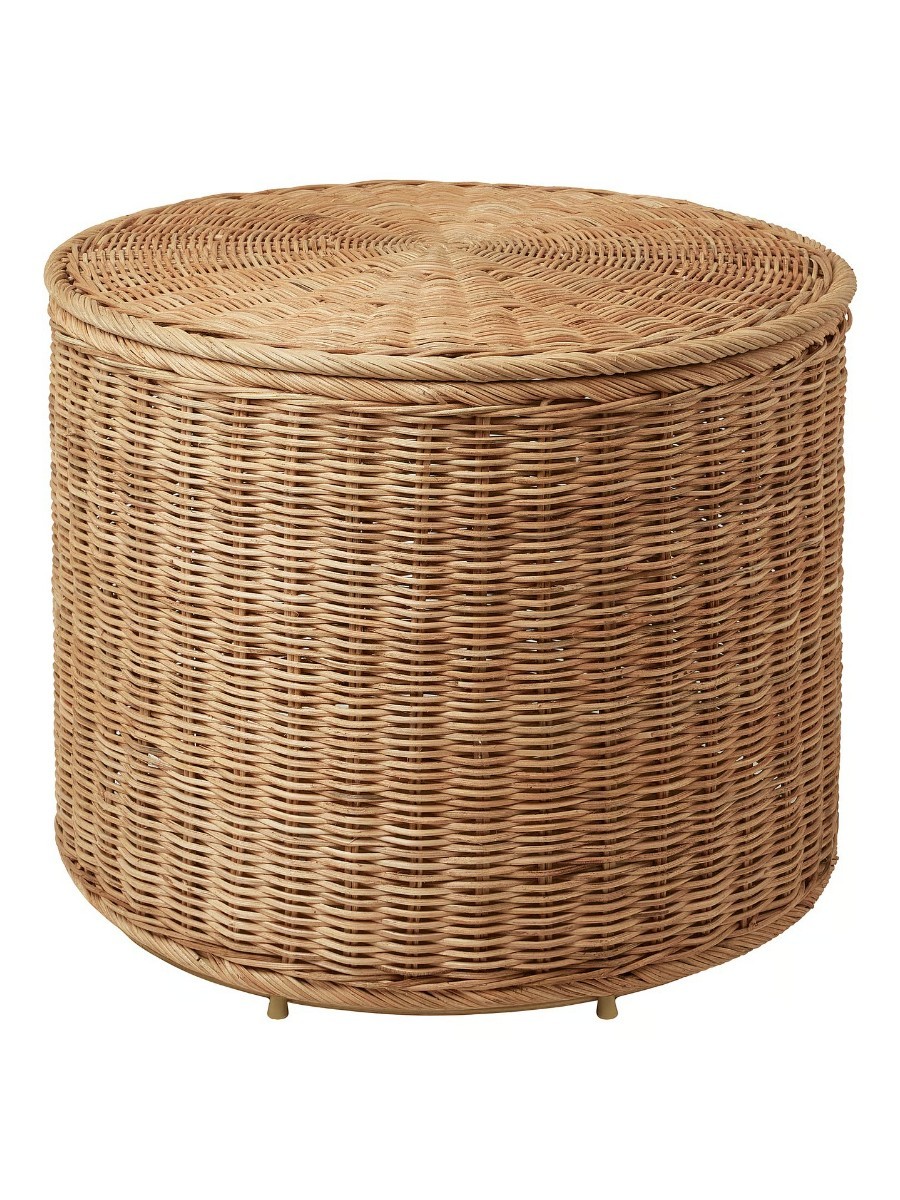
- IKEA Tolkning Pouf with Storage: A versatile, organic seating option that emphasizes hand-woven artisanal craftsmanship.
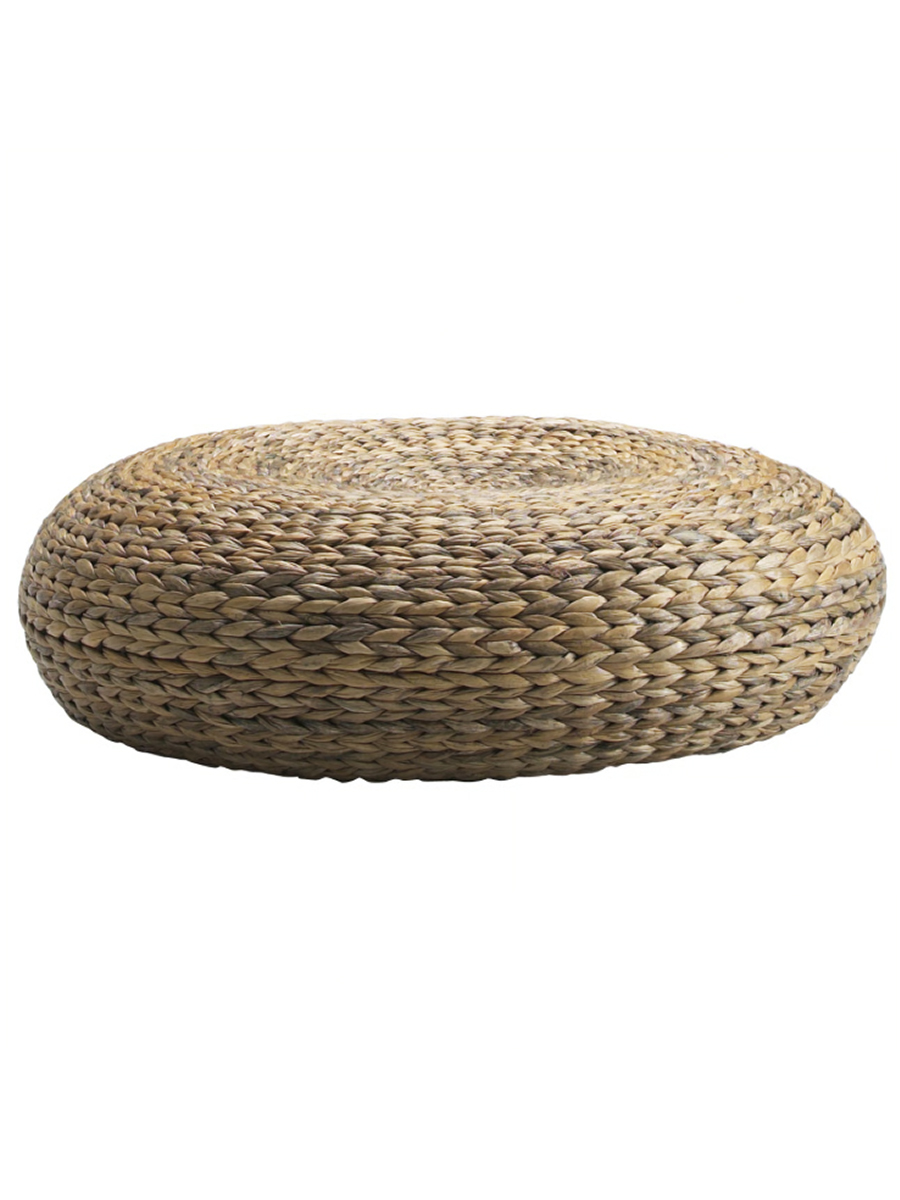
- IKEA Alseda Stool: Crafted from durable banana fiber, adding a warm, fibrous texture to minimalist spaces.
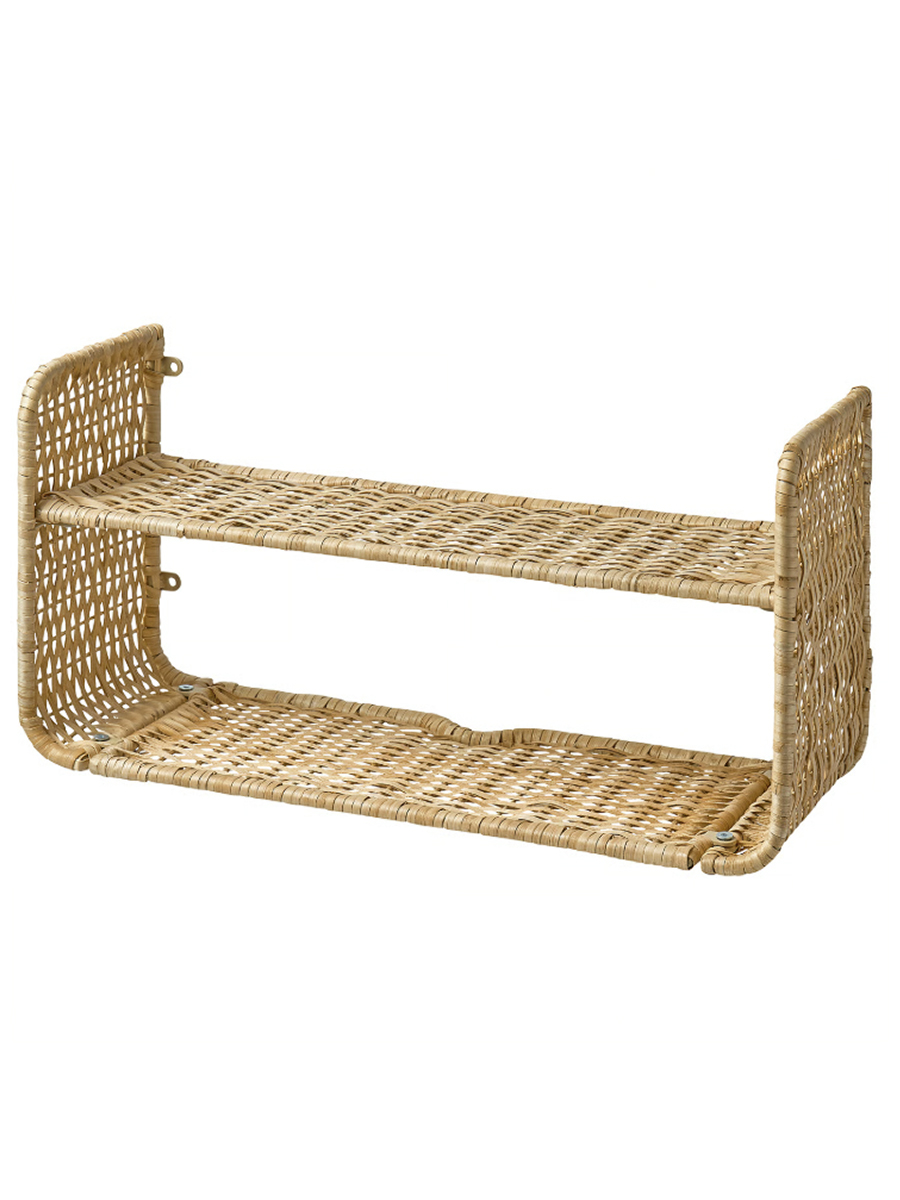
- IKEA Fryksås Wall Shelf: A rattan display unit that brings vertical greenery and organic texture to bare walls.
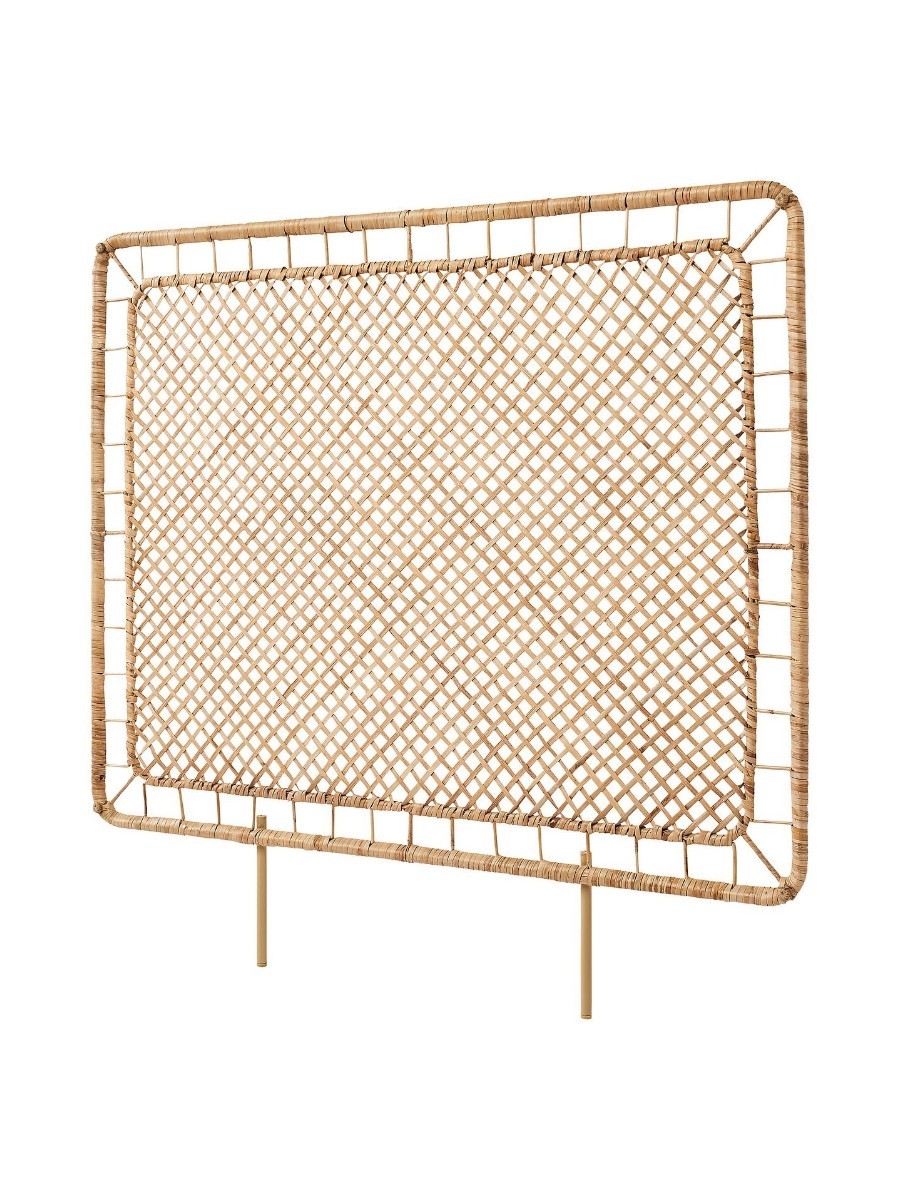
- IKEA Tolkning Headboard: A dramatic, arched rattan statement piece designed to transform bedroom aesthetics overnight.
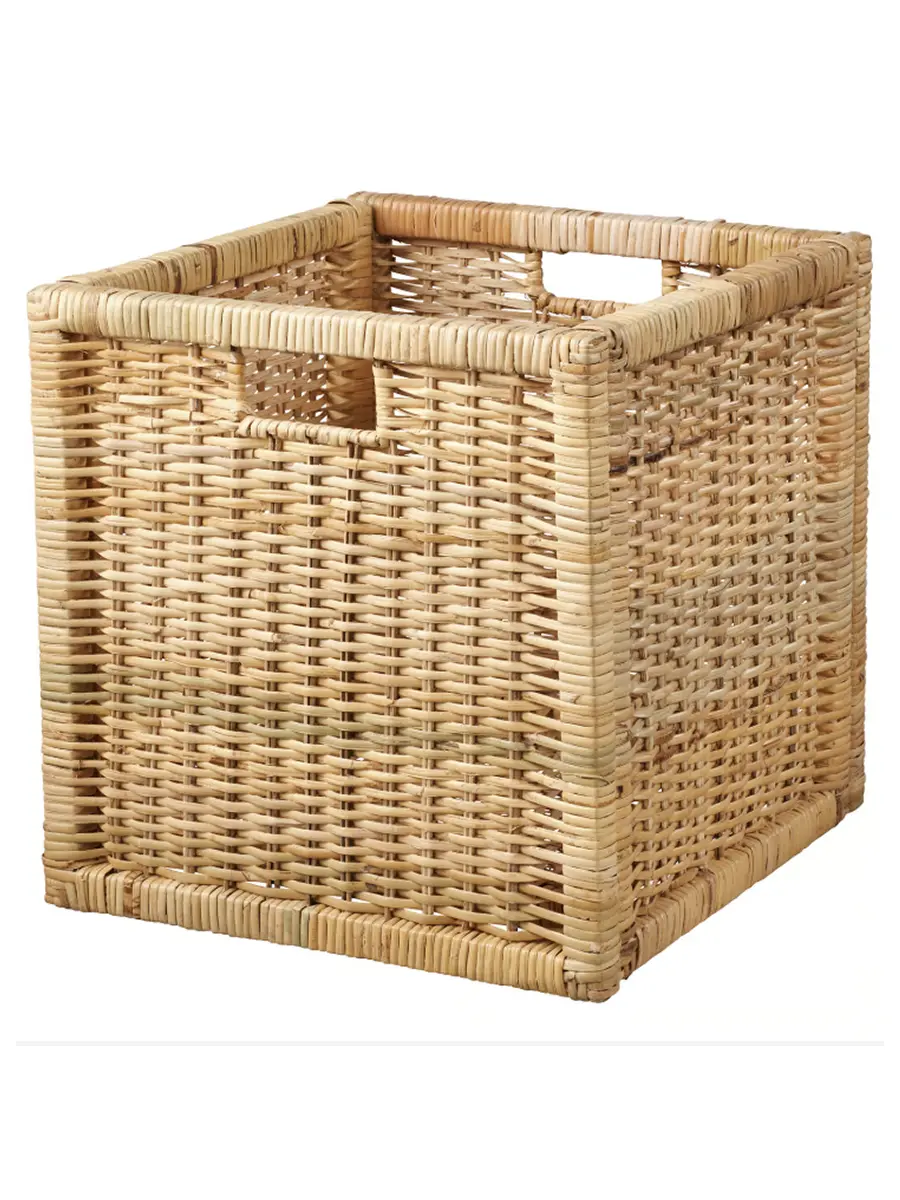
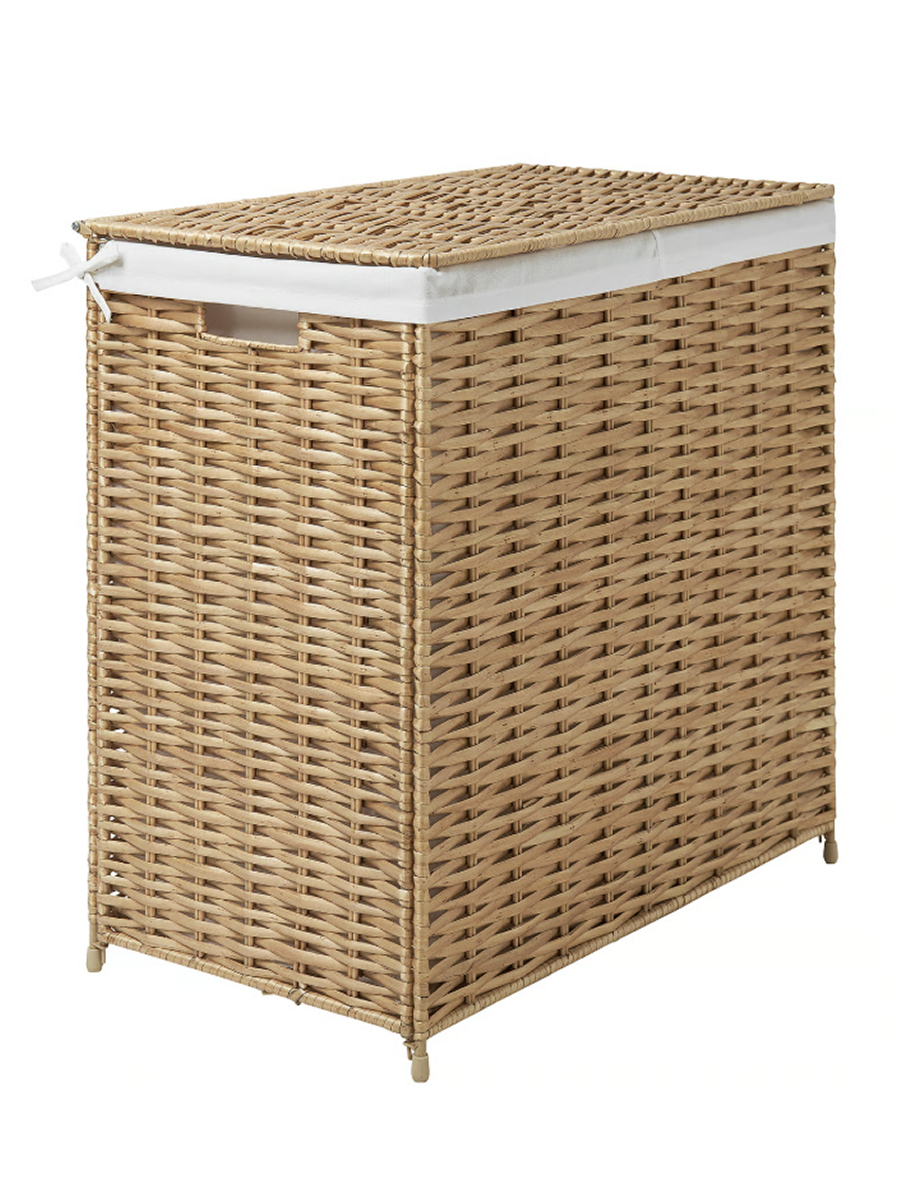
- IKEA Nattgibba Laundry Basket & Tolkning Laundry Basket on Wheels: Practical utility items elevated by traditional willow and rattan weaving techniques.
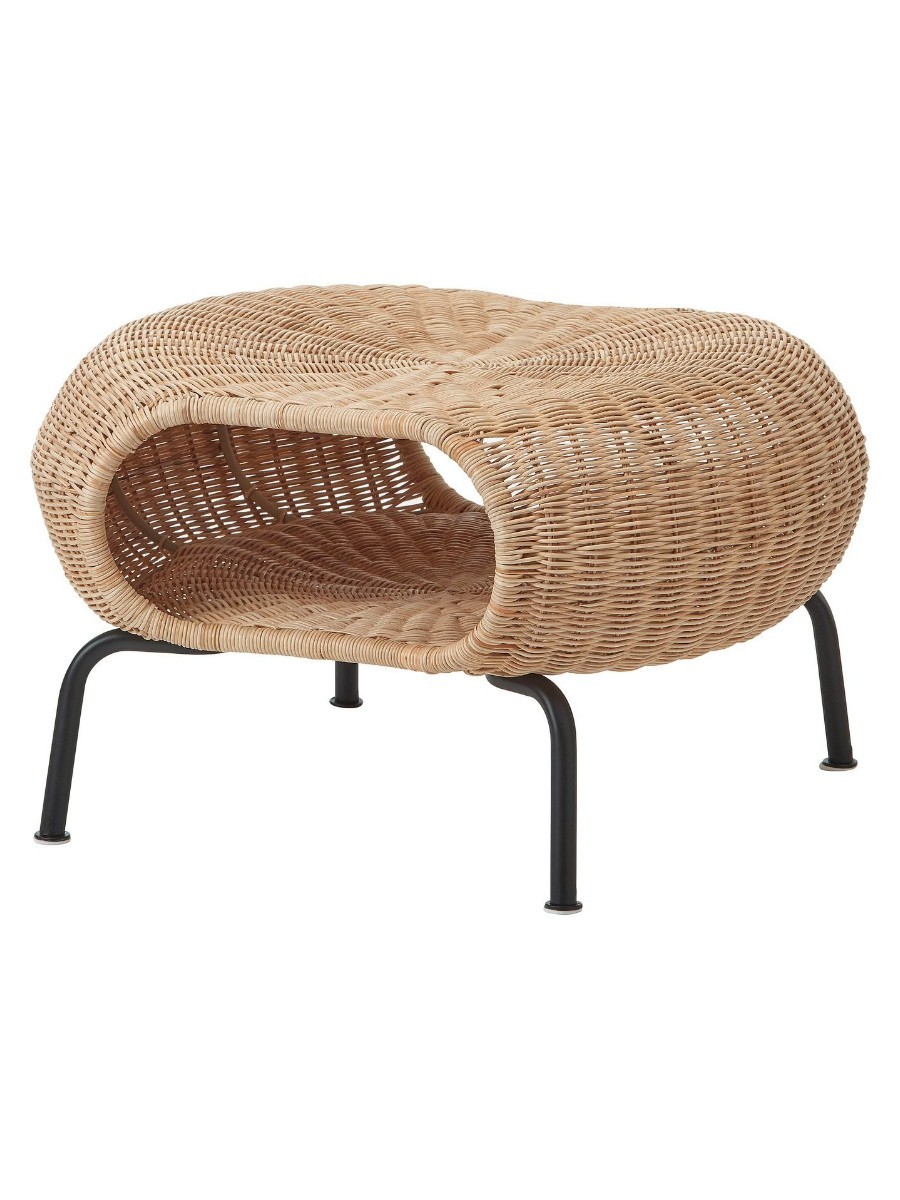
- IKEA Gamlehult Ottoman: A cylindrical rattan footstool with integrated anthracite storage that bridges mid-century modern silhouettes with contemporary naturalism.
- IKEA Torared Pendant Lamp Shade: Crafted from handmade sedge, diffusing warm, atmospheric light that enhances the cozy, cabin-like ambiance essential to the Wickercore aesthetic.
Official Statements and Industry Reception
The convergence of prestige cinema and fast-furniture marketing has provided a fascinating case study for media scholars and brand strategists alike.
Representatives from Black Bear Pictures have expressed delight at the organic, grassroots enthusiasm surrounding the film’s promotional rollout. "We set out to make a film that challenges genre conventions while delivering a deeply emotional, tactile experience," noted a studio representative familiar with the project’s marketing strategy. "Seeing audiences connect with the physical artistry of the production—right down to the craftsmanship of the suit itself—has been genuinely thrilling. The fact that home furnishings brands are joining the conversation proves just how deeply this world has resonated."
Meanwhile, retail marketing experts have lauded IKEA’s cultural resonance. By subverting the traditional boundaries of B2C advertising, the Swedish conglomerate has demonstrated how modern brands can bypass conventional media planning to ride the wave of algorithmic virality. "It’s fearless, culturally literate, and undeniably funny," notes Dr. Elena Vance, a professor of digital media and consumer behavior. "When a flat-pack furniture giant can successfully position a laundry basket or a headboard as romantic partner material by hitching its wagon to an eccentric folk-horror movie starring Alexander Skarsgård, you know the rules of digital marketing have permanently changed."
Future Outlook: What Wickercore Means for 2026 and Beyond
As the theatrical release dates approach—slated for October 23 in the United States and October 30 in the United Kingdom—the cultural footprint of Wicker is expected to expand well beyond the silver screen.
The Evolution of Biophilic Design
For several years, interior design has gravitated toward biophilia—the innate human tendency to seek connections with nature and other forms of life. Wickercore represents a logical, albeit eccentric, evolution of this philosophy. By infusing sustainable materials with narrative-driven personality, the trend encourages consumers to view their homes not merely as functional spaces, but as living, breathing ecosystems inhabited by objects with character.
Retailer Strategy Shifts
Following IKEA’s playbook, other home goods retailers are scrambling to curate their own "plant-based" collections ahead of the holiday shopping season. Expect to see an influx of marketing campaigns that lean into rustic textures, folk-art motifs, and humorous, narrative-led copywriting. Brands that successfully merge sustainability with self-aware pop-culture commentary will likely capture the lucrative demographic of millennial and Gen Z consumers who prioritize both aesthetic humor and eco-conscious manufacturing.
Cinematic Merchandising Beyond the Box Office
The Wicker phenomenon also signals a broader shift in how film studios approach merchandise and promotional partnerships. Traditionally dominated by toys, apparel, and fast-food tie-ins, blockbuster and indie film marketing is increasingly infiltrating the lifestyle and interior design sectors. When a film about a woven man can successfully move thousands of rattan storage benches and banana-fiber stools, the boundaries between cinematic art direction and domestic interior styling dissolve entirely.
As autumn approaches and audiences flock to cinemas to witness Olivia Colman breathe life into a botanical creation played by Alexander Skarsgård, one thing is certain: our living spaces will never look the same. Whether you are looking to completely overhaul your bedroom sanctuary or simply add a touch of artisanal warmth to your hallway, the message from both Hollywood and Stockholm is clear—it’s time to embrace the wood, get your wicker on, and prepare for a reign of Wickercore that will define the design vernacular for years to come.