Executive Overview
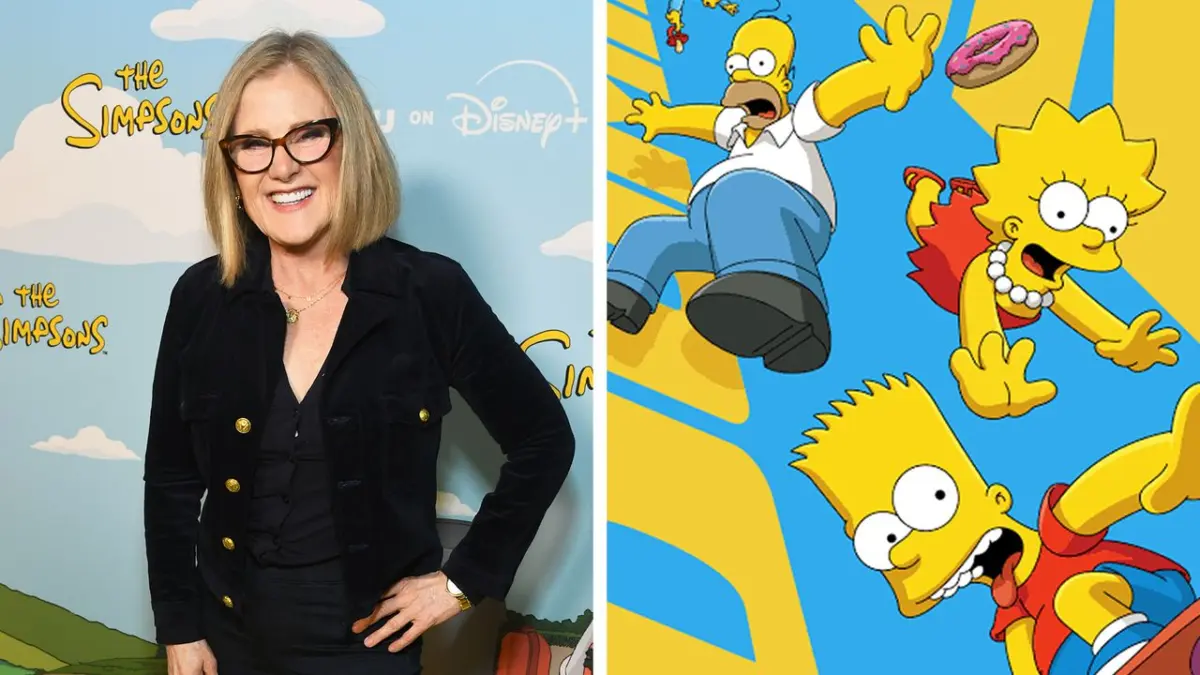
For nearly four decades, The Simpsons has stood as an immovable monument in the landscape of global entertainment. Since its debut as a series of animated shorts on The Tracey Ullman Show in December 1989, Matt Groening’s creation has grown into the longest-running scripted prime-time television series and the longest-running American sitcom in history. Yet, as the cultural titan prepares to launch its 38th season and looks ahead to the long-awaited theatrical release of The Simpsons Movie 2 in 2027, rumblings from within the production core suggest that the end of Springfield may finally be in sight.
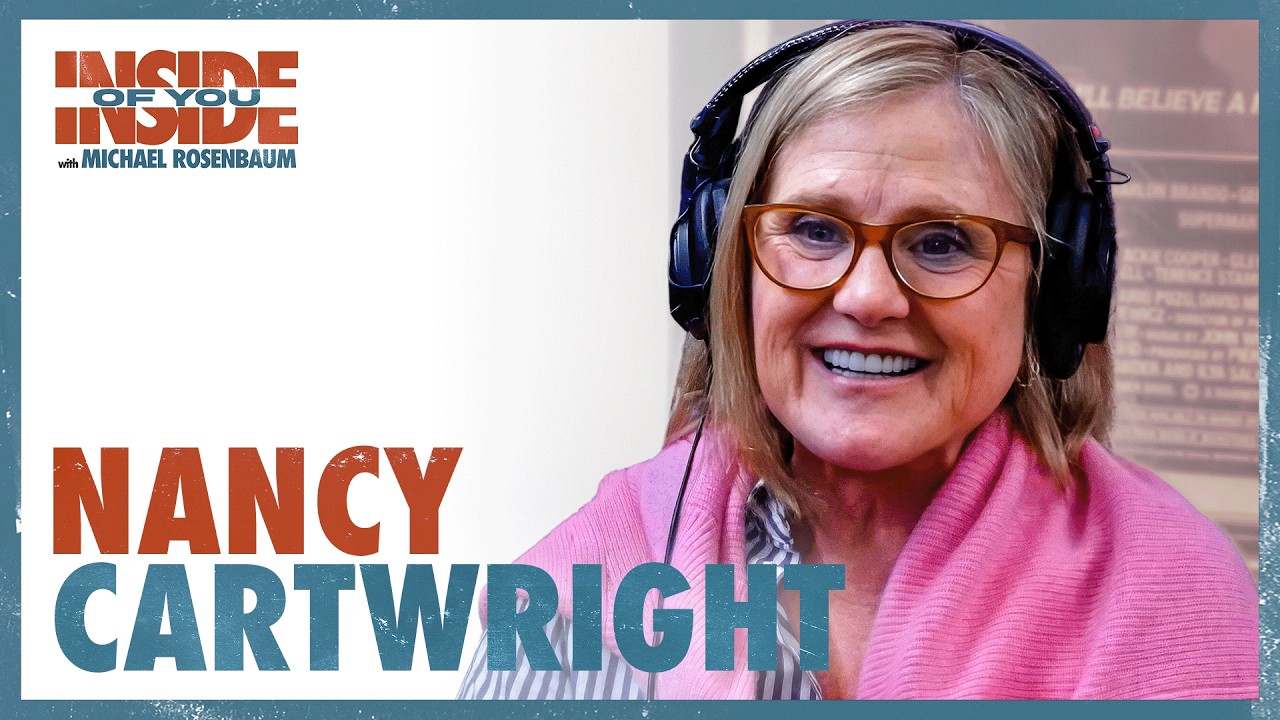
In a recent appearance on Michael Rosenbaum’s Inside of You podcast, veteran voice actor Nancy Cartwright—the foundational talent behind the indelible, skateboarding prankster Bart Simpson—made a candid prediction that the series will likely wrap up by its 40th season. While not an official corporate mandate, Cartwright’s insider assessment aligns perfectly with Fox Broadcasting’s current contractual commitments, which run through the end of Season 40, culminating in early 2029.
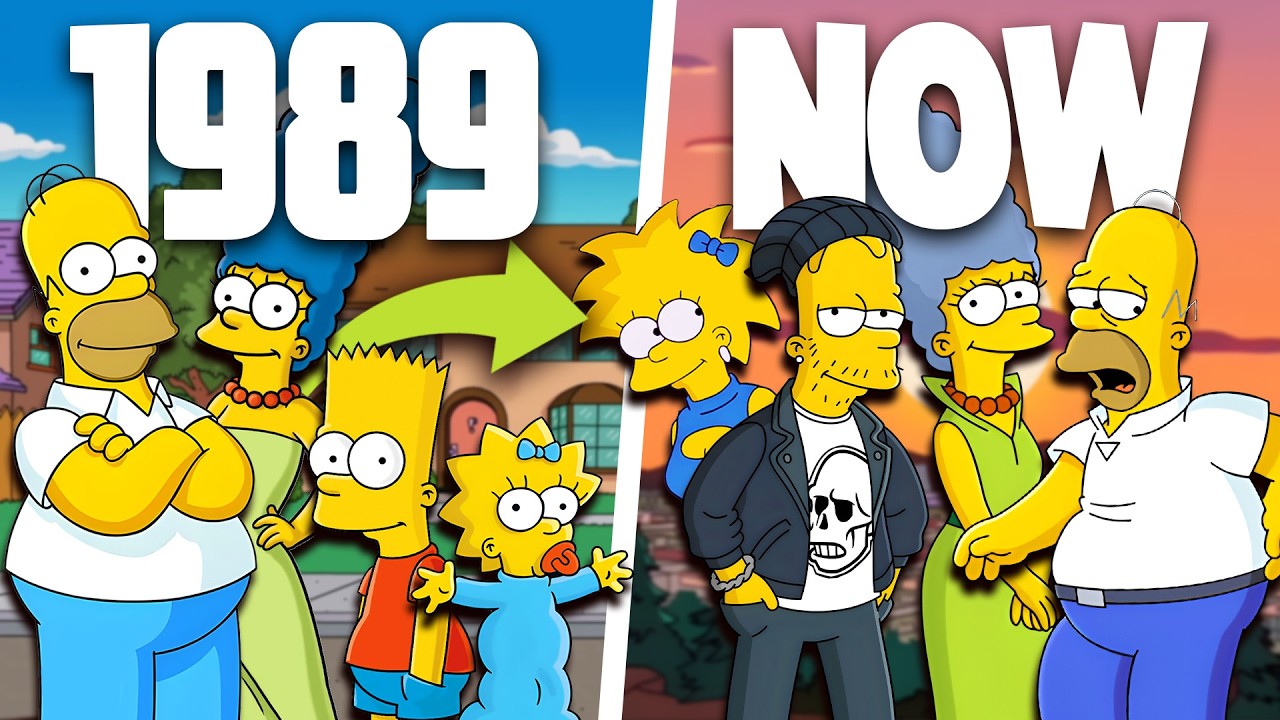
This prospective conclusion arrives at a fascinating cultural crossroads. Online discourse has increasingly focused on the absurdity of the show’s internal timeline, noting that Homer Simpson—canonically styled as a middle-aged boomer in the show’s early days—has inadvertently aged into a tail-end millennial. More importantly, the economic realities of Homer’s lifestyle—a single-income nuclear family, a suburban home, a car, and financial security—have transformed from an average working-class existence into an unattainable middle-class fantasy for modern generations. As questions of economic relatability, shifting broadcast landscapes, and corporate stewardship converge, Cartwright’s prediction serves as an invitation to examine how television’s most enduring animated family might finally write its final chapter.
Detailed Chronology: From Ullman Shorts to the Threshold of Season 40
To understand the magnitude of a potential conclusion to The Simpsons, one must trace the sheer historical breadth of the franchise. Its timeline is a masterclass in longevity, mapping across decades of media disruption, corporate acquisitions, and cultural shifts.
The Genesis and the Golden Era (1987–1999)
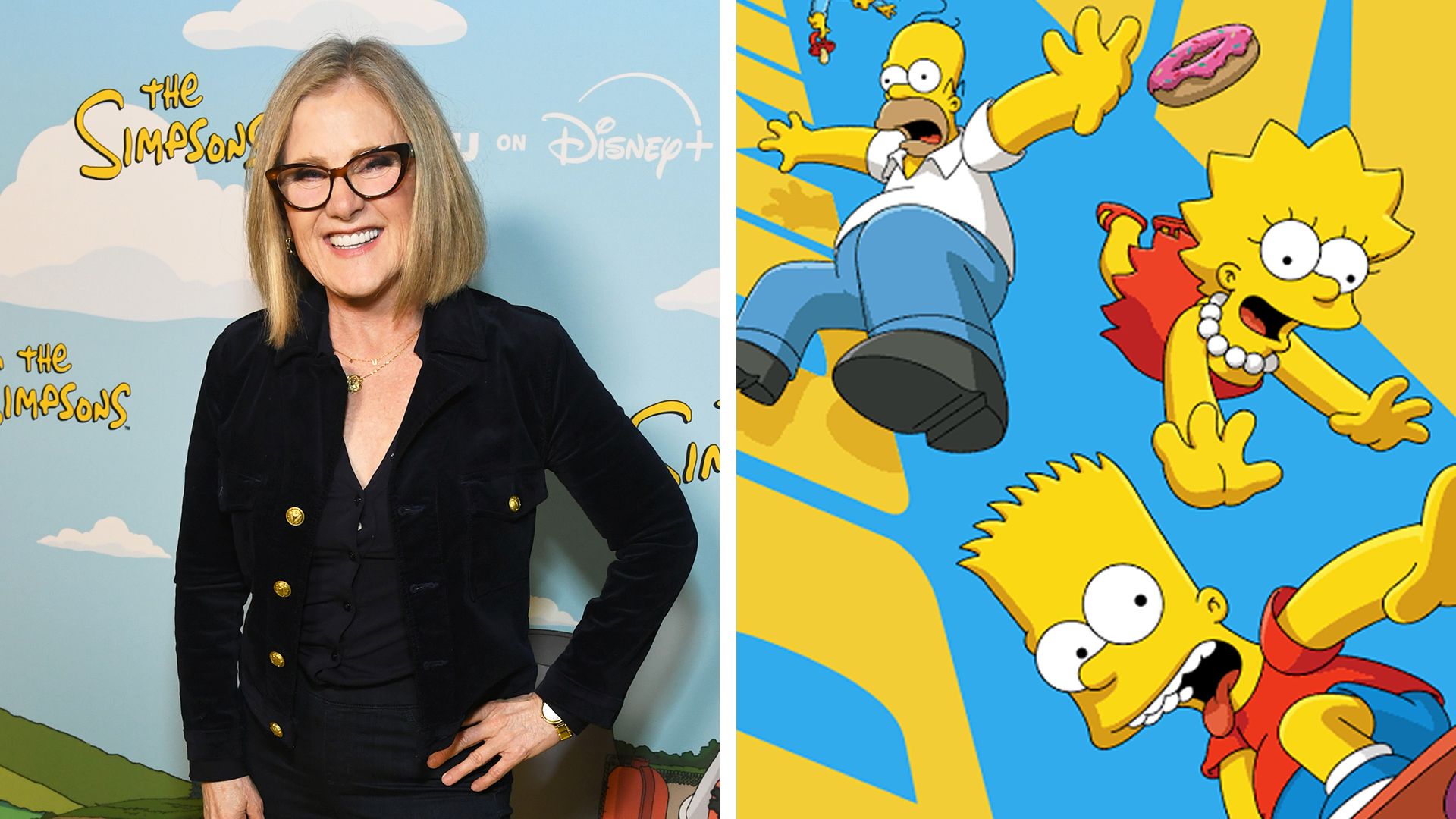
- 1987: Bart, Homer, Marge, Lisa, and Maggie first appear on television screens on April 19, 1987, as brief, crudely animated comedic interludes on The Tracey Ullman Show.
- December 17, 1989: The half-hour prime-time Christmas special, "Simpsons Roasting on an Open Fire," premieres on the fledgling Fox network, quickly sparking "Bartmania" and transforming into a breakout cultural phenomenon.
- The 1990s: Throughout the decade, under showrunners like Sam Simon, Al Jean, Mike Reiss, and Oakley & Weinstein, the series produced its universally acclaimed "Golden Era." It cemented itself as a razor-sharp satirical mirror of American suburban life, earning critical acclaim and a constellation of Emmy Awards.
The Transition, Acquisition, and Modern Era (2000–2019)
- 2007: Nearly two decades after its television inception, The Simpsons Movie hits global cinemas, grossing over $527 million worldwide and proving the characters’ cross-platform viability.
- 2011: High-profile contract disputes between the voice cast and 20th Century Fox threaten production, ultimately resolved through salary restructurings that secure the show’s immediate future while highlighting the immense financial stakes of long-running animation.
- March 2019: The Walt Disney Company officially acquires 21st Century Fox in a landmark $71.3 billion deal, absorbing the iconic animation studio and placing The Simpsons under the sprawling umbrella of House Mouse media operations.
The Road to 2029 (2020–Present)
- 2023–2024: Fox Broadcasting renews The Simpsons through its 34th, 35th, and eventually its milestone 40th season, locking down broadcast rights for the series well into the late 2020s.
- 2025–2026: Cartwright’s comments on the Inside of You podcast ignite widespread industry speculation that Season 40 will serve as the natural termination point for the series.
- 2027: The Simpsons Movie 2 is slated for a theatrical release, arriving precisely two decades after the original film.
- Early 2029: Season 40 concludes, aligning with the expiration of Fox’s current distribution agreement and bringing the broadcast timeline into sharp focus.
Supporting Context & Metrics: The Economic Disconnect of Homer Simpson
While creative burnout and contractual milestones provide structural reasons for a series finale, social media commentary has increasingly zeroed in on a thematic hurdle: the complete economic detachment of Homer Simpson from contemporary reality.
The Canonical Shift: Homer the Millennial
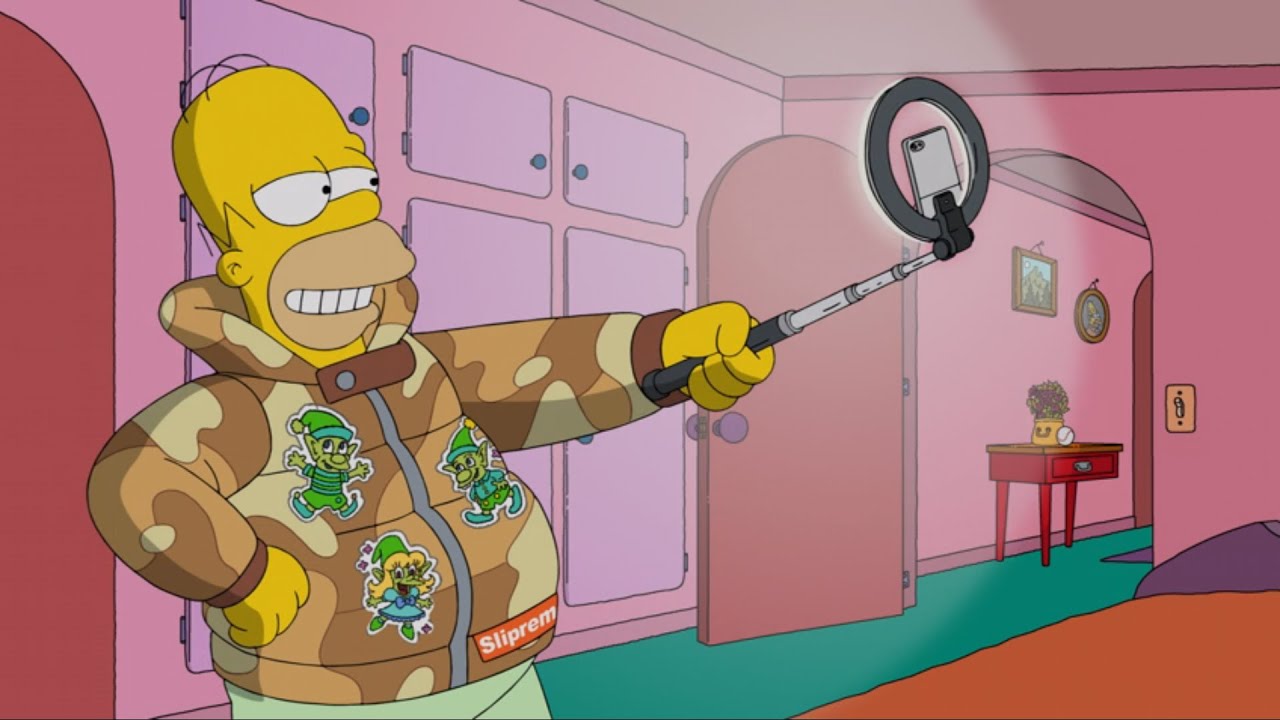
Because the characters in Springfield do not age—preserving a timeless cartoon elasticity akin to Pixar’s The Incredibles—the passage of real-world time has forced a radical, unintentional generational shift upon the show’s patriarch. Homer Simpson’s canonical age places him consistently in his late 30s. Consequently, a character conceived in 1989 as a middle-aged baby boomer has mathematically drifted forward. By contemporary metrics, Homer is now a tail-end millennial.
This temporal slide has shattered the foundational premise of the show’s satire. In the early seasons, Homer was designed as a lazy, marginally uneducated safety inspector at a nuclear plant who could nonetheless afford a sprawling suburban home, a stay-at-home wife, three children, two cars, and regular visits to Moe’s Tavern—all on a single, blue-collar income.
Crunching the Numbers: 1987 vs. 2026
Data surfaced by financial analysts and pop-culture historians on platforms like X (formerly Twitter) highlights the staggering divergence between Springfield’s economy and our own:
- Homer’s Initial Salary: In Season 1, references to Homer’s income place it at roughly $25,000 annually.
- Adjusted for Inflation: That figure equates to approximately $60,000 in modern currency.
- Real-Estate Reality: In 1987, the national average for a suburban home of the Simpsons’ scale hovered around $100,000. Today, an equivalent property in a stable US suburb frequently commands upwards of half a million dollars.
- The Social Media Critique: As one viral post lamented: "Homer has a job, a stay-at-home wife, three kids, a big house, a car, and supports his father in a retirement home. Look at my bedroom in my mother’s home. I have a gaming laptop."
This economic impossibility has led many critics to argue that The Simpsons lost its sharp satirical edge because its central caricature is no longer culturally relatable. A boomer slacker failing upward was an effective send-up of late-20th-century corporate culture; a millennial achieving the same level of domestic security through sheer incompetence feels like pure science fiction.
Official Statements: Inside Nancy Cartwright’s Revelations
The conversation surrounding the show’s potential conclusion burst into the mainstream public consciousness following Nancy Cartwright’s frank discussion with Michael Rosenbaum.
When Rosenbaum pressed the legendary voice actor on how much longer the animated juggernaut could possibly continue, Cartwright delivered an immediate, unhesitating response: "40."
When asked to confirm if she was certain of this timeline, Cartwright clarified, "It’s my opinion." She quickly added that, creatively speaking, she would be more than happy to continue voicing Bart for as long as Disney desired, provided the entire core ensemble—including Dan Castellaneta, Yeardley Smith, and Julie Kavner—remained intact.
Yet, industry insiders immediately noted that Cartwright’s "opinion" mirrors the hard math of the television business. Fox Broadcasting renewed its broadcasting rights for the series up to Season 40 in a multi-year deal secured last year. Aligning a series finale with a contractual expiration date is a time-tested Hollywood strategy, offering a clean, dignified exit ramp for a production of this historic magnitude.
Future Outlook: Who Controls Springfield’s Destiny?
Should The Simpsons reach its planned conclusion at the end of Season 40 in 2029, the question of what happens next to the citizens of Springfield becomes a multi-billion-dollar corporate chess match.
The Gracie Films and Disney Dynamic
Creative oversight of the series remains under Matt Groening’s production banner, Gracie Films. If Gracie Films decides to call it a day, Disney—which acquired the intellectual property through the 21st Century Fox buyout—faces a monumental dilemma. While Disney could theoretically attempt to reboot or continue the franchise without its original creative architects, doing so risks alienating a fiercely loyal global fan base who view the classic era as sacrosanct.
The Broadcasting Battleground
Fox Broadcasting has historically maintained its commitment to airing The Simpsons despite fluctuating live-television ratings, largely due to the immense cultural prestige and brand equity the yellow family brings to the network. If Fox decides against renewing its broadcasting rights beyond Season 40, Disney could easily migrate the first-run episodes exclusively to its streaming flagship, Disney+, or broadcast networks within its own corporate ecosystem.
Beyond the Small Screen
Ultimately, the future of the franchise will not be dictated by traditional television schedules alone. Characters as universally recognizable as Homer, Bart, and Marge possess immortal cultural footprints that transcend traditional serial television. With The Simpsons Movie 2 drawing intense fan interest ahead of major updates expected at upcoming Disney fan events like D23, the brand is pivoting toward tentpole cinematic events and digital integration. Recent controversial moves—such as Disney bringing interactive social media elements and TikTok integrations to its streaming platforms—suggest that even if traditional episodic production winds down, Springfield will continue to live on through viral memes, digital preservation, and cinematic revivals.
As the countdown to Season 40 ticks away, the television landscape prepares for an unprecedented milestone. Whether 2029 marks the final curtain call for Springfield or merely transforms it into a purely digital artifact, Nancy Cartwright’s revelation has forced fans and executives alike to confront an inescapable reality: even eternity must eventually have an expiration date.