Executive Overview: A New Era of Algorithmic Maturity
The digital marketing landscape is currently undergoing a structural transformation, driven by the dual forces of AI-native tooling and the aggressive consolidation of community-centric platforms. As we look toward the final quarter of 2026, the industry is moving past the "novelty" phase of generative AI and into a period of deep integration and platform-specific scrutiny.
From Meta’s ambitious leap into enterprise-level AI infrastructure to Reddit’s strategic move to lock down its data, marketers are facing a shifting terrain. The key takeaway for the modern professional is clear: while AI can handle the mechanics of content creation, the competitive edge is increasingly found in human-centric community engagement, authentic storytelling, and the strategic deployment of niche data.

Detailed Chronology: The Week’s Major Developments
Meta’s Ecosystem Expansion: From Social Media to AI Infrastructure
Meta continues to blur the lines between social networking and enterprise software. This week’s most significant move was the launch of the Meta Enterprise Platform, a strategic initiative designed to integrate Meta’s proprietary AI models—including Muse and the Meta Business Agent—directly into corporate workflows. By positioning its AI stack as a secure, scalable solution for growth and customer service, Meta is signaling a pivot toward becoming a foundational operating system for digital businesses.
Simultaneously, Meta is deepening its hold on community engagement through the launch of Forum, a standalone application designed to modernize the Facebook Groups experience. By integrating AI-powered "Ask" features and interest-based browsing, Meta is attempting to revitalize the long-form community discussions that have traditionally been eclipsed by short-form video.

Instagram’s AI-Driven Creator Revolution
Instagram has officially rolled out the Edits AI assistant to all U.S. users. This tool marks a departure from generic generative AI, as it leverages individual account metrics and historical performance data to provide hyper-personalized content strategies. By synthesizing audience behavior and platform trends, Edits offers creators a roadmap for hooks, captions, and trending audio, effectively functioning as a pocket creative director.
Furthermore, the platform has introduced in-app boosting for Live videos. This update streamlines the path from live broadcast to paid reach, allowing creators to promote active streams across Feed, Stories, and Reels without the overhead of the Meta Ads Manager, lowering the barrier to entry for real-time engagement.

Reddit’s Defensive Shift
In a move that highlights the mounting tension between social platforms and AI developers, Reddit has announced a significant restriction on data access. With the sunsetting of RSS feeds in November 2026 and the total closure of public API access by March 2027, the platform is effectively "walling off" its data. For marketers and social listening analysts, this signals the end of free-flowing, scraped data and the beginning of a paid, commercialized era for consumer sentiment analysis.
Supporting Context & Metrics: Tactical Lessons for Marketers
Refining Facebook Ad Strategy Through Customer Data
A recurring theme in current marketing discourse—championed by experts like Nick Theriot—is the necessity of "mining" customer responses. When Facebook ad performance plateaus, the solution is rarely a new graphic design; it is a refinement of the "hook."
- The Survey Methodology: By analyzing verbatim customer survey responses, marketers can extract the exact vocabulary, pain points, and desires that trigger conversions.
- The Reddit Proxy: Before the upcoming API restrictions, marketers are encouraged to use search queries like
site:reddit.com [pain point]to find authentic "before-and-after" narratives. These anecdotal threads are high-fidelity goldmines for ad scripts that resonate on an emotional level.
The LinkedIn Paradox: Balancing Human Touch and AI
AJ Wilcox, founder of B2Linked, recently joined a panel to discuss the state of LinkedIn. The platform is currently in an arms race against "AI slop"—low-quality, repetitive content generated en masse.
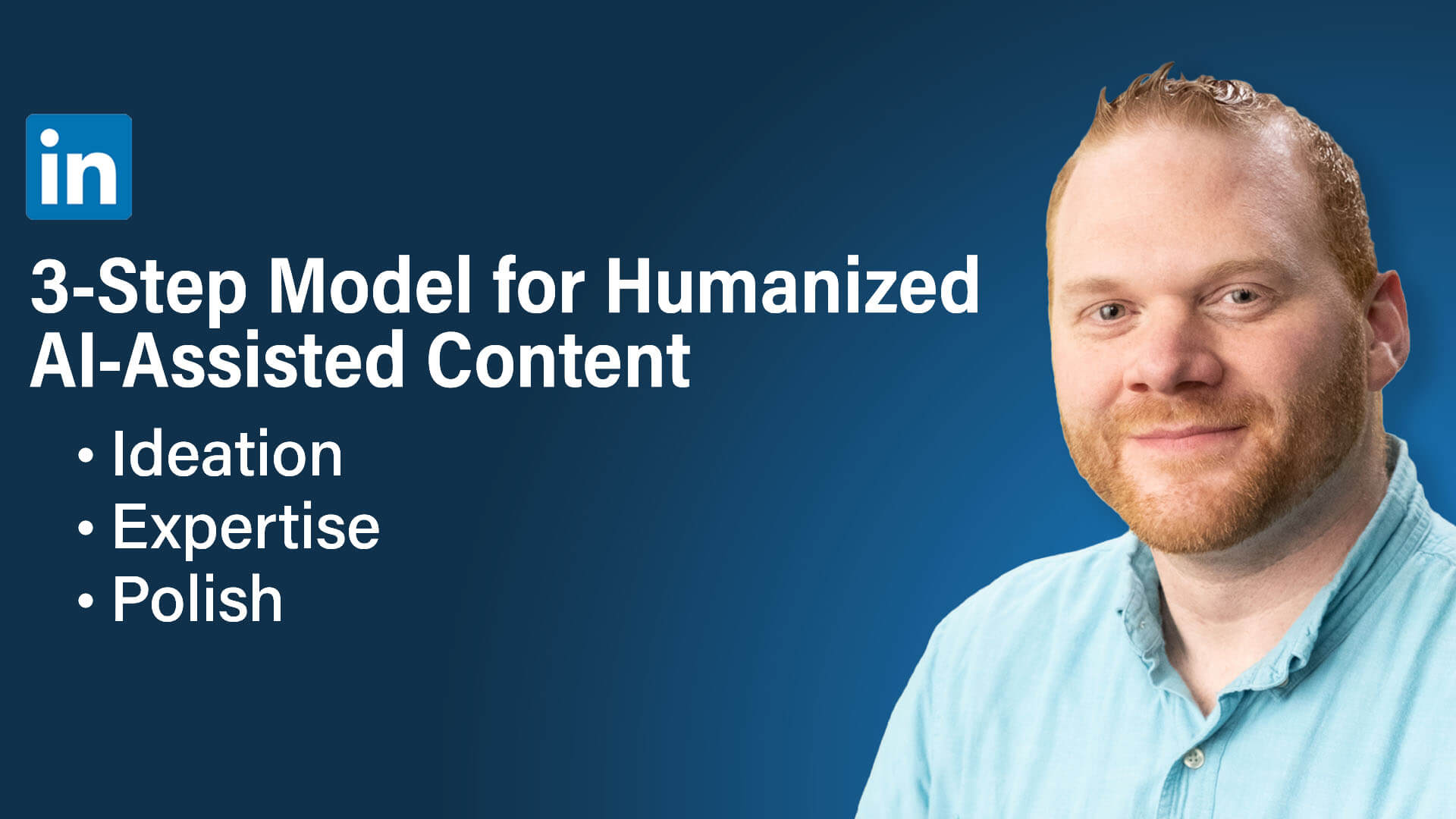
- The Writing Trap: Even original content can be flagged as AI-generated if it follows overly formulaic structures. The advice? AI should assist with outlining and research, but the voice and perspective must remain strictly human.
- The Comment-First Strategy: Data suggests that LinkedIn’s algorithm is increasingly prioritizing high-quality comments over static posts. Engaging with industry leaders and providing thoughtful, value-add commentary is currently yielding higher visibility than traditional content broadcasting.
- Video Strategy: The introduction of AI clipping tools for live streams is a game-changer for time-strapped executives. However, the strategy must be disciplined: prioritize authentic, unscripted insights over high-production, overly polished content.
Official Statements and Industry Insights
The industry conversation, particularly regarding Social Media Marketing World, emphasizes that while digital tools are evolving, the nature of human connection remains static.

"Chatting with complete strangers who are my people—who get what I do—is the best part," says attendee Kristin Bowen. This sentiment reflects a growing exhaustion with digital echo chambers. Marketers are finding that the most profound insights are no longer found in comment threads, but in the "hallway conversations" that occur when industry professionals convene in person.
Regarding the "Road to 3000" docuseries, Michael Stelzner, founder of Social Media Examiner, highlights three foundational truths for the modern marketer:

- Time as Capital: "Your time costs more than your tools." Saving a few dollars on AI tokens is a poor trade if it costs hours of debugging or frustration.
- Democratization of Tech: With AI, non-technical marketers can now build personalized digital tools, such as custom invitation scripts, that were previously reserved for professional developers.
- The Testimonial Hurdle: Collecting social proof is a labor-intensive process. The lesson here is to capture as much raw video as possible, then leverage AI to edit and repurpose that footage into high-impact, short-form clips.
Future Outlook: Trends to Watch
As we move toward 2027, the marketing industry is bracing for three major shifts:
- The Premium Data Era: With Reddit, Twitter, and other platforms locking down their APIs, the cost of "social intelligence" will rise. Businesses must prepare to budget for commercial data access if they intend to maintain deep market insight.
- The Death of "Average" Content: With AI making the creation of average content nearly instantaneous, the market will become saturated. The only content that will perform is that which is either hyper-personalized or deeply human. We expect to see a resurgence in long-form, expert-led content that resists the "slop" label.
- The Rise of the "Personal AI Agent": Meta’s focus on agents like Muse suggests that the next phase of marketing isn’t just about managing a campaign, but delegating it. Future-proof marketers will be those who learn how to orchestrate AI agents to handle the "always-on" administrative and analytical tasks, allowing them to focus entirely on creative strategy and high-level business development.
Conclusion: Staying Prepared
The pace of change in the social media landscape is accelerating, yet the fundamental principles of marketing remain: understand your audience, speak their language, and build genuine community. As platforms continue to pivot toward AI-integrated ecosystems, the successful marketer will be the one who uses these tools to amplify their humanity, rather than replace it.

Stay ahead of these trends by refining your data mining techniques, embracing the transition toward community-first social platforms, and investing in the high-quality, original content that the algorithms of tomorrow are explicitly designed to promote.