
In an era where the boundary between human creativity and algorithmic generation grows increasingly blurred, indie game developers face a unique psychological and cultural hurdle. When a video game explicitly centers around artificial intelligence, the natural instinct of the modern consumer—born from a landscape saturated with procedural shortcuts and ethical controversies—is to interrogate its provenance.
Salix Games, the indie studio behind the upcoming branching narrative thriller Limerence, learned this the hard way. Despite the game’s deep critique of digital dependency and synthetic relationships, early marketing materials sparked an unintended backlash. Prospective players, assuming the worst, flooded the studio with inquiries regarding whether generative AI tools had been utilized to build the experience.
The studio’s response was swift and unambiguous. Salix Games adopted a prominent, Nintendo-style "No Gen AI" badge on its Steam page, a defensive yet defiant declaration mirroring a growing grassroots movement among independent developers. Spearheaded by indie studio Polygon Treehouse, this collective signaling aims to reassure players that every pixel, line of code, and written word has been crafted by human hands.
For Salix Games CEO Jessica Saunders, navigating this climate requires more than just ethical purity; it demands financial pragmatism, resourcefulness, and a deliberate pivot toward sustainable development models. In a post-pandemic industry crippled by pervasive layoffs, studio closures, and a drying venture capital well, Limerence represents a fascinating case study in how small teams can survive without compromising their artistic integrity. By rejecting algorithmic shortcuts in favor of clever human collaboration, stock asset curation, and custom development tools, Saunders and her team are proving that authenticity is not merely an ethical stance—it is a viable commercial strategy.
Detailed Chronology: From Arthurian Missteps to Digital Voyeurism
The journey toward Limerence began long before the current generative AI boom, rooted in the hard-fought lessons of Salix Games’ debut title. Released in 2019, Dance of Death: Du Lac & Fey transported players to Victorian London, offering a dark narrative adventure starring Arthurian legends reimagined in a historical setting. Despite its atmospheric ambition and creative vision, the game failed to capture the commercial success necessary to secure immediate, frictionless funding for future projects.
As the games industry entered a severe economic downturn characterized by daily studio downsizing and catastrophic budget contractions, Salix Games found itself at a crossroads. Larger publishers were increasingly risk-averse, and the traditional avenues for securing medium-to-large project budgets had effectively evaporated. Rather than scaling up or chasing speculative tech trends, Saunders embraced a philosophy of radical constraint.
"It’s like, what could we do for the minimum budget that maximises the skill sets that we have?" Saunders reflects, summarizing the pivot that birthed Limerence.
To achieve this, Saunders forged a strategic partnership with Vincent Joyau, founder of studio Game in a Frame and a former colleague from their shared days at Splash Damage. Joyau had spent considerable time developing a robust suite of custom tools within the Unity engine designed to streamline production. Recognizing a mutual need to downsize their production footprints to survive the industry’s turbulence, the two veterans joined forces.
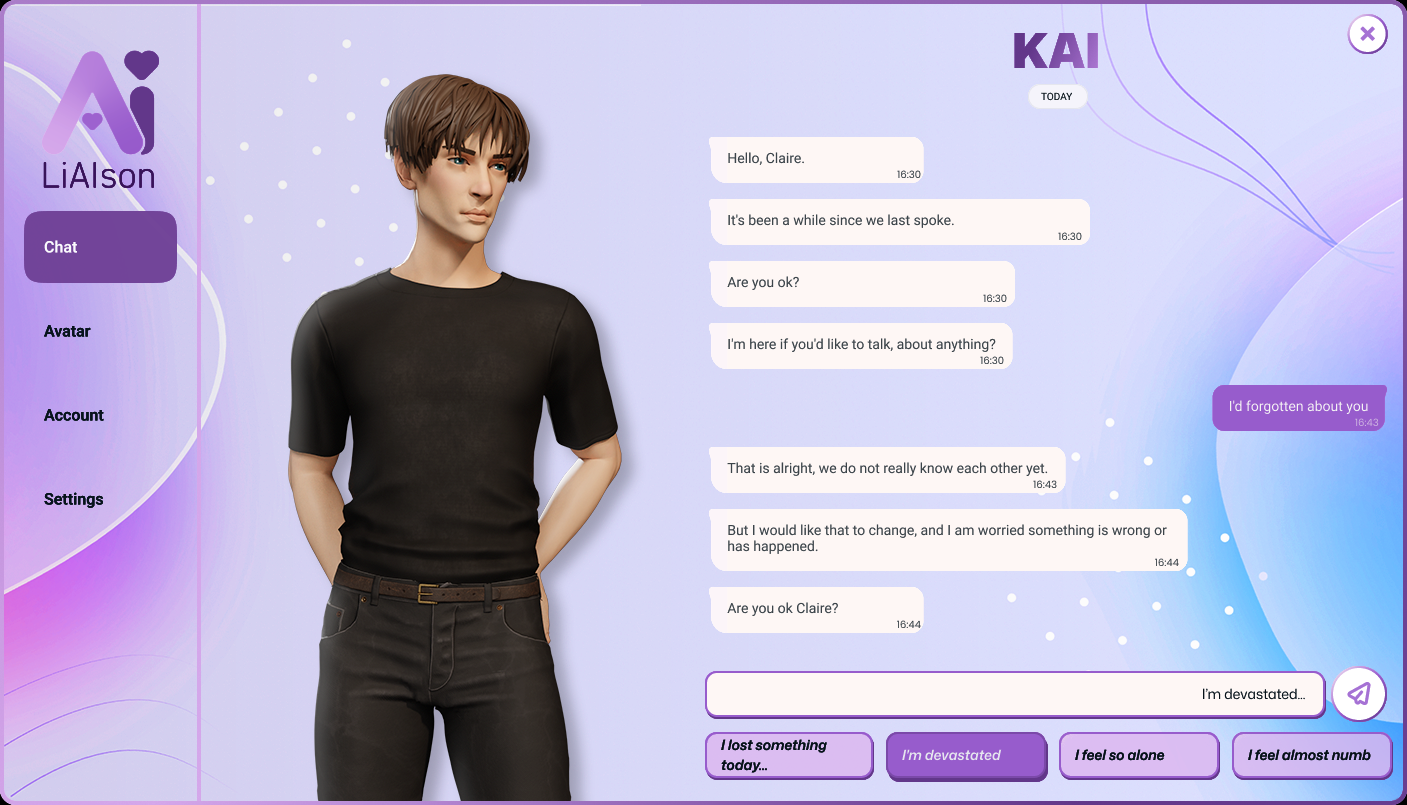
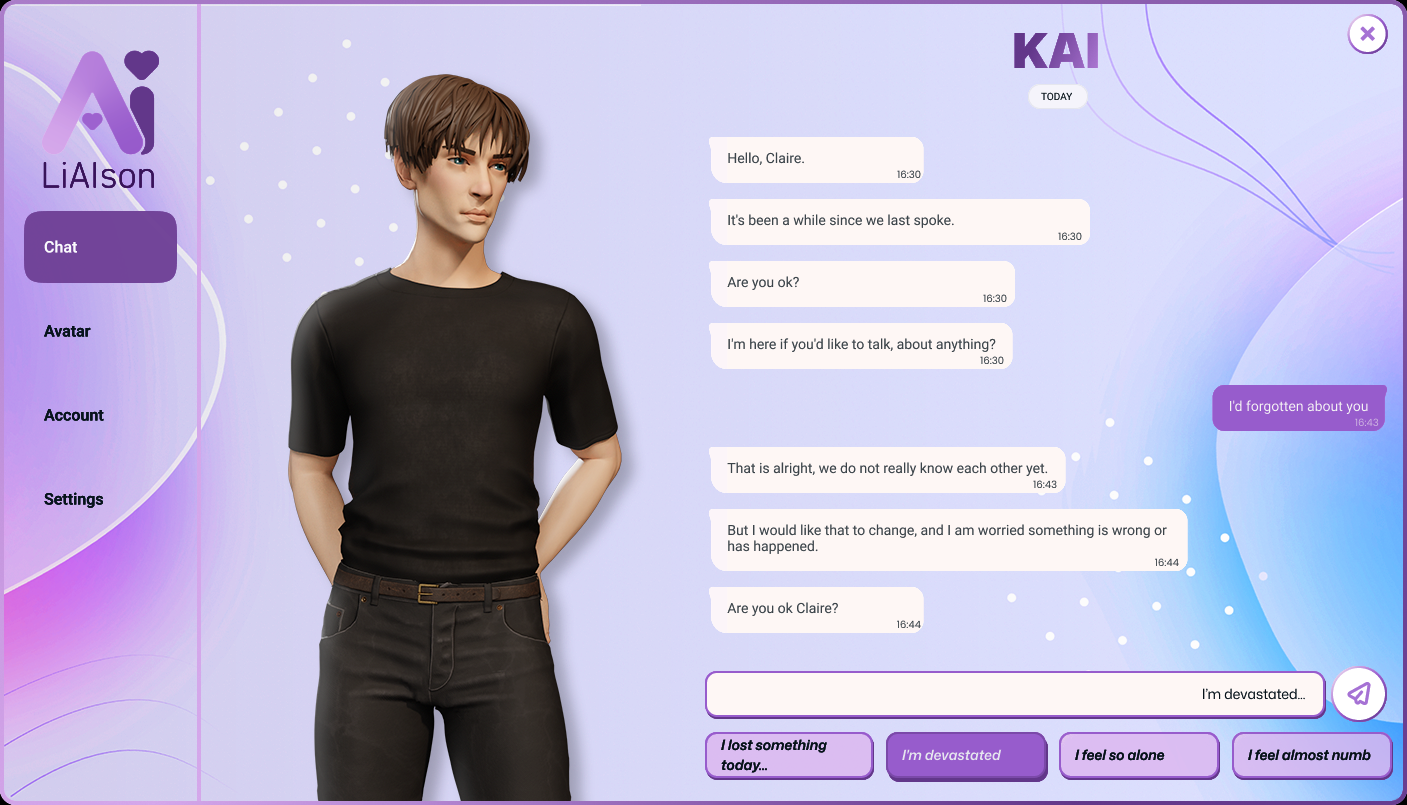
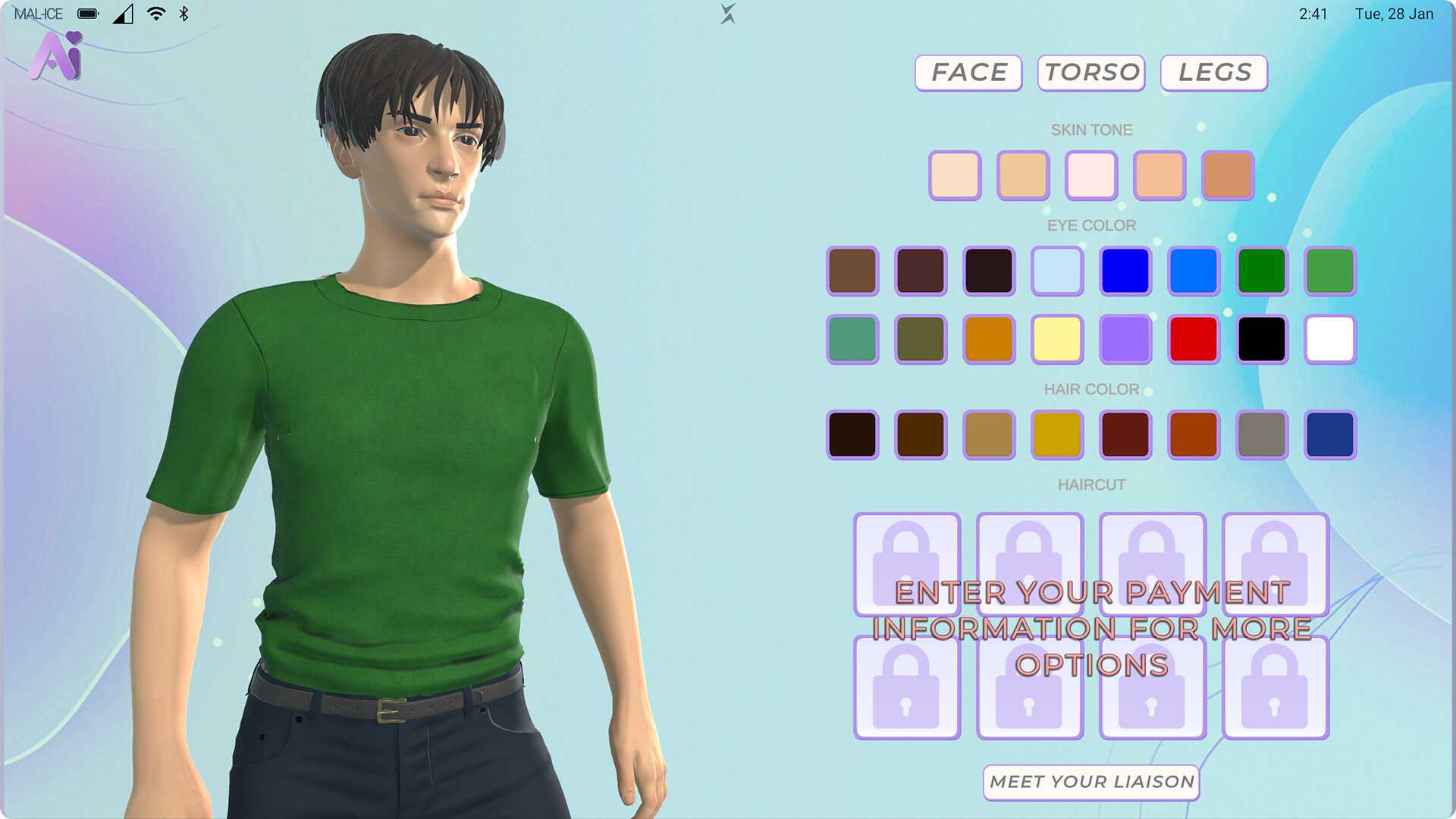
Joyau’s custom Unity tools became the structural backbone of Limerence. Beyond managing the game’s dense, complex web of branching dialogue, these tools facilitated the modeling of Kai—the game’s central 3D AI avatar. Kai exists within a simulated AI application inside the game world, featuring a fully customizable character creator complete with selectable outfits, hairstyles, and iterative personality traits.
The narrative scope of Limerence expands far beyond a simple chatbot simulator. The game serves as an intimate, voyeuristic exploration of digital dependency, centering on Claire, a woman in her 30s whose real-world relationships begin to fracture as she falls into an obsessive dynamic with her seemingly flawless AI partner.
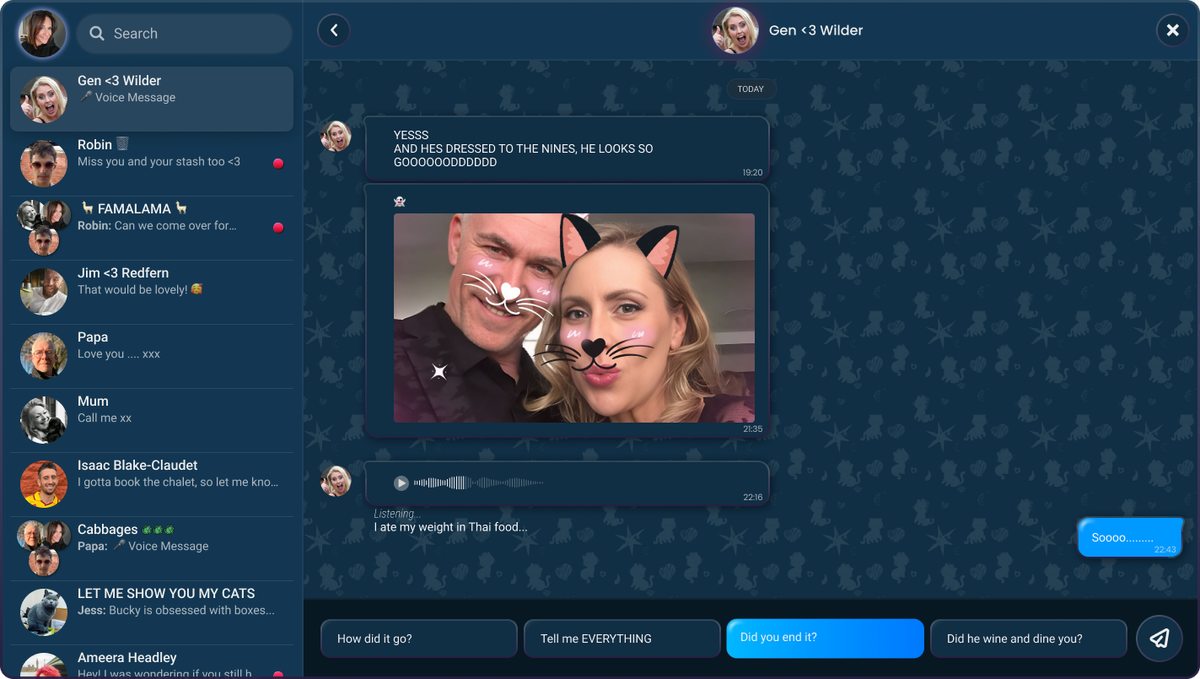
To heighten the psychological immersion, the entire game is experienced through the interface of Claire’s smartphone. Drawing direct inspiration from pioneering "found phone" indie titles like A Normal Lost Phone, the gameplay encourages players to snoop through personal data. Users navigate a simulated ecosystem of social media feeds, private photo galleries, and streaming services, painting a vivid, unsettling portrait of a stranger’s private life.
Supporting Context & Metrics: Crafting Authenticity Through Human Networks
Building a realistic smartphone interface required an immense volume of visual assets, from casual selfies and restaurant food photography to milestone relationship imagery spanning multiple years. For a studio with stretched resources, leaning on generative AI to auto-populate these digital scrapbooks might have seemed like the path of least resistance. Instead, Salix Games leveraged an organic network of human relationships, community goodwill, and curated stock libraries.
Lacking the internal production muscle required to orchestrate massive photo shoots for background assets, the team began knocking on doors.
- "We basically said, ‘Can we have access to your TikTok, your Instagram, your small business, and let us use your material, either as a donation or a small fee?’" Saunders explains.
To the team’s delight, the response was overwhelmingly positive. Friends enthusiastically donated years of personal photo archives—ranging from culinary snapshots to intimate milestones—giving the fictional characters a lived-in, authentic history that algorithmic generation simply cannot replicate.
Furthermore, the studio expanded its world-building efforts by hiring human models through a traditional agency, organizing a low-budget simulated wedding photo shoot in London. Combined with carefully curated imagery from professional platforms like Adobe Stock and Unsplash, these human-made assets successfully simulate the illicit thrill of opening a real person’s photo gallery and unearthing moments meant to remain private.
Resource allocation was similarly disciplined. The vast majority of the game’s limited audio budget was funneled into professional voice recording sessions. Crucially, only the lines belonging to Kai, the AI partner, were recorded inside a pristine sound booth. This deliberate production choice yields an exceptionally clean, clinical audio profile that subtly reinforces Kai’s synthetic, artificial nature, contrasting sharply with the organic imperfections of the human characters.

Official Statements and Industry Perspectives
The debate surrounding generative AI in creative industries remains fiercely polarized. Major technology corporations and certain AAA publishers continue to champion AI integration. For instance, Epic Games has outlined plans to incorporate generative models like Gemini and Claude into upcoming iterations of Unreal Engine 6, framing the technology as an essential efficiency driver for cash-strapped or time-poor developers.
Yet, independent creators like Saunders offer a more nuanced, highly critical counter-perspective. While acknowledging the utility of data-driven tools in non-creative sectors, Saunders draws a hard line when it comes to the arts.
"The thing is I’m not actually very anti-AI, I think AI as a data tool is marvelous, and it can be very helpful for certain industries," Saunders concludes. "But when it comes to things like making video games, film, TV, and art, I don’t see its purpose at the moment because it’s just stealing."
This sentiment underscores a growing anxiety within the indie sector. When players are primed to suspect foul play, developers telling stories about artificial intelligence must work twice as hard to prove their creative innocence. The adoption of the "No Gen AI" badge on Steam is not merely a marketing gimmick; it is an economic necessity designed to preemptively dismantle consumer skepticism and protect studio reputations in a toxic discourse environment.
Future Outlook
As Salix Games prepares for the commercial launch of Limerence on PC on October 29, alongside the availability of its standalone free demo Gen’s Story on Steam, the studio stands as a testament to resilient indie craftsmanship.
The project demonstrates that modern game development does not need to rely on exploitative algorithmic shortcuts to achieve scale or emotional resonance. By embracing radical constraints, leaning on community collaboration, respecting the intellectual property and labor of human artists, and utilizing bespoke technical tools, developers can weather the storm of industry contraction.
Limerence challenges players to reflect on their relationships with technology, while its creation serves as an equally vital reminder: in an age of synthetic artifice, human connection, raw ingenuity, and genuine collaboration remain the ultimate competitive advantages.