In the contemporary digital landscape, Artificial Intelligence has seamlessly woven itself into the fabric of daily media consumption, sparking a fierce cultural backlash. From generated art and synthetic pop tracks to deepfake videos, the internet is increasingly saturated with synthetic media—often derided online as "slop." In response, institutions are drawing hard boundaries. Platforms like Spotify are aggressively cracking down on automated and AI-generated music, while traditional art conferences and competitions are instituting strict bans on algorithmic submissions.
Yet, as genuine instances of unauthorized or poorly disclosed AI generation continue to emerge—such as recent controversies surrounding promotional materials for Spider-Man—a secondary, more insidious phenomenon has taken root: hyper-suspicion.
Social media users, hyper-vigilant and primed to spot the characteristic glitches of machine learning algorithms, are increasingly quick to cry foul, often misinterpreting authentic historical artistry and human craftsmanship as synthetic failures. A recent viral controversy surrounding Netflix’s promotional splash page for the film Hamnet serves as a textbook case study. When thousands of internet users rushed to mock what they assumed was mangled, AI-generated typography, they overlooked a fundamental element of English literary history: the long "s."
This incident is far more than a fleeting social media embarrassment. It highlights a profound psychological shift in how modern audiences consume visual media. Conditioned by the uncanny valley of early generative AI tools, the public is growing increasingly hostile toward unfamiliar visual artifacts. Rather than treating confusion as an invitation to investigate or learn, internet culture is rapidly pivoting toward knee-jerk rejection. In an era where authenticity is constantly questioned, this reflexive paranoia threatens not only our trust in digital media, but our appreciation for history, nuance, and genuine human artistic expression.
Detailed Chronology: The Anatomy of a Viral Misconception
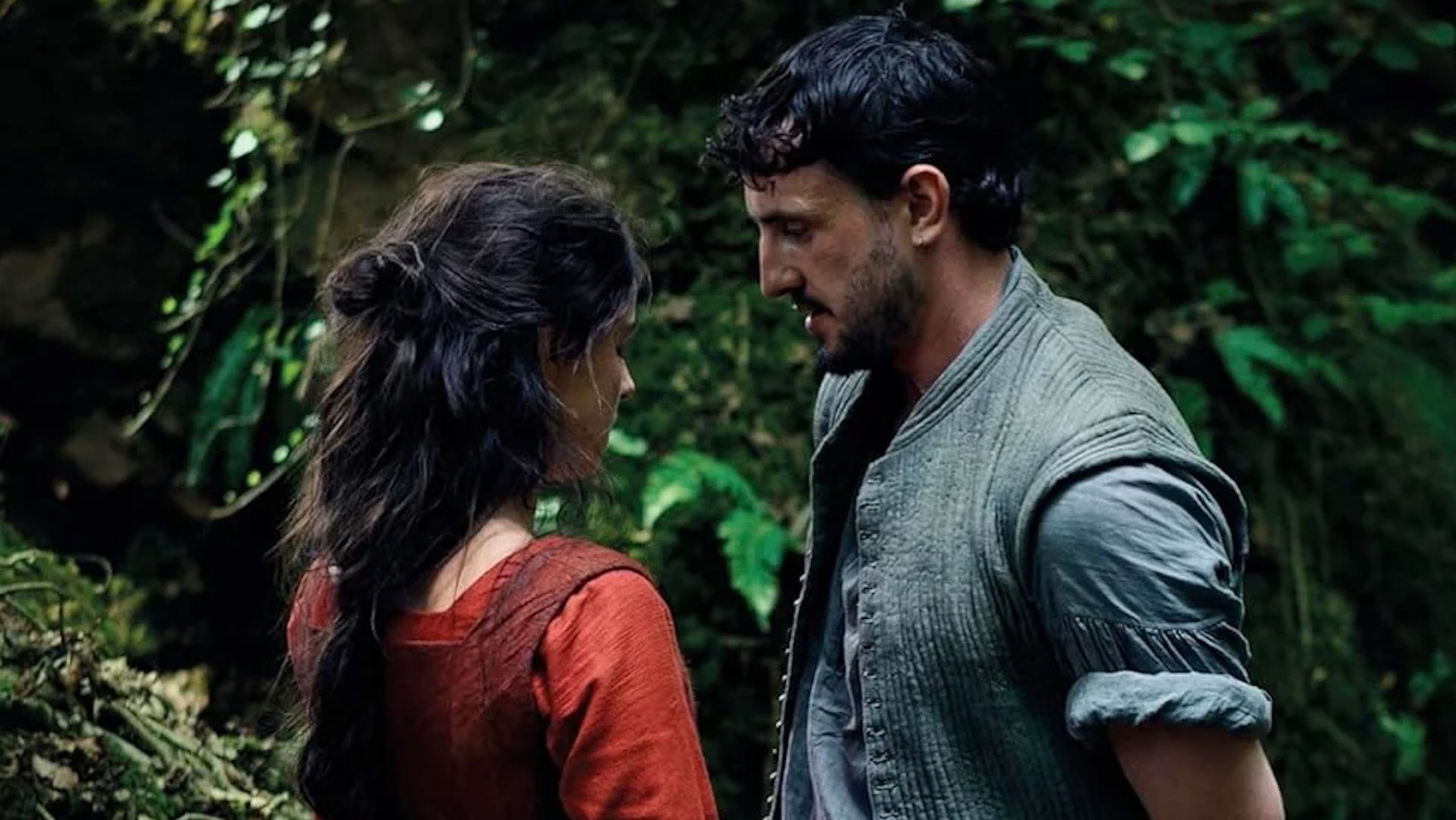
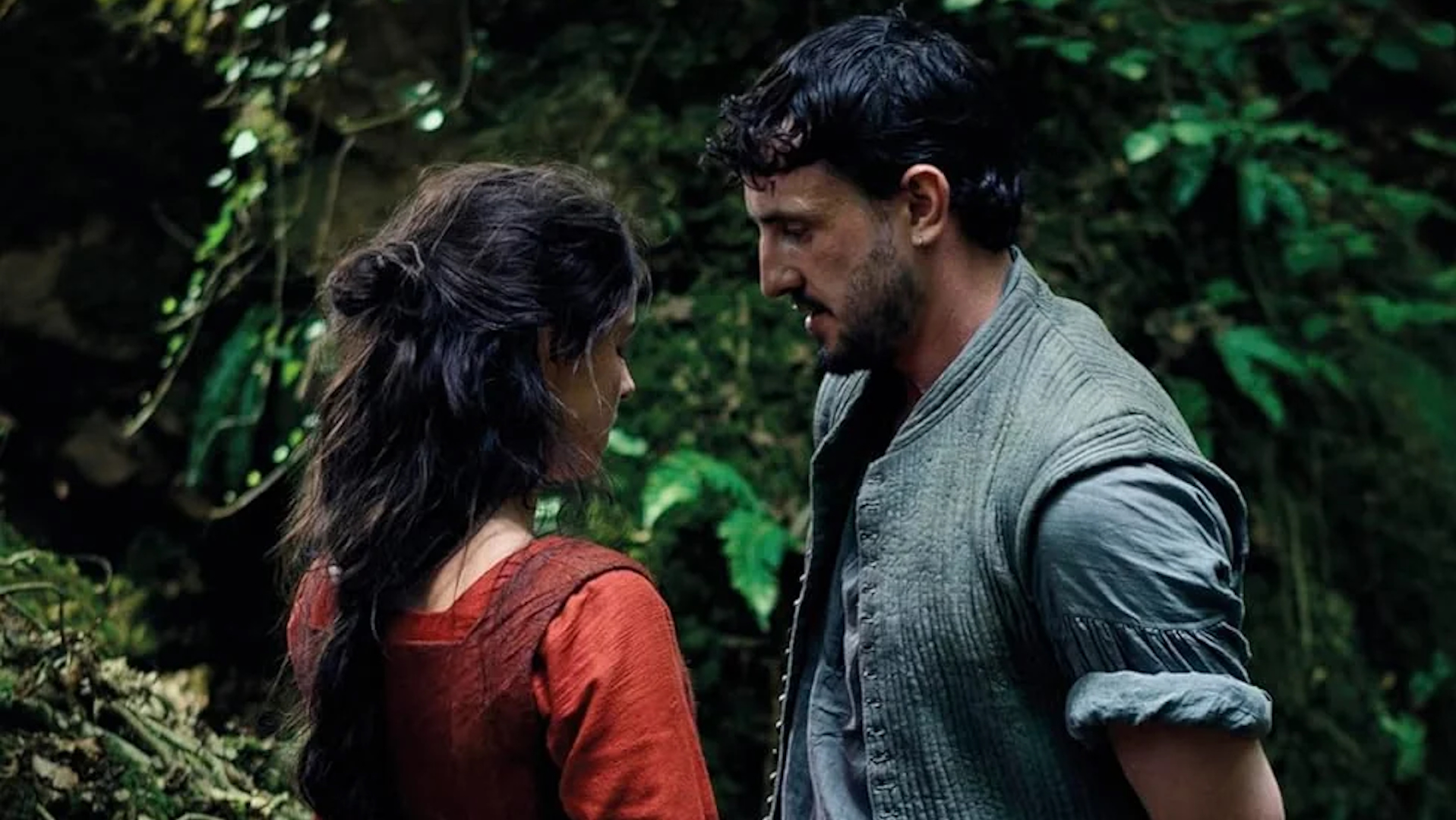
The controversy unfolded in late August 2026, centering around Netflix’s promotional rollout for Hamnet, a cinematic adaptation exploring the historical tragedy behind William Shakespeare’s masterwork, Hamlet.
The Spark on X (Formerly Twitter)
On August 23, 2026, prominent social media user Erik Anderson shared a screenshot of the Netflix splash page with his followers. The image featured a dramatic, hyper-focused close-up of a prop document—a mock sixteenth-century broadsheet flyer advertising the "firft appearance on stage" of the legendary play.
Accompanying the image, Anderson posted a remark that would quickly ignite the internet: "The clearly AI-generated image for HAMNET on Netflix doing some crazy things."
Within hours, the post accumulated hundreds of thousands of views, heavily amplified by quote-tweets and replies from users eager to lamboorhni corporate shortcuts. To the untrained eye, the digital panic spread with predictable velocity. Commentators pointed to the overly sharp, digitally polished lighting, arguing that the gloss and saturation reeked of cheap studio retouching. However, the smoking gun—the definitive proof cited by the mob—was the text itself.
To modern readers, the word "firft" appeared to be a classic generative AI hallucination: a garbled, nonsensical blending of letters where an ‘s’ had inexplicably morphed into an ‘f’. Across social media platforms, self-appointed digital sleuths crowed about lazy studio marketing departments outsourcing their promotional assets to automated text-to-image generators like Midjourney or DALL-E.
The Historical Reality Check
The narrative of corporate laziness and algorithmic failure collapsed, however, upon even a cursory examination of Elizabethan typography.
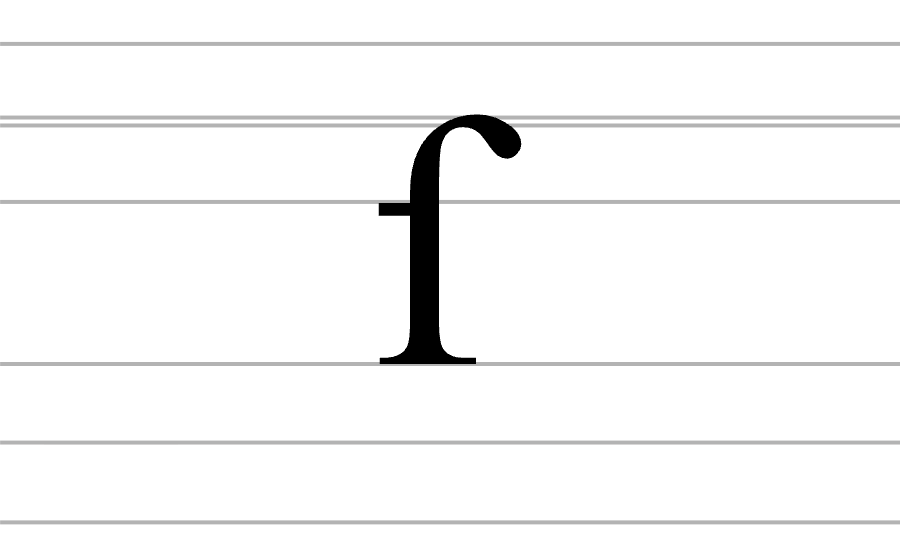
The letter in question was not an ‘f’, but rather an archaic long "s" (ſ), a character ubiquitous in English printing throughout the 16th, 17th, and 18th centuries. In early modern typography, the long "s" was used at the beginning or in the middle of a lowercase word (such as firft for first, or confeffion for confession), while the short "s" was reserved for the ends of words.
Film historians and typography experts were quick to point out that the prop was not generated by an algorithm scraping the web, but was meticulously crafted by historical prop-makers working on the film production. Furthermore, close inspection of the film itself revealed that the exact same prop appears on-screen, anchoring the narrative in historical verisimilitude rather than digital shortcutting.
Despite corrections from historians and typographers, the damage to public discourse was already done. The viral sprint to expose an AI culprit had once again outpaced basic historical literacy.
Supporting Context & Metrics: The Psychology of the Uncanny Valley
To understand why thousands of digital natives fell into the trap of misidentifying a centuries-old typographic convention as an AI glitch, one must examine the broader metrics and psychological climate defining the mid-2020s media ecosystem.
The Proliferation of Synthetic Media
The skepticism directed at Netflix is not born in a vacuum. The rapid commercialization of generative AI tools between 2022 and 2026 has fundamentally altered how humans interact with visual information. According to recent digital media metrics:
Over 70% of internet users report encountering generative AI images, text, or audio on a weekly basis across mainstream social networks.
More than 60% of consumers express anxiety regarding the inability to reliably distinguish between human-made and machine-generated content.
Trust in digital advertising imagery has plummeted, with consumers routinely scrutinizing corporate campaigns for telltale signs of automation: warped hands, asymmetrical architecture, and, most prominently, mangled, unreadable text strings.
Generative AI models notoriously struggled with typography during their early iterations, turning signs, labels, and scrolls into unreadable alien gibberish. This historic flaw burned an indelible visual heuristic into the public consciousness: gibberish text equals artificial intelligence.
The Weaponization of Skepticism
When modern audiences encounter an unfamiliar visual cue, the protective cognitive reflex is no longer curiosity—it is hostility. This hyper-vigilance creates a feedback loop on platforms like X, TikTok, and Reddit, where outrage and "gotcha" discoveries are rewarded with algorithmic amplification.
In the case of the Hamnet splash page, the visual style of modern streaming interfaces—which frequently employ hyper-saturated, smoothed-out digital grading to pop on mobile screens—already sat precariously on the edge of the uncanny valley. When users spotted a letterform they did not recognize, confirmation bias did the rest. The historical fact of the long "s" was drowned out by the collective dopamine rush of catching a multi-billion-dollar streaming giant in an alleged act of AI-generated corner-cutting.
Official Statements and Industry Impact
While neither Netflix nor Universal Pictures (the studio behind the film’s production) felt compelled to issue a formal press release over a brief internet misunderstanding, industry insiders have expressed growing concern regarding the chilling effect this hyper-suspicious climate creates for traditional artists, designers, and artisans.
Speaking anonymously, a veteran prop master who has worked on multiple period dramas in the UK noted the profound irony of the situation:
"We spend months in archives, consulting with paleographers and historians to ensure that every letterform, ink stain, and parchment texture is historically accurate down to the decade. Then, an audience member glances at a mobile screen for two seconds, misinterprets a centuries-old scribal convention, and accuses us of typing a prompt into a machine. It’s profoundly discouraging for craftspeople who take pride in historical authenticity."
Meanwhile, design critics have pointed out that the Hamnet controversy underscores a wider educational deficit regarding historical visual culture. As educational curricula increasingly prioritize digital literacy over traditional humanities and historical typography, the average viewer is losing the visual vocabulary needed to interpret the past. When historical realities look strange to modern eyes, contemporary audiences are increasingly defaulting to the assumption that the past itself is a synthetic fabrication.
Future Outlook: Navigating the Post-Authenticity Era
As we look toward the latter half of the decade, the Hamnet incident serves as an urgent cautionary tale for both creators and consumers in the post-authenticity era.
1. The Erosion of Nuance
The danger of hyper-suspicion extends far beyond minor social media pile-ons. If society becomes conditioned to reflexively reject any visual artifact that induces cognitive friction or discomfort, we risk losing an essential component of art and culture. Throughout history, great art has deliberately challenged, confused, and unsettled its audience. If unfamiliarity is automatically equated with artificiality, artists may be pressured to sanitize their work, abandoning complex historical details, avant-garde typography, and challenging aesthetics in favor of easily digestible, hyper-familiar visual tropes.
2. The Need for Contextual Literacy
Combating this trend requires a concerted pivot in digital education. Just as media literacy programs teach students how to identify deepfakes and manipulated political videos, cultural institutions must foster a deeper appreciation for historical craft. Understanding that our ancestors spelled, printed, and drew differently than we do is not merely a matter of academic trivia—it is a vital defense against intellectual insularity.
3. A Call for Intellectual Patience
Ultimately, the digital outcry over Hamnet is a mirror reflecting our collective exhaustion with the current technological paradigm. We are tired of being tricked, tired of algorithmic encroachment, and tired of wondering if what we are looking at is real.
Yet, as this episode proves, blind paranoia is a poor substitute for critical thinking. When we rush to judgment to score points in the attention economy, we risk becoming the very thing we fear: automated, unthinking entities reacting on loop to surface-level cues. The next time an image makes us pause, feel uncomfortable, or look strange, perhaps the wisest course of action is not to immediately scream "AI," but to pause, open a book, and allow history to surprise us.